The Lepidoptera Log - by Steve Woodhall
What's happened to our 'Playboys'?
Their scientific name has changed - why?
If you’ve been keeping up with these blog posts and logging butterfly sightings on iNaturalist, you may have noticed a recent update: when you upload a photo of Deudorix antalus (the Brown Playboy), the app now recognizes it as Capys antalus. Normally, Capys is linked with Protea Butterflies, such as Capys alpheus, the Orange-banded Protea.
So, what’s the story behind this change? Let me try to explain. Scientists worldwide continually review the nomenclature (names) and taxonomy (classification based on shared features) of all living things. In the past, traits like wing shape, markings, and genitalia structure were key to butterfly classification. Now, advances in DNA analysis—both nuclear and mitochondrial – have revolutionized our understanding, revealing connections between species that aren’t always physically obvious. For example, the Pioneer Caper White, once known as Belenois aurota, has been split into two distinct species, with our regional one now called Belenois syrinx.
These discoveries typically rely on complex statistical methods that are beyond the scope of this post. They also help us trace the evolutionary lineage of butterflies – determining which species descended from the same common ancestor as others.
In this particular case, scientists suspected for some time that the genera Capys and Deudorix were closely related. Both belong to the same tribe (Deudorigini) within the subfamily Theclinae, part of the family Lycaenidae. Despite distinct differences in adult butterflies, their larvae – which primarily feed on seeds from host plants – share significant traits, as do the eggs and pupae.

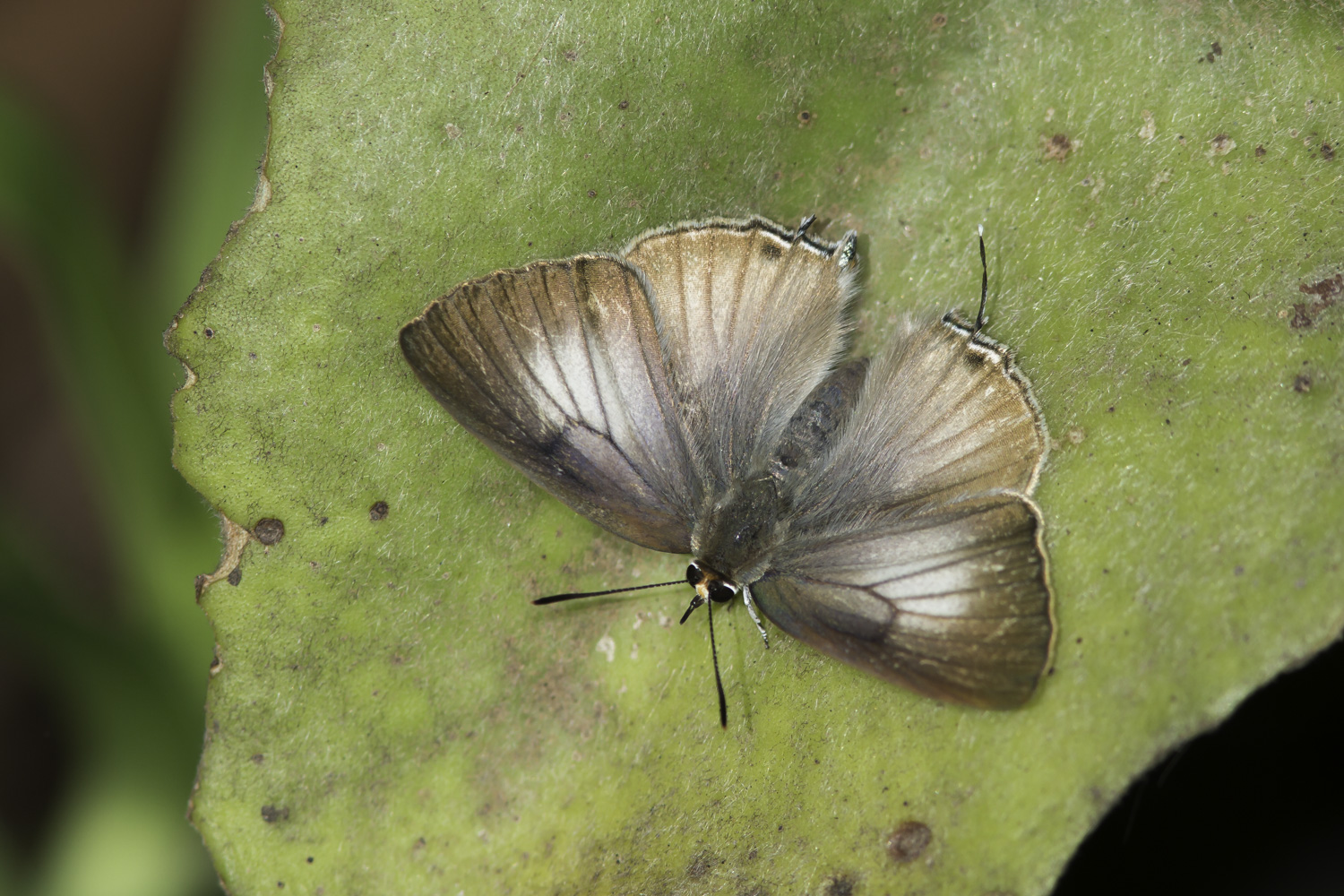
Orange-barred Playboy ♂
Capys (Afrix) diocles

Russet Protea ♂
Capys (Capys) disjunctus
Orange-barred Playboy ♀
Capys (Afrix) diocles
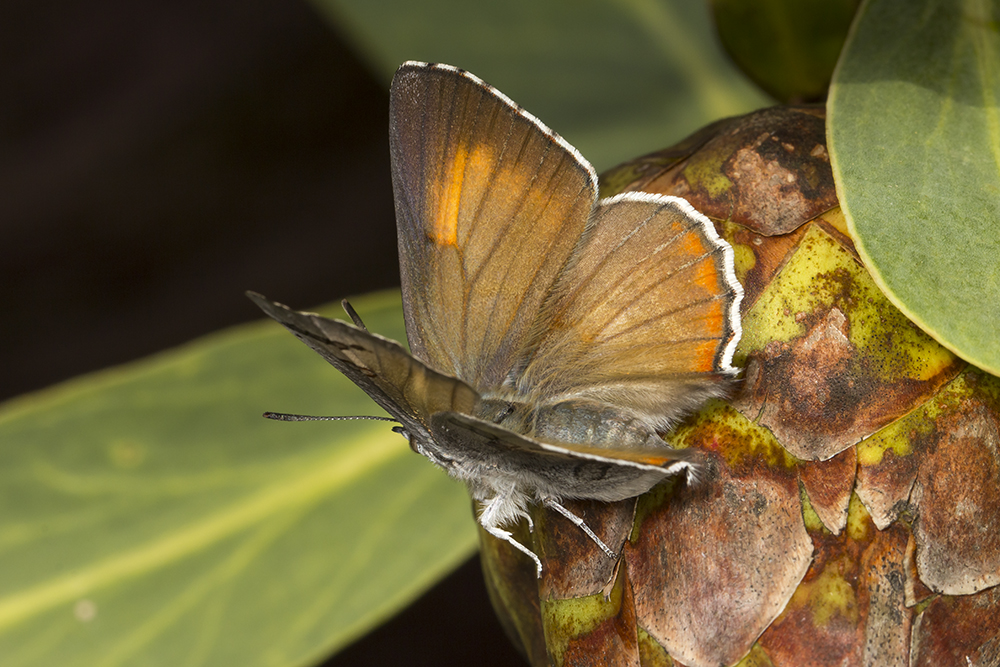
Russet Protea ♀
Capys (Capys) disjunctus
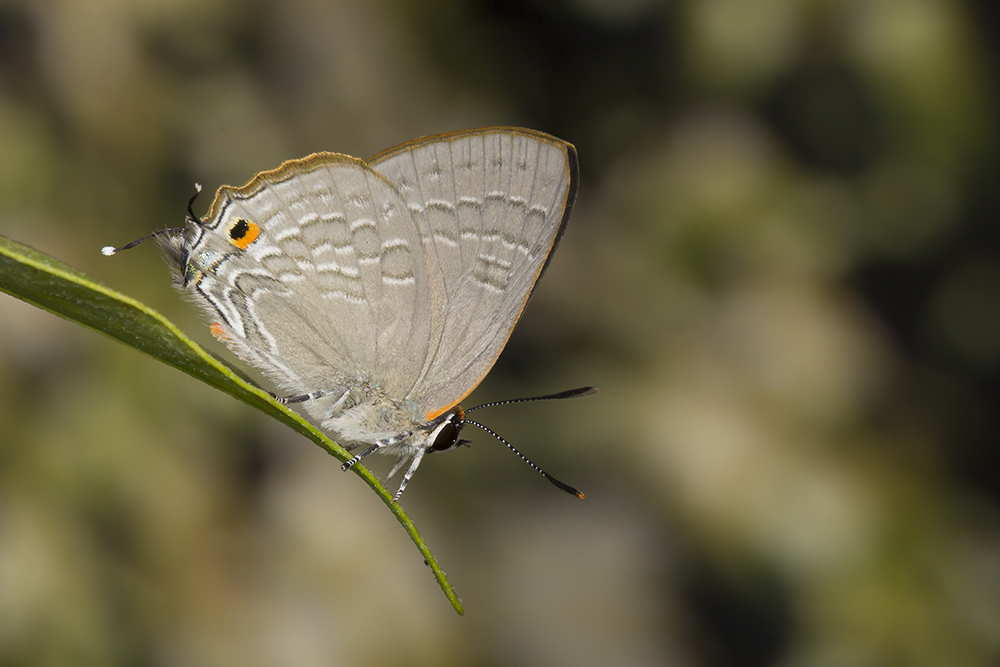
Orange-barred Playboy ♂
Capyys (Afrix) diocles

Russet Protea ♂
Capys (Capys) disjunctus
Shown here are adults of Orange-barred Playboy Capys (Afrix) diocles and Russet Protea Capys (Capys) disjunctus. Following taxonomic revision, the African butterflies previously classified in the genus Deudorix – now restricted to Asian and Australian species – were reassigned to the subgenus Afrix (derived from Africa + Deudorix) to reflect notable distinctions between the adult forms. The subgenus falls taxonomically under the genus Capys.
Adults of Afrix exhibit a hindwing tornal lobe angled at 90° to the wing, adjacent to a diminutive tail; this configuration creates a ‘false head’ effect, which is presumed to mislead predators into striking the incorrect end.
Adults of Capys share similarities with Afrix, typically displaying small size (wingspan 30–40 mm), pronounced sexual dimorphism with less vibrant females, and males adopting an alert, aggressive perching posture. They lack the hindwing lobe and tail. The butterflies originally in genus Capys now fall in a subgenus of the same name.
The ventral surfaces (undersides) generally show buff to grey tones accompanied by cryptic patterns.

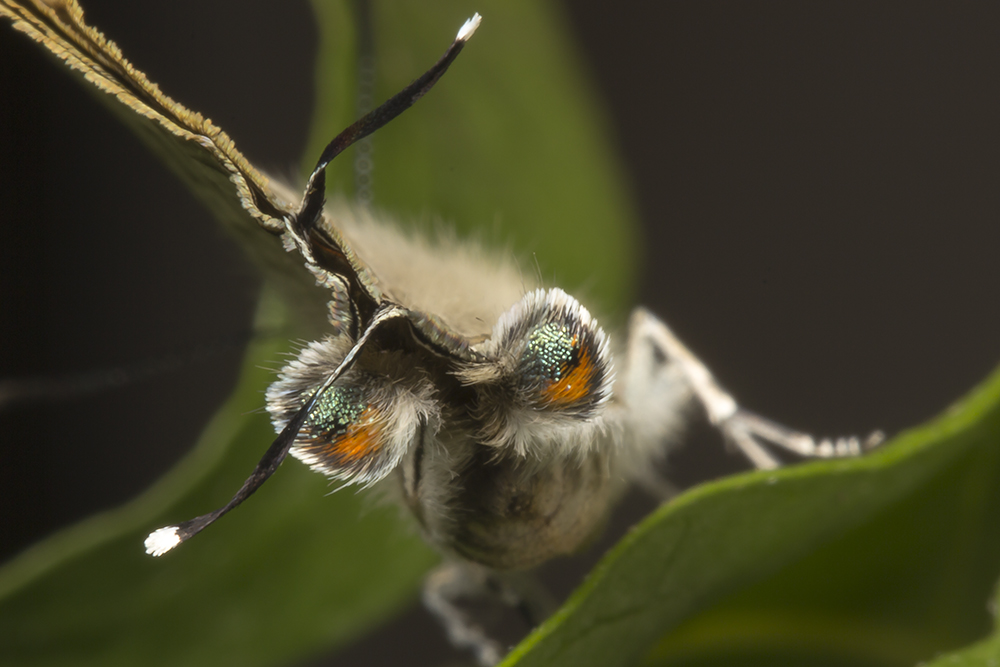
Orange-barred Playboy ♀
Capus (Afrix) diocles
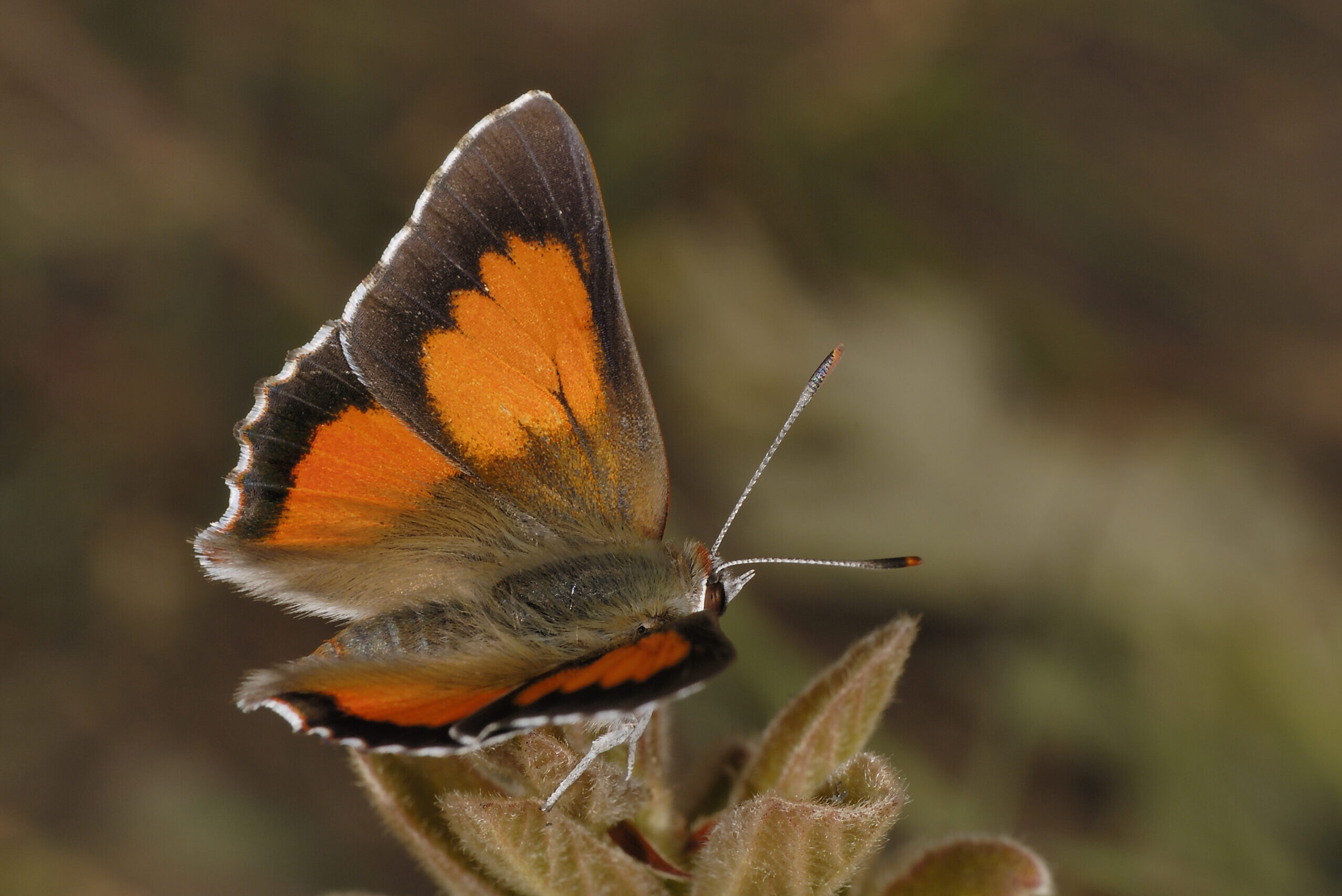
This shows the effectiveness of the ‘false head’ of a Capys (Afrix) butterfly. The tornal lobes look just like eyes. The butterfly, by rubbing her hindwings together, makes those little tails flick, reinforcing the illusion.

Orange-banded Protea ♂
Capys (Capys) alpheus extentus
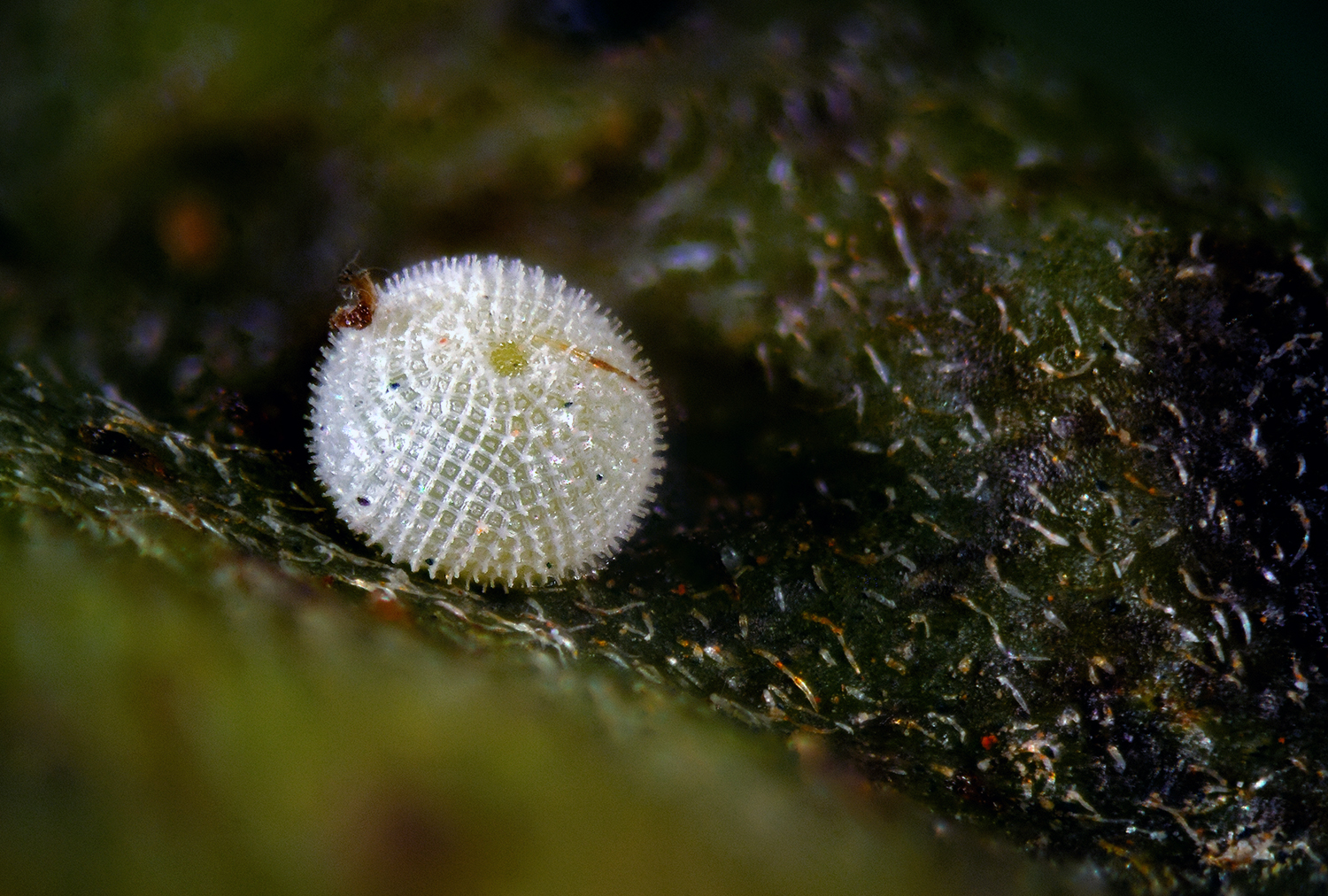
Male Orange-banded Protea, one of the most brightly coloured Capys (Capys) species. It’s one of the few not to exhibit sexual dimorphism.

Orange-barred Playboy egg
Capus (Afrix) diocles
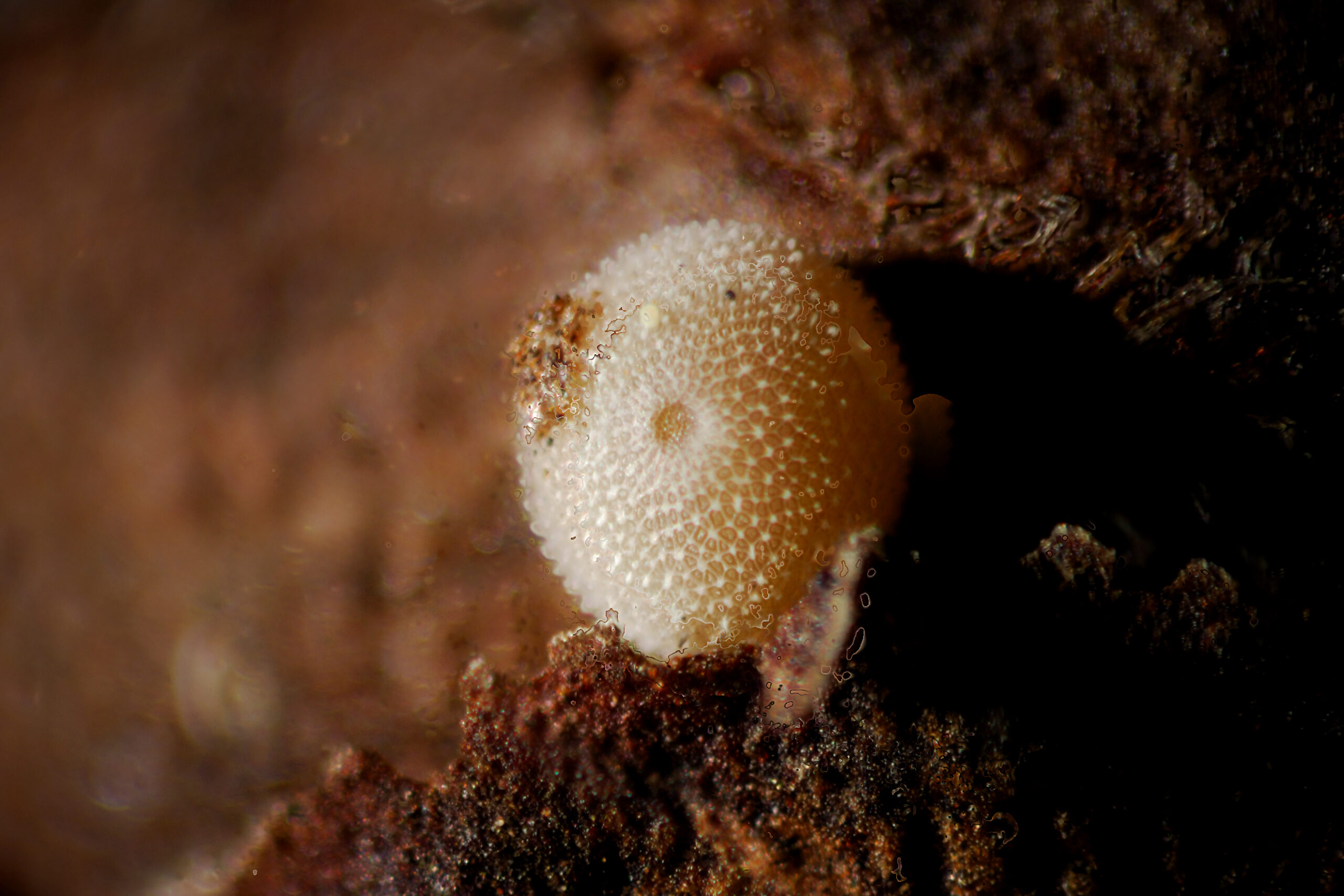
Capys (Afrix) eggs are tiny and laid on the seed pods of one of the host plants. In this case, Pride-of-de-Kaap, Bauhinia galpinii. The deep depression at the apex and regular pattern of tiny ridges, with a papillus where each crosses another, is typical of Capys eggs.

Russet Protea egg
Capys (Capys) disjunctus
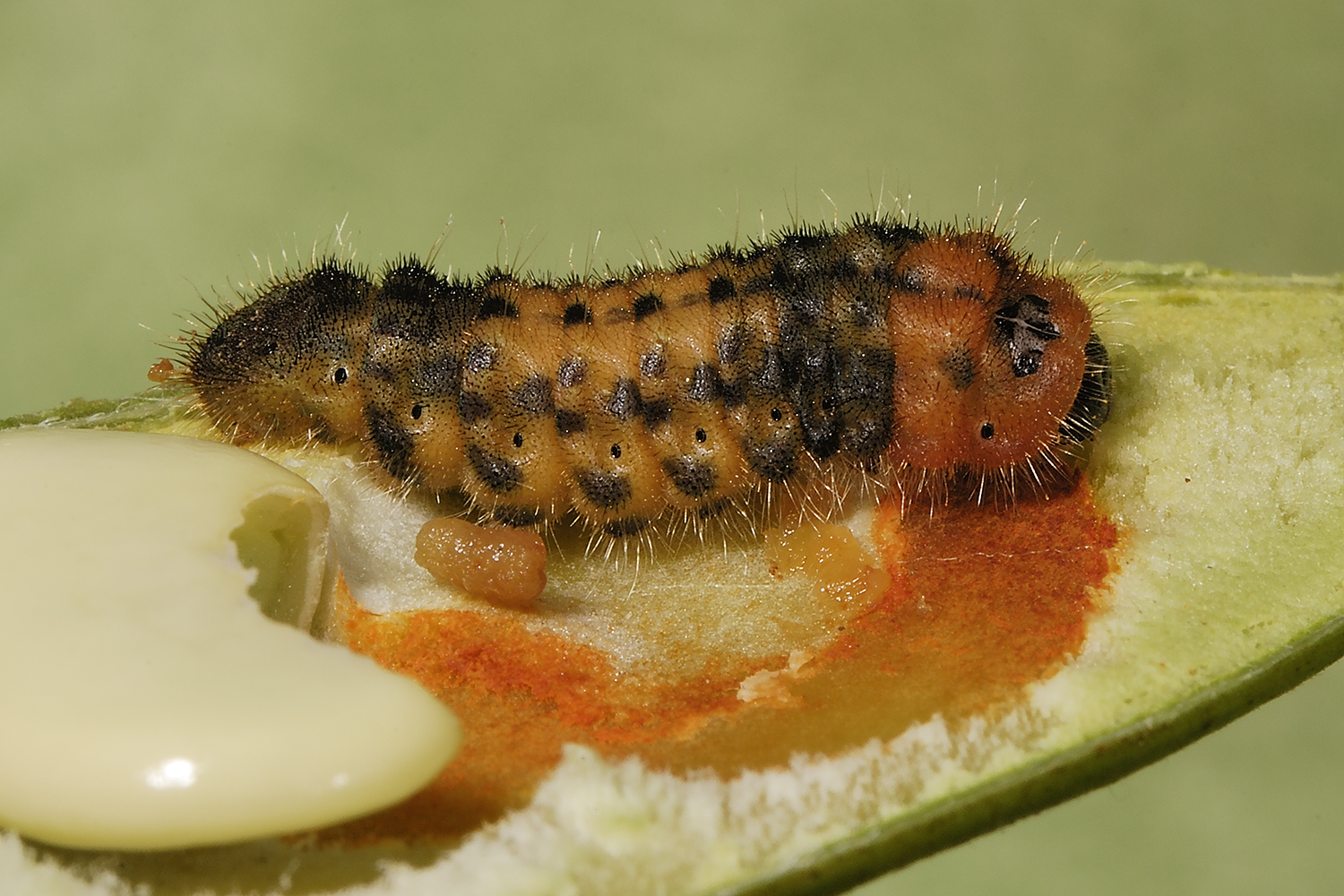
This Orange-banded Protea egg shows the basic similarities of Capys eggs. This is laid on a bud of Protea caffra, one of the host plants. The similarities in the early stages are the clues that the two genera were actually sister to one another.

Orange-barred Playboy caterplllar
Capus (Afrix) diocles
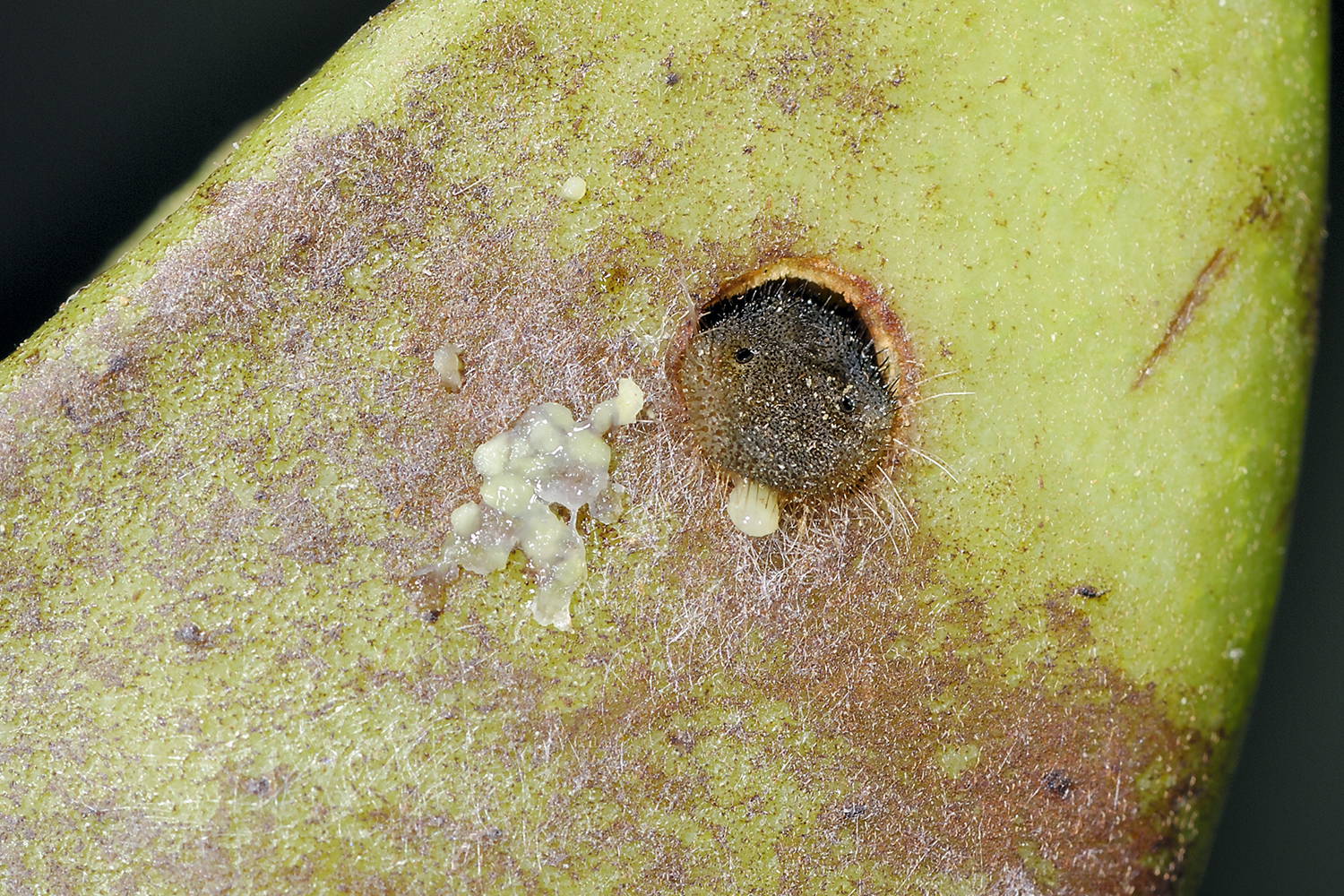
The similarities between the caterpillars are obvious here. This Orange-barred Playboy has bored into the seed pod of a Pride-of-de-Kaap (Bauhinia galpinii) and has gorged itself fat on the nutritious seeds inside. Capys (Afrix) species feed on the fruits of many plants, from the Fabaceae (this one) to the Rubiaceae (Gardenias and coffee) and Combretacae (Bushwillows). At least one species is regarded as a pest of coffee plantations in East Africa.
The caterpillar bores a hole in the pod to leave an escape route for the adult when emerging from the pupa which is usually formed inside it.

Orange-barred Playboy caterplllar
Capus (Afrix) diocles
Russet Protea caterpillar
Capys (Capys) disjunctus
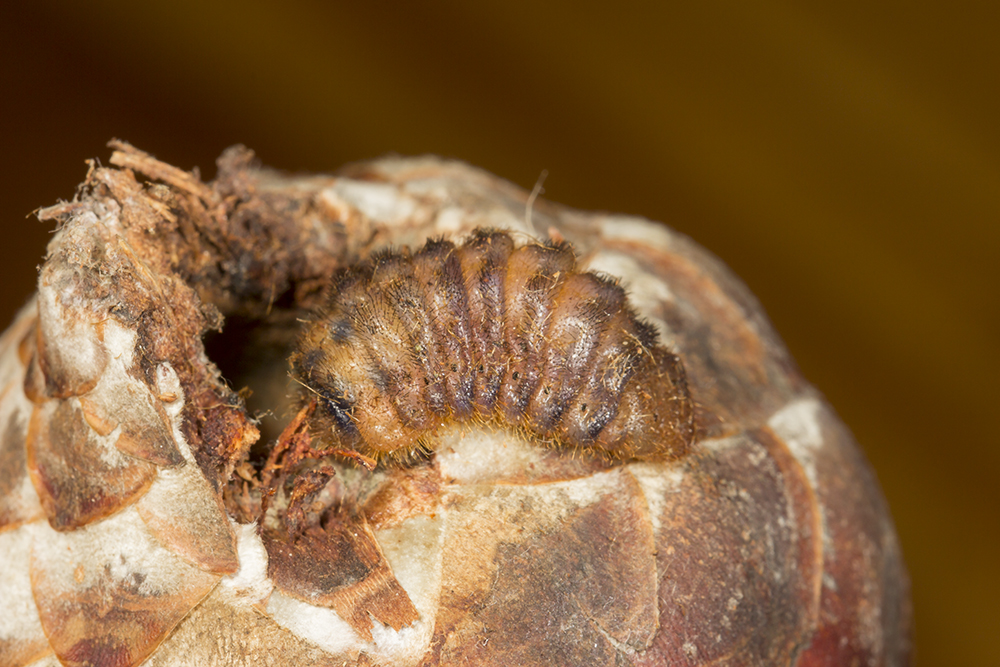
This Russet Protea caterpillar is so similar to the Orange-banded Playboy that the relationship looks obvious. The difference is that Proteas feed on… Proteas! The females lay eggs on the immature buds of the trees, and the caterpillars bore their way in. Once inside they gorge on the immature seeds in the ovary, which are just as nutritious as the beans inside a Bauhinia pod.
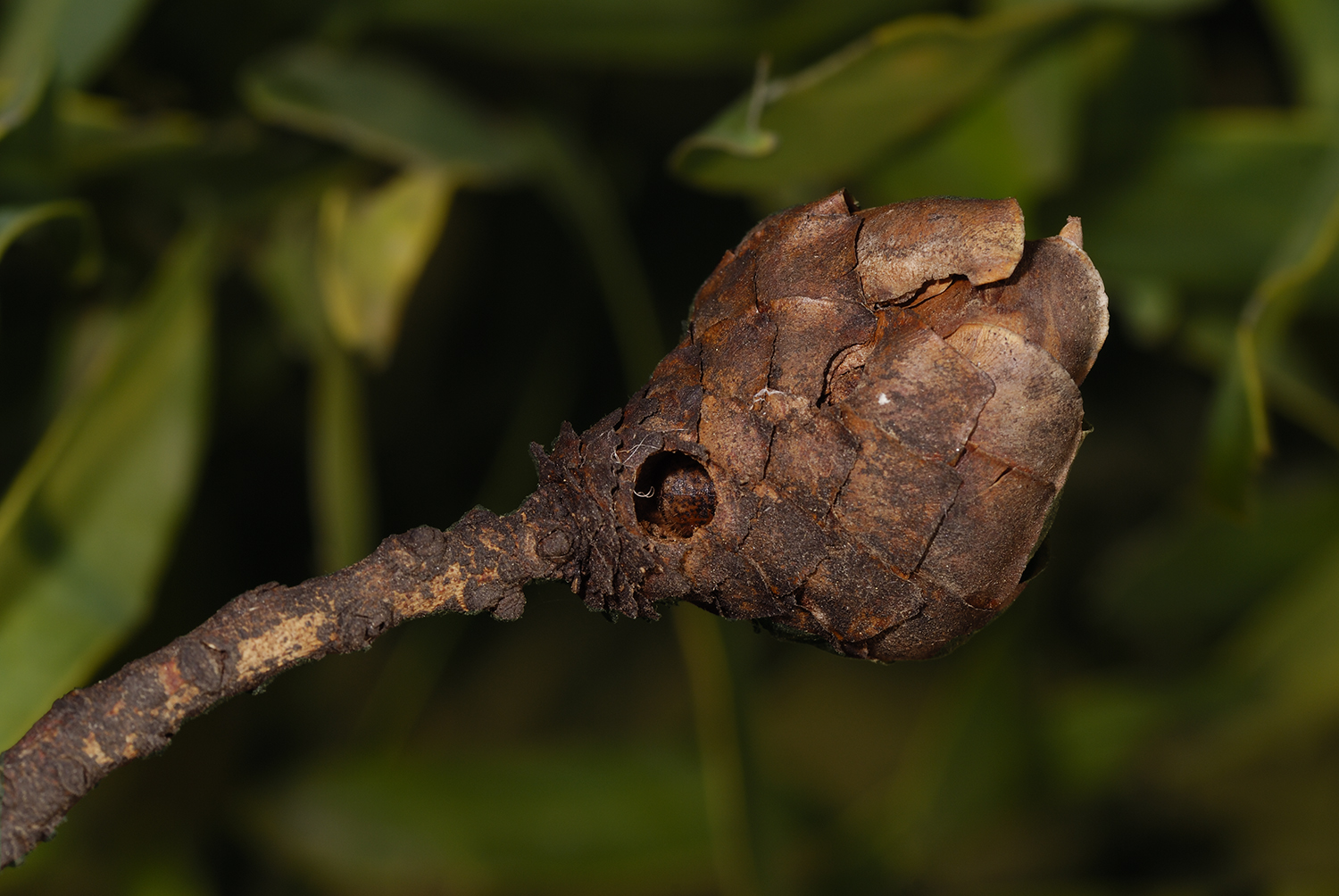
A good way to detect Capys (Capys) pupae is to search for malformed Protea buds with a tell-tale hole made by the caterpillar. Like this iNkomazi Protea has done.

iNkomazi Protea pupa in Protea head
Capys (Capys) penningtoni
Orange-barred Playboy pupae
Capus (Afrix) diocles
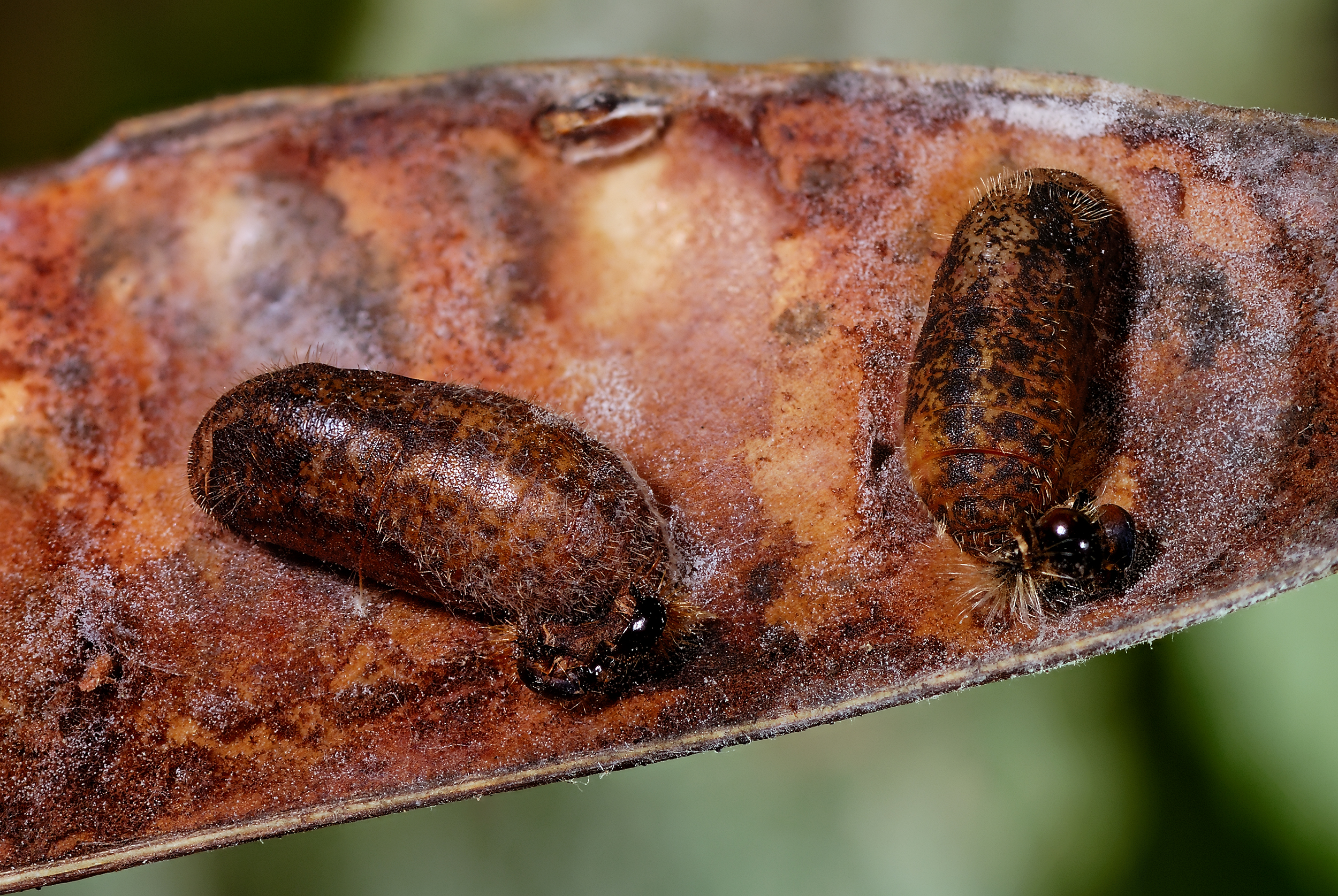
These Capys (Afrix) diocles pupae were formed inside the seed pods of the host plant, Pride-of-de-Kaap, Bauhinia galpinii. It’s unusual to find two pupae inside one seed pod because the caterpillars, like many lycaenids, can turn carnivorous and cannibalise their siblings!

Russet Protea pupa
Capys (Capys) disjunctus
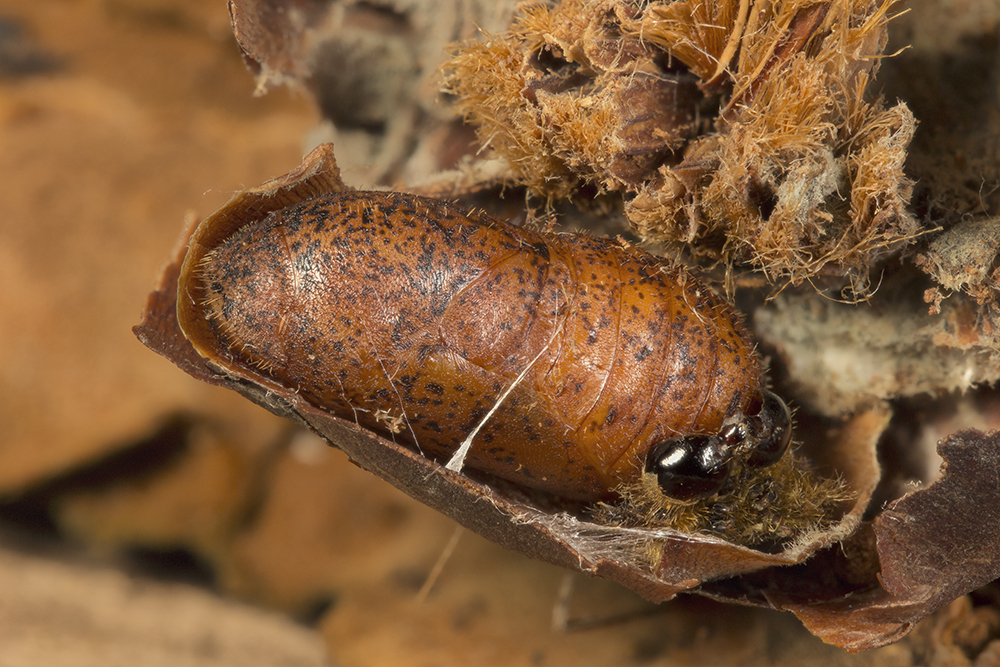
This Russet Protea pupa was broken out of a bud of Protea caffra, one of the host plants. Again, the similarities in the early stages show how closely these butterflies are related to one another. Protea butterfly caterpillars will also readily cannibalise one another, or feast on an unlucky pupa.
There we have another example of the fascinating relationships and life histories of Africa’s butterflies. Lepidopterist scientists are forever finding out new things about them.