The Lepidoptera Log - by Steve Woodhall
Autumn specials
Late summer and autumn - March to May - are good times for these
South Africa’s southern location means it experiences distinct spring and autumn seasons. In the southern hemisphere, spring lasts from September 1st to November 30th, when dormant plants bloom and many butterfly species emerge from their chrysalis to feast on abundant nectar. Despite this lively period, autumn – spanning March 1st to May 31st – is often the prime season for butterfly sightings. Why? – numbers!
With late summer rains fading in March or April, sunny days encourage butterflies to appear in profusion. There is still plenty of lush vegetation for caterpillars after mating and egg-laying. Certain flowering plants, such as Natal Blue Haze (Tetraselago natalensis), bloom mainly in autumn, while bitter-teas like Trailing Bitter-tea (Distephanus angulifolius) and Shrub Vernonia (Baccharoides adoensis) flower profusely during this time and draw in many butterflies. Notably, Trailing Bitter-tea can continue blooming into winter (June).
Butterflies that dwell in the canopy, including Charaxes species, are especially active in autumn, attracted by an abundance of fallen fruit. In the country’s northern regions, sought-after species like the Gold-banded Forester show peak activity from March to May.
The Dirini tribe, which belongs to the Satyrinae subfamily of brush-footed butterflies (Nymphalidae), is almost entirely unique to South Africa, with many species specialized for the autumn months.

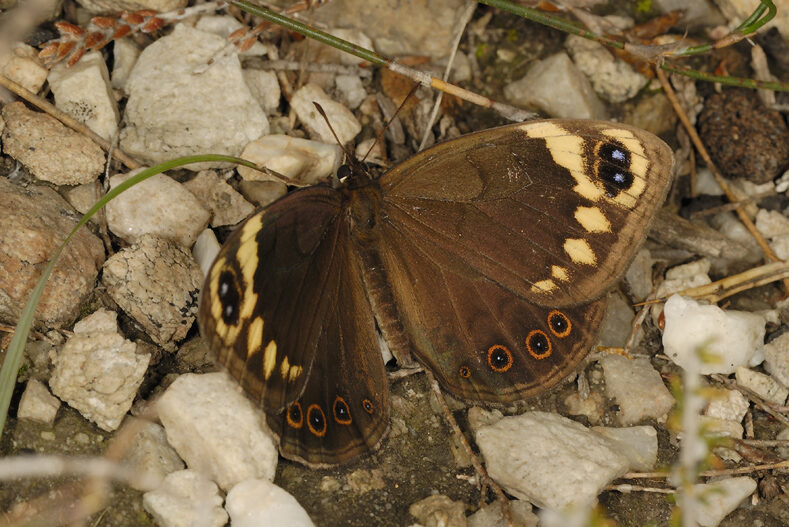
Western Cape Autumn Widow ♀
Dira clytus clytus
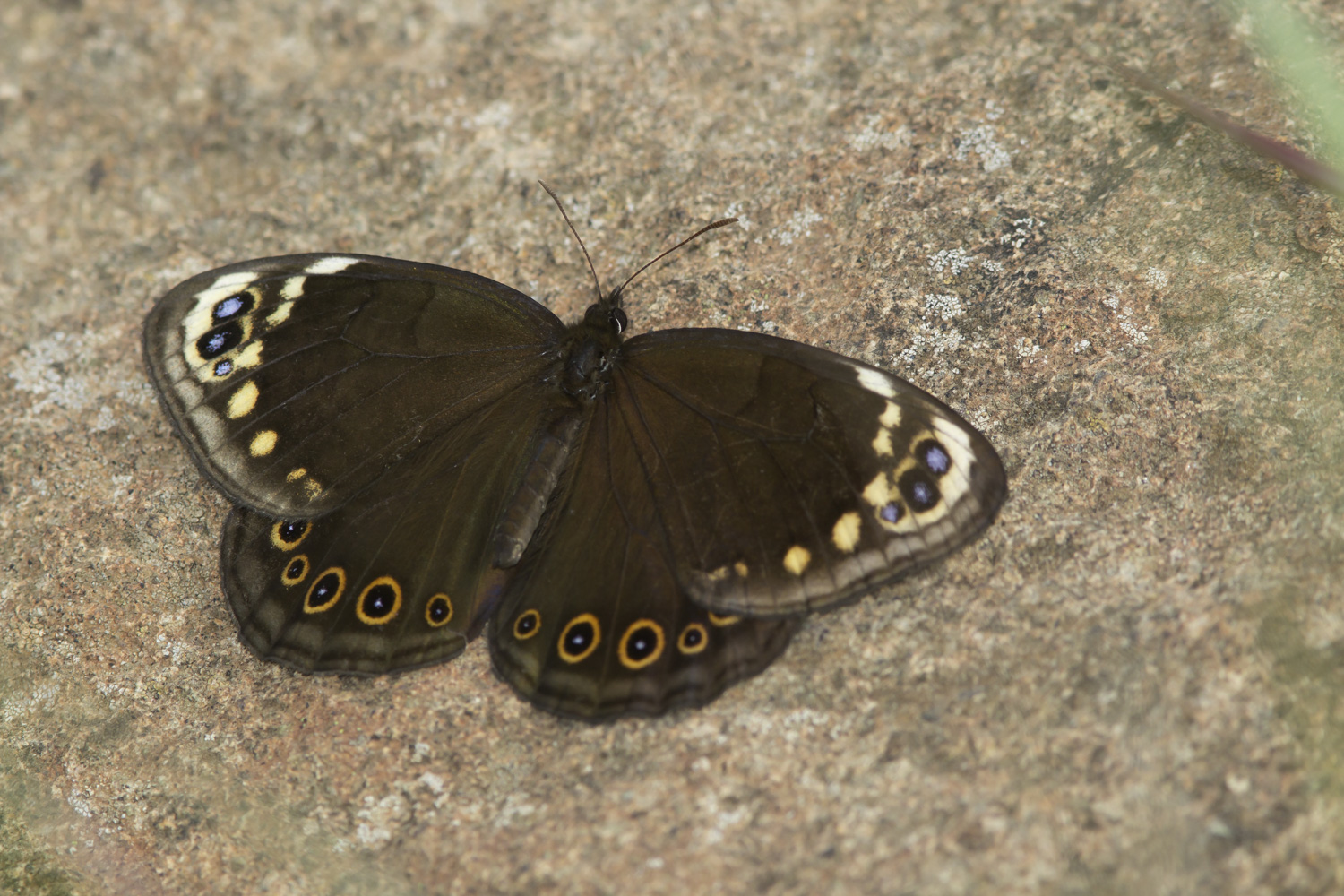
Eastern Cape Autumn Widow ♂
Dira clytus eurina
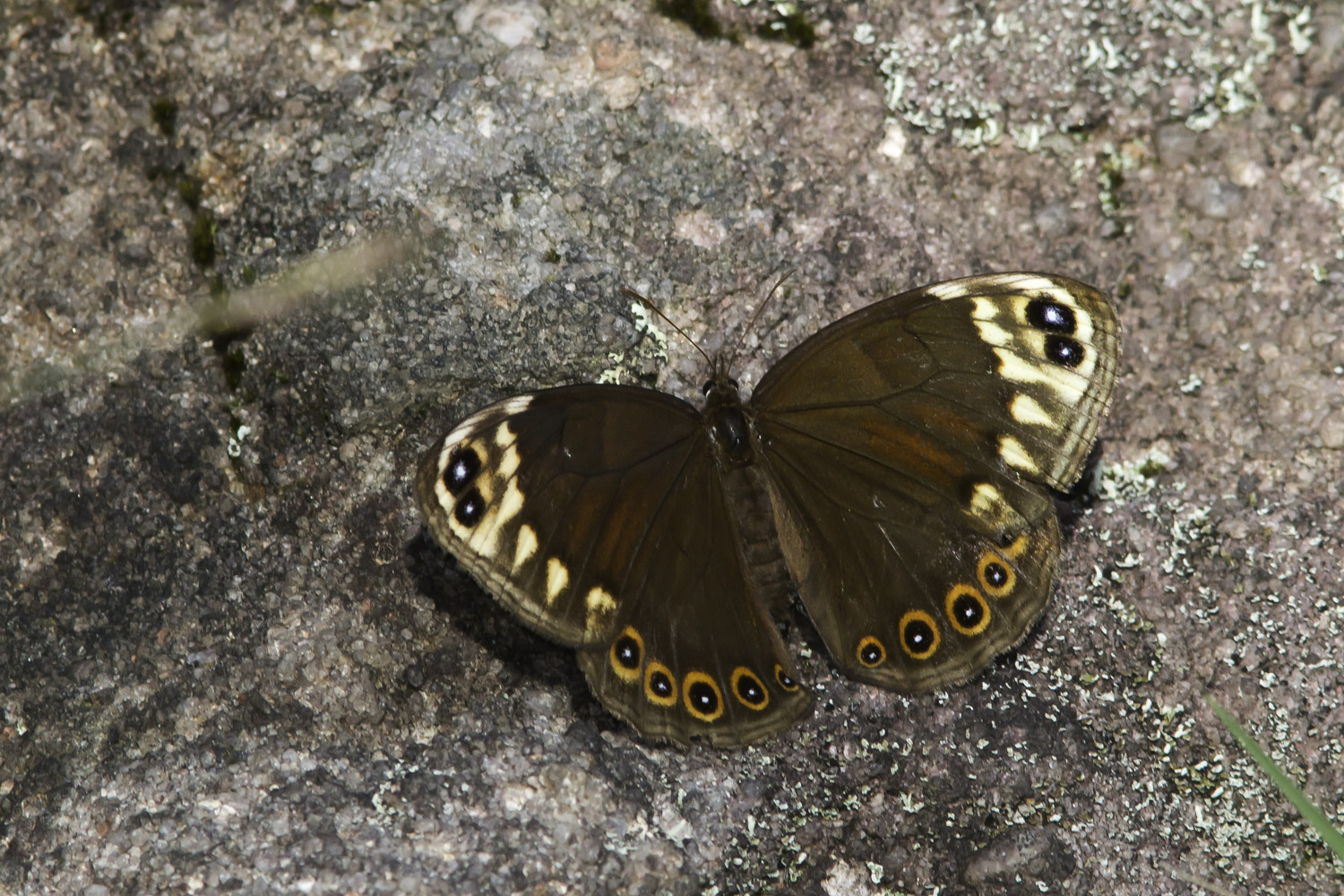
Pondoland Autumn Widow ♂
Dira oxylus
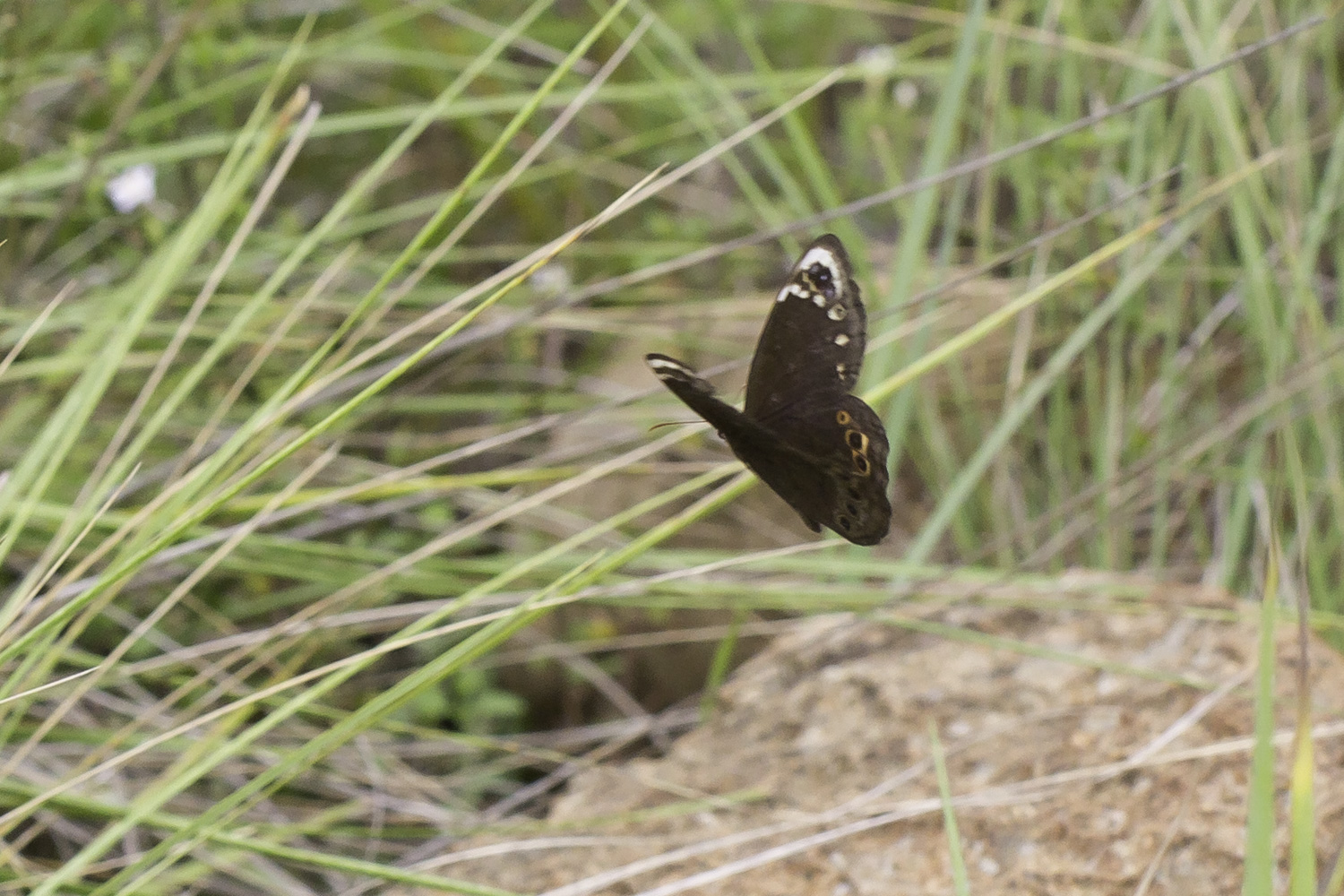
Pondoland Autumn Widow ♂
Dira oxylus flying over Tenaxia grass
Northern Autumn Widow ♀
Dira swanepoeli swanepoeli
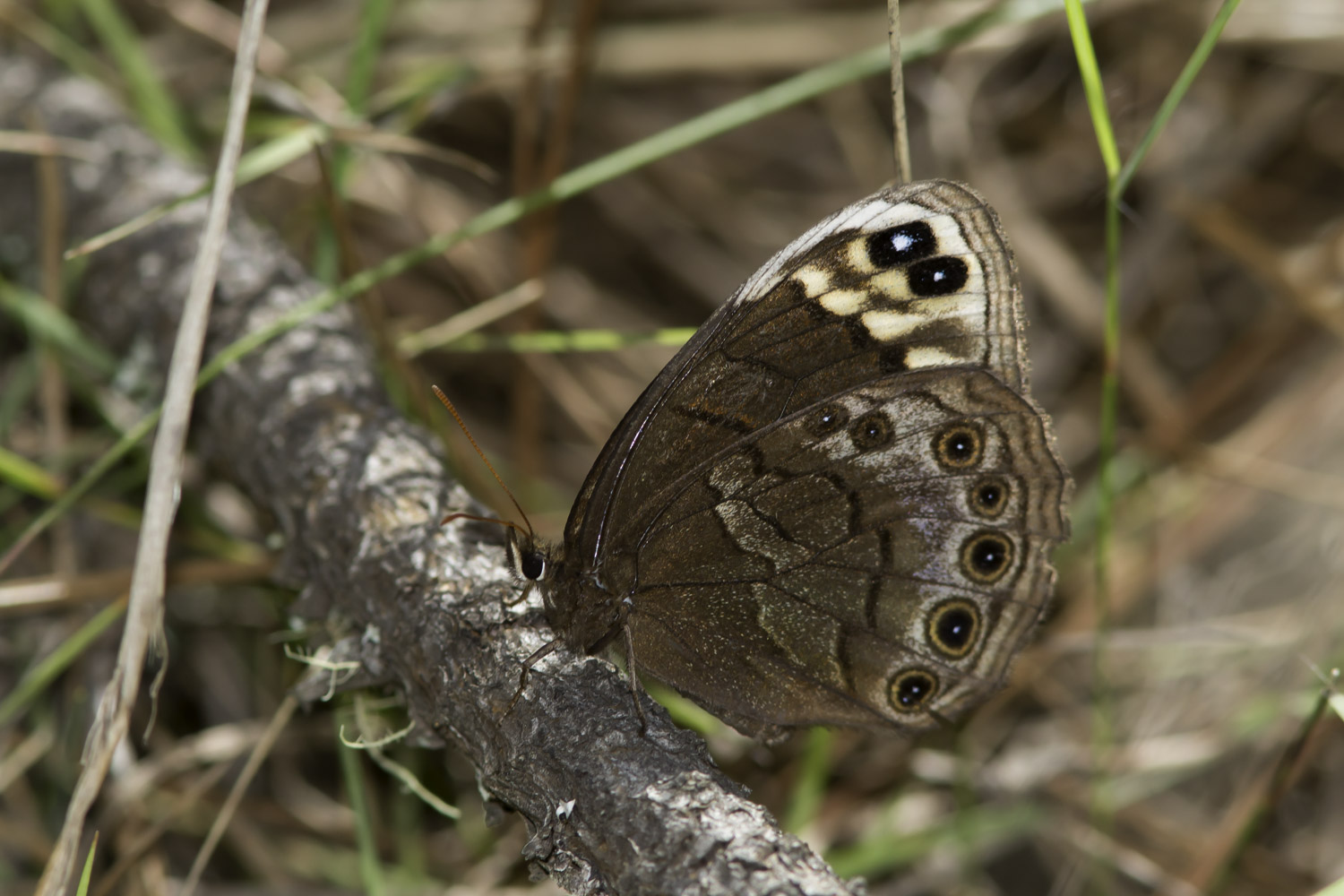
Northern Autumn Widow ♀
Dira swanepoeli swanepoeli
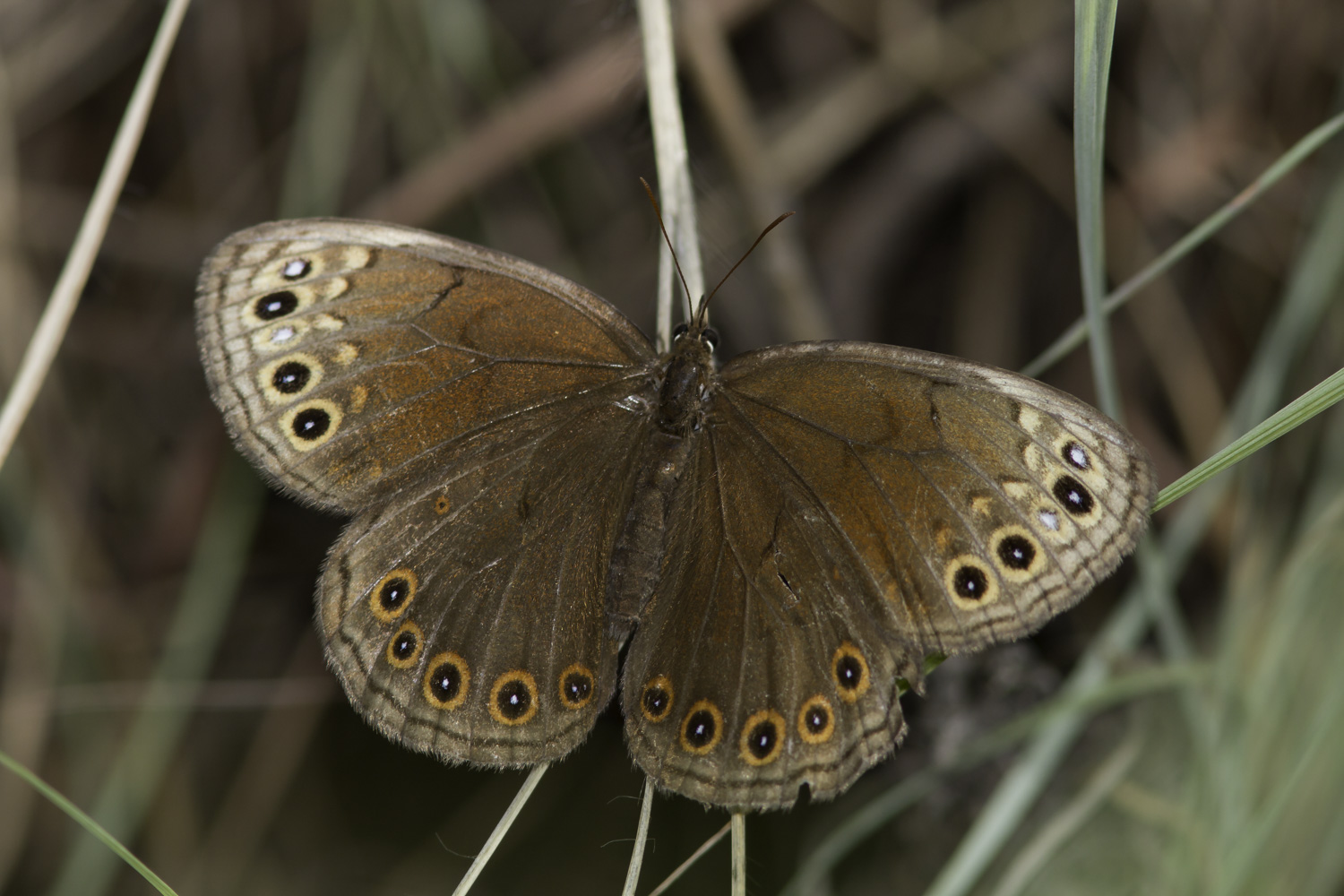
Argus Autumn Widow ♀
Dira jansei
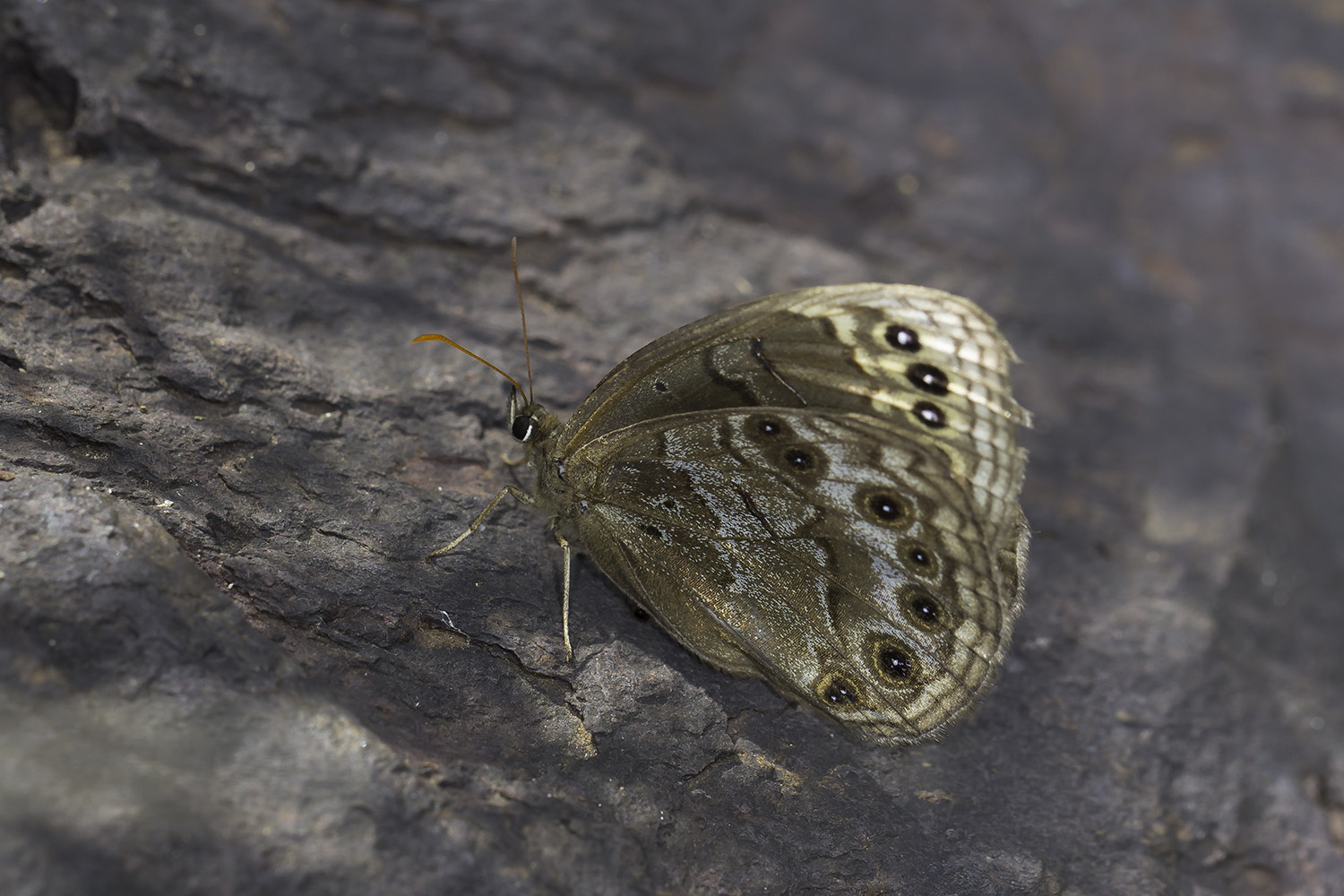
Argus Autumn Widow ♀
Dira jansei
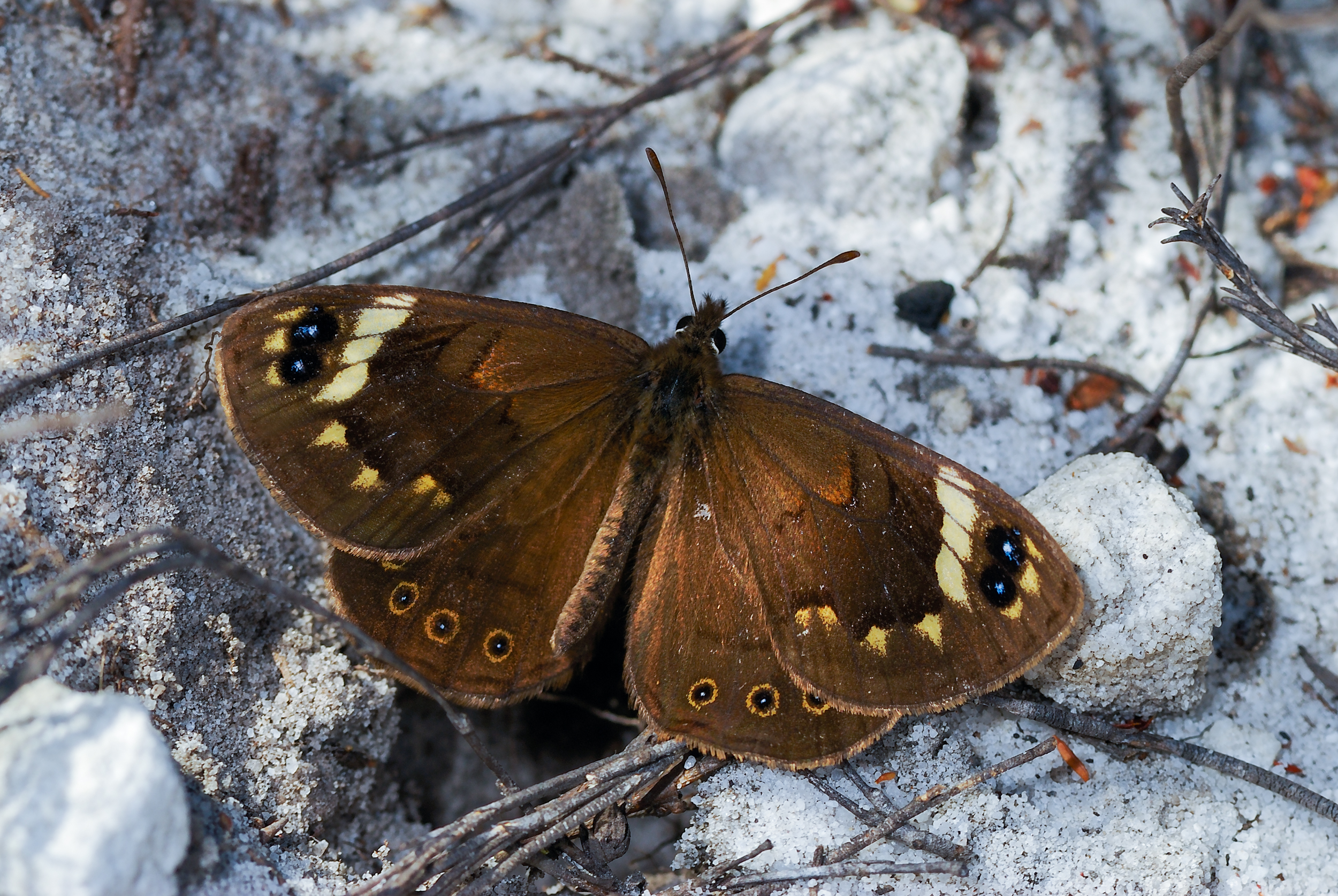
Dirini comprises a group of 29 butterfly species within the subfamily Satyrinae (Nymphalidae), all endemic to Southern Africa, particularly South Africa and Lesotho. Within this tribe, the genera Dira, Torynesis, and Paralethe are autumn butterflies, while Dingana and Tarsocera are observed during spring. The Table Mountain Beauty, Aeropetes tulbaghia, predominantly occurs in midsummer and is notable for being the only Dirini species found outside South Africa, with its range extending into eastern Zimbabwe.
The genus Dira (Autumn Widows) inhabits the southern and eastern mountain ranges of South Africa. The Western Cape Autumn Widow, Dira clytus clytus, is distributed from Cape Town in the Western Cape to Humansdorp in the Eastern Cape. In the east, the Eastern Cape Autumn Widow, Dira clytus eurina, can be found as far east as the Great Kei River. The Pondoland Autumn Widow, Dira oxylus, is present from Komani and Stutterheim in the Eastern Cape to Kokstad in southern KwaZulu-Natal. Of particular interest, the nearest related species occur approximately 850 km north in the Soutpansberg: the Northern Autumn Widow, Dira swanepoeli swanepoeli, and its close relative, Dira swanepoeli isolata, in the nearby Blouberg.
The Argus Autumn Widow, Dira jansei, inhabits an area roughly 120 km south of the Soutpansberg, within the dry, cool, elevated rain shadow of the Wolkberg. This species can be distinguished from other Dira members by its multiple eyespots, yet its hindwing underside reveals its close phylogenetic relationship with the group.
These closely related species, or their common ancestor, were likely more broadly distributed across southern Africa prior to geological uplift and subsequent aridification at the end of the Miocene epoch approximately five million years ago. Their larvae exhibit adaptations (like a very long larval stage) allowing them to feed on tough, mountain-dwelling grasses such as Tenaxia Wire-grass. Populations are consistently located around patches of these grasses, often occurring in substantial numbers. A Tenaxia-covered hillside with hundreds of dark brown butterflies floating across it is one of the great sights of South African butterflying.

Mintha Widow ♂
Torynesis mintha mintha
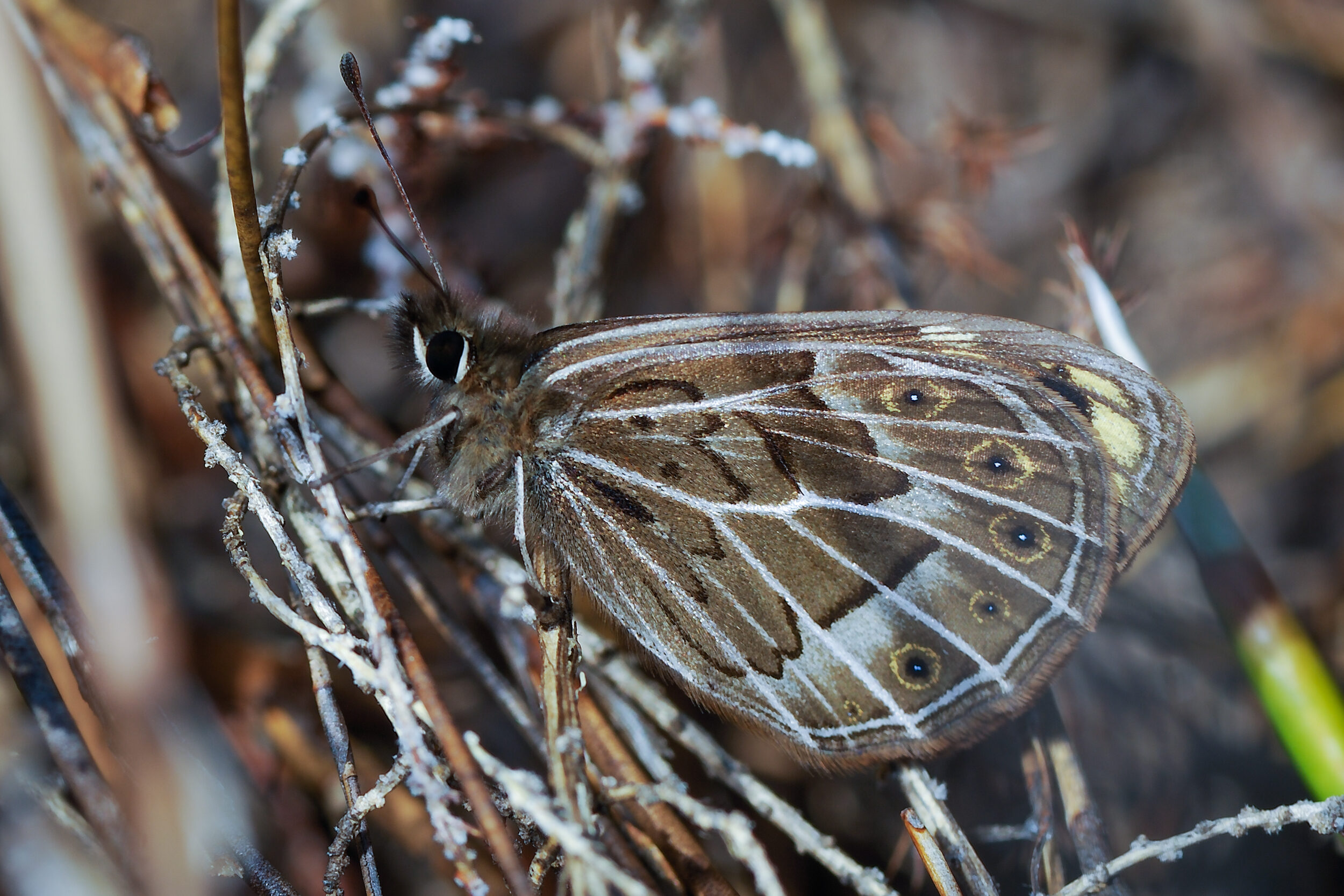
Mintha Widow ♂
Torynesis mintha mintha
The genus Torynesis is thought to be more ancient than Dira, with divergence from the main Dirini lineage estimated at approximately 12–14 million years ago. These butterflies are typically active during the autumn months. However, populations inhabiting the highest elevations in Lesotho and the Free State are observed during the summer season. The Mintha Widow, Torynesis mintha is frequently encountered flying alongside the Western Cape Autumn Widows, Dira clytus clytus near Cape Town. Additional species of Torynesis are present in autumn within Karoo and inland Fynbos habitats. As the photo shows, the underside of Torynesis species affords them excellent camouflage in their dry grassy habitat.

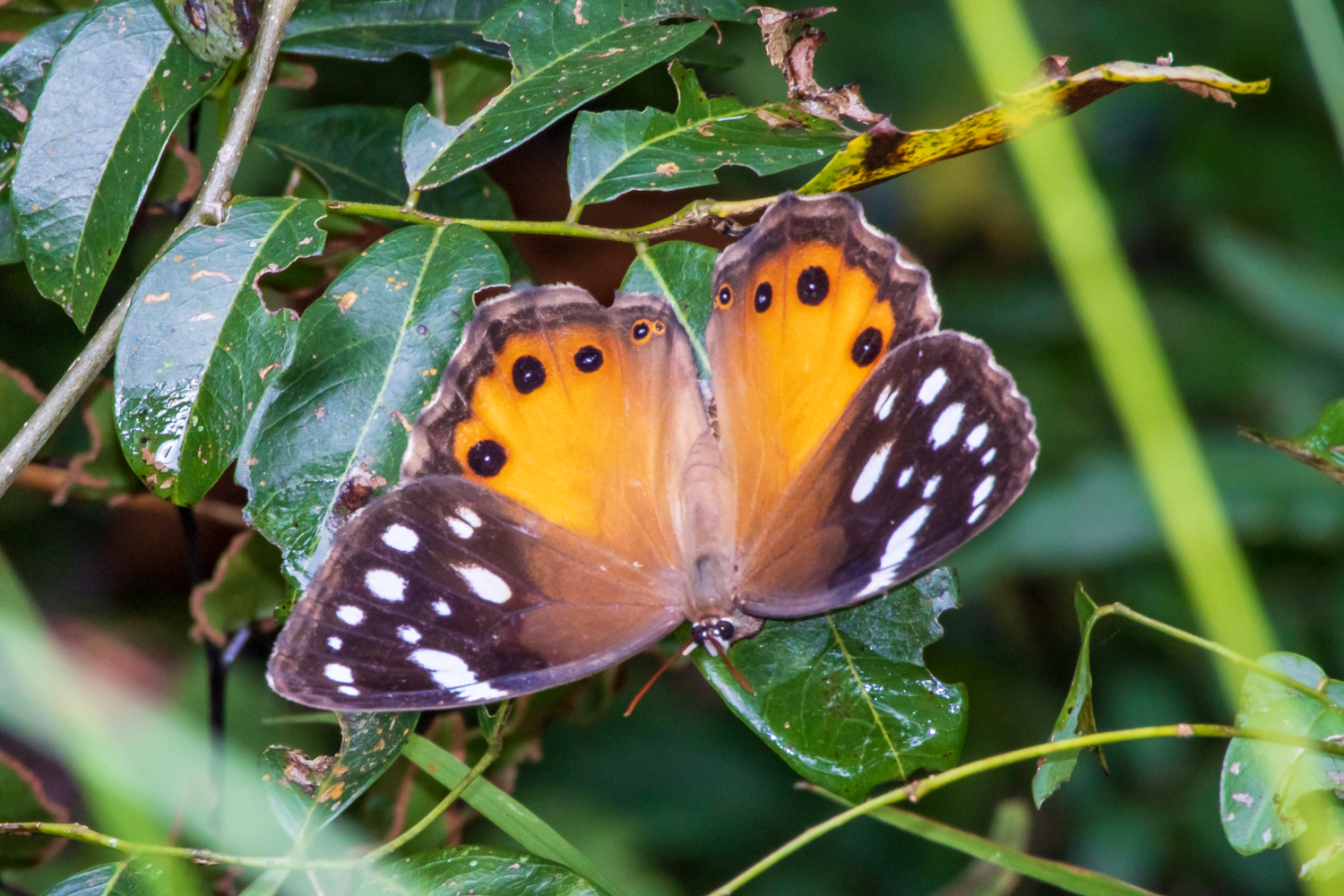
Lowland Bush Beauty ♀
Paralethe dendrophilus indosa
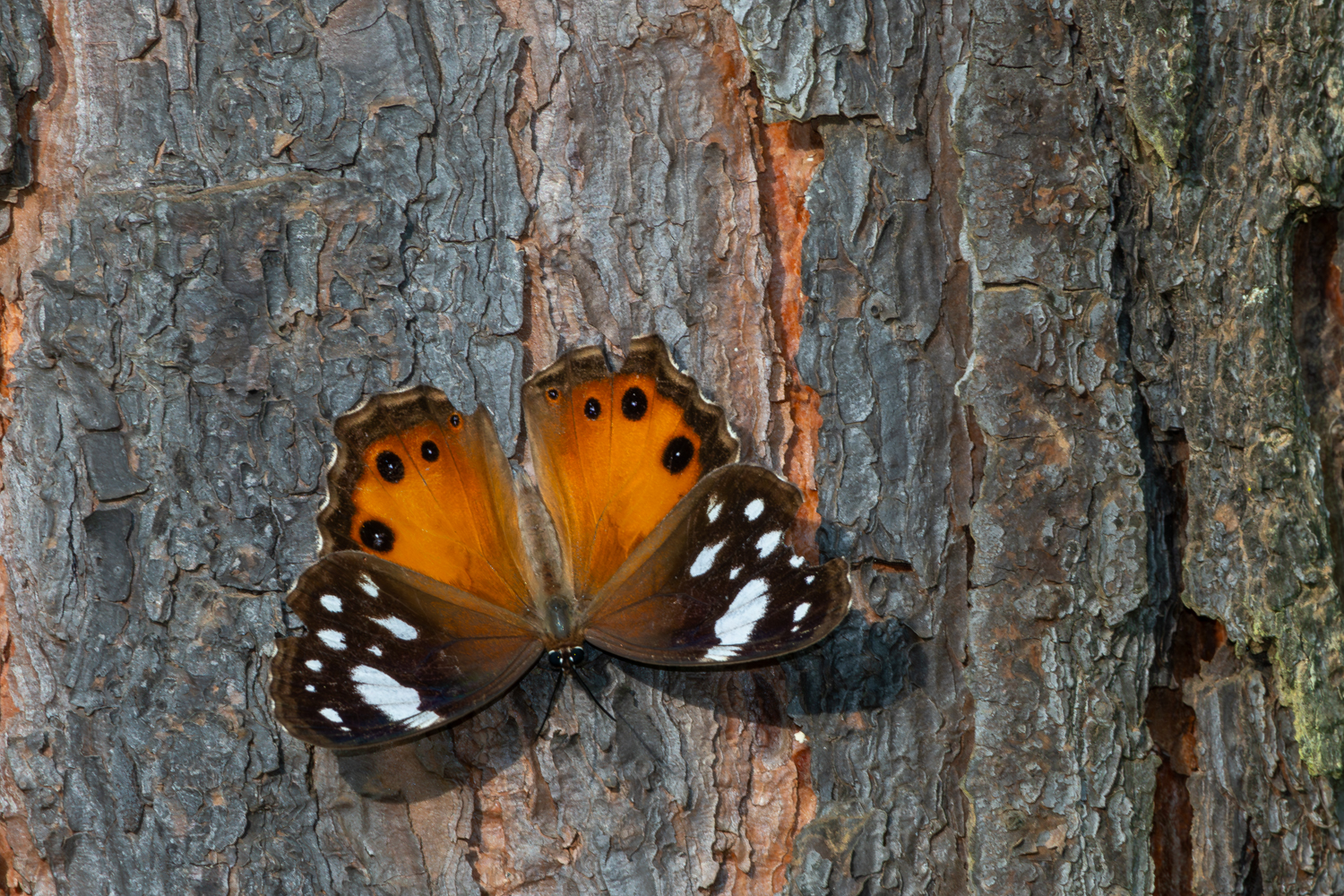
Transvaal Bush Beauty ♂
Paralethe dendrophilus junodi
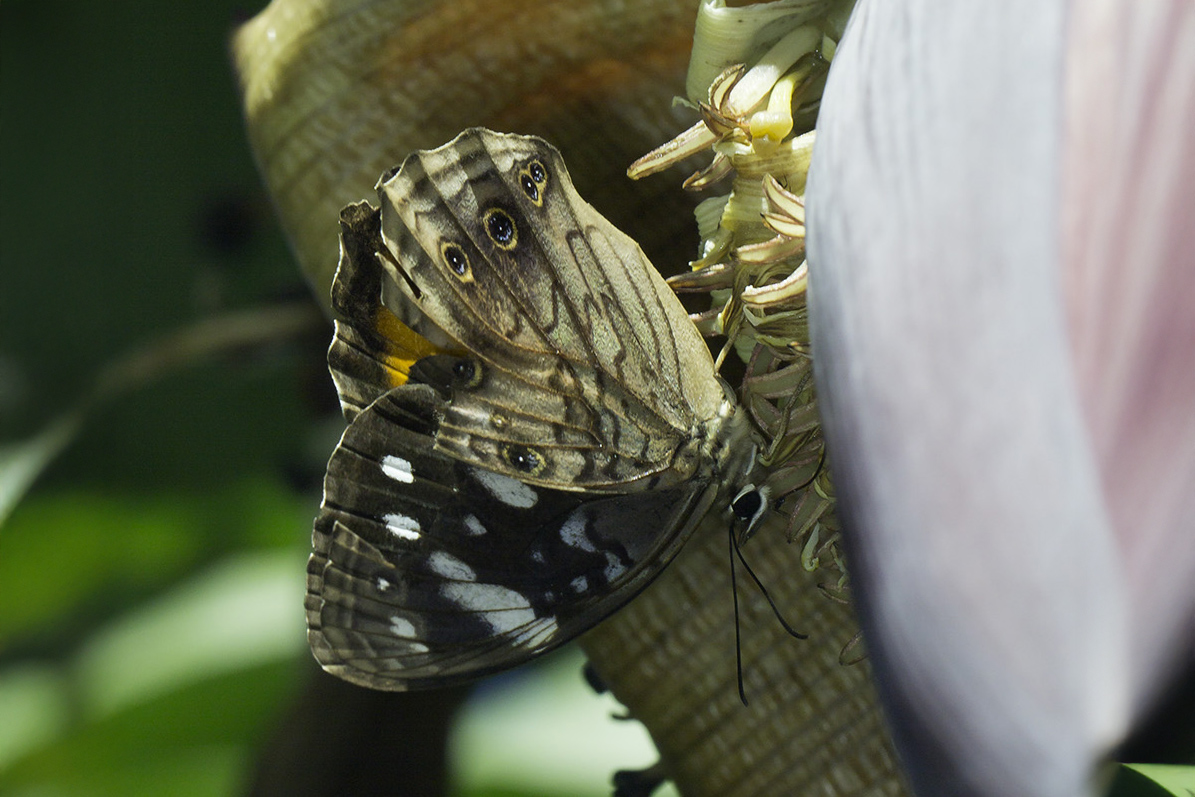
Lowland Bush Beauty ♂ on banana flower
Paralethe dendrophilus indosa
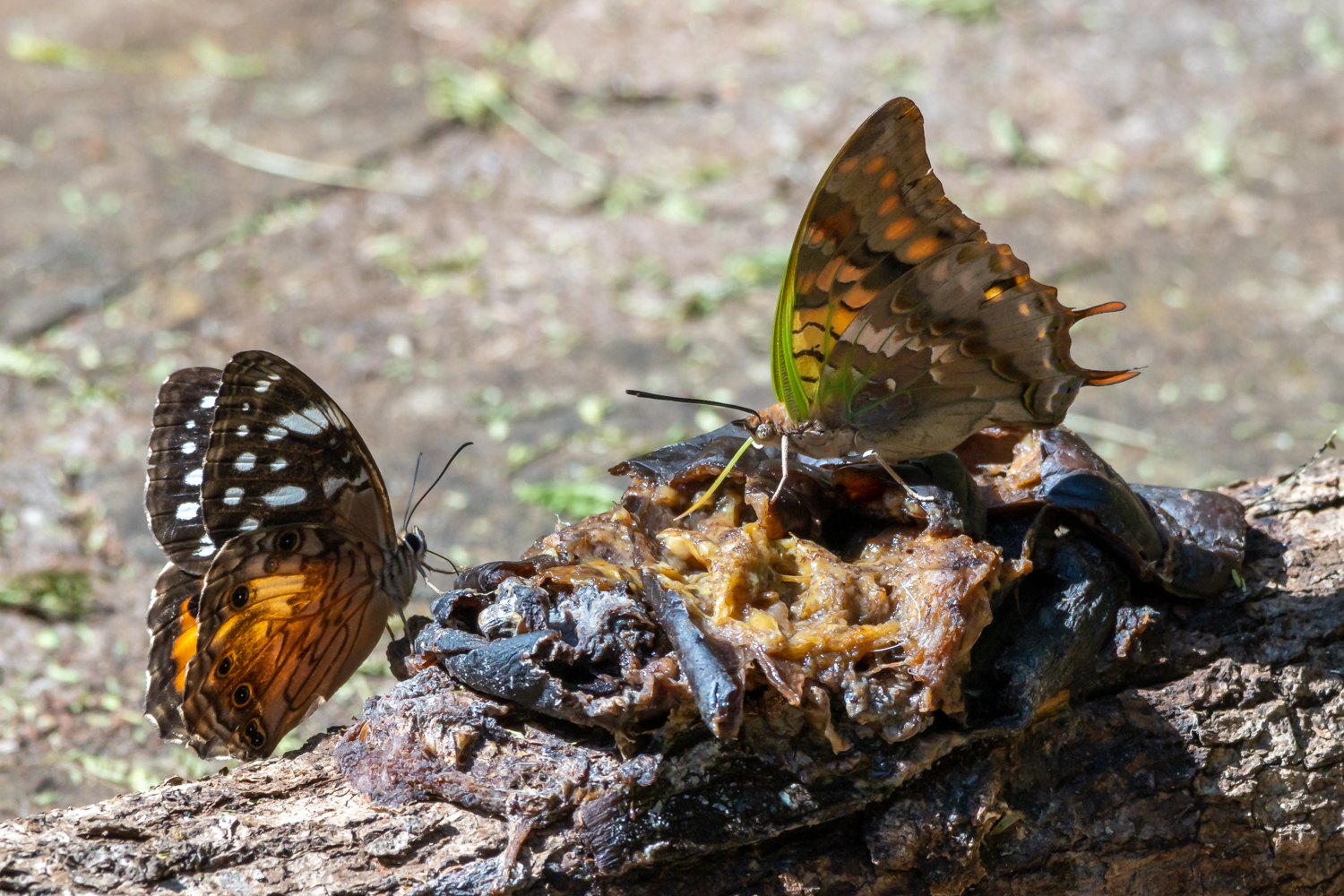
Lowland Bush Beauty sharing a banana with a Green-veined Charaxes
Paralethe dendrophilus indosa and Charaxes candiope
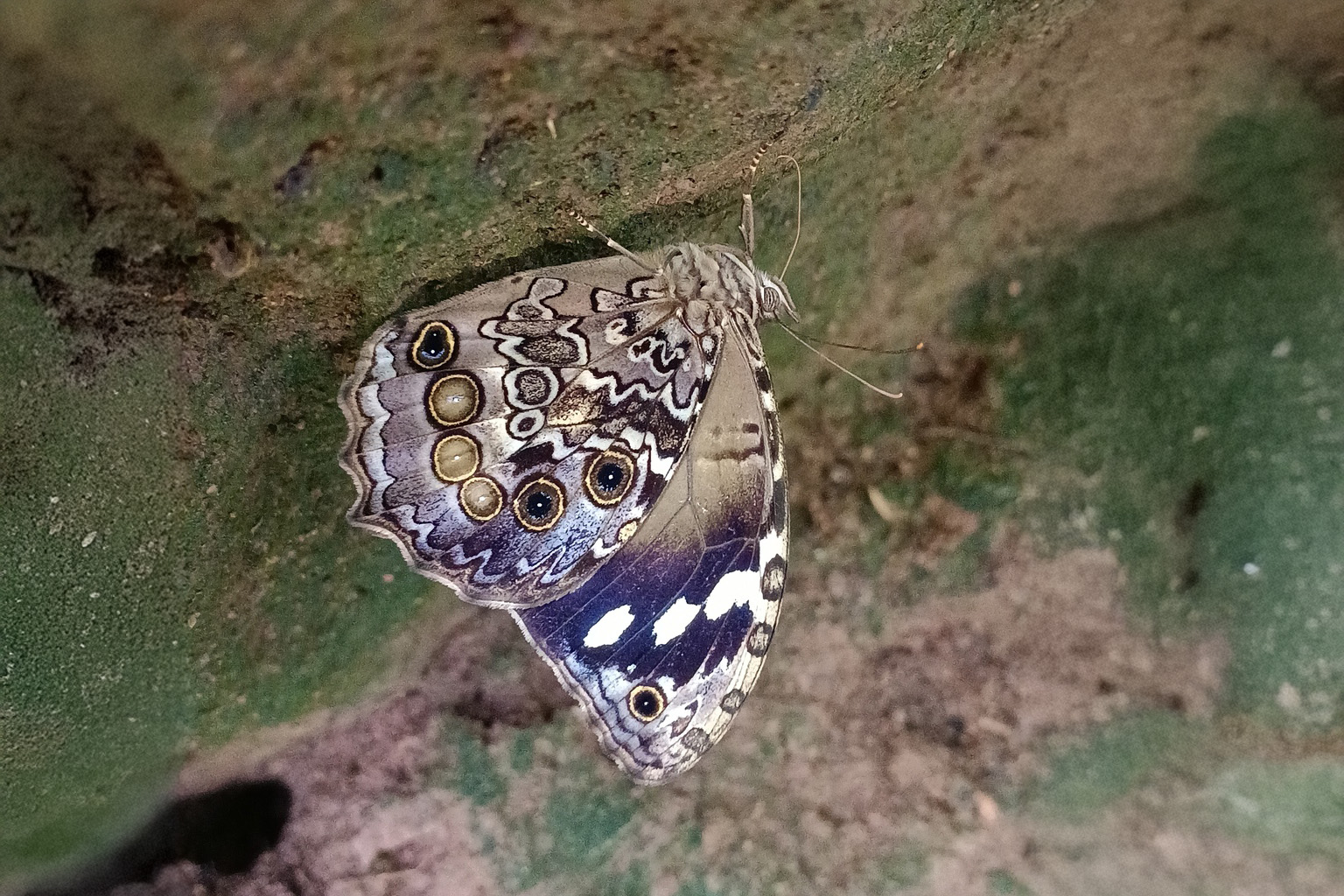
White-spotted Satyr
Manataria maculata © Zaira Martínez
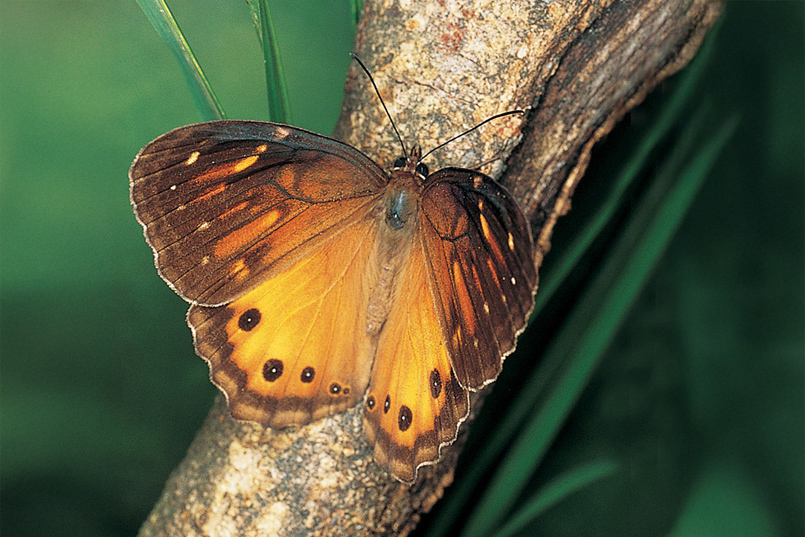
Bush Beauty
Paralethe dendrophilus dendrophilus
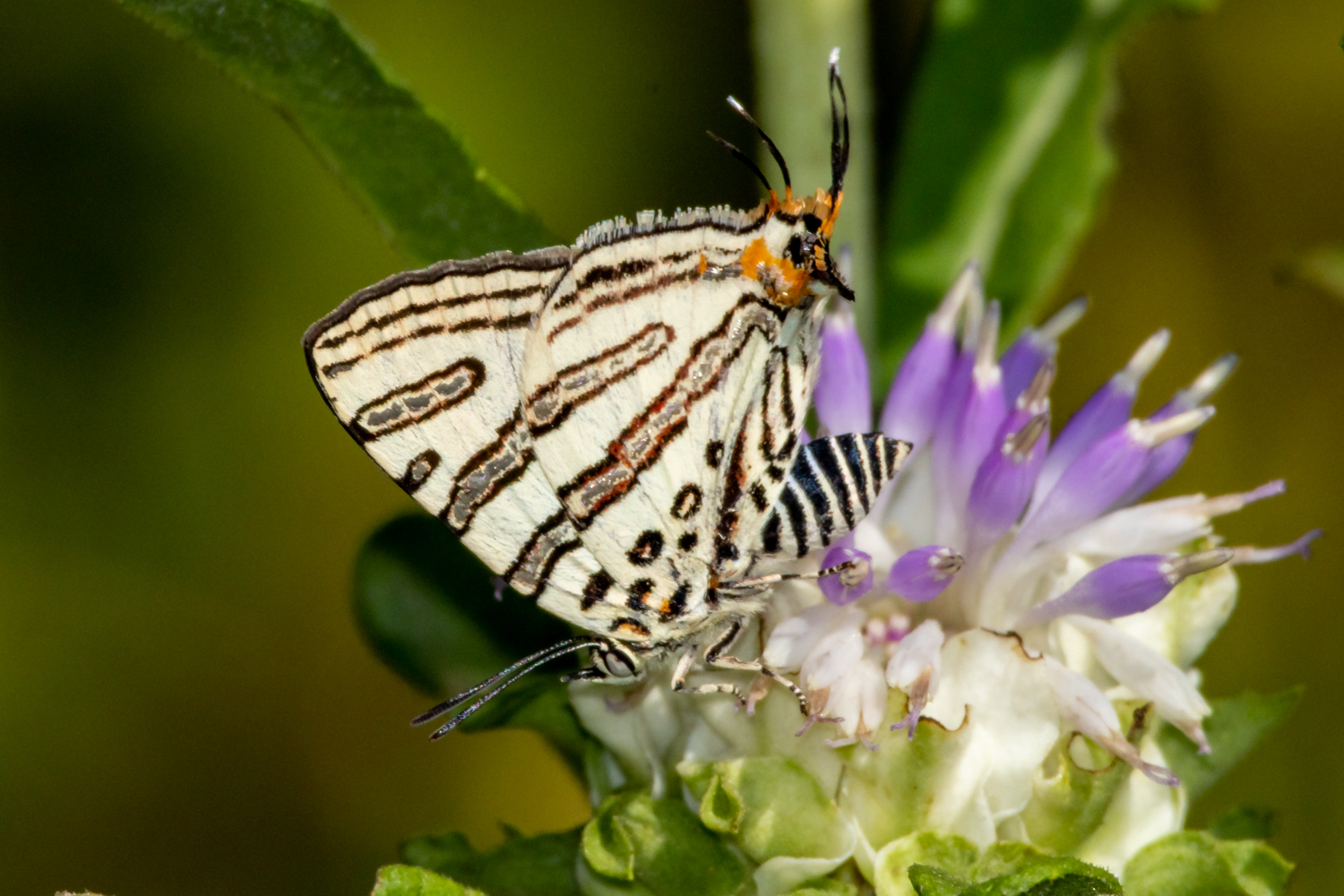
The Bush Beauty, Paralethe dendrophilus, is an ancient species with a lineage dating back an estimated 30–40 million years. At that time, southern Africa was predominantly forested, and grasses existed mostly in clearings, likely appearing quite different from today’s varieties. It is still a forest butterfly today. DNA phylogeny, as described by Price et al (Syst Entomol 36:300–316), suggests this relationship. Notably, their research revealed through DNA analysis that the Dirini’s closest relative is actually the American White-spotted Satyr, Manataria maculata, another forest species. Interestingly, the underside of this butterfly closely resembles that of Paralethe dendrophilus.
The Bush Beauty butterfly has four geographic subspecies found in Scarp and Afromontane forests from the Eastern Cape to the Wolkberg in Limpopo Province. These subspecies differ slightly: the southernmost, P. d. dendrophilus, has all-tawny forewing spots; some P. d. indosa individuals from KwaZulu-Natal show tawny-edged spots; and the largest, P. d. junodi from the Wolkberg, features large, pure-white spots.
Bush Beauties are unique to South Africa and only fly in autumn. They are quite shy, skulking butterflies. To see them you’ll need to walk forest paths and stalk them patiently if you flush one. They usually pose nicely for the camera so it’s worth the effort!

Natal Silverline ♀
Cigaritis natalensis on Baccharoides adoensis
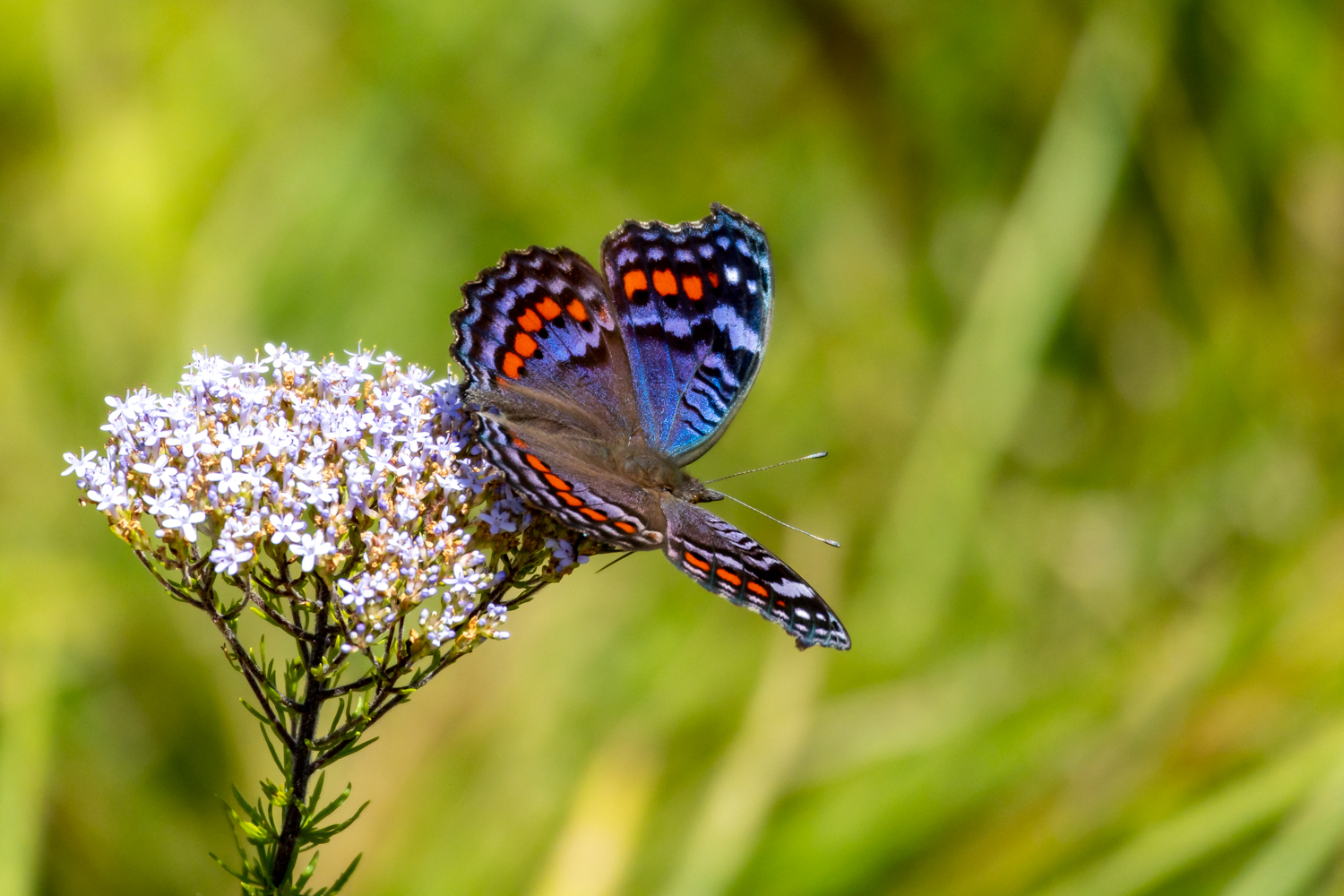
Gaudy Commodore autumn-winter form
Precis octavia sesamus on Natal Blue Haze
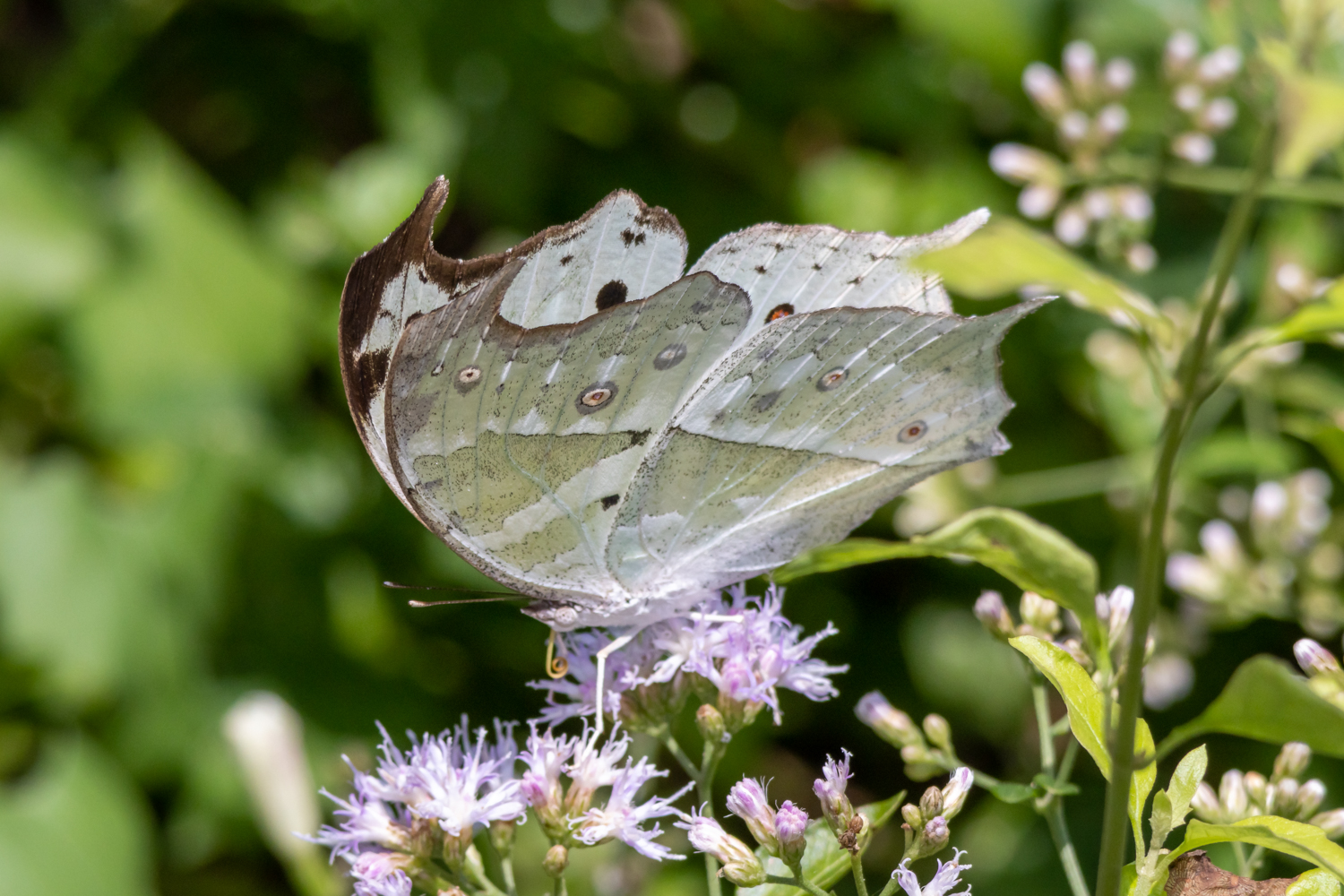
Common Mother-of-Pearl ♂
Protogoniomorpha parhassus on ccc
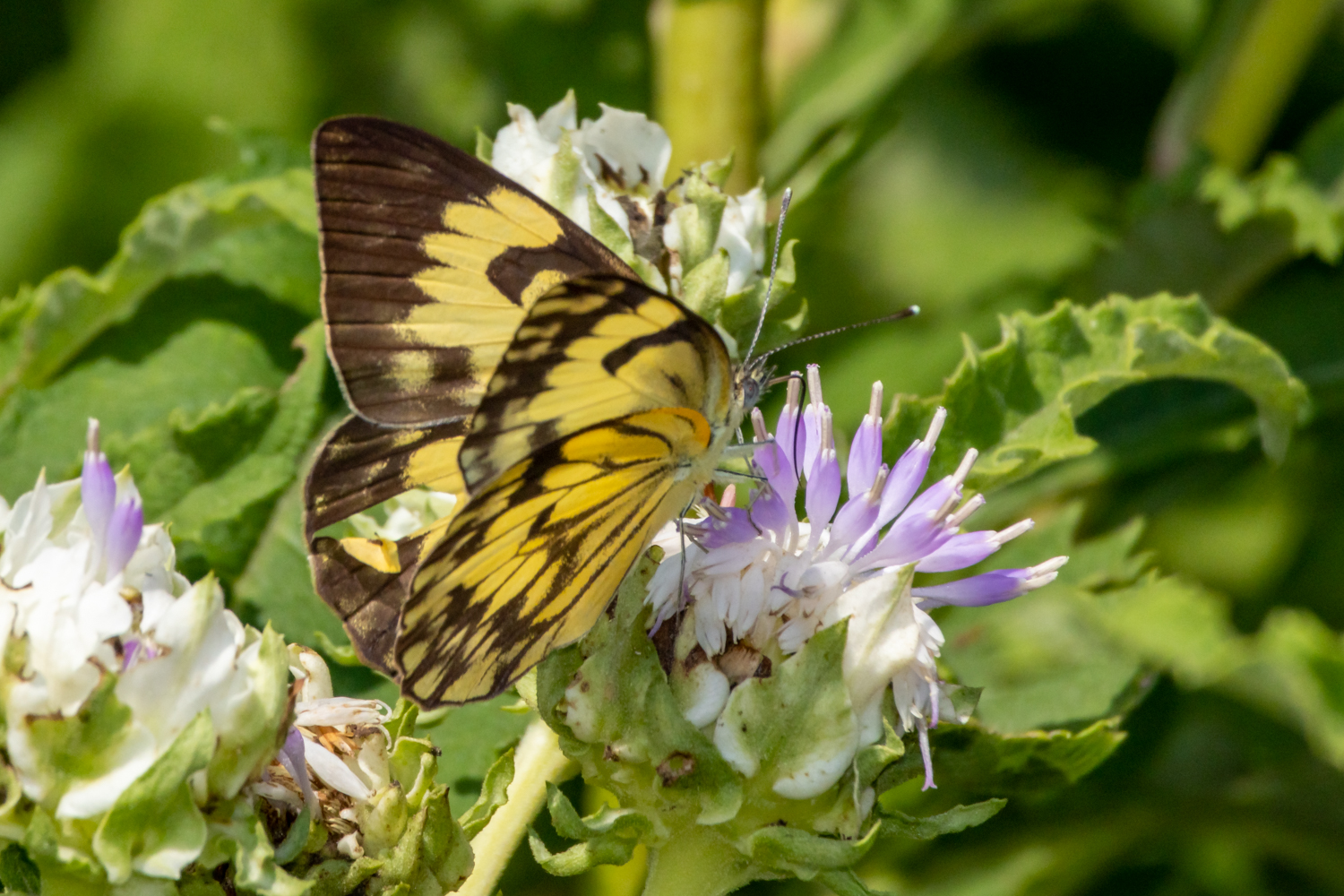
Pointed Caper White ♀
Pseudanaphaeis gidica abyssinica form doubledayi
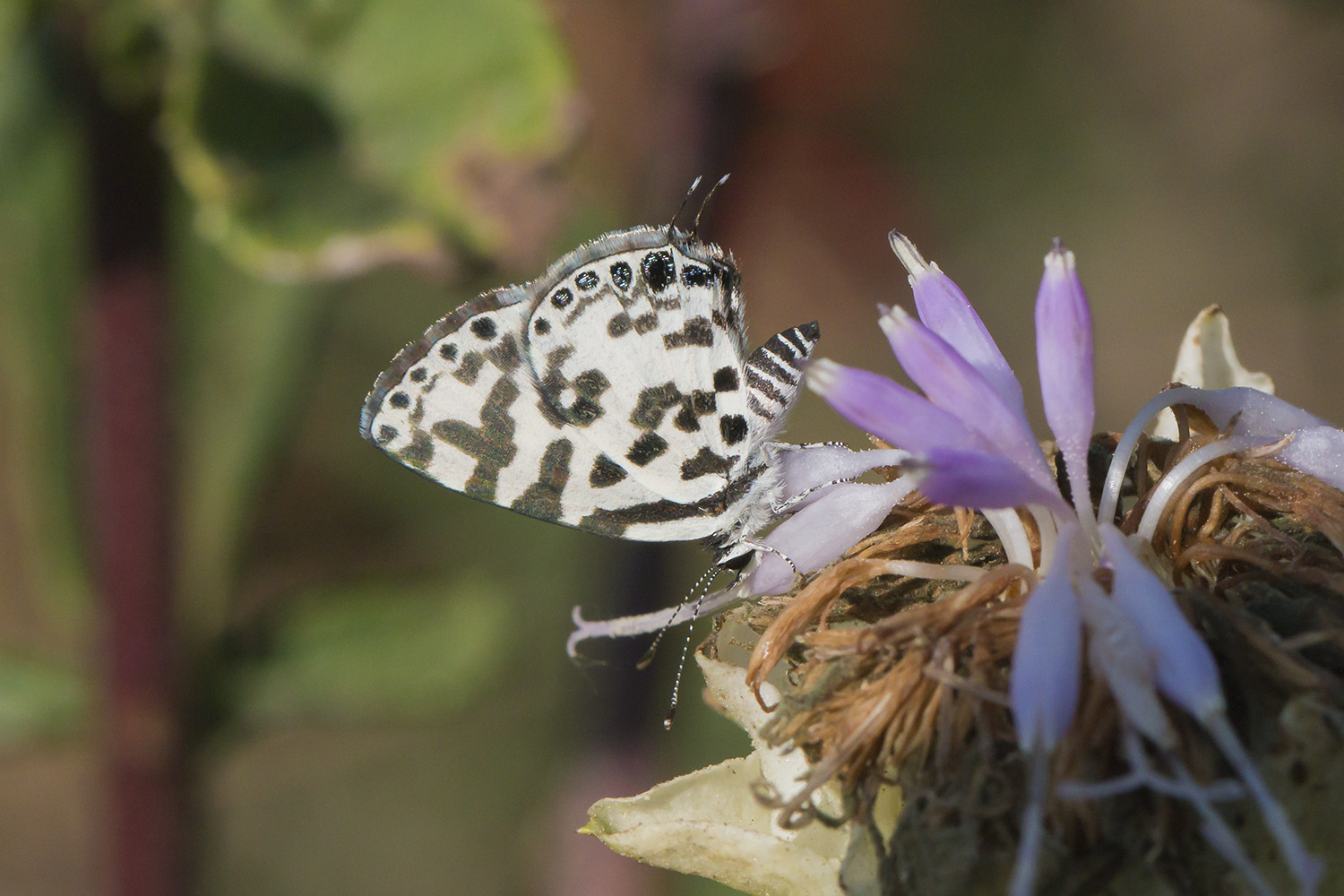
Black Pie ♂
Tuxentius melaena melaena
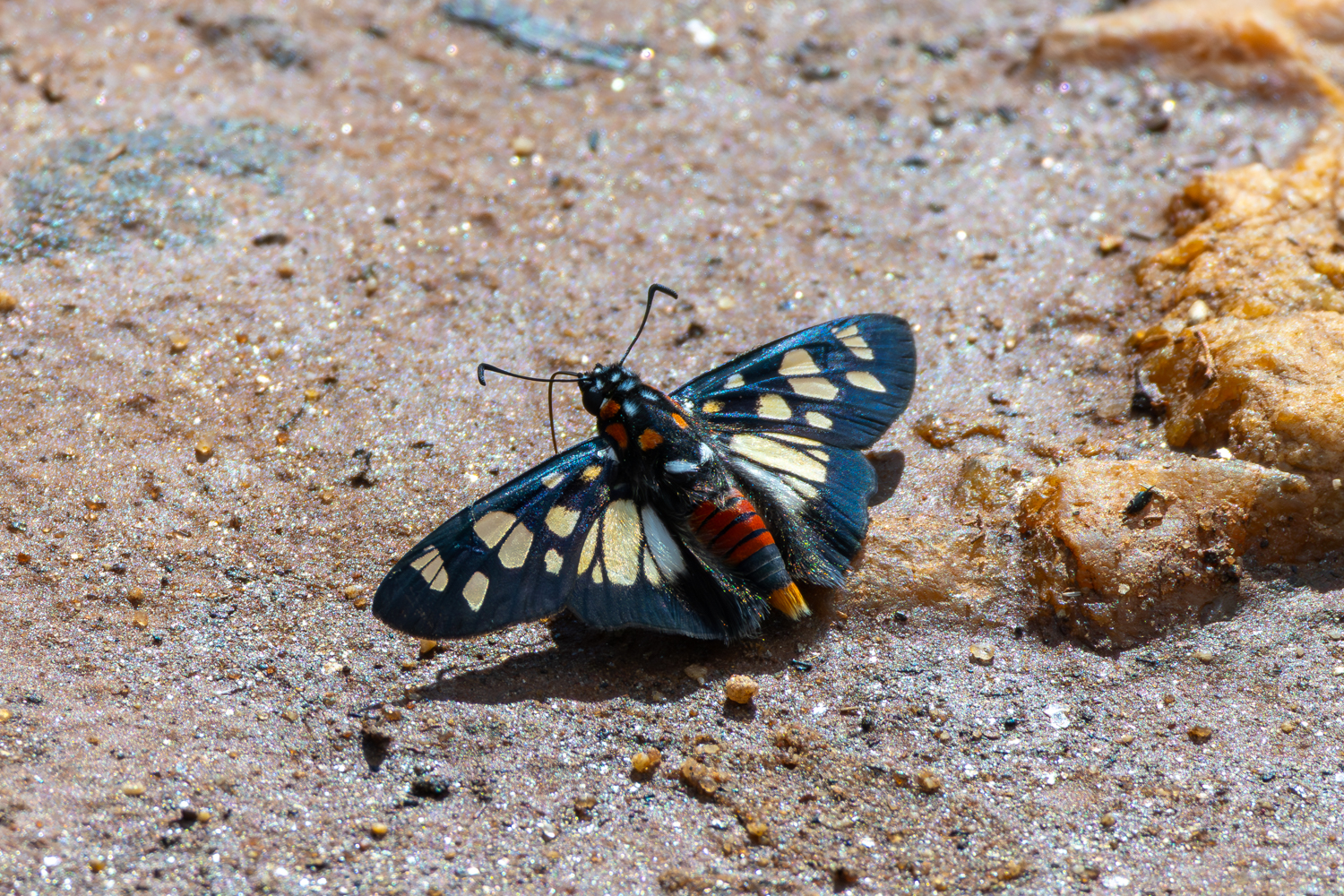
African Paradise Skipper ♂
Abantis paradisea

Satyr Charaxes ♂
Eriboea ethalion ethalion

Gold-banded Forester ♀
Euphaedra neophron neophron

Forest Queen ♂
Euxanthe wakefieldi
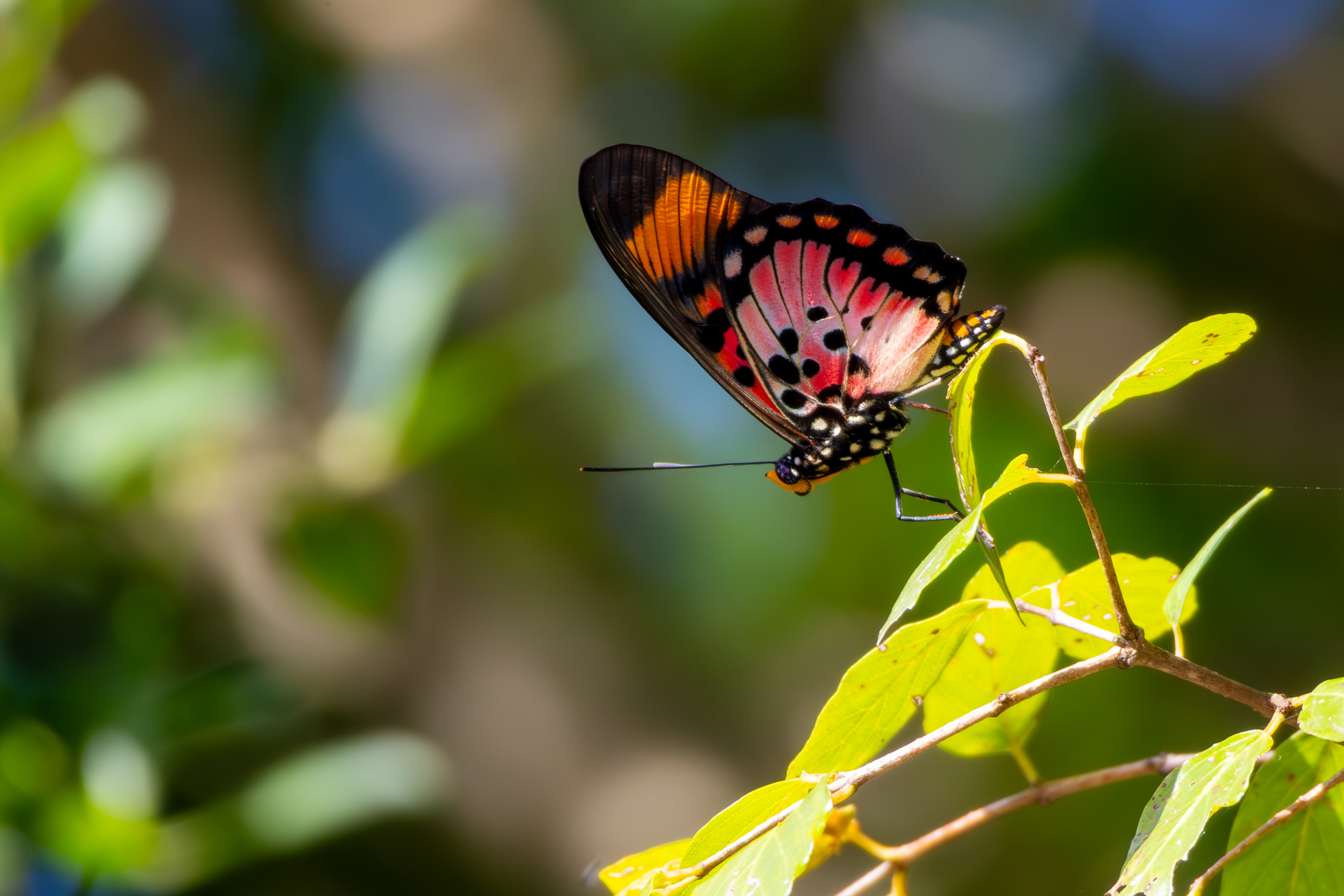
Boisduval's False Acraea ♂
Pseudacraea boisduvalii trimenii
Several butterfly-attracting flowers reach peak bloom during autumn. Shrub Vernonia, Baccharoides adoensis, has drawn species such as Natal Silverline, Cigaritis natalensis, a yellow variant of Pointed Caper White, Pseudanaphaeis gidica abyssinica form doubledayi in KwaZulu-Natal, and Black Pie, Tuxentius melaena melaena, at Lekgalameetse in Limpopo. Common Mother-of-Pearl butterflies Protogoniomorpha parhassus utilize Trailing Bitter-tea, Distephanus angulifolius, in Durban gardens. The spectacular autumn flower, Natal Blue Haze, Tetraselago natalensis, has attracted one of our flagship butterflies, a winter form Southern Gaudy Commodore, Precis octavia sesamus form sesamus. Mud and wet sand also serve as attractive sites in autumn; African Paradise Skipper, Abantis paradisea, was observed near a stream at Lekgalameetse in March.
The canopy-dwelling Charaxes butterflies are notably active during autumn. Observation points such as the clifftops above Giba Gorge have provided opportunities to photograph Satyr Charaxes, Eriboea ethalion ethalion, perching alertly and watching out for rivals for his territory.
In Zululand, locations like Manguzi Forest offer the chance to encounter Gold-banded Forester, Euphaedra neophron neophron, which is most visible in autumn but may be found throughout the year. Harold Johnson Nature Reserve, situated on the south bank of the Tugela River, is another valuable site, where Forest Queen, Euxanthe wakefieldi, and Boisduval’s False Acraea, Pseudacraea boisduvalii trimenii, were found during an April excursion from Durban.
Autumn represents an optimal period to visit South Africa for butterfly observation, offering both visually striking specimens and those of scientific interest.