

The Lepidoptera Log - by Steve Woodhall
The 'Blue Haze Season' in the hills of KwaZulu-Natal
A true 'butterfly magnet' in the middle of glorious scenery
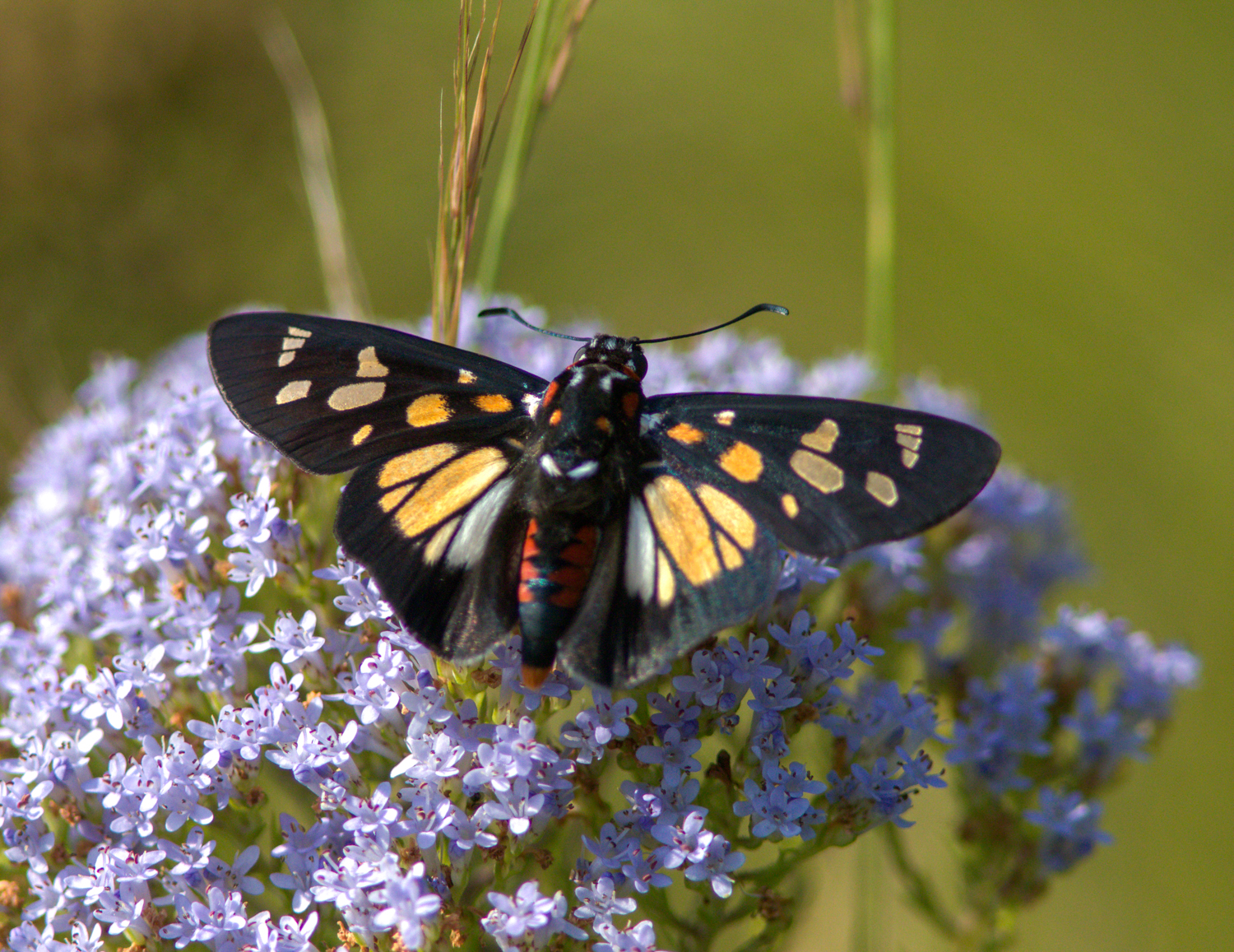
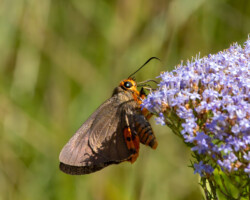
Between late January and early May (the peak varies with changing rainfall) something magical happens in the hills west of Durban in South Africa. The escarpment carries a rare, endangered type of grassland – KwaZulu-Natal Sandstone Sourveld. It’s home to the Natal Blue Haze, Tetraselago natalensis, whose tightly packed umbels of tiny blue flowers are irresistible to butterflies and day-flying moths. In late summer and autumn the hills are covered in these flowers. That’s also the peak time for butterflies around Durban. The feast of nectar the Blue Haze provides is well timed.
What makes the area special is that the grassland on top of the escarpment spurs intermingles with the scarp forests in the gorges between them. Result – there’s a mix of grassland and forest butterflies found there. That means visitors can see a mix of Africa’s widespread beauties and some of the rarer forest species that come out of the canopy to tank up on nectar.
When people think of Durban, South Africa, it’s usually the golden beaches and warm Indian Ocean that come to mind. But inland from the coast lies a lesser-known natural wonderland that bursts into life in late summer—a place where wildflowers and butterflies collide in spectacular harmony.
This magical transformation takes place in the rare grasslands and scarp forests sitting 400 to 800 metres above sea level. These habitats form part of the endangered KwaZulu-Natal Sandstone Sourveld, and they hold a secret that blooms from January through April: Tetraselago natalensis, more commonly known as Natal Blue Haze.
A Plant with Butterfly Power
Tetraselago natalensis, or Usikisiki in Zulu, is a beautiful, blue-flowering perennial sub-shrub from the Scrophulariaceae family. Its native range includes KwaZulu-Natal, Mpumalanga, and Eswatini, and it thrives in nutrient-poor, leached soils.
Come late February and early March, these grasslands—like those protected at the Nkonka Trust and along the Mpiti Trail in Krantzkloof Nature Reserve—become a sea of soft blue, buzzing with butterflies.
Why? Because Natal Blue Haze is a magnet for butterflies.
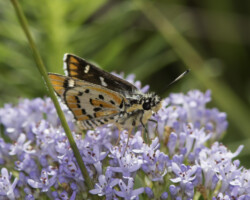
Its shallow, nectar-rich florets make it irresistible to a wide range of butterfly species, turning these grassy hilltops into a living kaleidoscope.
The Butterflies of Blue Haze Season
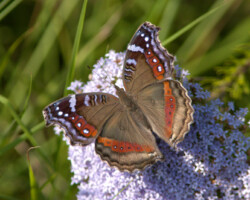
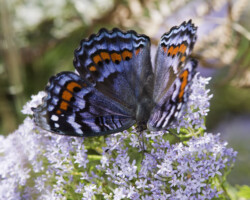
Among the many butterflies drawn to Natal Blue Haze, several members of the Nymphalidae family make a vivid appearance. You might spot an African Blue Pansy, Junonia orithya madagascariensis, flitting among the flowers—or the ever-dramatic Pirate, Catacroptera cloanthe, whose bold colouring looks right at home against the blue blooms. Late summer is also the prime time to see the stunning Gaudy Commodore, Precis octavia form sesamus, in its radiant blue form, perfectly matching the surrounding flora.
Meet the Acraeas
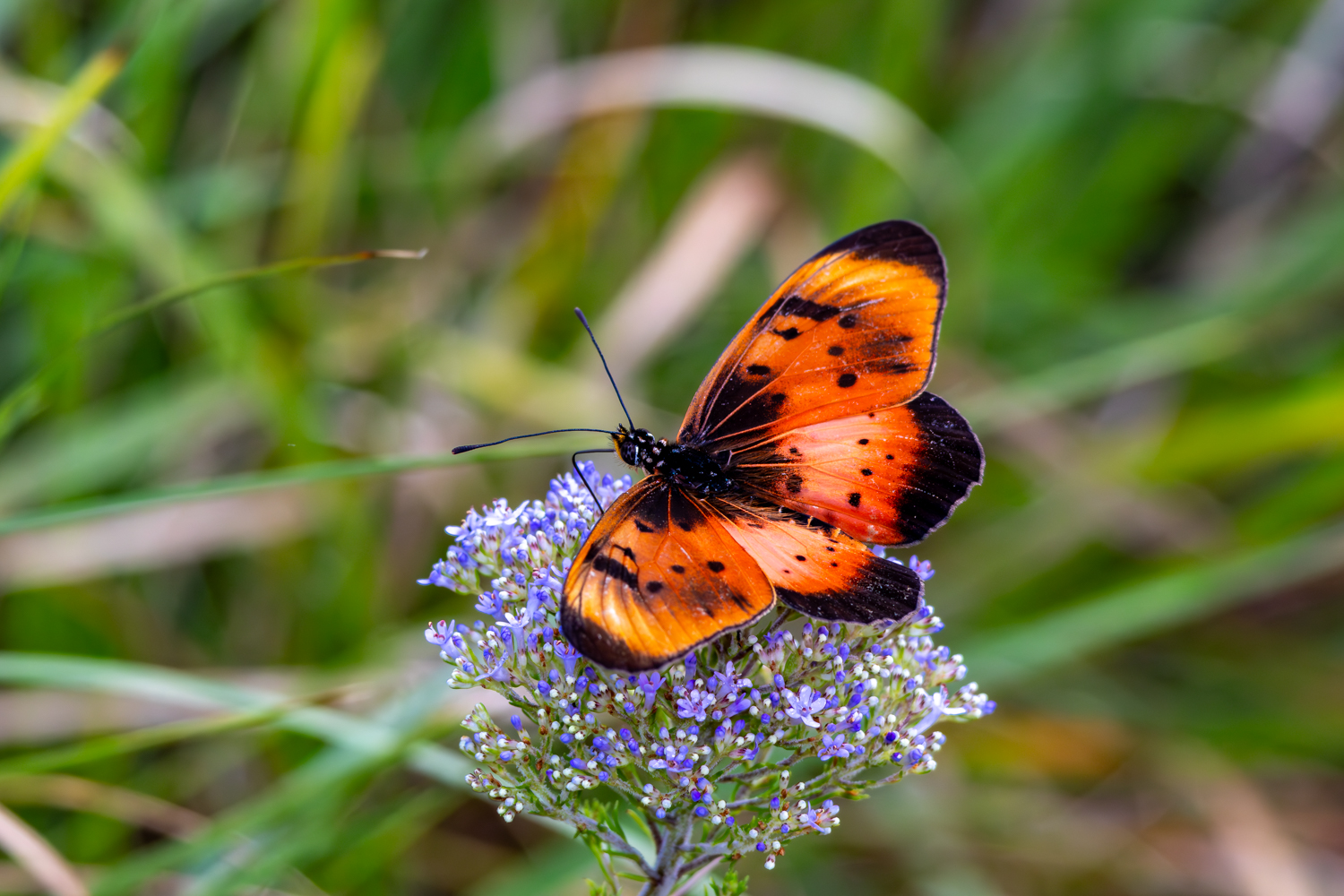
From the Heliconiinae subfamily, several Acraeas add to the show. One of the most sought-after is the male Blood-red Acraea, Rubraea petraea—a breathtaking sight with its wings spread open in the sunlight. Other frequent visitors include the elegant Black-based Acraea, Stephenia natalica, which seems just as taken with the blooms.
Gossamer Wings and Sapphire Flashes
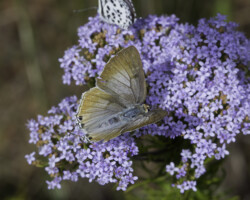
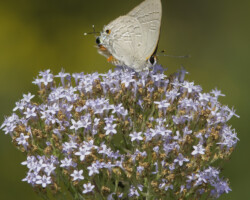
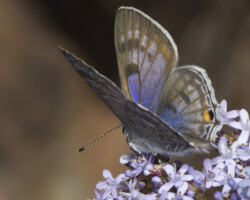
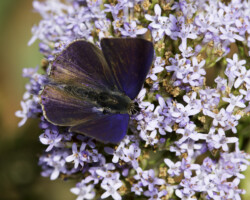
Lycaenid butterflies bring their own brilliance to Blue Haze Season. The Mozambique Silverline, Cigaritis mozambica, is a frequent sight, along with the striking Southern Sapphire, Iolaus silas (here, a female), shimmering among the blooms.
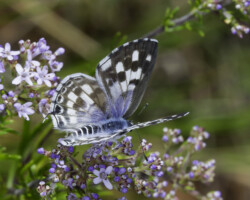
They’re often joined by other small flutterers like the Black-striped Ciliate Blue, Anthene amarah, and even non-butterfly visitors such as the Common Dotted Fruit Chafer, Oxythyrea marginalis.
Whites, Yellows, and the Occasional Swallowtail
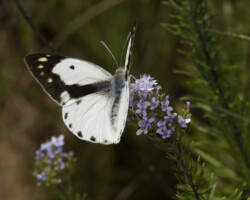
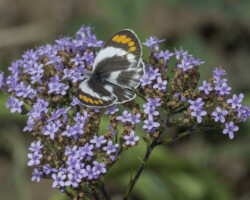
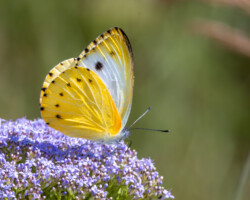
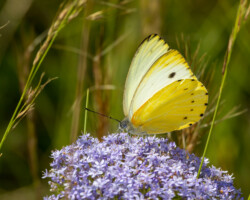
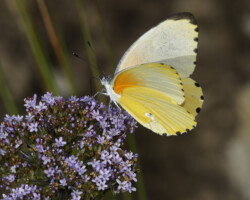
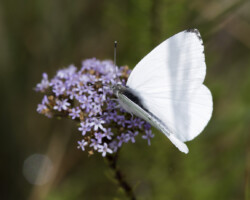
From the Pieridae family, a splash of white and yellow adds further colour to the scene. Look for the Twin Dotted Border, Mylothris rüppellii haemus, and the Small Ant-heap White, Dixeia pigea form lutea, as they float gracefully through the haze.
Even members of the Swallowtail family, known for favouring deep-flowered nectar sources, can’t resist the draw. We’ve even spotted a female Citrus Swallowtail, Papilio demodocus, boldly climbing into a Natal Blue Haze flowerhead—proof that its appeal knows few limits.
What to watch out for in Blue Haze Season
















PLAN YOUR TRIP!
If this glimpse into Blue Haze Season has sparked your curiosity, we highly recommend seeing it in person. The late summer months (especially February to March) are perfect for exploring the Outer West of Durban, where butterflies and blooms take centre stage. From budget self-catering options to luxurious lodges, there’s something for every traveller—and we’re just a short drive from King Shaka International Airport.
Want a guided butterfly walk with expert commentary from Steve Woodhall himself?