Skip to content

Biodiversity Monitoring - with Steve Woodhall

Zambia Sugar Biodiversity

First visit, 17-26 May 2026

For some time, I’ve been monitoring butterflies at my local iPhithi Nature Reserve using the eBMS ‘Pollard Walk’ methodology. With LepSoc Africa, I’ve also been exploring ways to make this work more formal. Richard McKibbin of The LionHeart Experience, one of the early adopters of eBMS in South Africa, and I have done several Pollard Walks together. So when he contacted me about something different — and rather more ambitious — I was intrigued.

Richard was preparing a proposal for a biodiversity assessment at Zambia Sugar’s Mazabuka operation in southern Zambia: a 14,000-hectare sugar farm on the south bank of the vast Kafue River. Was I interested in covering the butterflies? Silly question…

Not quite sure what to expect, I caught the 06:35 flight from Durban to Joburg, then connected to Lusaka before a nearly four-hour drive to Mazabuka in a Toyota Quantum. Travelling with Richard and me were bird and mammal ecologists Justin Rhys Nicolau and Craig Widdows.

This isn’t intended as a detailed report on the visit. Instead, I’ll share some of the butterflies, other creatures, and striking scenery we encountered along the way.

Richard and the team did a lot of prep work using the excellent Google Earth to fly a helicopter over the place. We chose three categories of counting site – Agriculture, Natural Bush, and Corridors. The original plan was to set up Pollard Walks on examples of each, and walk them repeatedly on each visit. We changed that to an array of 15-minute timed count sites over a larger area, to yield more data points and have better statistical comparability.

Day one (Sunday 17 May):

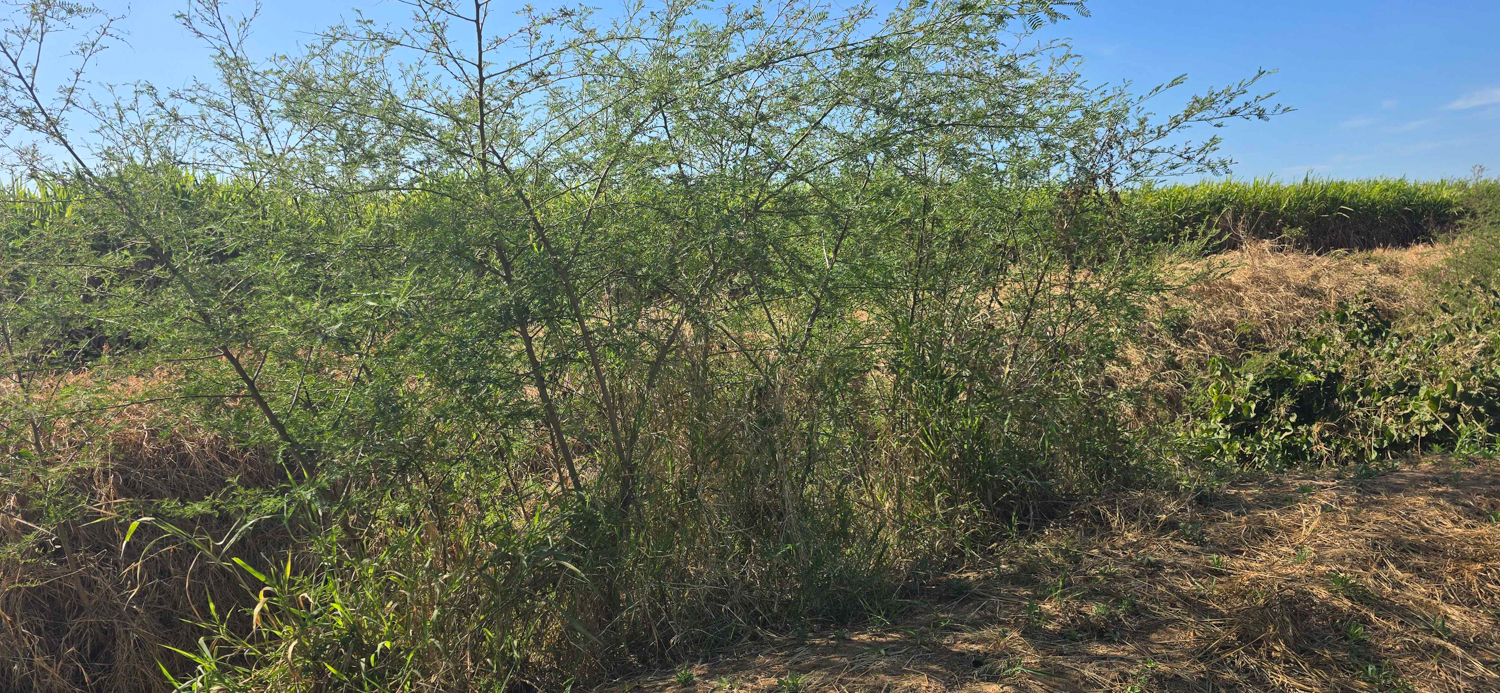
We stayed in comfortable rooms at Nanga Farm and were up early the next day to start counting. First up was a ‘Corridor’ site with a strip of woodland separating a road from a field of cane.

What we found at the first 'Corridor' site

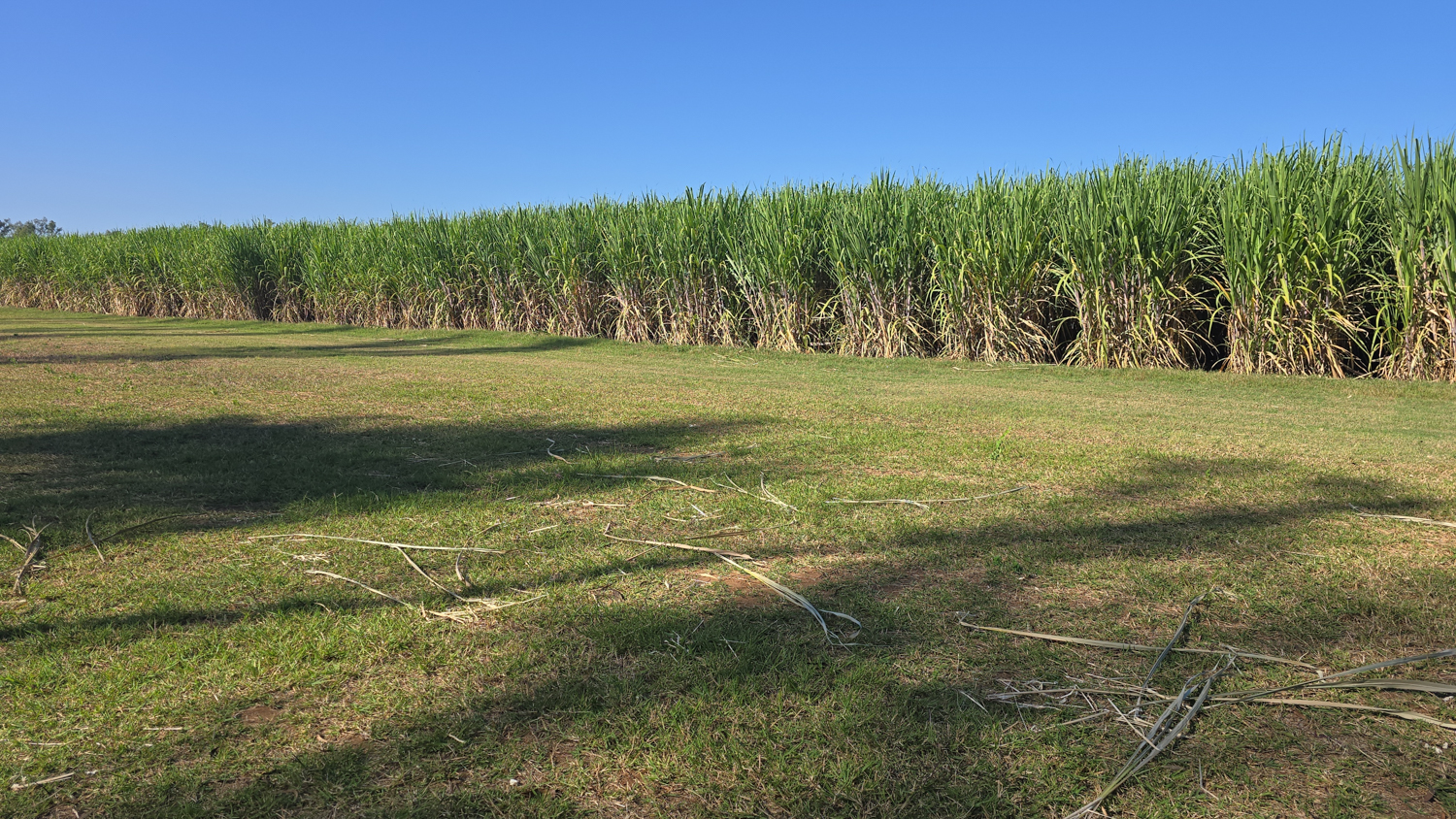
Serried ranks of neat sugarcane and a neat mown strip
On the other side...

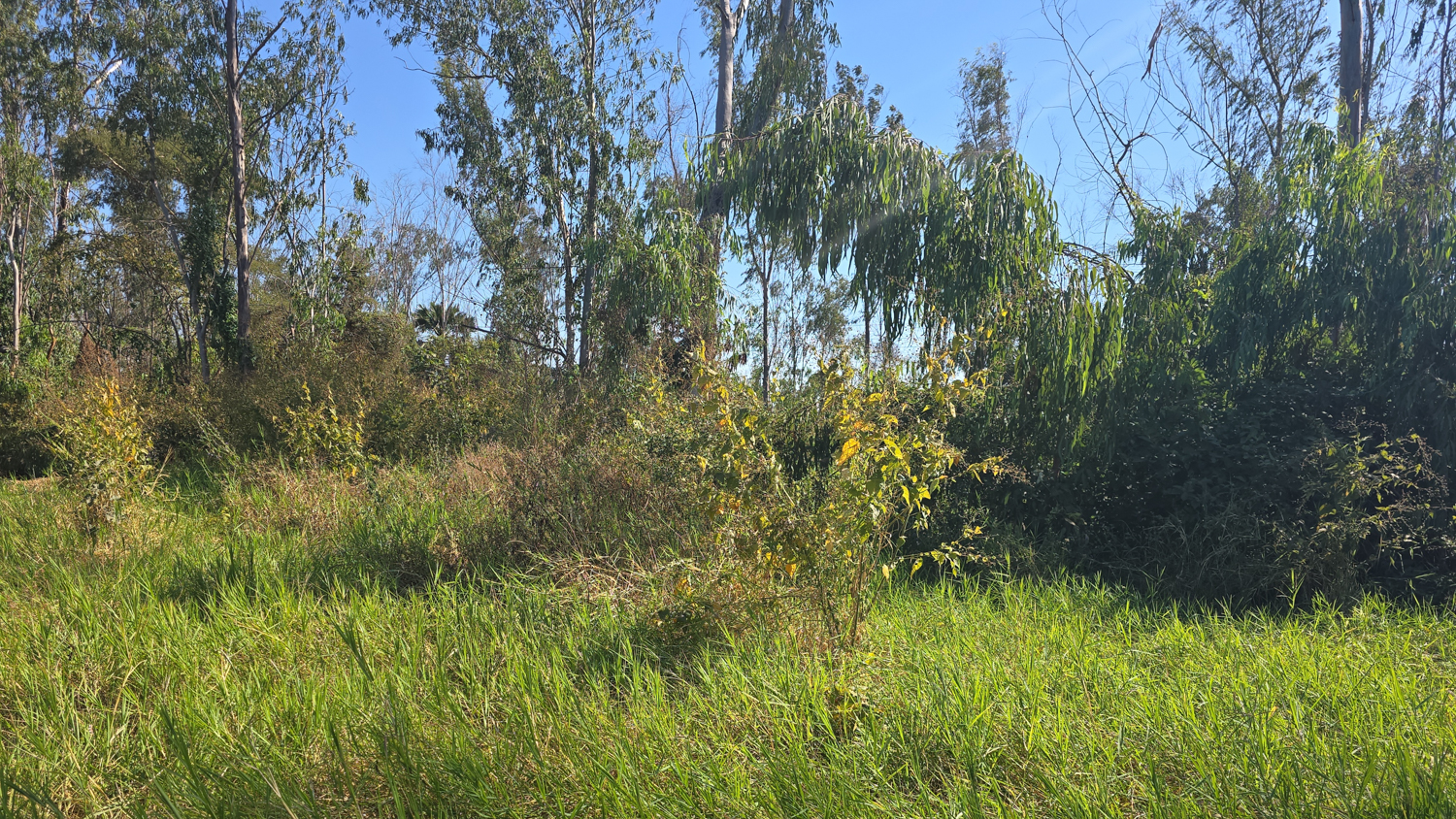
A gum plantatiion with lots of alien plants
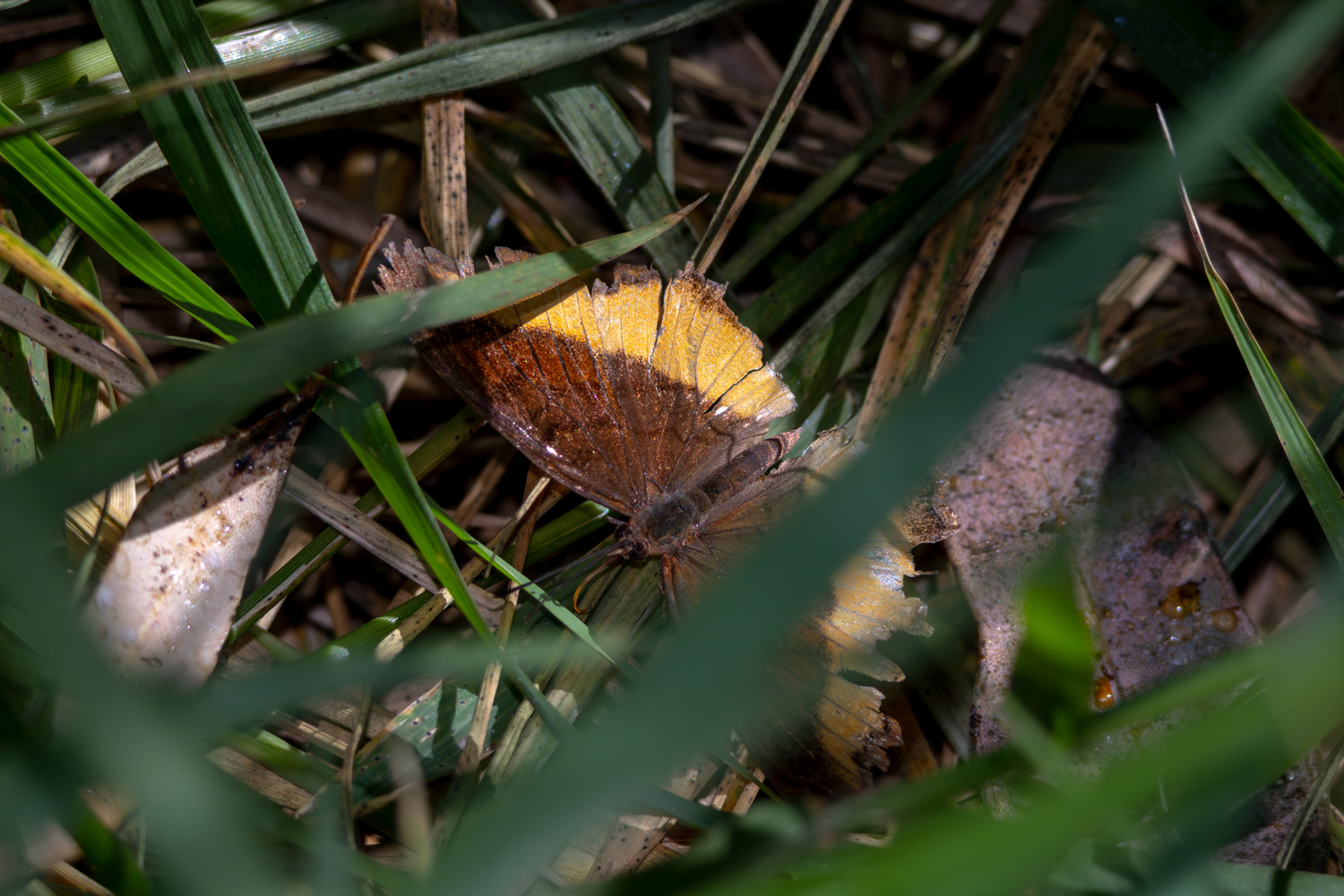
But believe it or not there were some butterflies there!

Golden Piper

Eurytela dryope angulata
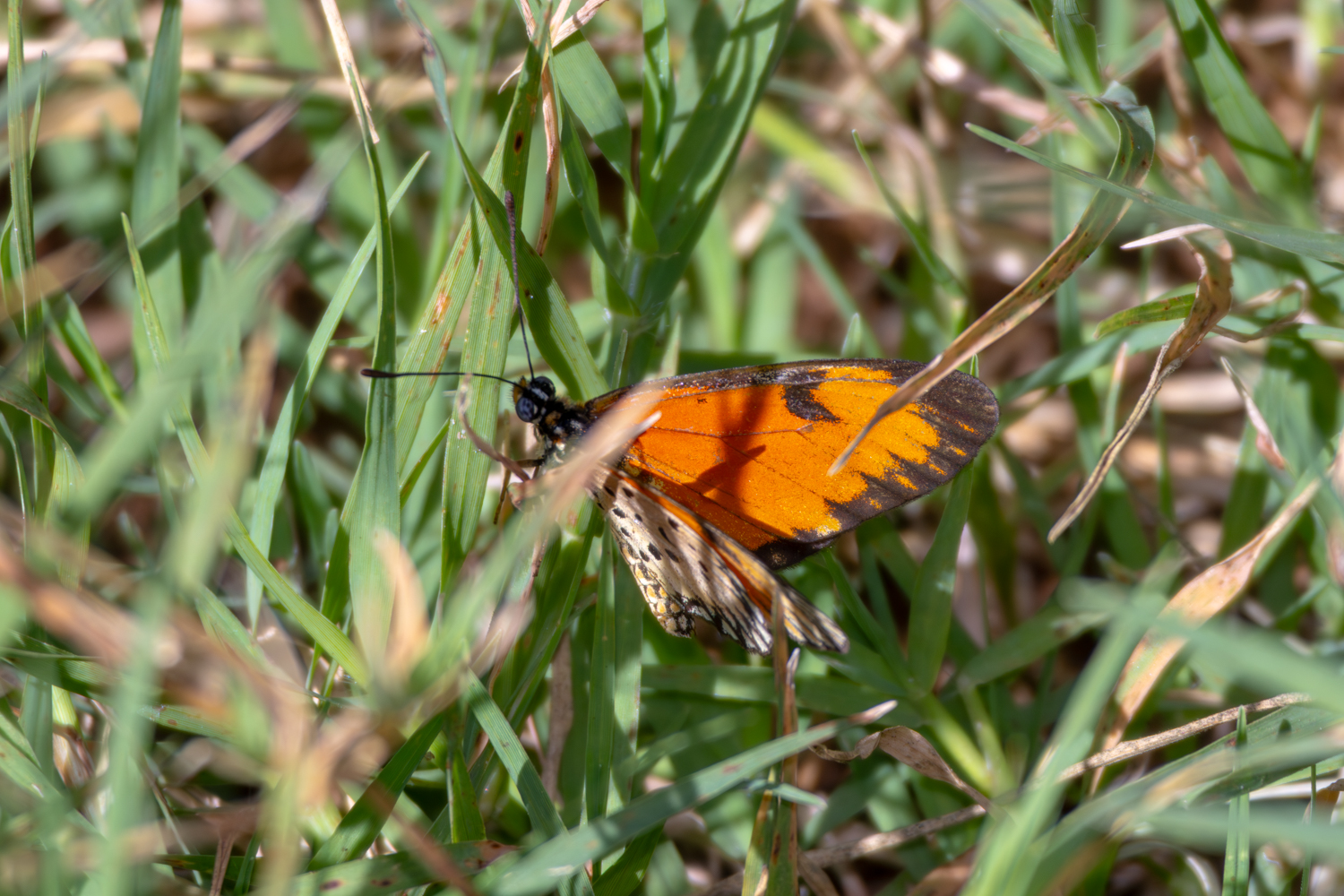
Dancing Telchinia ♂

Telchinia serena
Golden Pipers Eurytela dryope angulata proved to be abundant since their host plant Castor Oil Bean Ricinus communis was growing on a lot of the waste ground. And flying almost everywhere (even in the sugarcane) there were hundreds of Dancing Telchinias, Telchinia serena. This butterfly was undergoing one of its periodic mass emergences in South Africa, and it appeared that the same thing was happening in Zambia! It turned out to be the most numerous butterfly we counted – nearly 200 across all the sites. There must have been many thousands on the wing in total.

Dry woodland

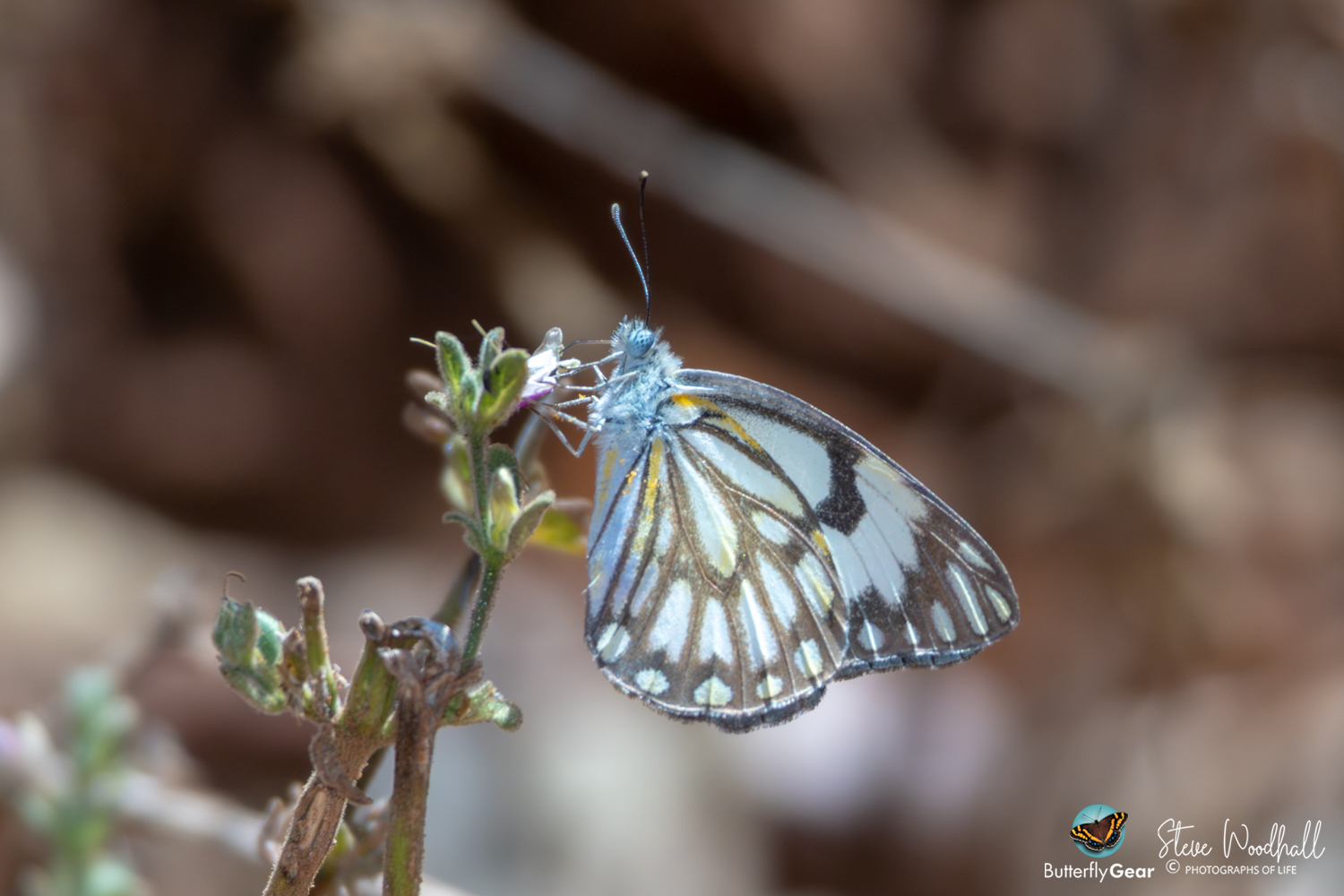
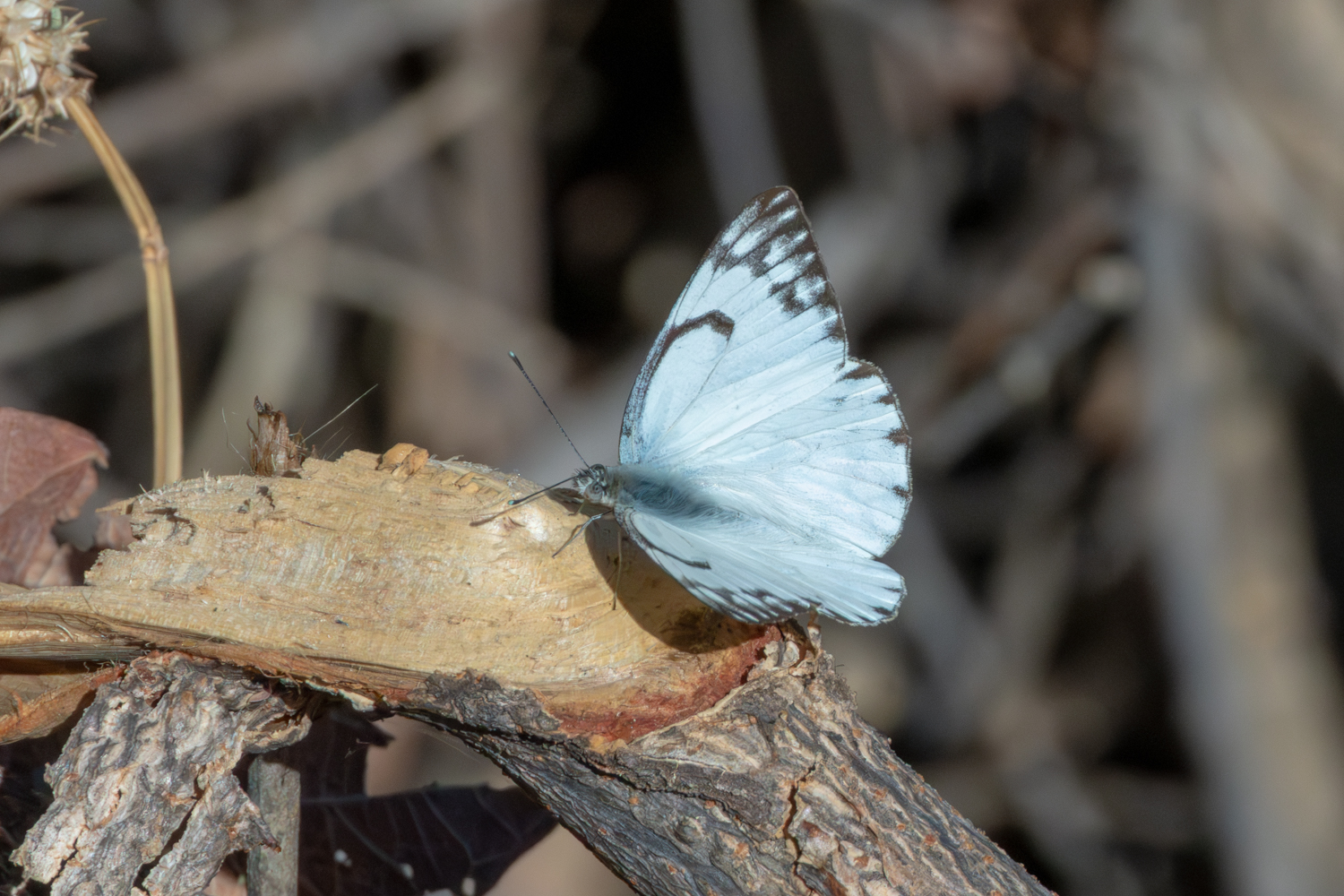
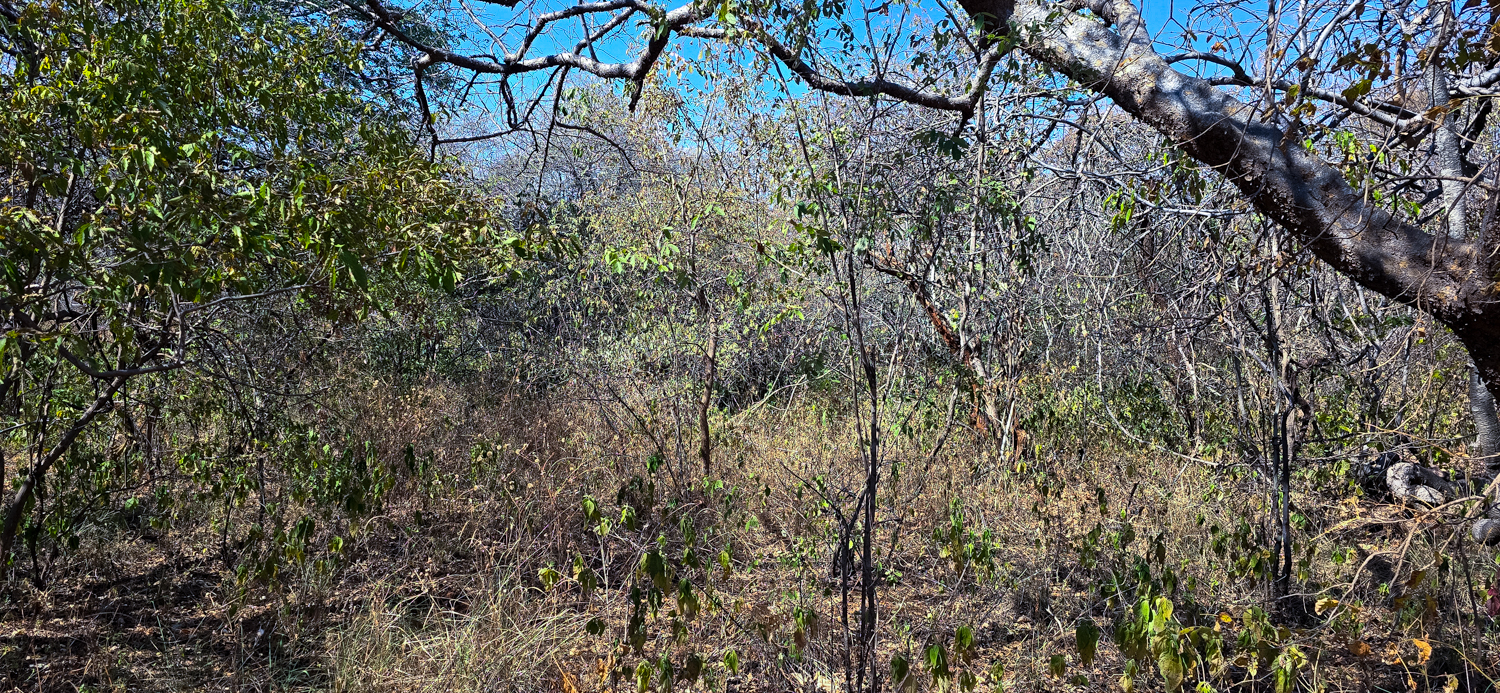
Our next site was a Natural one, in a patch of open Munga woodland on a low rise to the southwest. As we drove up to this, we could see more butterflies moving through the bush and along the road. ‘This is more like it’, I thought. The place looked very dry and desiccated. Most of the butterflies were Pieridae – there seemed to be a major migration of African Caper Whites Belenois creona severina and Pointed Caper Whites Pseudanaphaeis gidica abyssinica. We even saw a solitary Pioneer Caper White Belenois syrinx (which was, until recently, called aurota). 

Pioneer Caper White

Belenois syrinx

Pointed Caper White ♂

 Pseudanaphaeis gidica abyssinica

.By contrast our next site was about as agricultural as one can get. A pure stand of Saccharum officinarum  – sugarcane! You might expect there to be almost no butterflies there – but you’d be wrong.

In the middle of the cane fields

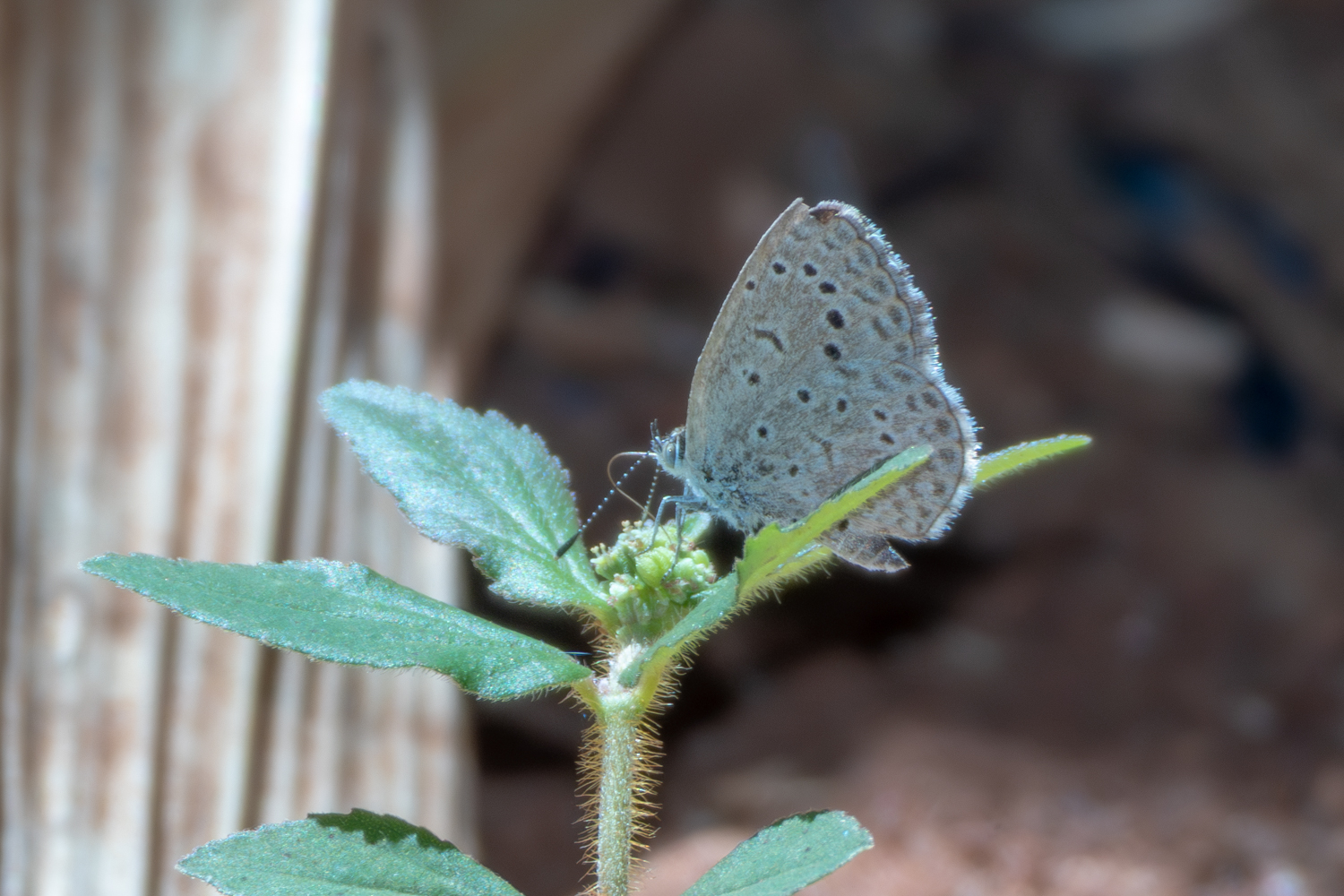
African Grass Blue

Zizeeria knysna knysna
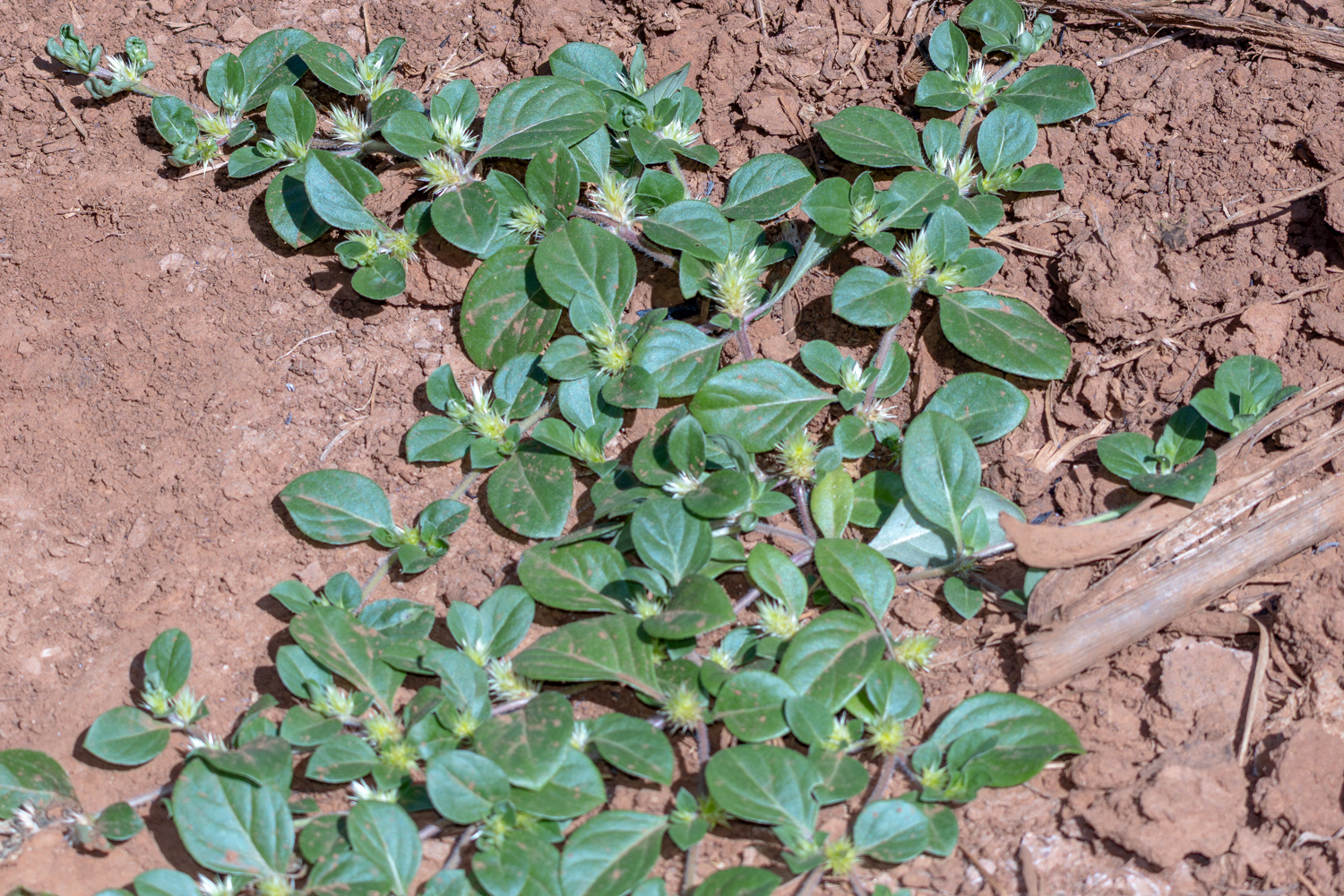
Paper thorns

Alternanthera pungens
The grassy middle of the cane tracks were covered in Alternanthera pungens (Paper thorns) which is a mat-forming forb in the Amaranthaceae. It’s a South American invasive weed, one of many used as a larval host plant by the second commonest butterfly we saw: the African Grass Blue, Zizeeria knysna knysna. We counted over150 of them, in addition to many tiny ‘Unidentified Blues‘ we saw but couldn’t identify for certain.

Black-branded Swift

Pelopidas mathias mathias
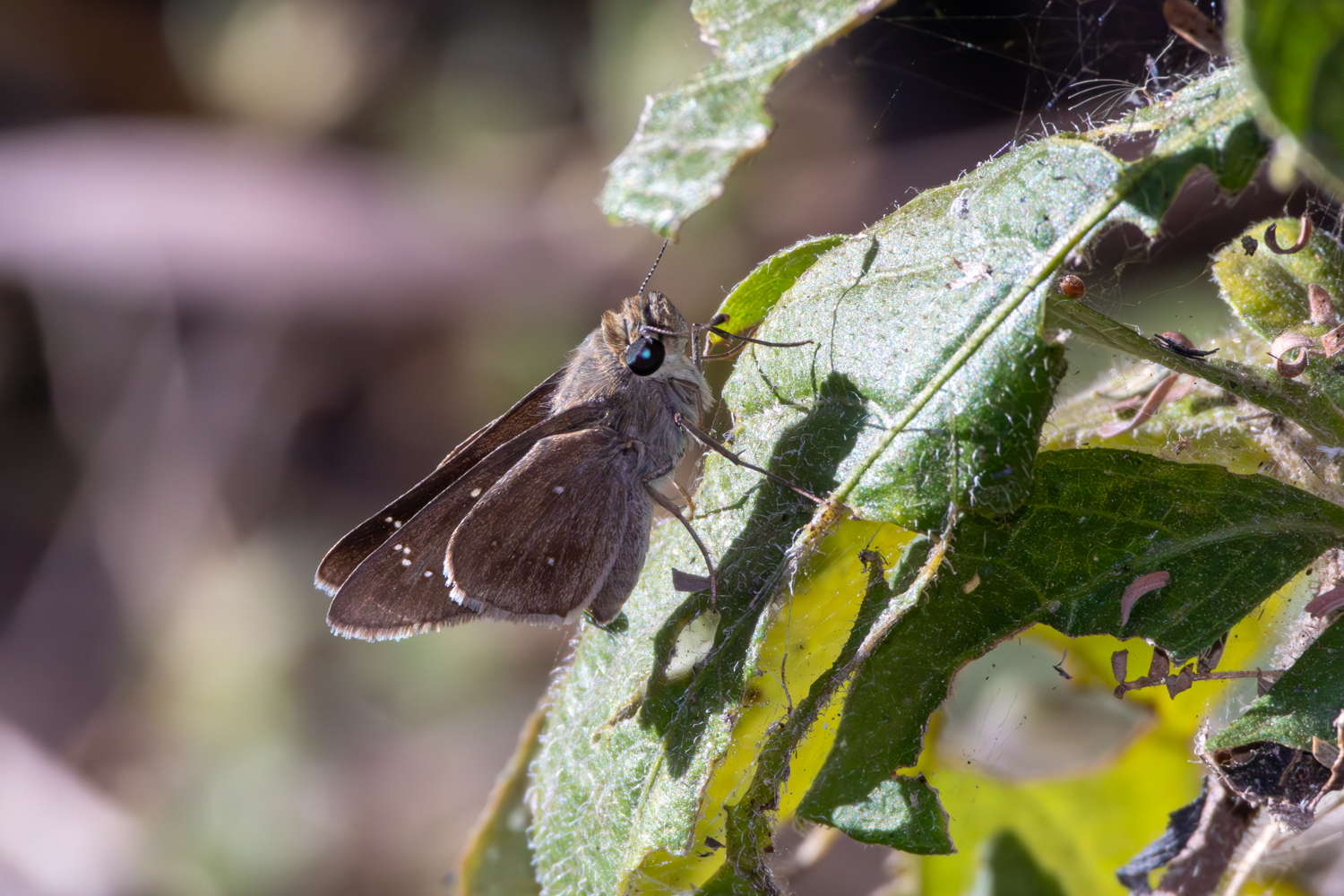
Black-branded Swift

Pelopidas mathias mathias
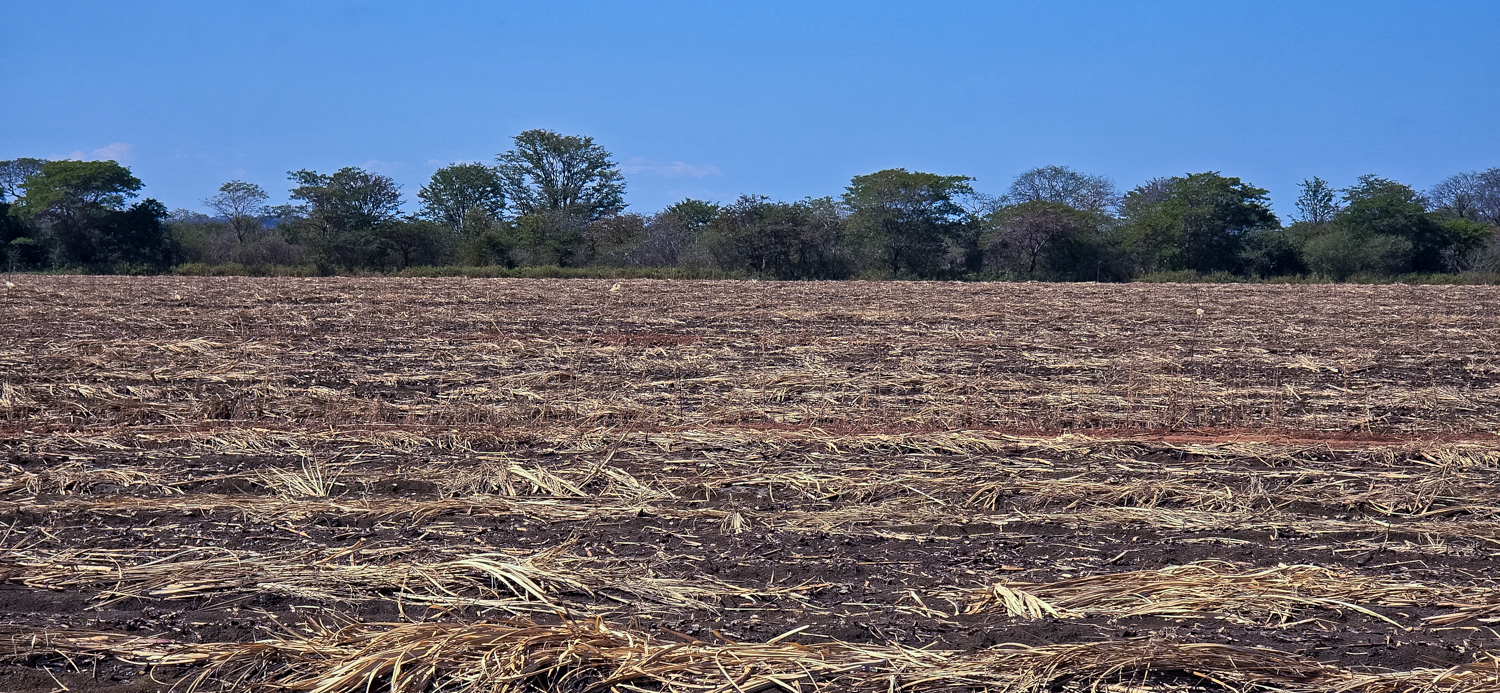
Recently harvested cane field
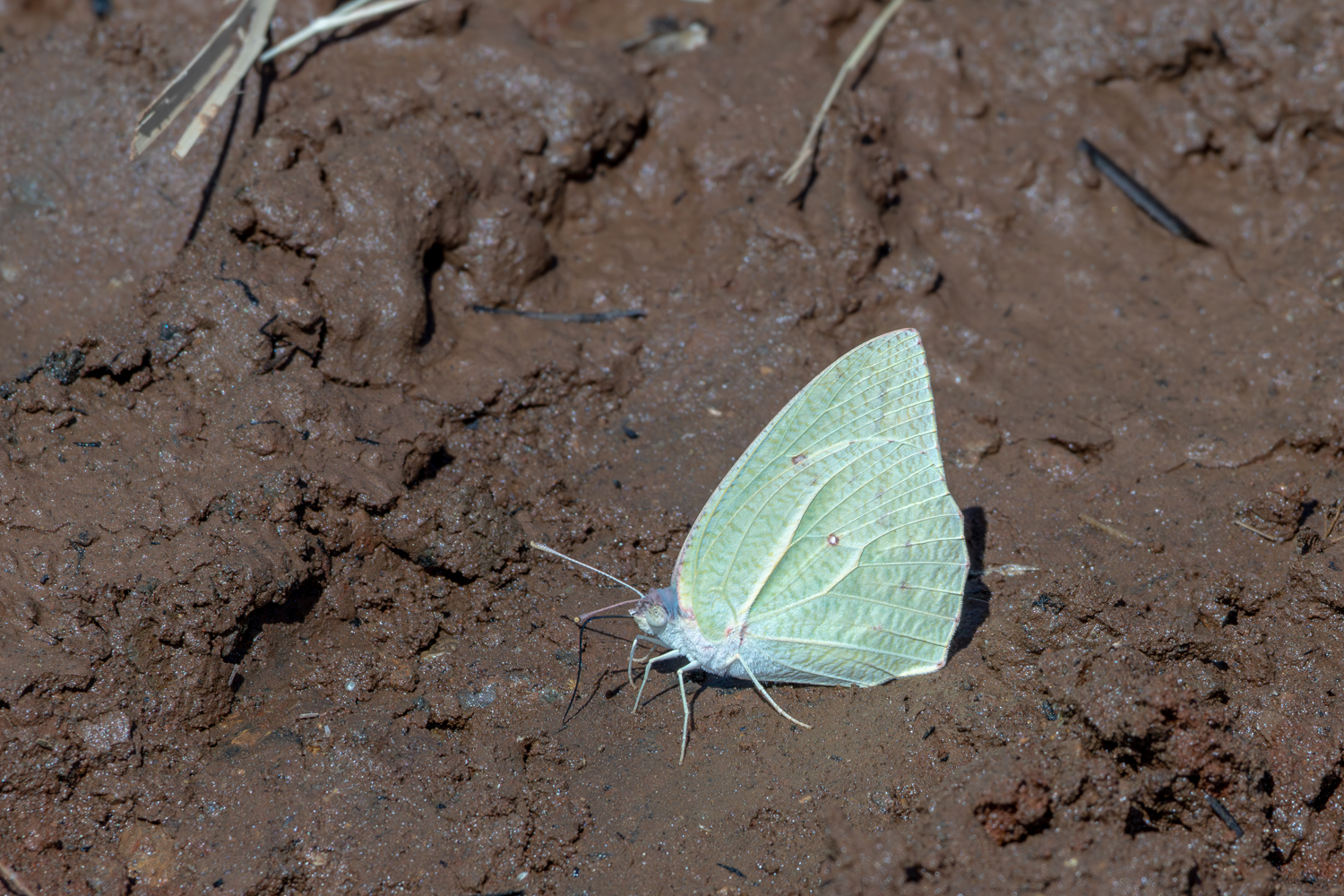
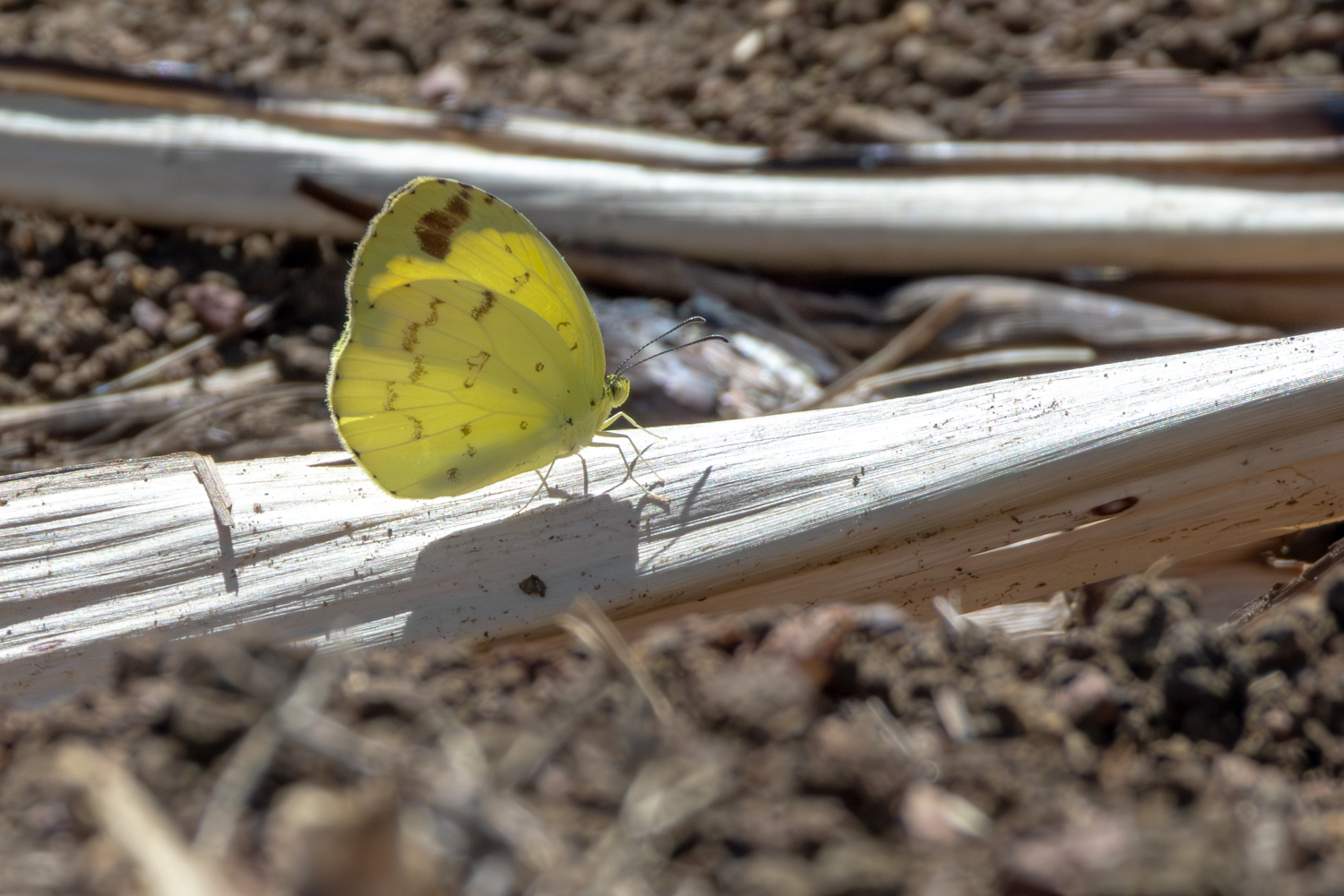
When sugarcane has been harvested the rhizomes remain and re-sprout to grow again. This field had a centre pivot irrigation system that was leaking a little water at its hub – which attracted a few butterflies like this African Migrant and Grass Yellow. Each circular centre pivot field has six small triangles of natural bush surrounding it, which act as biodiversity reservoirs, as can be seen here. 

African Migrant

Catopsilia florella

African Grass Yellow

Eurema hecabe solifera
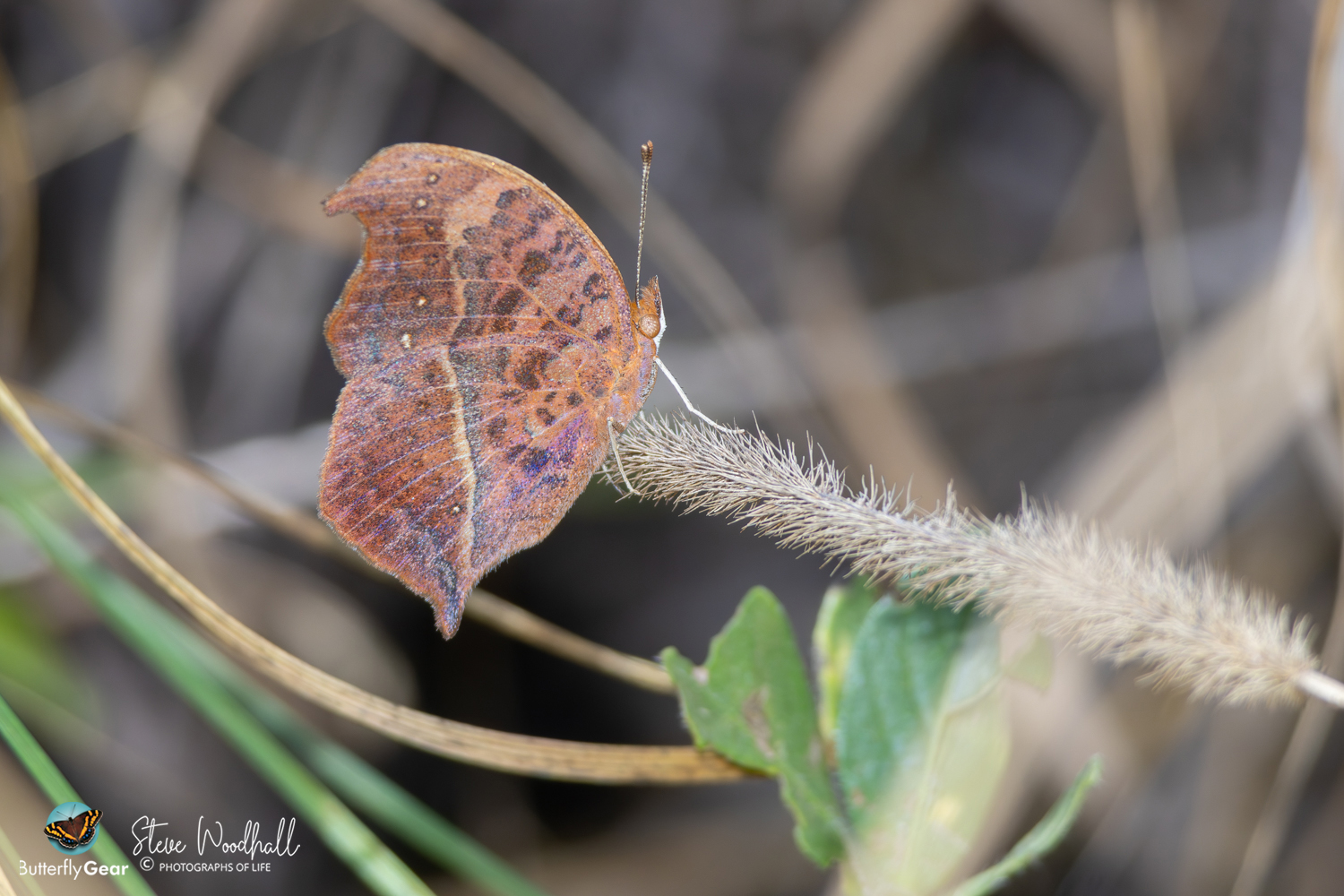
Our next count was at a patch of natural woodland between some centre pivot irrigated fields. This is where we came across our first ‘real’ non South African butterflies. The first was a Precis that I thought at first was the Paler Commodore, Precis cuama. It refused to open its wings and only showed me its underside before shooting off into the bush and not returning. I thought the subapical pale spots confirmed it was cuama but after lots of WhatsApp photo traffic with Dr Alan Gardiner we agreed it was a Darker Commodore, Precis antilope form antilope (the dry season form). A lifer for me, not having photographed this form before, but not a total lifer.

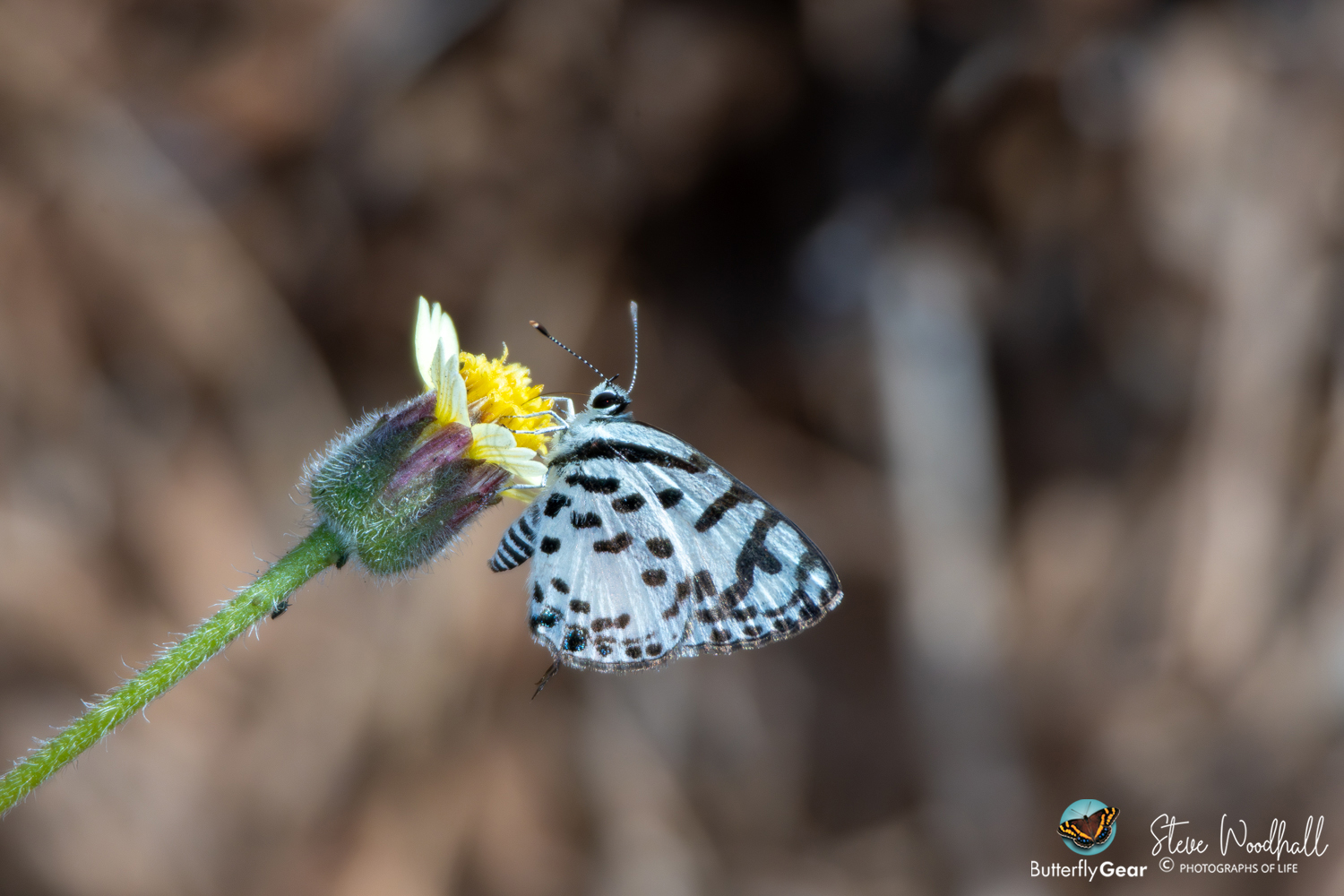
On the way back to the car, when we’d finished the count, I noticed a little blue fluttering low down. I grabbed a photo, thinking it was the common and widespread Grey Smoky Blue, Euchrysops malathana, but when I scrutinised it on the laptop I noticed the red spots on the underside costal edge. A quick WhatsApp consult confirmed it was a female Red-spot Ciliate Blue, Anthene lunulata. I had caught this years ago in northern Zimbabwe but this was the first photo I ever got.

Darker Commodore

Precis antilope form antilope
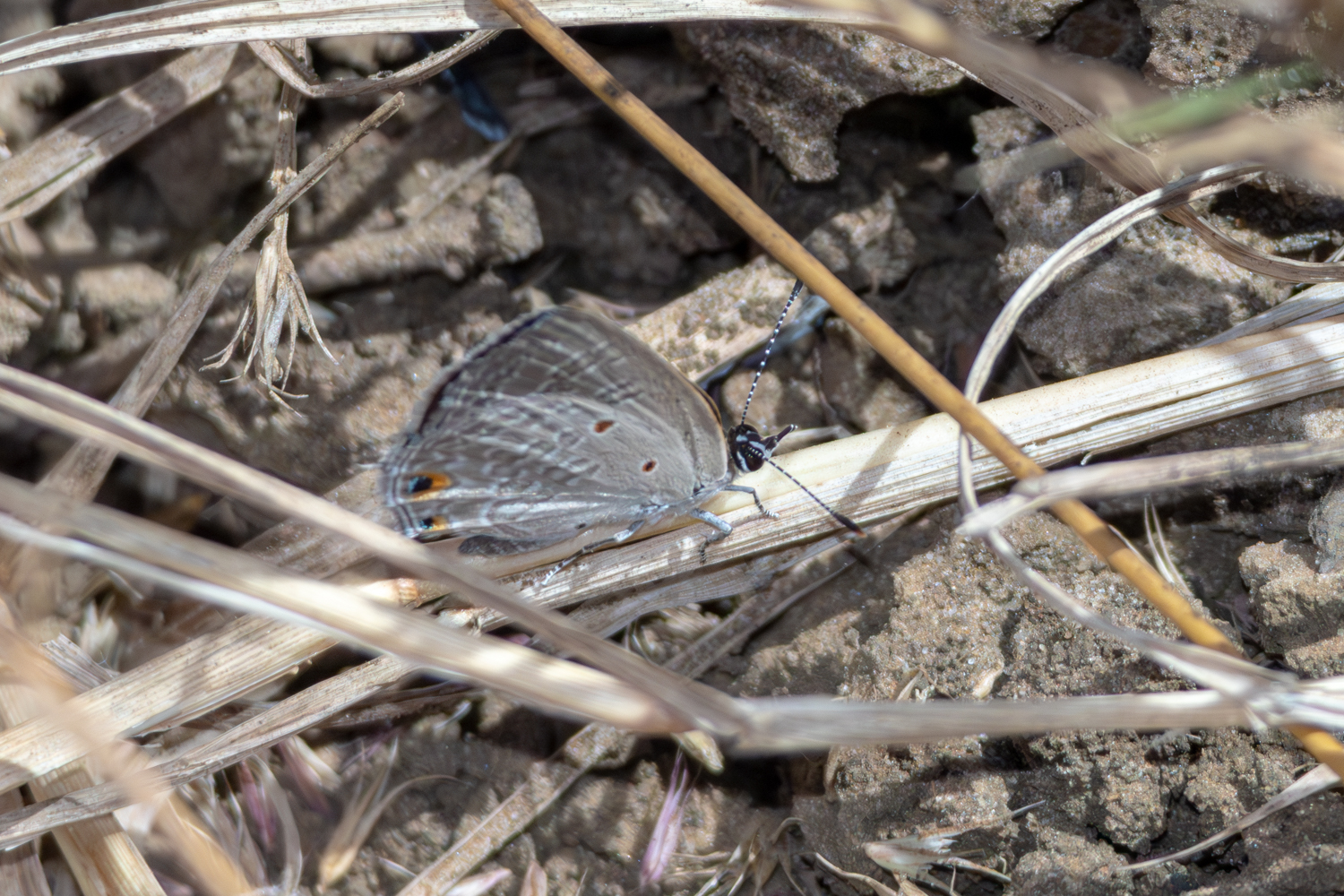
Red-spot Ciliate Blue

Anthene lunulata
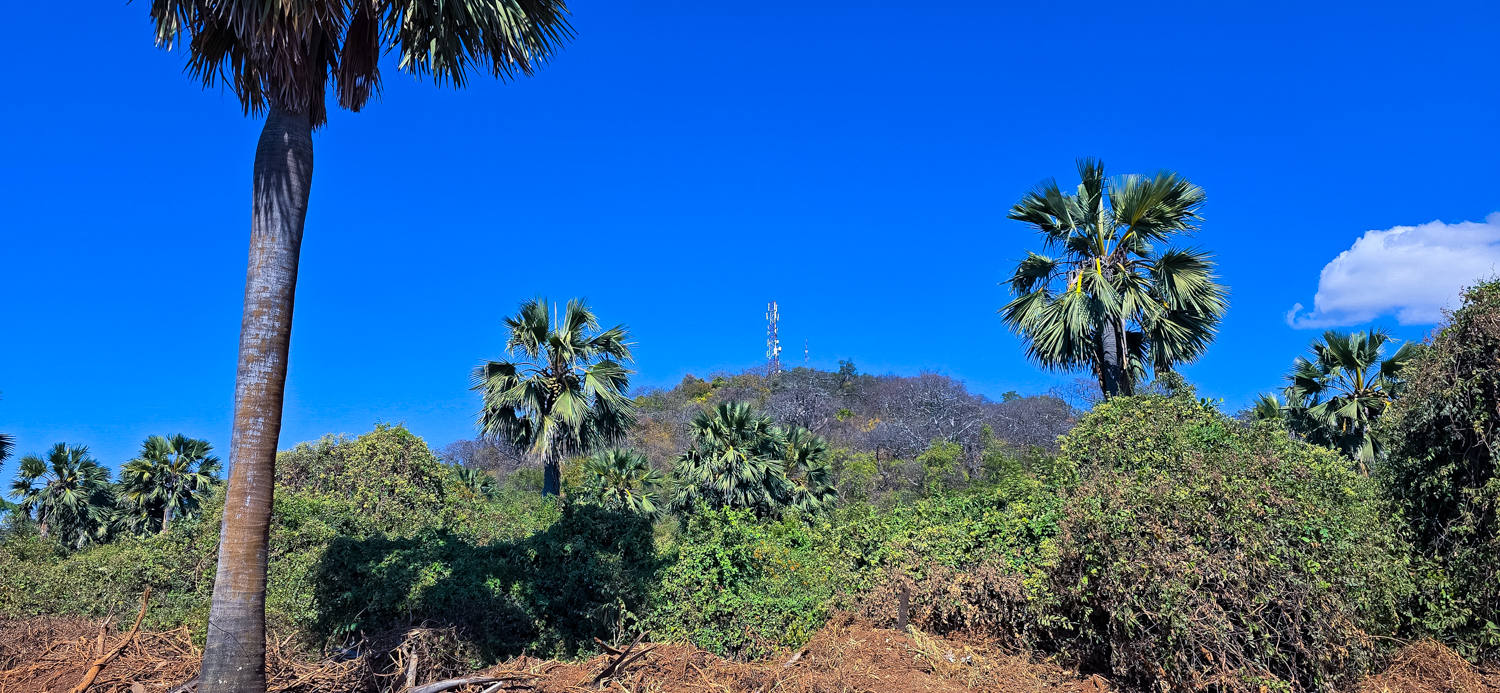
The koppie
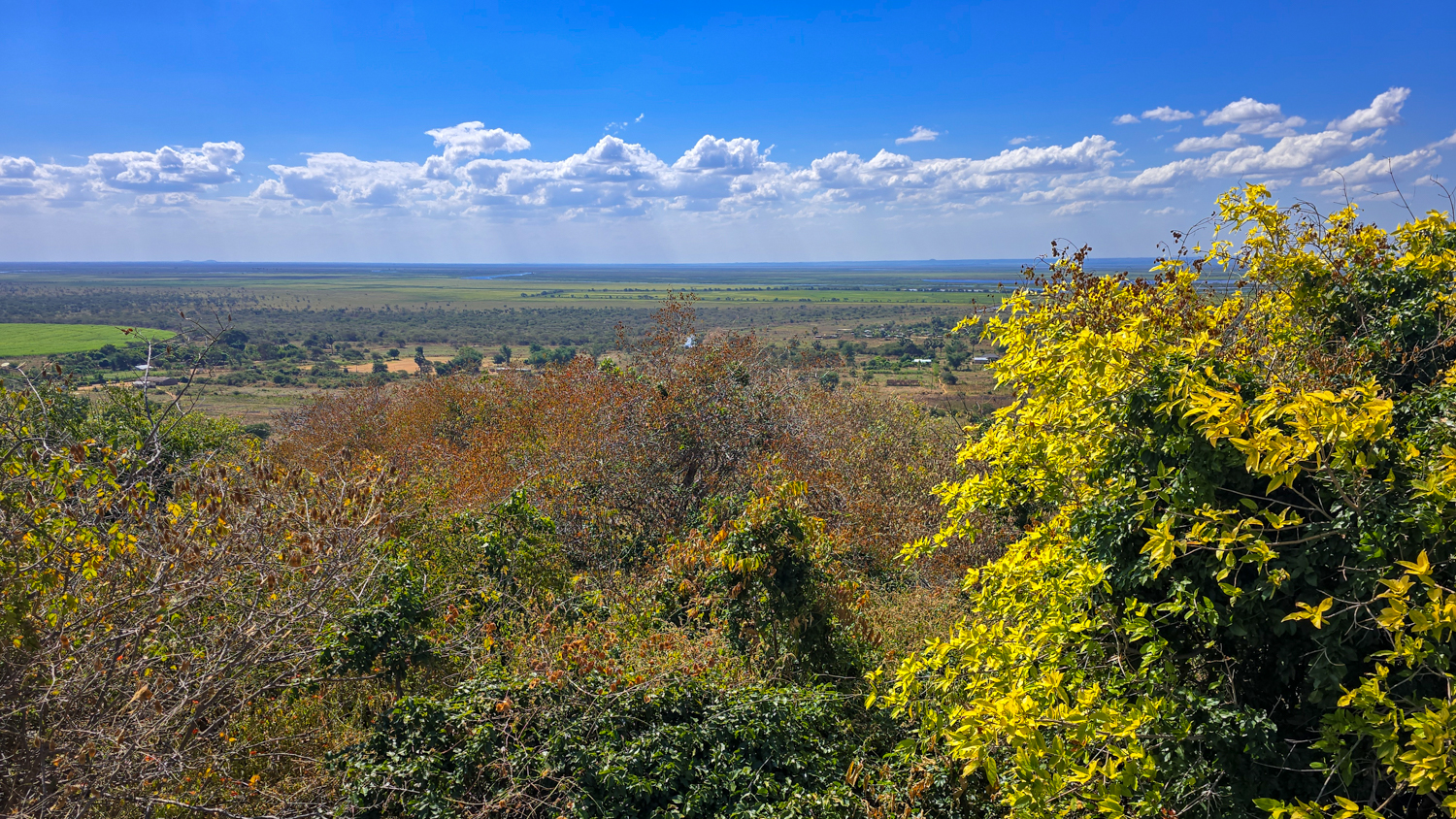
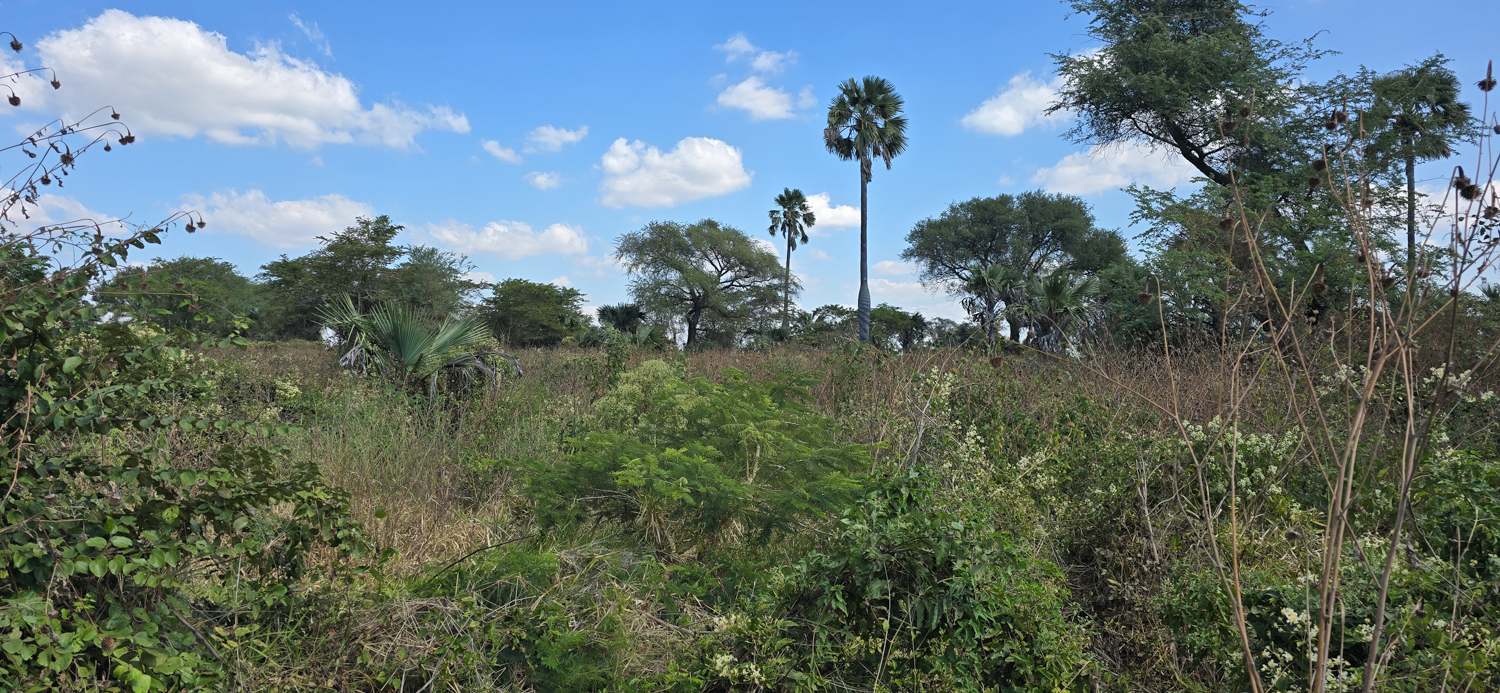
The last count of the day was on a 1038m high koppie standing some 50m above the surrounding flatlands. We’d noticed this whilst eyeballing the site from space (Google Earth) and were determined to get to the top. Isolated hilltops in flat savanna are well known ‘lekking’ spots where low density species may congregate in search of mating partners. There’s a security lookout post up there with a rather bumpy road leading almost to the top, from which you can see for miles. The Kafue River is visible in the distance and little fluffy clouds floared overhead.

Those huge Borassus palms grow along all the drainage lines and reminded me of the savanna I’d seen in West Africa.

View from the summit

It was a little difficult to get close to the butterflies up there because the top is steep and rocky and the canopy is distant. I thanked Canon’s excellent R7 mirrorless camera and the 100-400mm RF lens with a 1.4 x extender for getting me close to the two lifers I shot – Myrina silenus silenus, the nominate form of the Common Fig-tree Blue, and the Scarce Savanna Charaxes, Eriboea penricei penriceiThis is confusingly similar to our Bushveld Charaxes, Eriboea achaemenes achaemenes, but it has broader wings, and white spots in the forewing cell. A scruffy end-of-season survivor, but a lifer nonetheless! The Fig -tree Blue differs from our local silenus subspecies in its broader chestnut wing tip patches and more restricted blue.

Scarce Savanna Charaxes

Eriboea penricei penricei
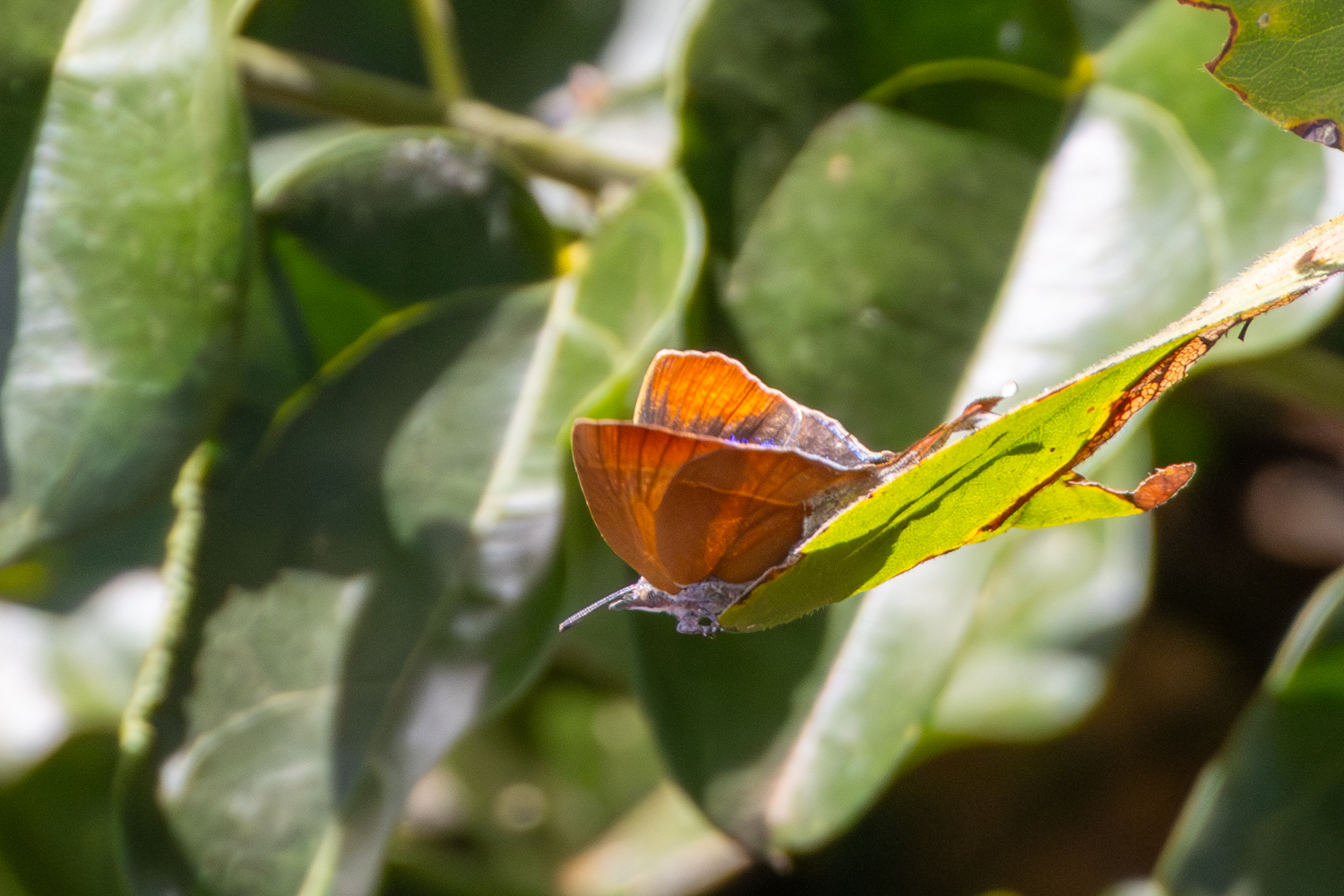
Common Fig-tree Blue

Myrina silenus silenus
Day two (Monday 18 May):

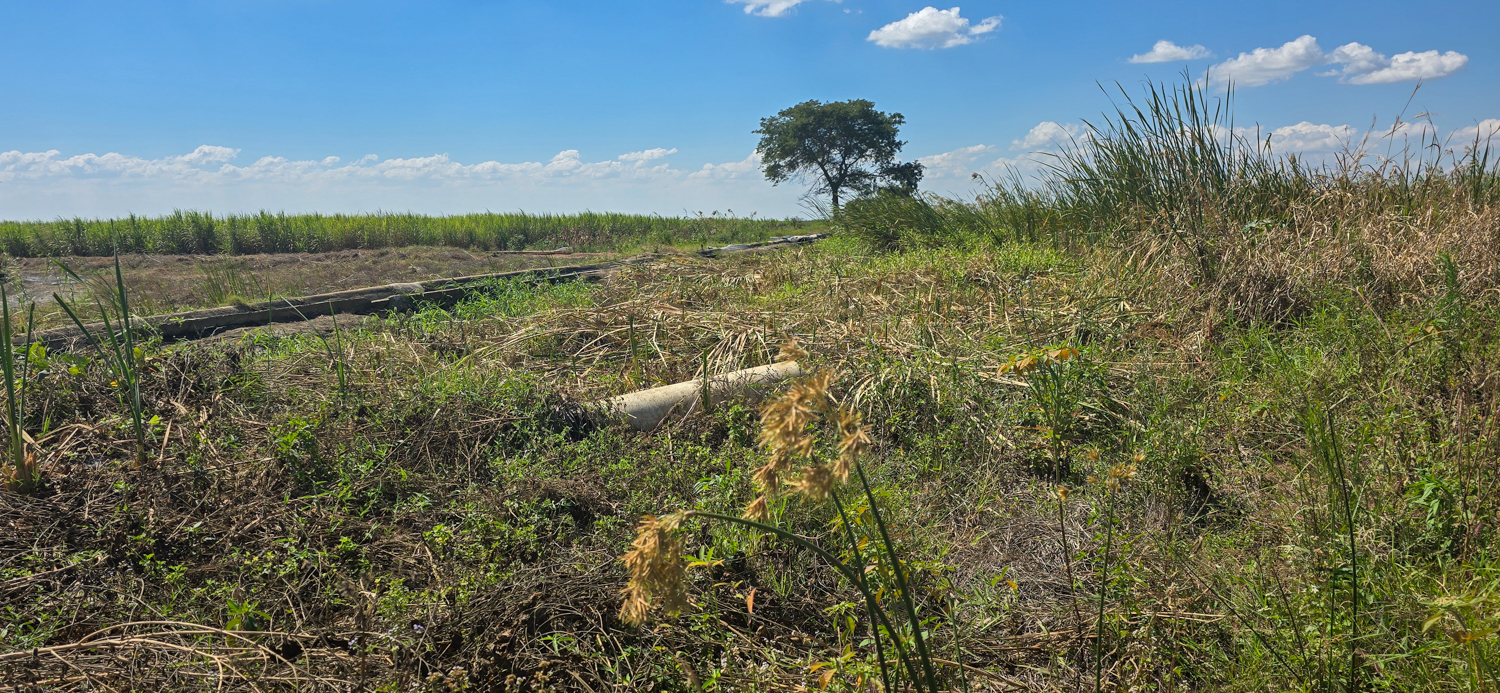
We spent quite a lot of time thrashing around the edges of cane fields, not seeing much of interest apart from hundreds of African Grass Blues Zizeeria knysna and Dancing Telchinias Telchinia serena. The cane fields are irrigated via a system of gravity fed ditches, some of which had interesting vegetation along them. We did a count along this corridor site where a beautiful fresh female Pea Blue, Lampides boeticus, was flying around an attractive host plant, Purple bush-bean Macroptilium atropurpureumThis is not indigenous alas, it’s an American import grown as cattle fodder all over the tropical world including South Africa. As a legume it’s fair game for Pea Blues and is an attractive little plant as well. Where it was growing was not particularly attractive but it did have butterflies! This female Pea Blue was conspicuous with her blue upper side.

Marshy area around an irrigation ditch
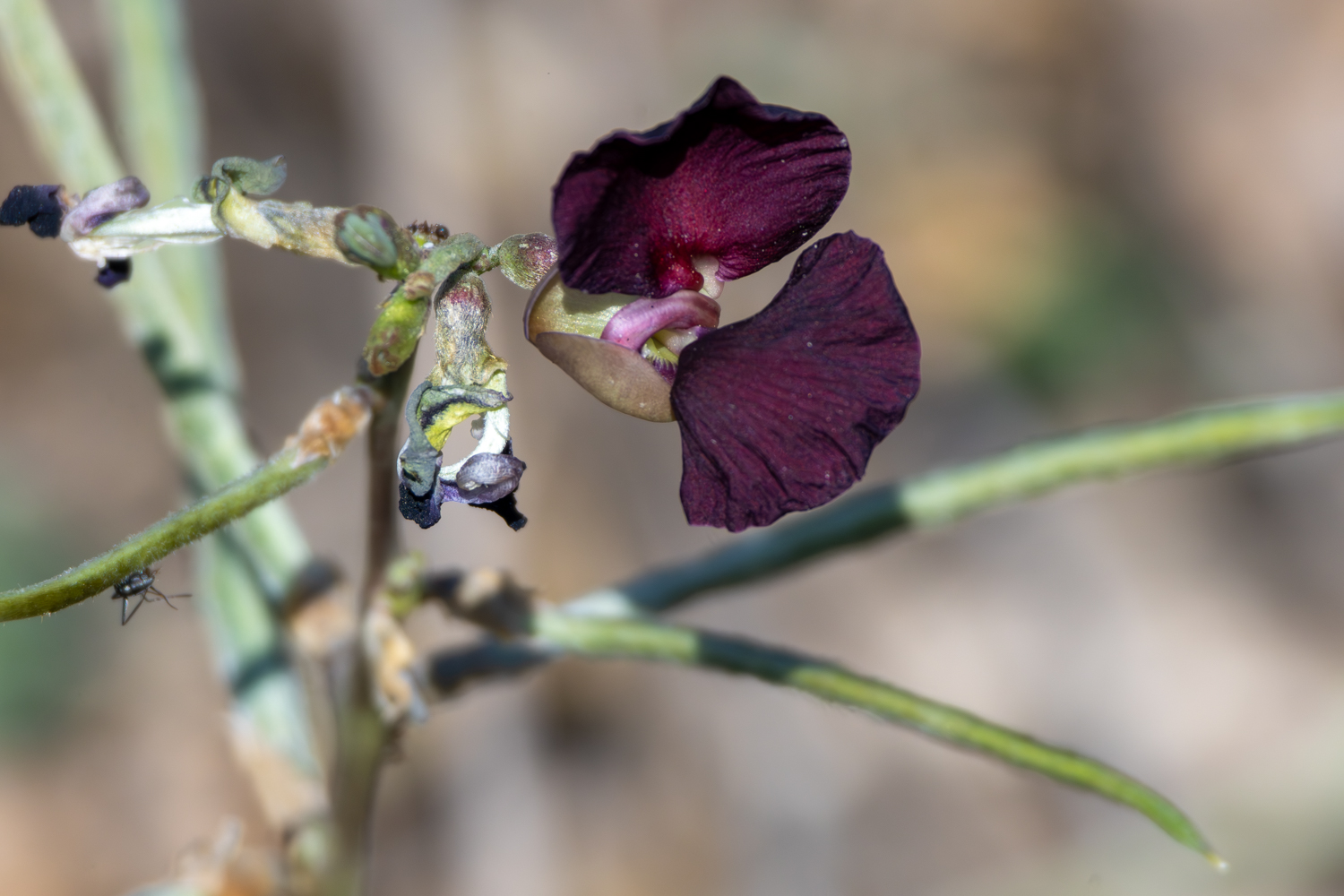
Purple bush-bean

Macroptilium atropurpureum
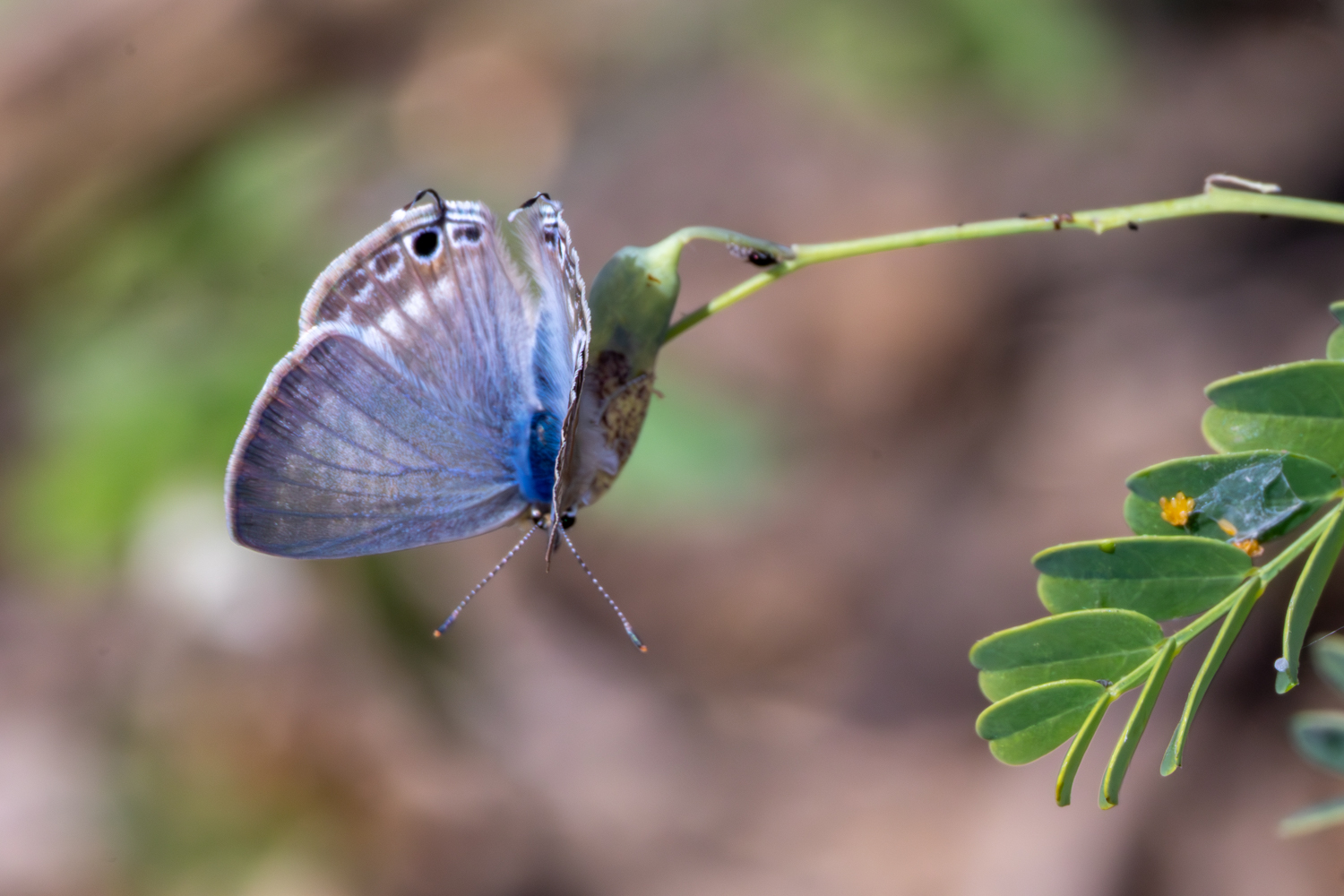
Pea Blue ♀

Lampides boeticus

This is the place where I got the first copper-bottomed genuine lifer of the trip. Fluttering low down in the grass was a tiny brown, which turned out to be the Oval-eyed Five-ring, Ypthimomorpha itonia, This is a unique butterfly in a genus all of its own. It’s found in Zimbabwe but I never saw one in all my visits there. It fills the same niche as the local African Ringlet (or Three-ring), Ypthima asterope. It proved to be quite common around the farm. Two or three would be fluttering around wherever a path went through long grass.

Oval-eyed Five-ring ♂

Ypthimomorpha itonia
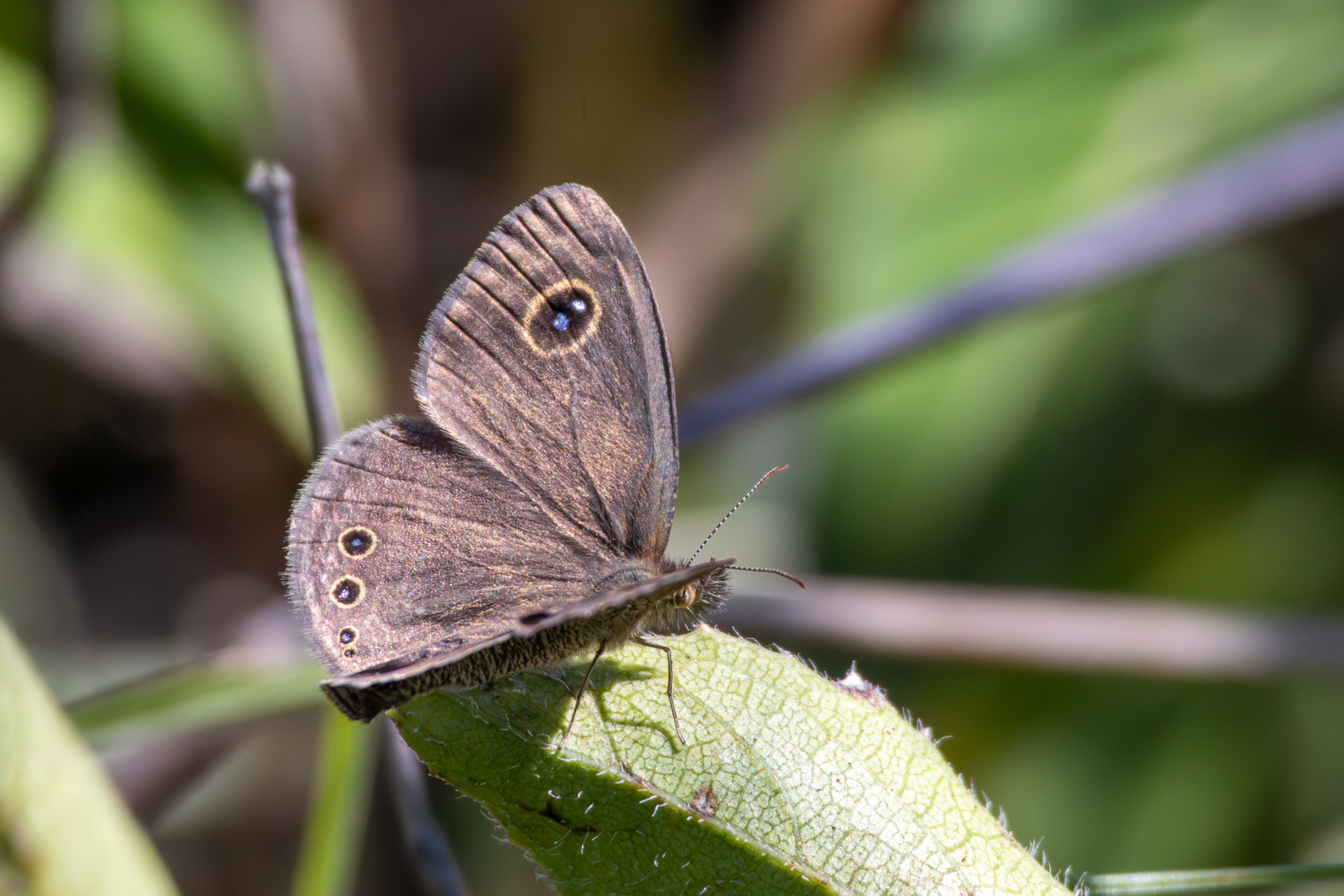
Oval-eyed Five-ring ♂

Ypthimomorpha itonia
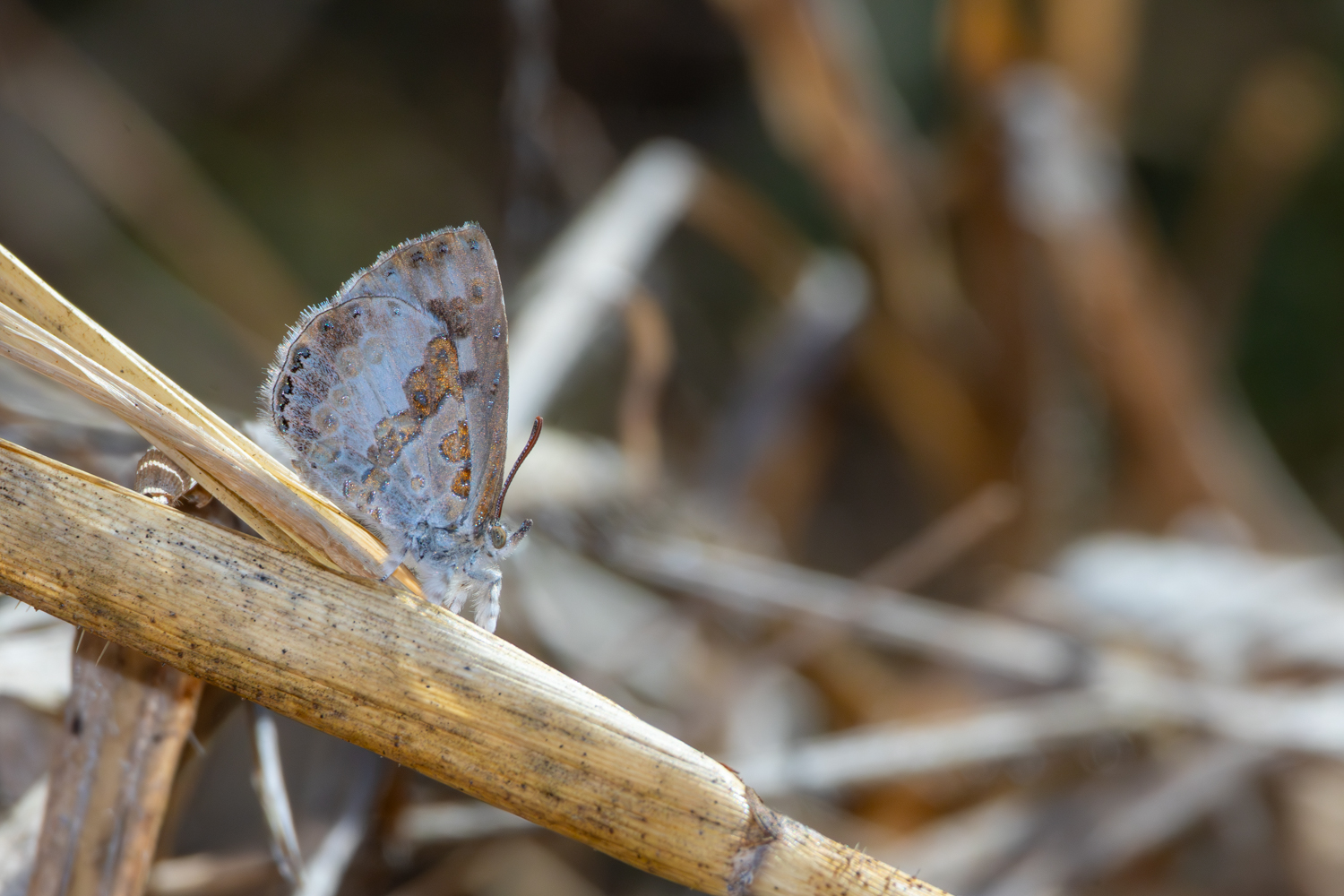
Our next count was at another ‘corridor’ site on the edge of a ribbon of natural bush following a stream separating two large fields of sugarcane. There was the usual mix of migratory whites, Plain Tigers and African Grass Blues. As Murphy would have it, when I had just finished the count a Precis Commodore turned up, and refused to be photographed. Then a Woolly Legs that looks like a Regular Woolly Legs, Lachnocnema regularis, which at one point has erroneously thought to occur in South Africa but is larger than any of our native species with a straighter diagonal band across its underside hindwing. The jury is out because according to Alan Gardiner it may also be Lachnocnema pseudobibulus.

There were also a few Colotis around, and they were very active. A female Red Tip Colotis antevippe gavisa sat with her wings open just long enough for me to grab a photo.

We concluded the day by watching an iconic African sunset over the Kafue floodplain.

The mystery Woolly Legs

Lachnocnema regularis or pseudobibulus
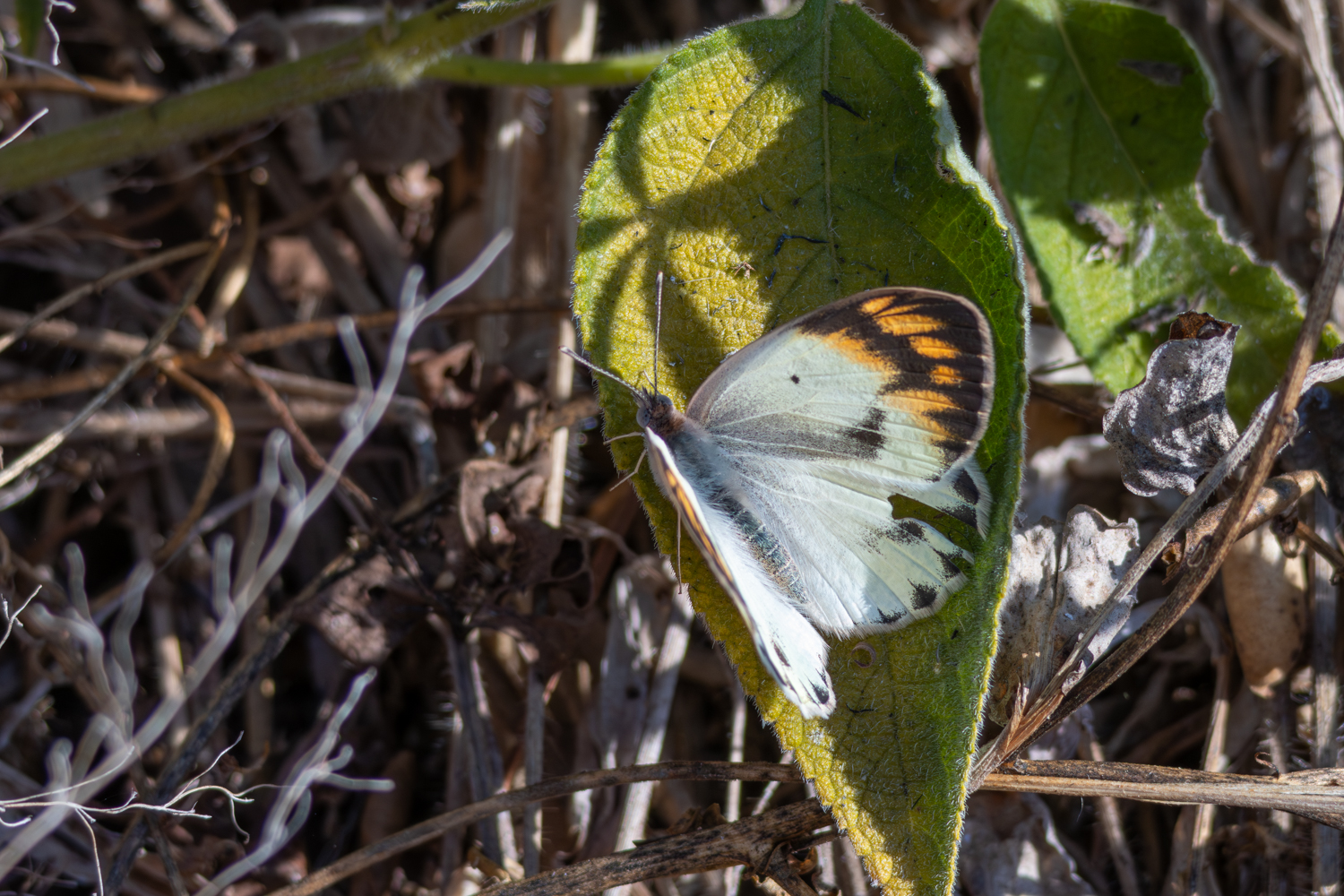
Red Tip ♀

Colotis antevippe gavisa g
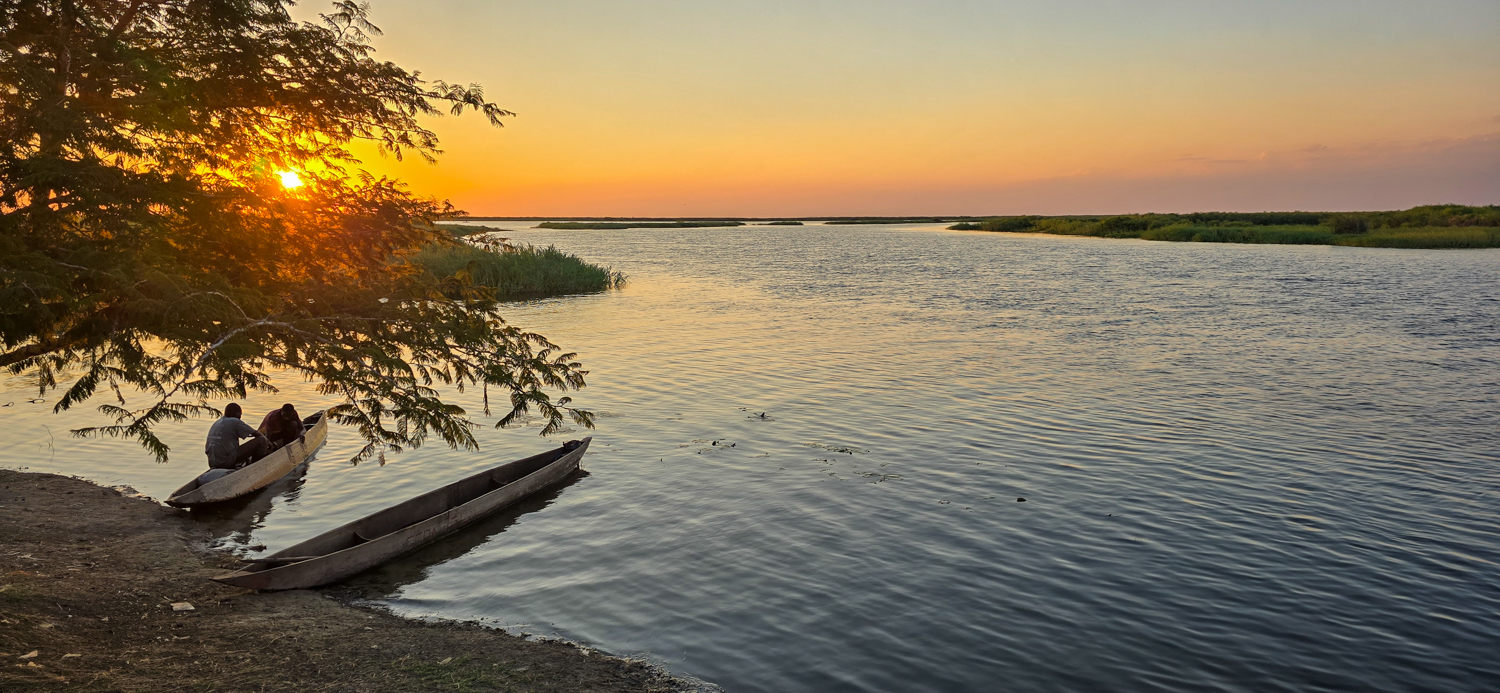
Sunset over the Kafue River
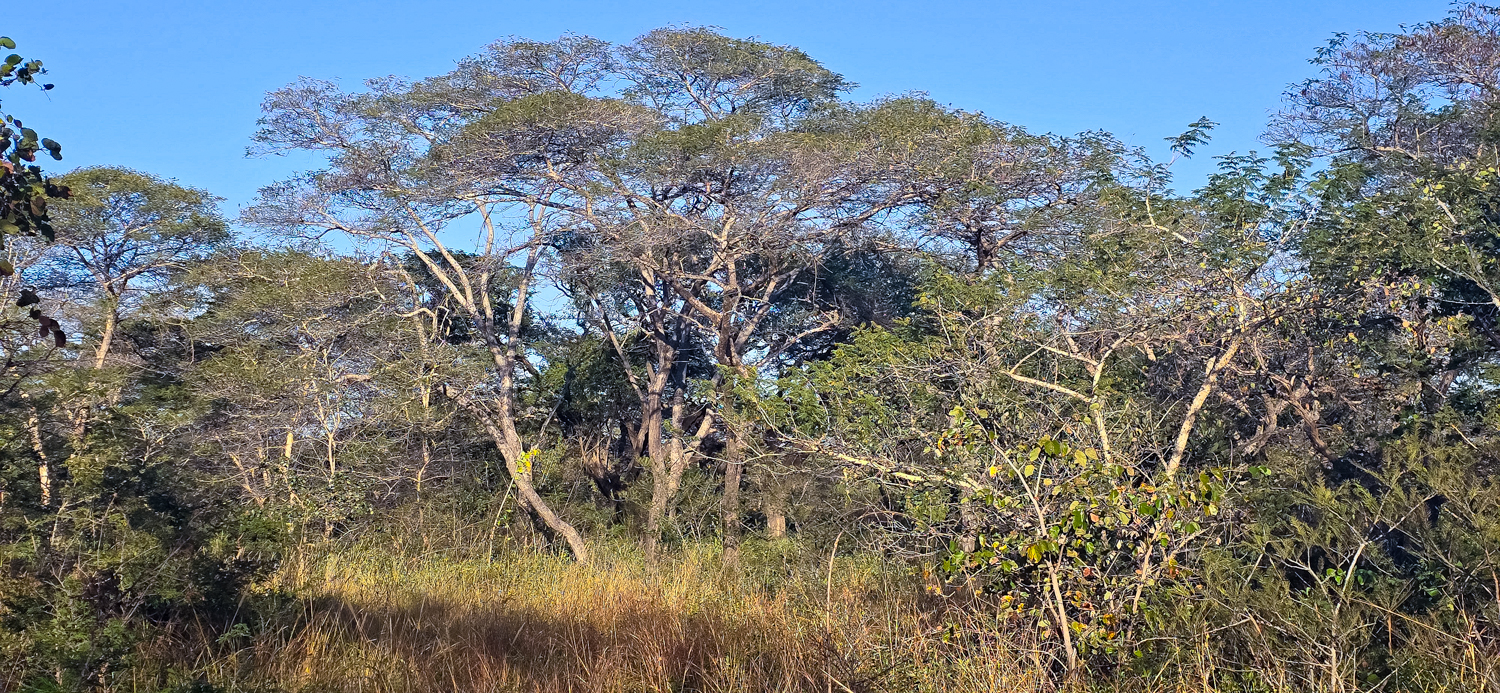
Day three (Tuesday 19 May):

The following day, we moved into natural bush in the southeastern part of the site. The area was dry woodland with an open understorey rich in flowering plants, including Mozambique Barleria Barleria senensis. Arriving shortly after 08:00, we found migrating Pieridae already active. Pointed Caper Whites Pseudanaphaeis gidica abyssinica and African Caper Whites Belenois creona severina were abundant, though little else was evident. Both species were clearly migrating, a common behaviour among these Whites.

Dry woodland in Southern Mazabuka

Beautiful parkland - the essence of African savanna
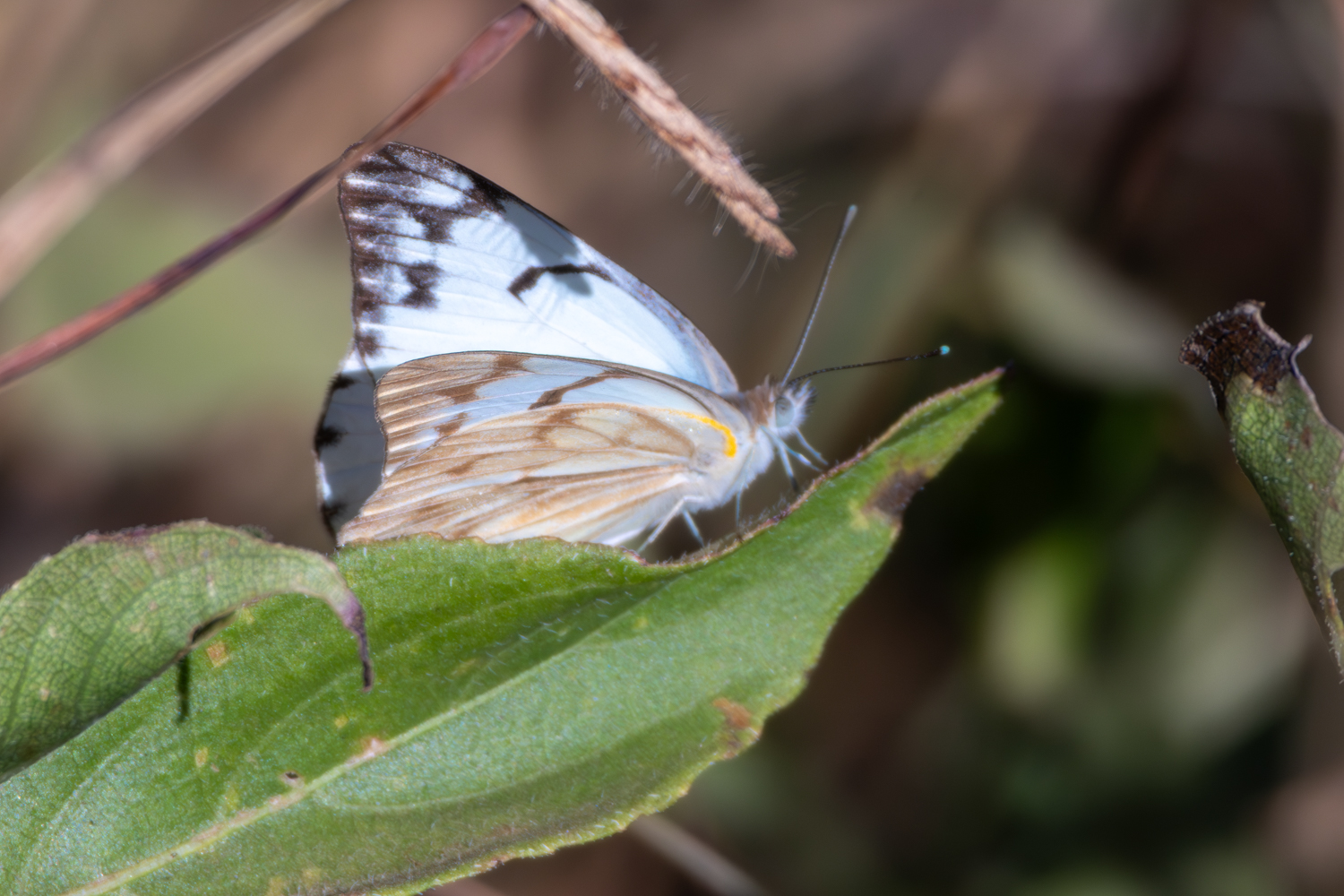
Pointed Caper White dry season form ♂

Pseudanaphaeis gidica abyssinica
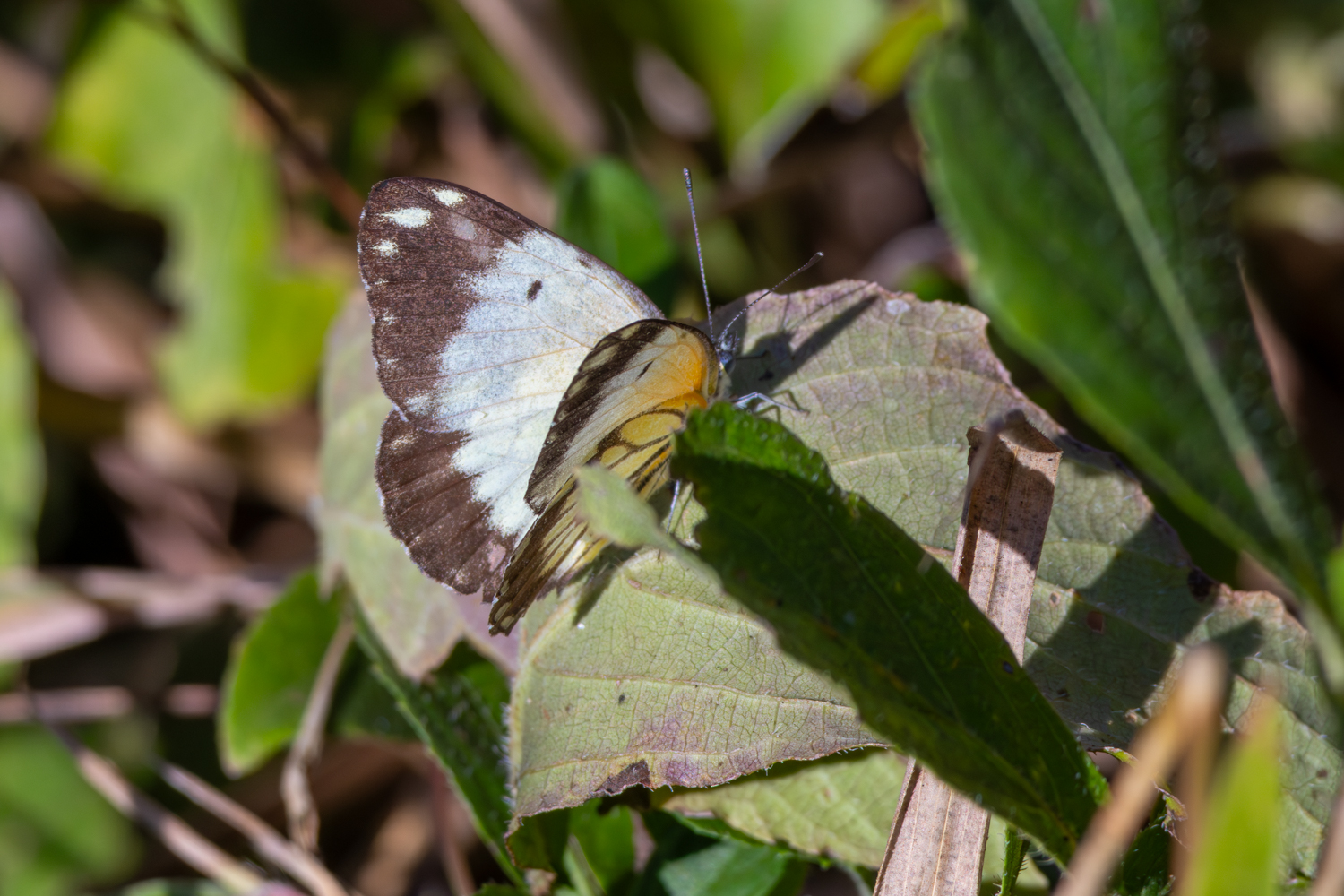
African Caper White ♀

Belenois creona severina

Clearing in Southern Mazabuka

The grass was dry and dead but the action was under the trees...
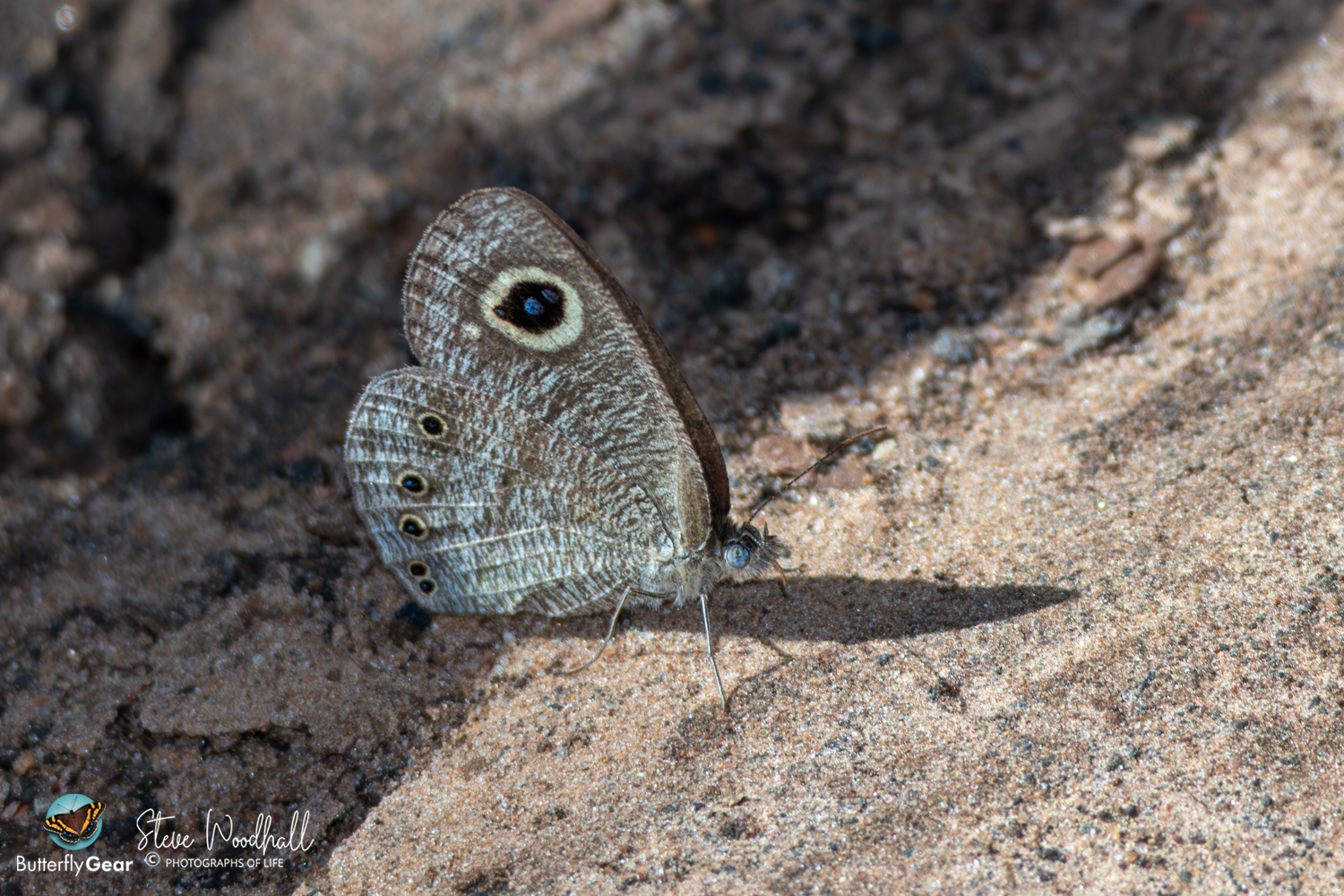
For the next count, we moved a little farther south. Along the way, we found more Oval-eye Five-rings Ypthimomorpha itonia this time with a female among them. The count site was another patch of dry woodland, this time with open sandy clearings covered in dry grass. Around their edges, we struck lucky. There were several Spotted Jokers, Byblia ilithyia whose orange wings got our blood pumping with anticipation for other orange butterflies. We were not disappointed because among the clouds of migrating whites were several Darker Commodores Precis antilope, which posed beautifully for the camera, opening their wings to bask in the morning sun. Justin made the most of the opportunity and captured a couple of lifer photos. 

Oval-eye Five-ring ♀

Ypthimomorpha itonia
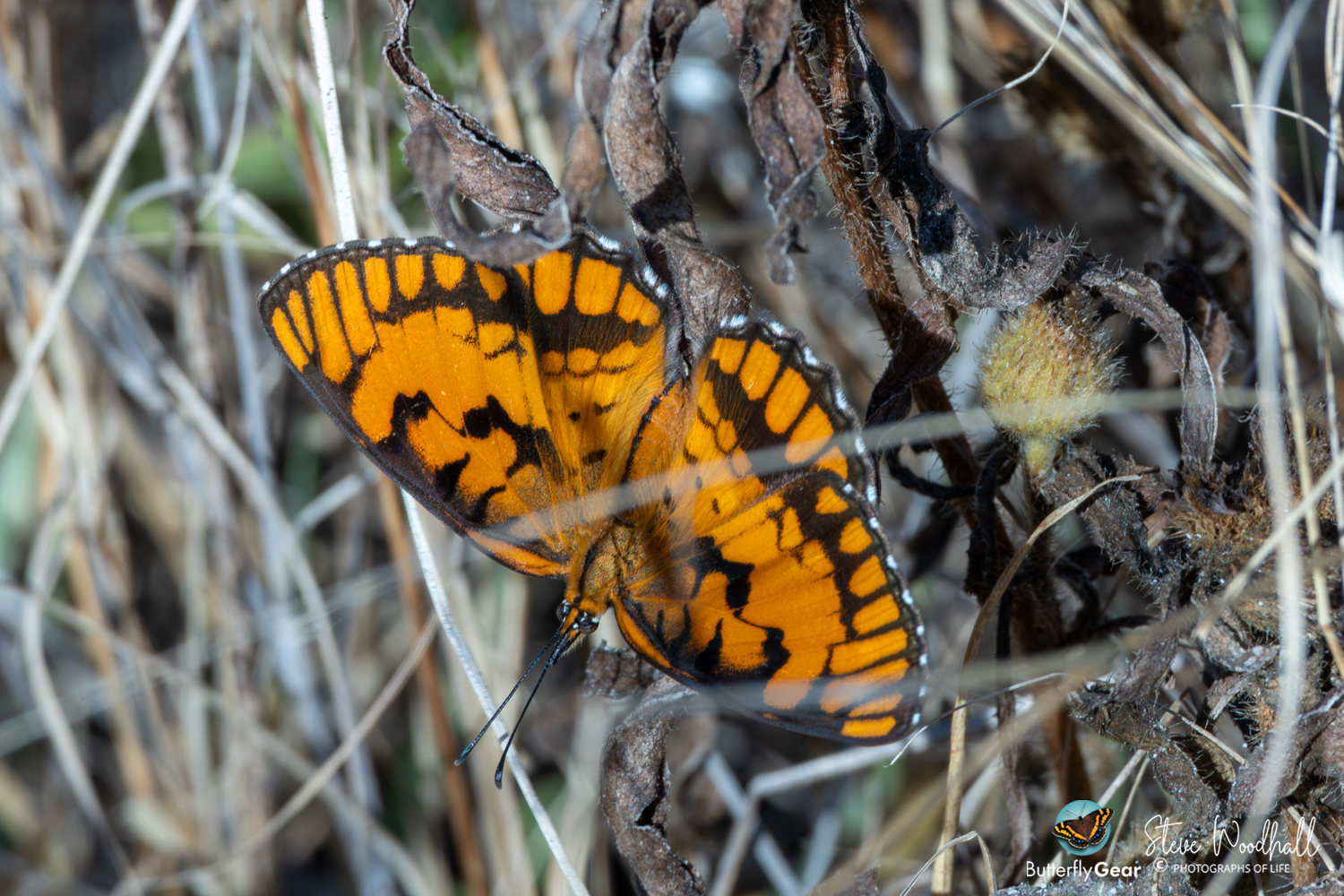
Spotted Joker ♂

Byblia ilithyia
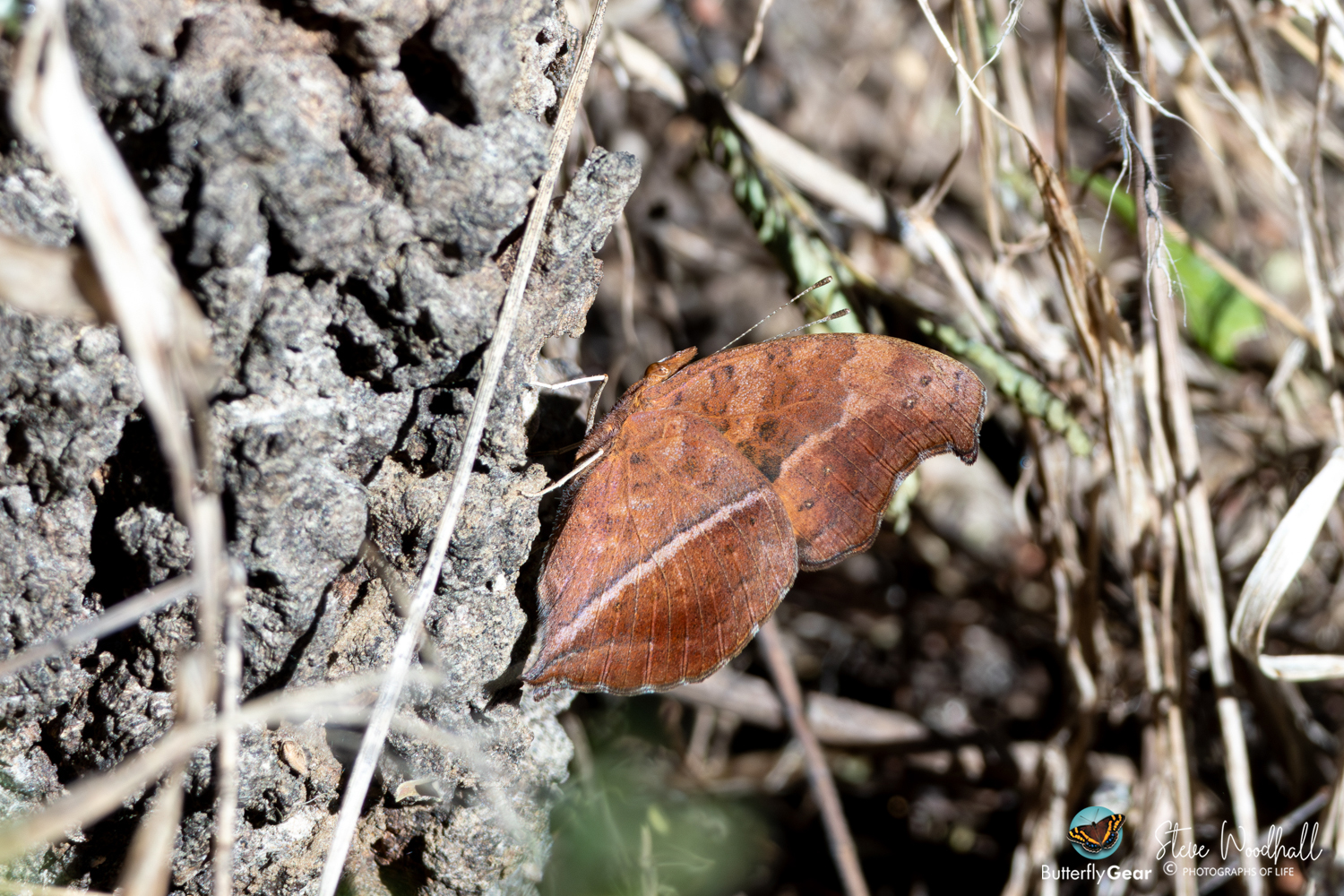
Darker Commodore ♂ underside

Precis antilope form antilope
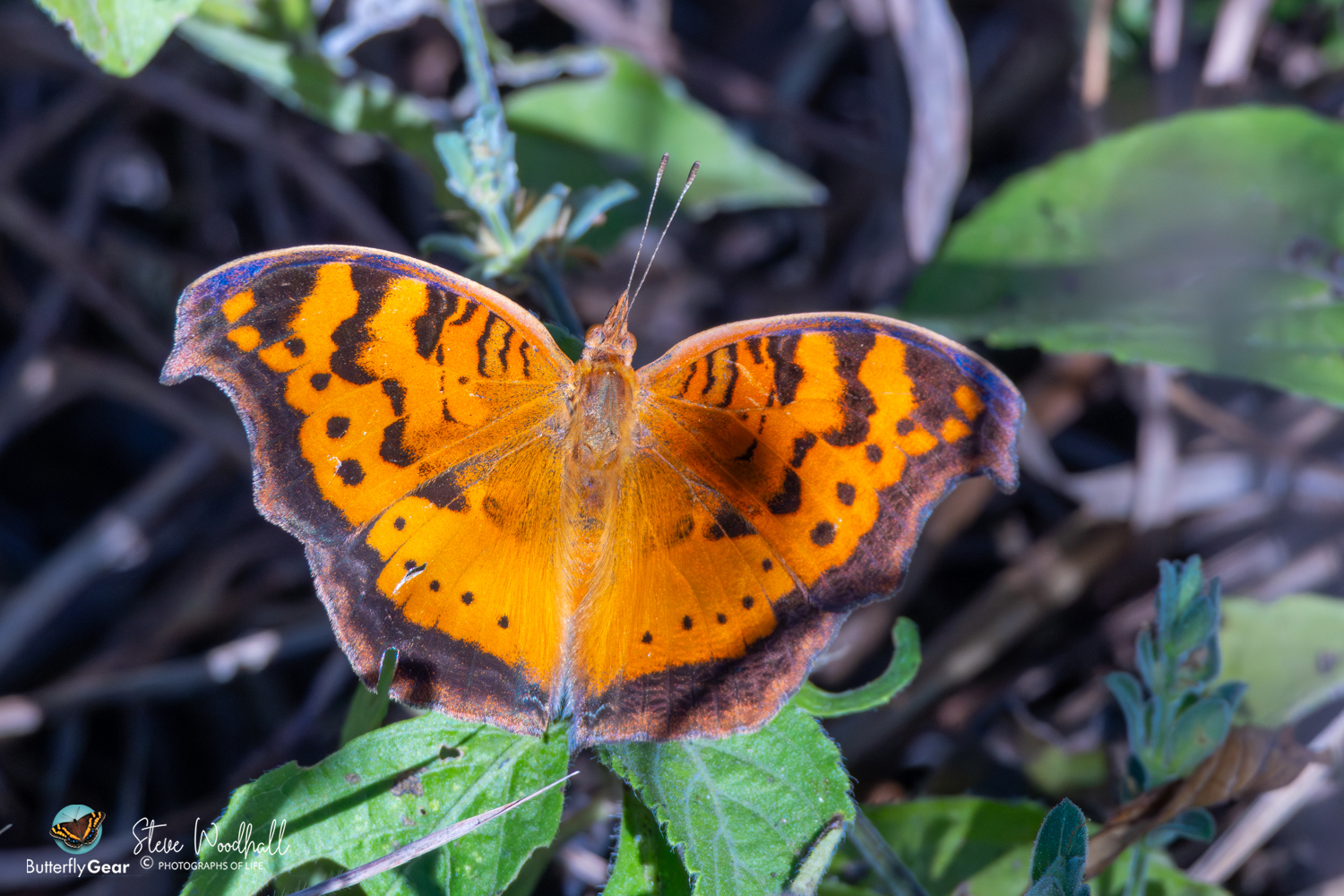
Darker Commodore ♀ upperside

Precis antilope form antilope
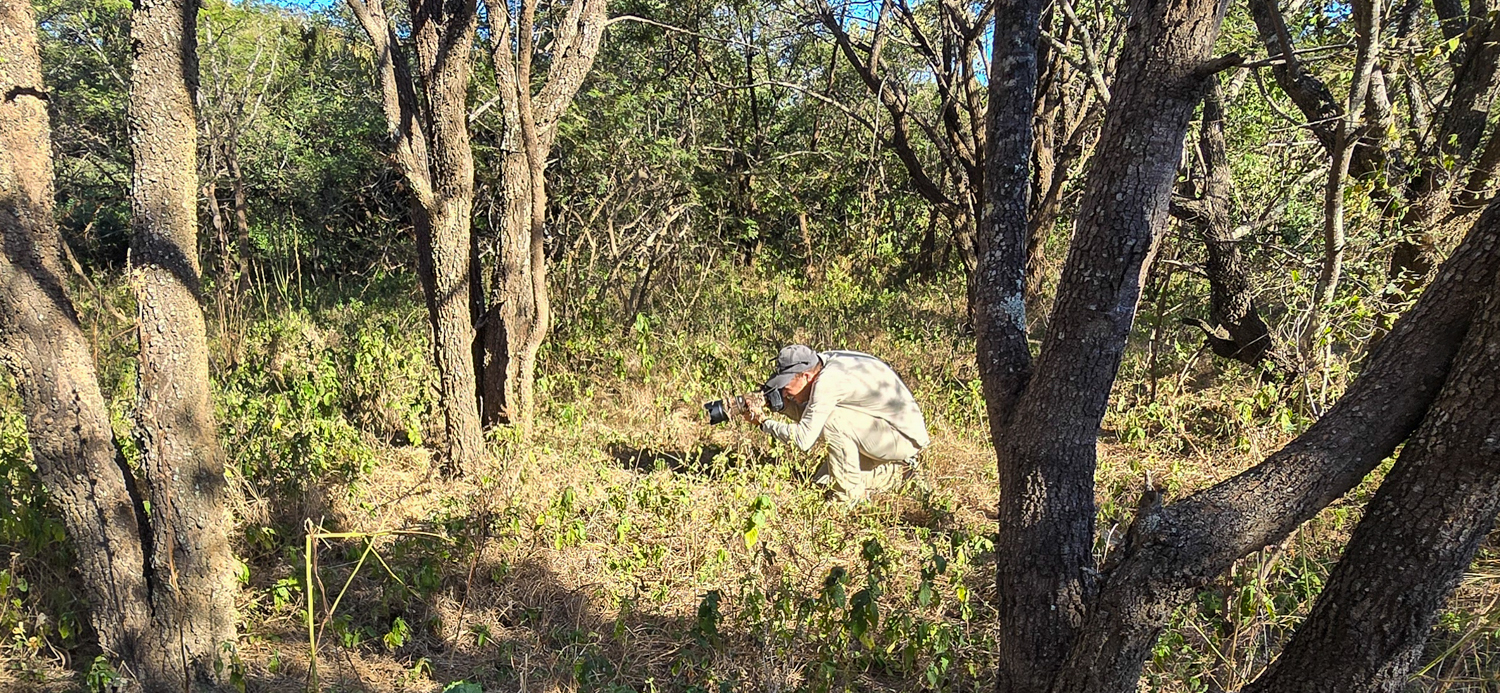
Justin Rhys Nicolau shooting a Commodore

This proved to be a VERY productive spot.
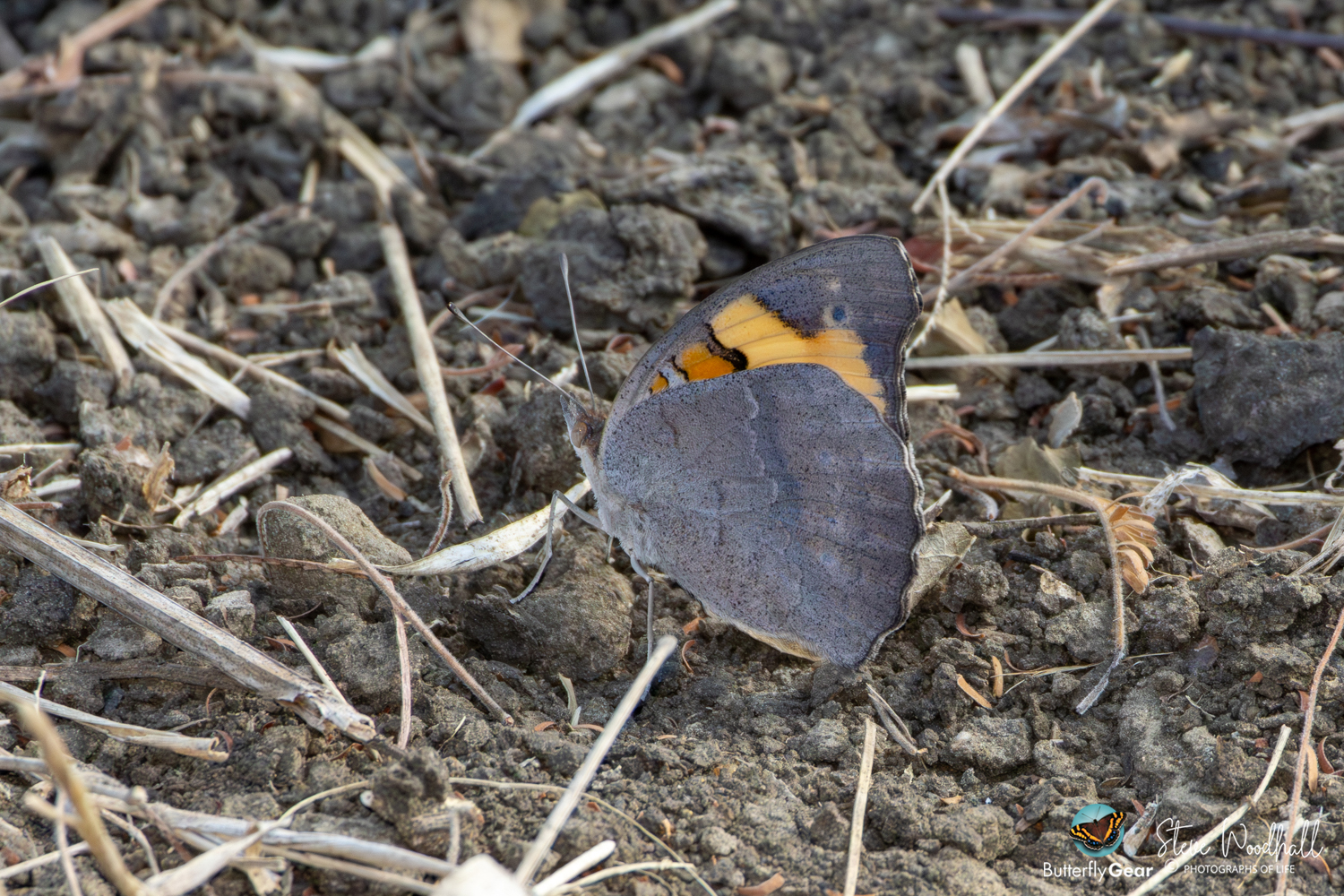
Several Junonia species were flying around the site, including the African Yellow Pansy Junonia hierta cebrene and Spotted Brown Pansy Junonia natalica natalica, both familiar South African species. The real excitement, however, came from what I first mistook for an unfamiliar Bicyclus Bush Brown. It was sitting on the ground close by while I was photographing a Darker Commodore, so I quickly took a photo to compare with Butterflies of Zambia. The flash startled it into flight, revealing a sudden flash of blue. It was also much bigger than any of the Bush Browns we knew of.

I knew at once what it was: African Pansy Junonia artaxia. This species had eluded me on earlier trips to Zambia, when I had caught—but not photographed—the Naval Commodore Junonia touhilimasa. It was therefore a true lifer for me and for the rest of the team. Richard found the common name a little prosaic and suggested African Peacock, inspired by its prominent eyespots. Unfortunately, he’s a little late because the official LepSoc Africa renaming process is nearing completion. Apropos of that I refuse to refer to  Junonia touhilimasa as a ‘Naval Pansy’. Some things should remain unchanged.

African Yellow Pansy ♀ underside

Junonia hierta cebrene
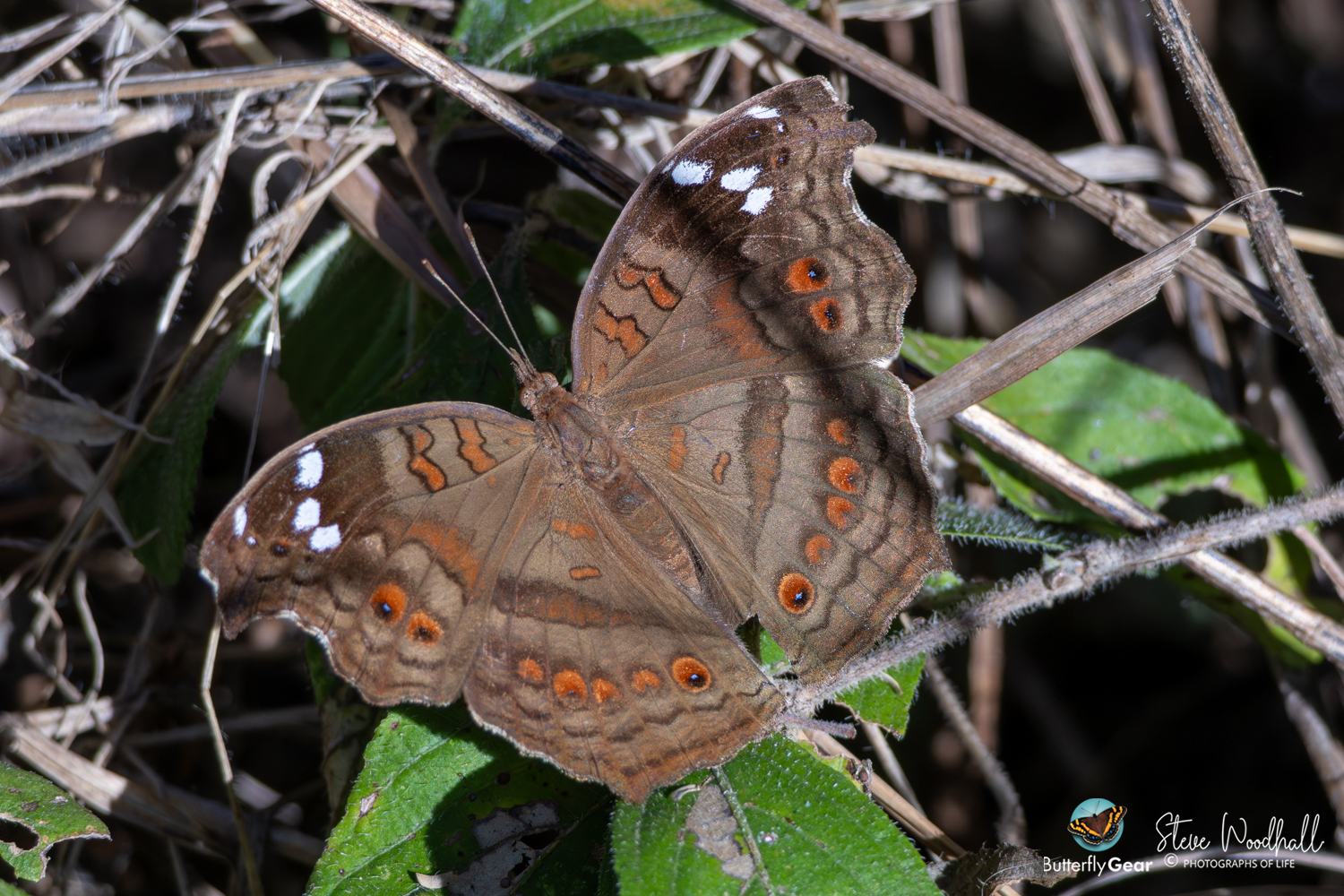
Spotted Brown Pansy ♀ upperside

Junonia natalica natalica
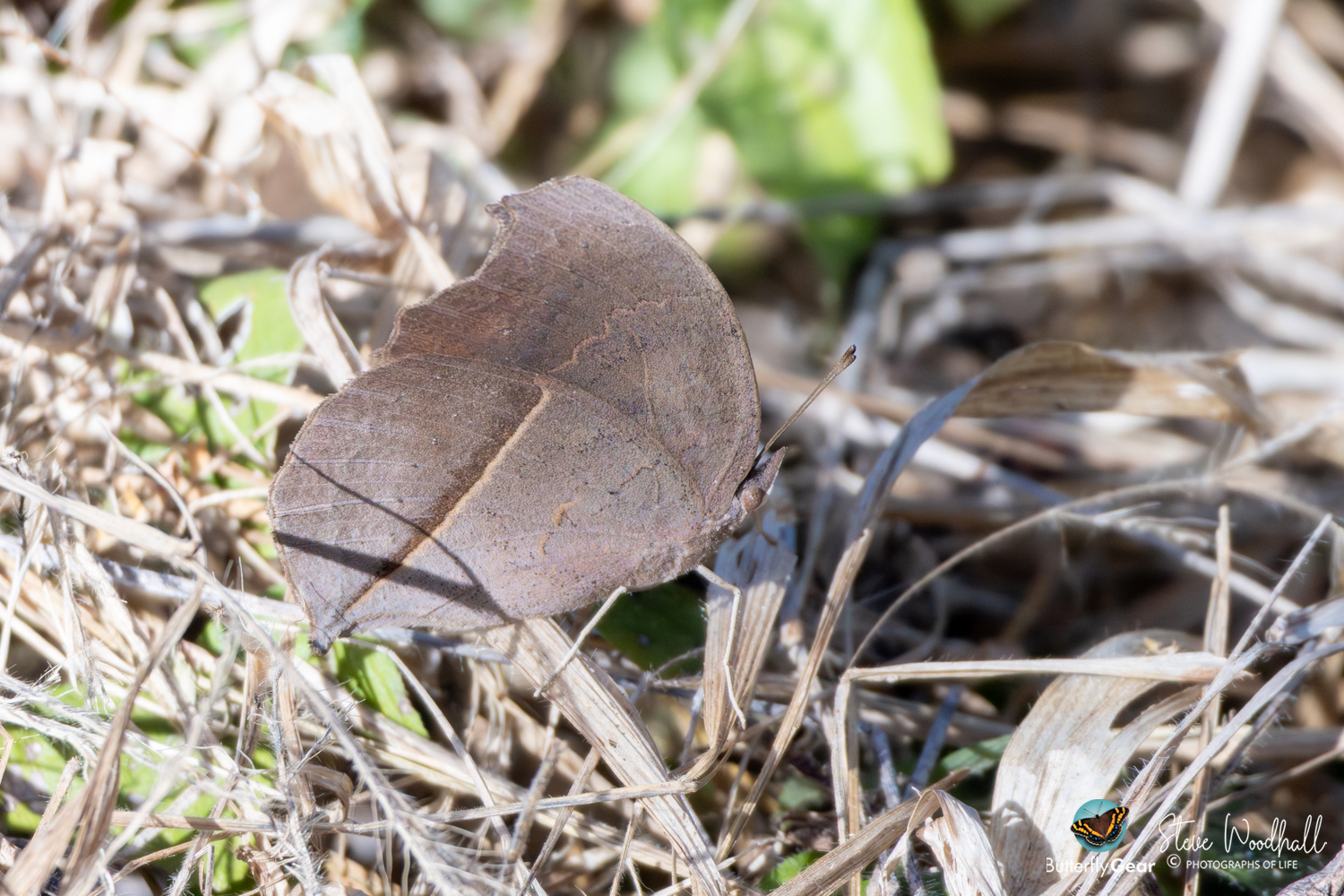
African Pansy ♀ underside

Junonia artaxia
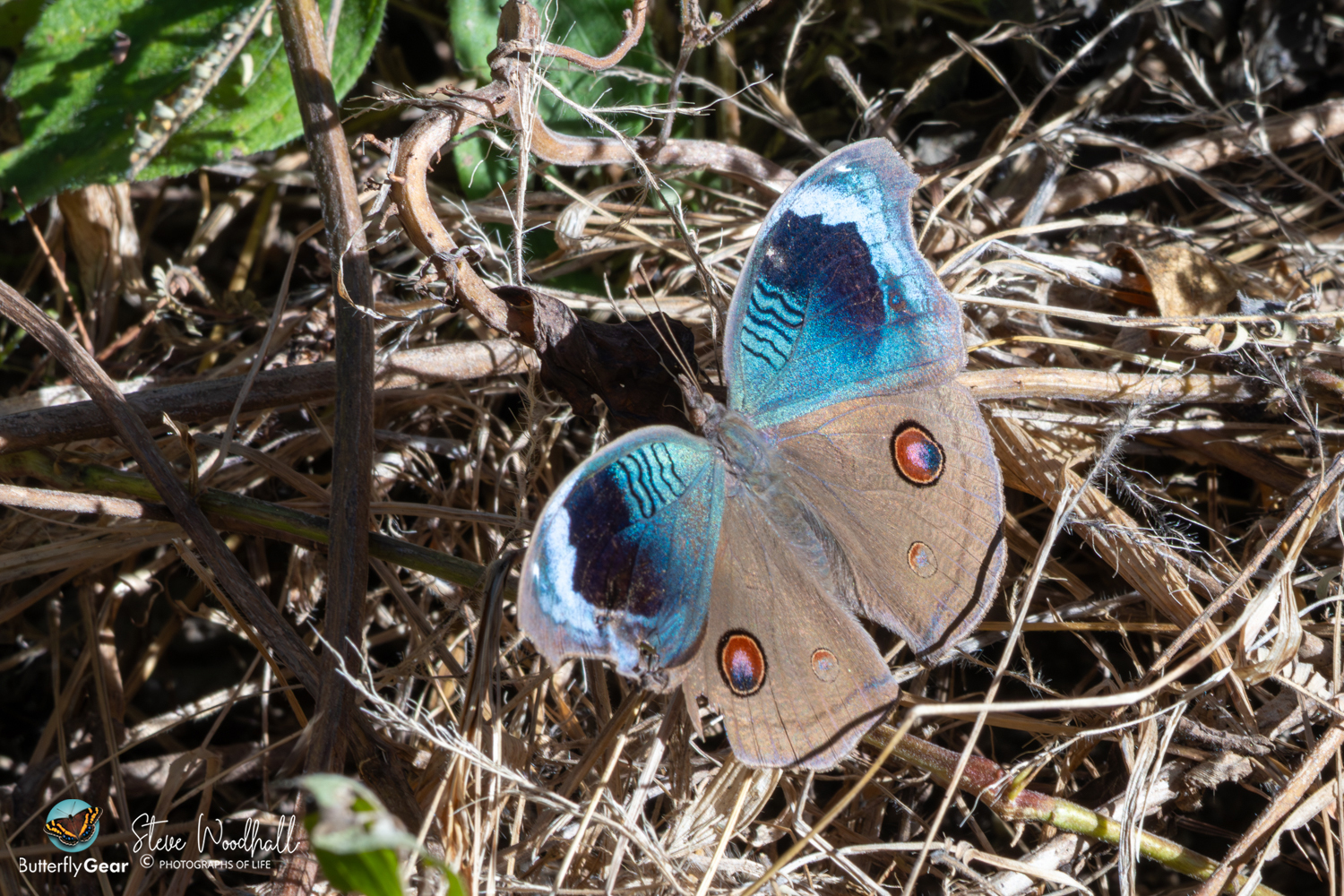
African Pansy ♀ upperside

Junonia artaxia
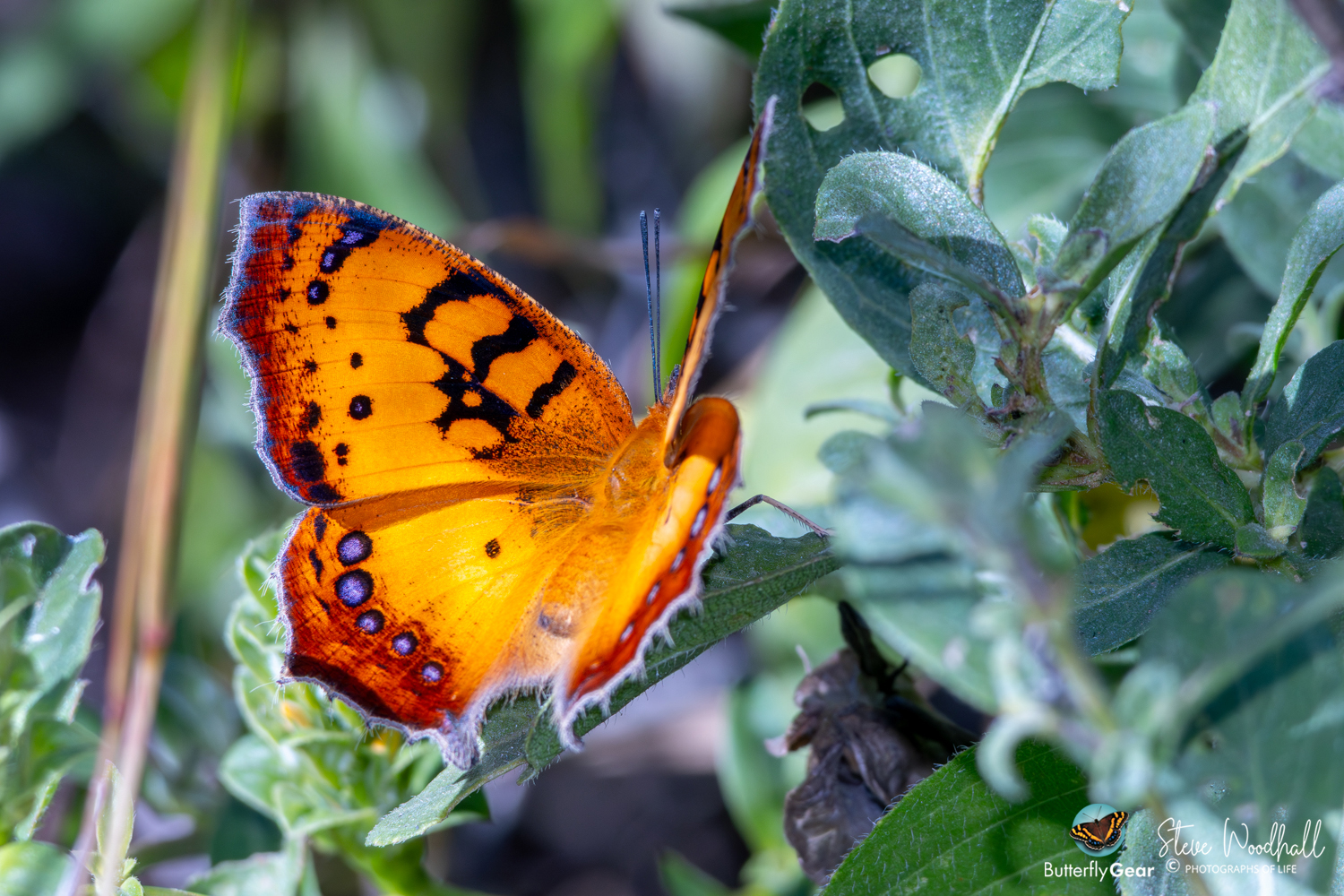
We next visited an area close to a small tributary of the Kafue that had been dammed. The reason was that it had good looking vegetation on Google Earth and was thought to be a possible Odonata (Dragonfly and Damselfly) spot. We did manage to photograph a few of them there. The main claim to fame for this location was that it was the only place we found the spectacular Pirate butterfly, Catacroptera cloanthe cloantheIts fiery orange upper side had us thinking we had found another non South African species but our disappointment was outweighed by its spectacular appearance. This really iis o a gem among African butterflies.

Pirate ♂ upperside

Catacroptera cloanthe cloanthe
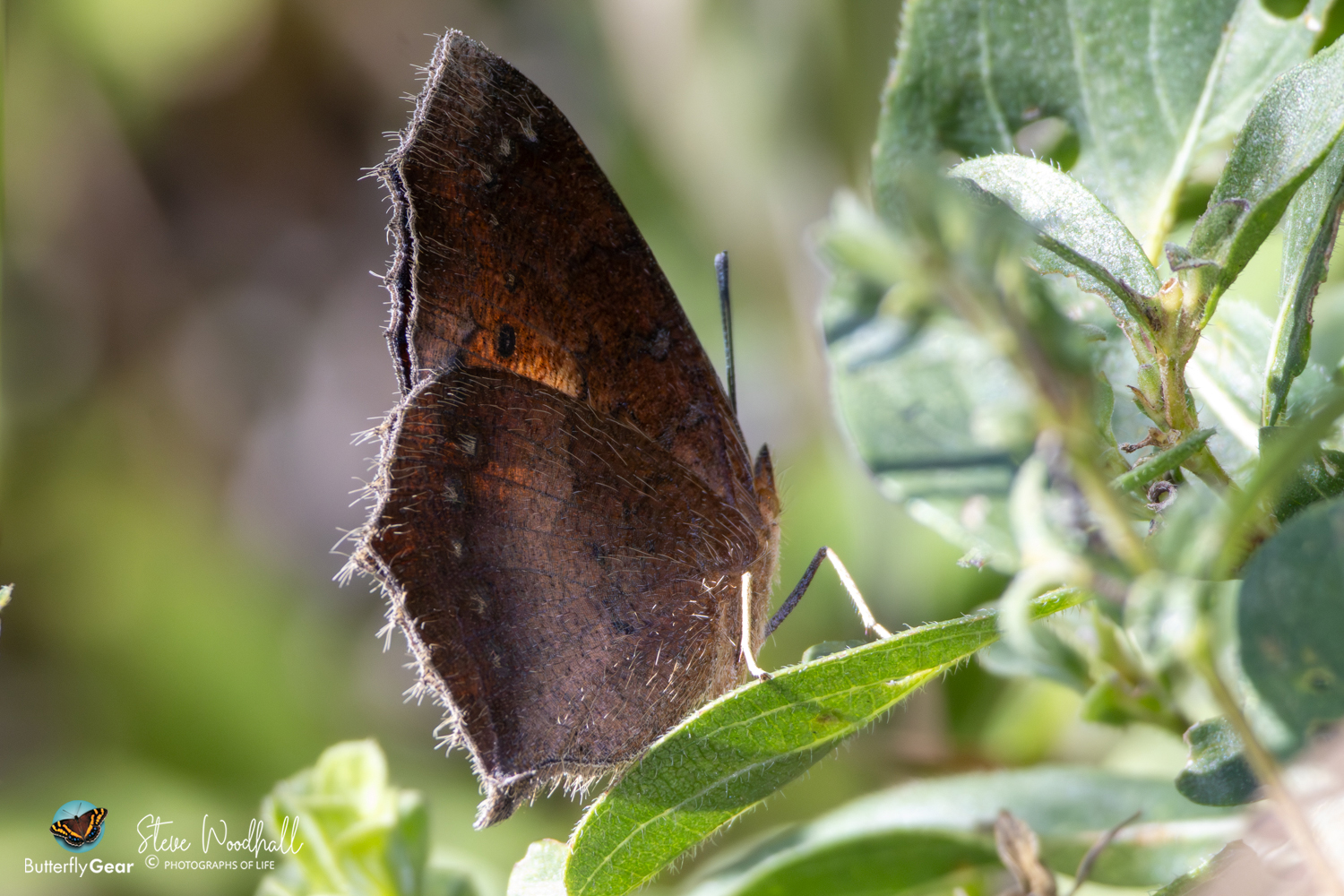
African Pansy ♂ underside

Catacroptera cloanthe cloanthe
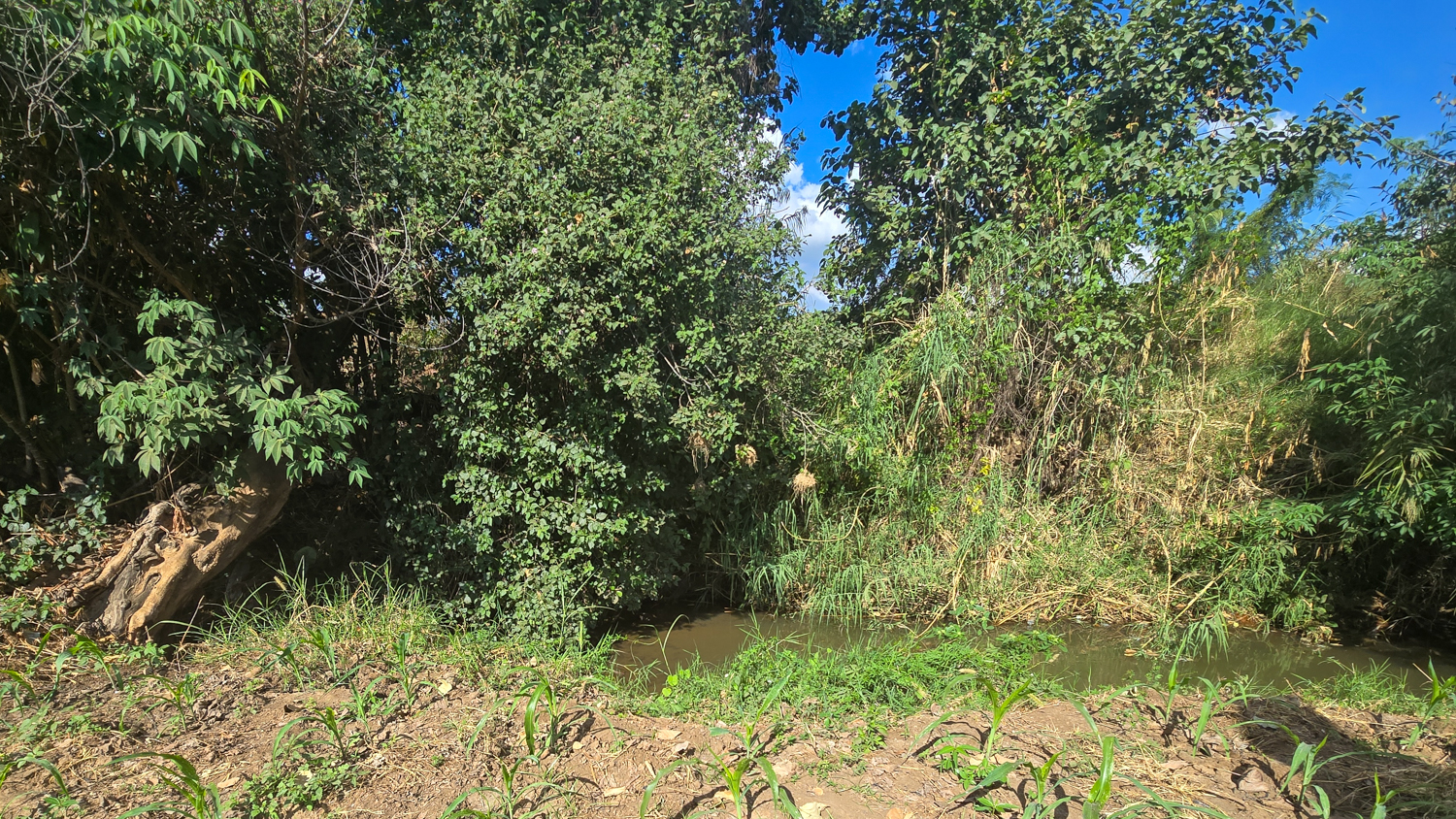
Our final count of the day took us along a broad green corridor beside an irrigation channel fed by the Kafue River. It was a lively mix of natural vegetation, ruderal weeds, and small patches of subsistence farming, and despite its disturbed character, the site was buzzing with life: 12 butterfly species and 38 individuals, with dragonflies and damselflies flashing over the water’s edge. The species we saw here were the very common African Grass Blue Zizeeria knysna and Zebra Blue Leptotes species.

Corridor vegetation along a irrigation channel fed by the Kafue
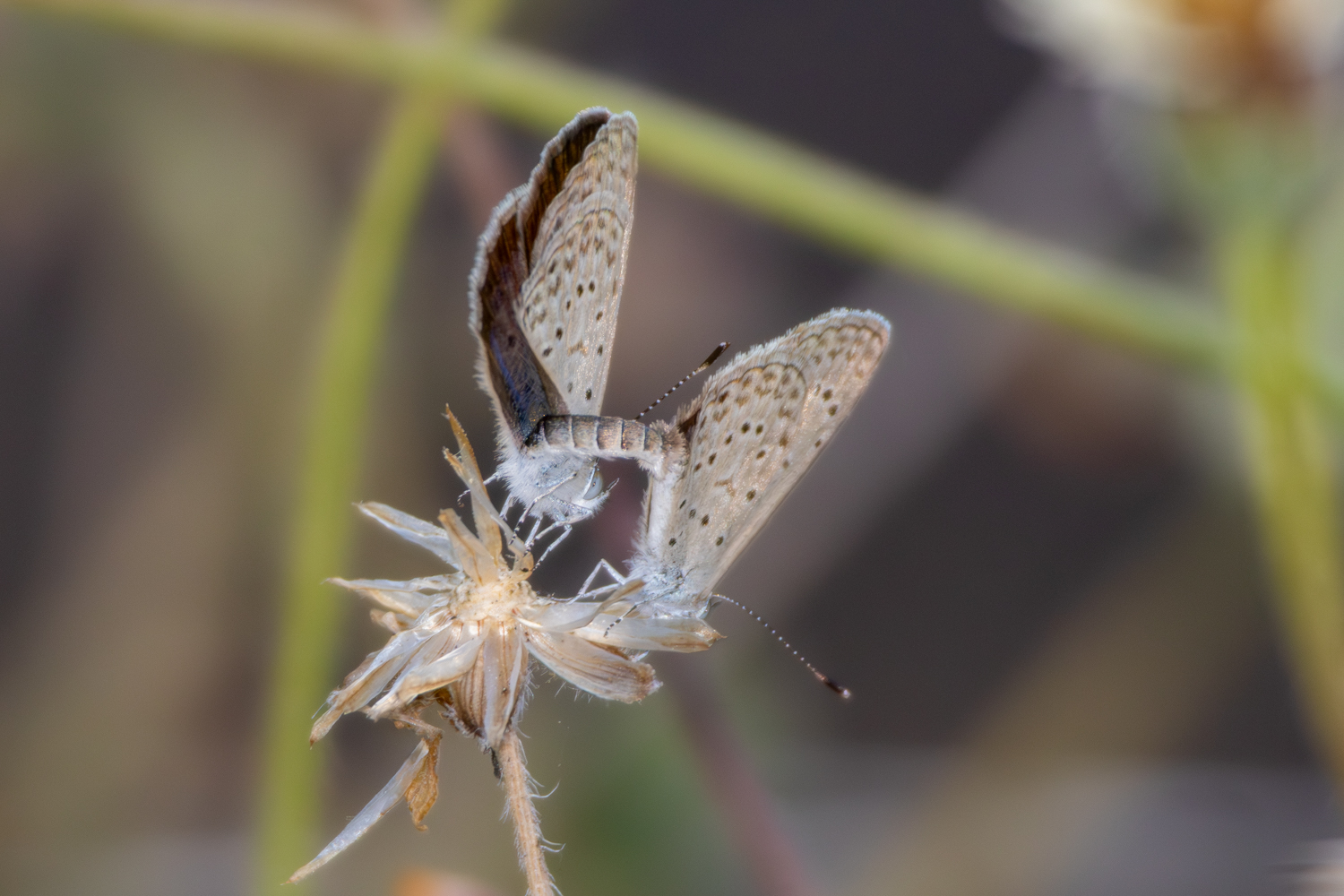
African Grass Blue mating pair

Zizeeria knysna knysna
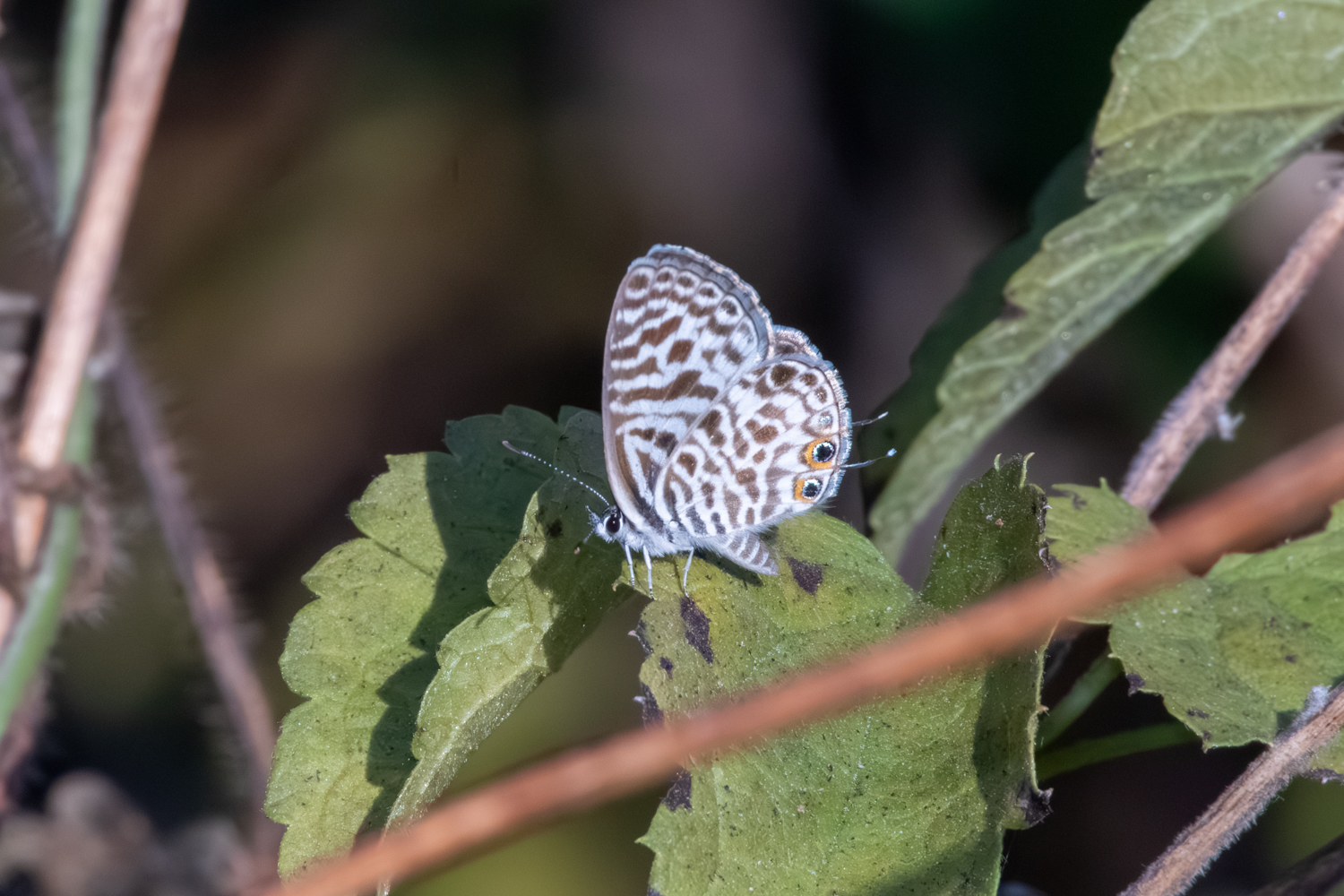
Zebra Blue

Leptotes sp
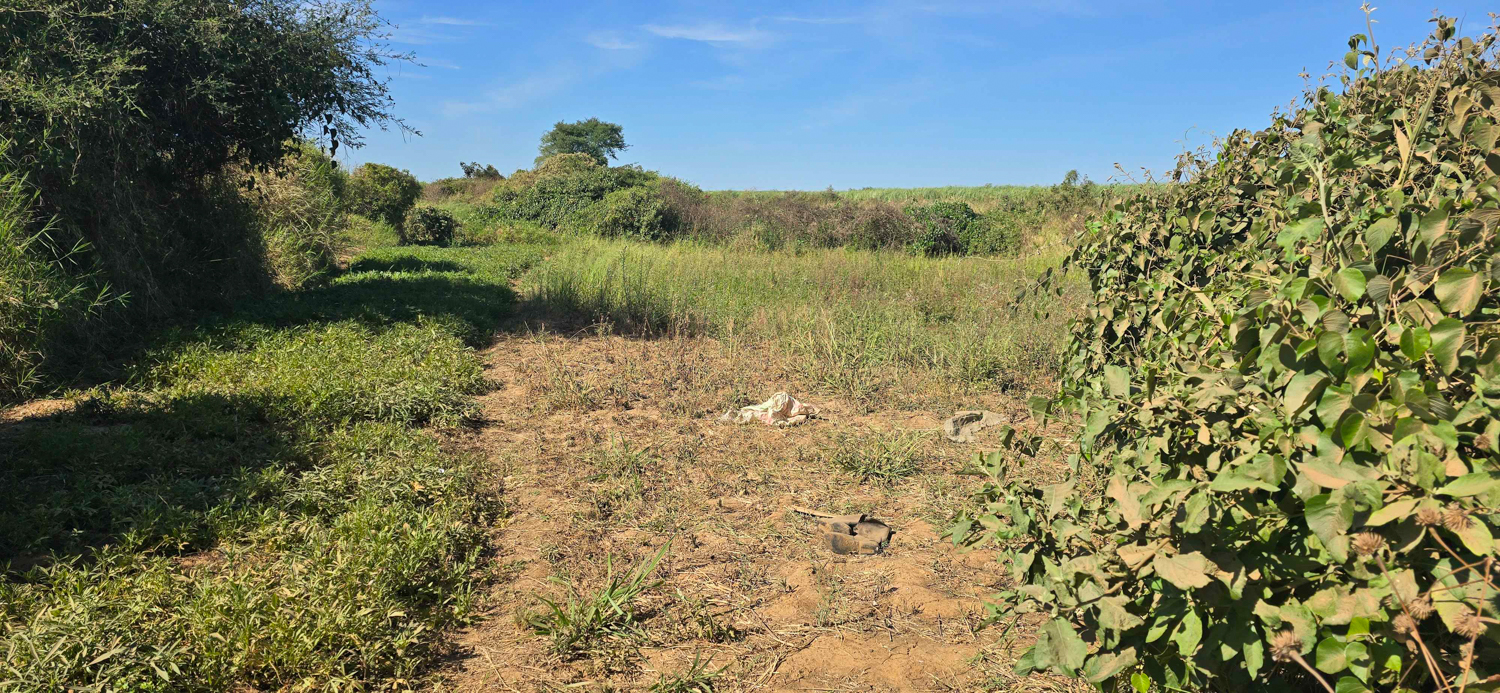
Day four (Wednesday 20 May):

Subsistence agriculture

Our first two counts this day were in heavily agricultural sites, where we saw little apart from African Grass Blues and migrating African Plain Tigers Danaus chrysippus orientis. We then reached a broad corridor between two sugarcane fields, similar to the previous day’s irrigation channel, with a mix of natural vegetation, ruderal growth, and small patches of subsistence agriculture. Here, the butterfly diversity improved noticeably.

River Bean Sesbania sesban grew along the channel, prompting me—based on my Zululand experience—to look for Sesbania Zebra Blue Leptotes pulchra, a species often seen flitting around this plant in marshy areas. Sure enough, we found a couple. Another welcome surprise was the familiar Painted Lady Vanessa cardui, that tireless international migrant, which had been notably absent from the week’s other observations. Dancing Telchinia Telchinia serena was also abundant here.

River Bean

Sesbania sesban

Sesbania Zebra Blue ♀

Leptotes pulchra pulchra
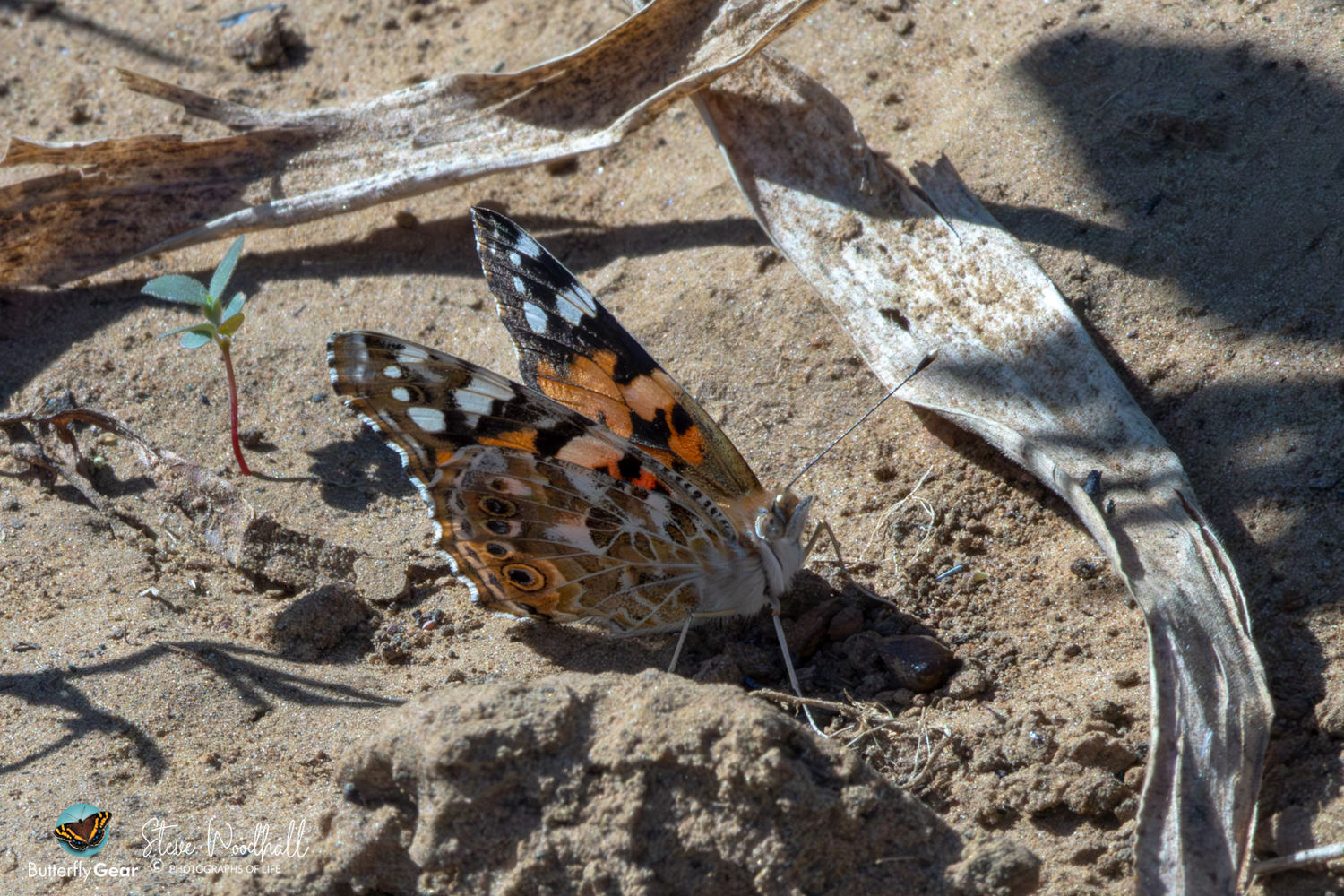
Painted Lady

Vanessa cardui
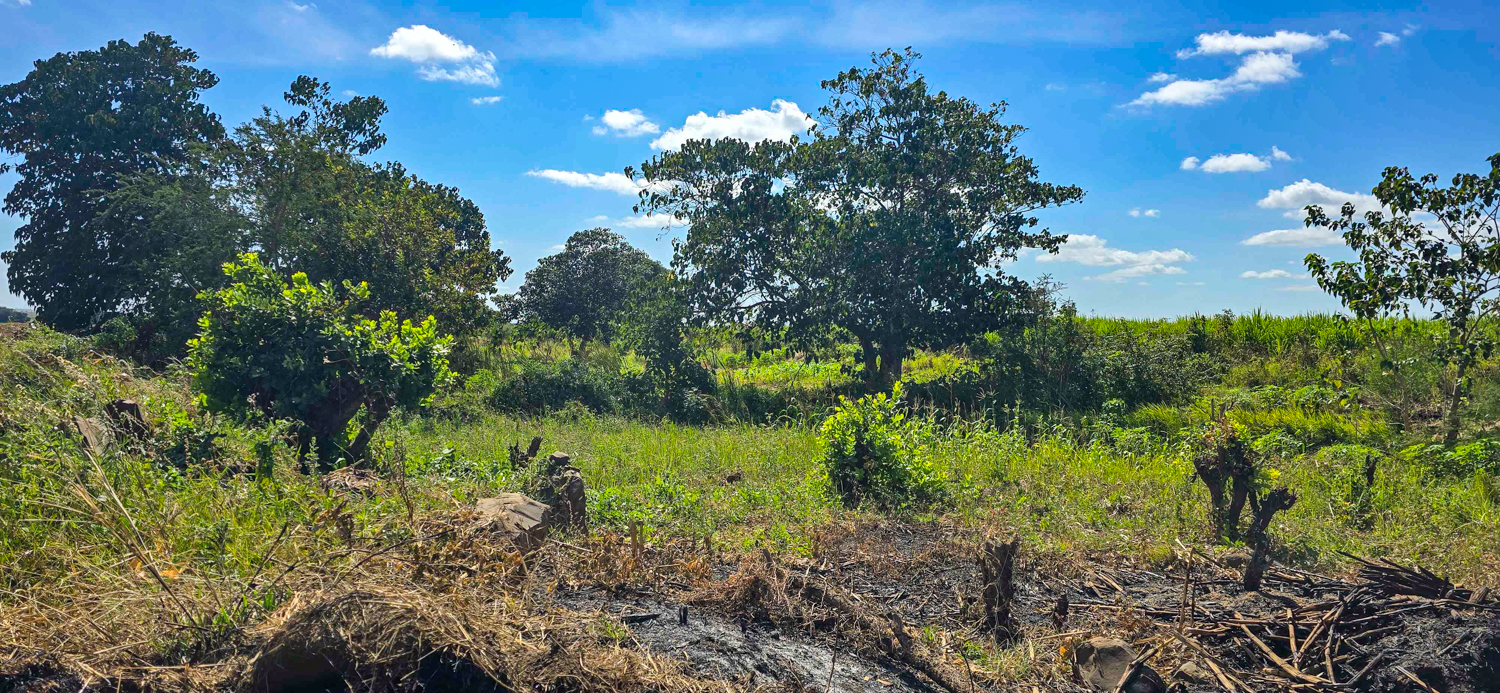
The next count took place in another corridor, this one with more natural vegetation and a wide irrigation channel with lots of wetland plants. Dragonflies were abundant; I had never seen so many Yellow-veined Widows Palpopleura jucunda in one place before. Usually rare in South Africa, they were especially noteworthy here, as this was also the first time I had seen females. We also recorded several Oval-eyed Five-rings Ypthimomorpha itonia and Dancing Telchinia Telchinia serena.

Corridor site with natural vegetation
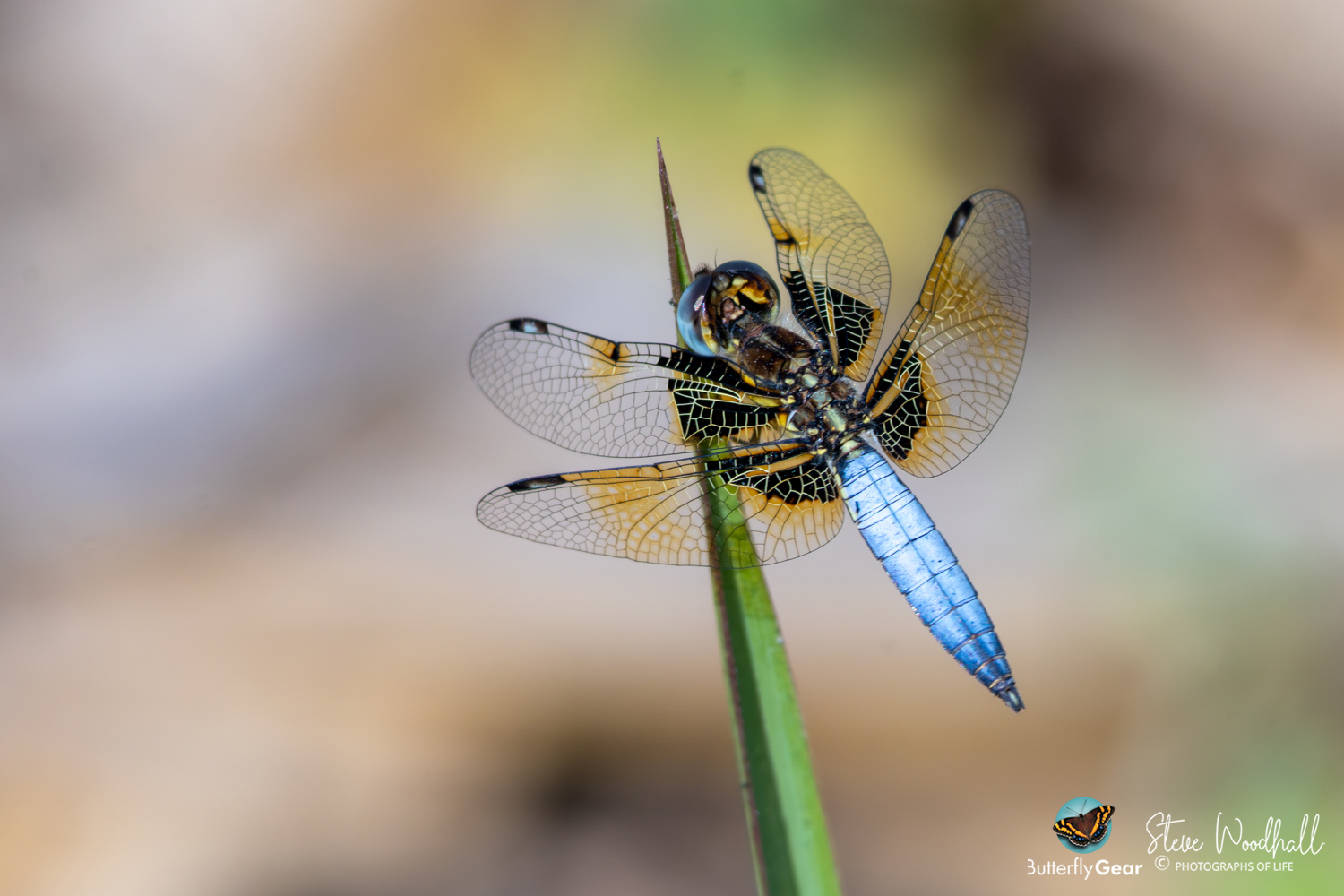
Yellow-veined Widow ♂

Palpopleura jucunda

Yellow-veined Widow ♀

Palpopleura jucunda
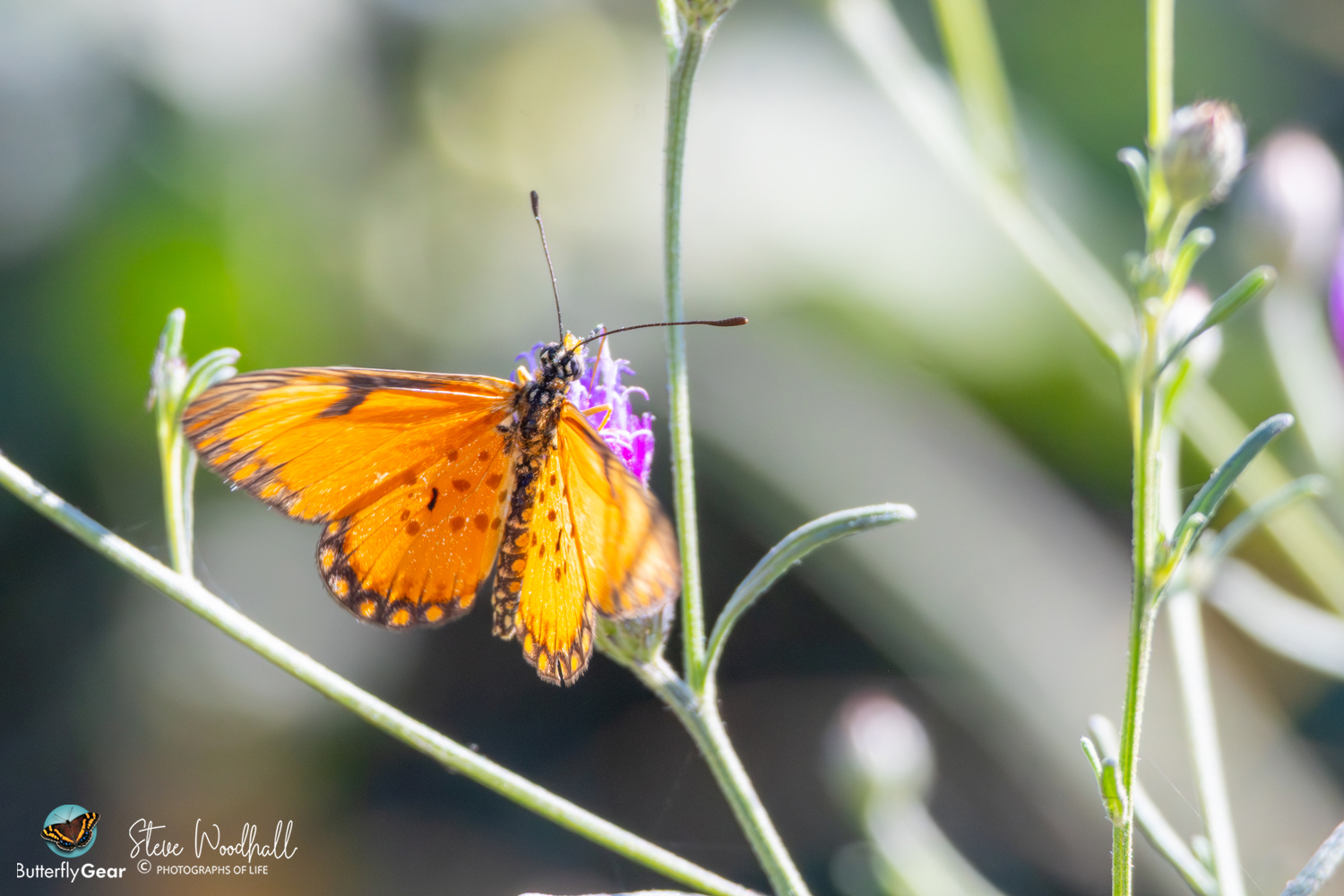
Dancing Telchinia ♂

Telchinia serena
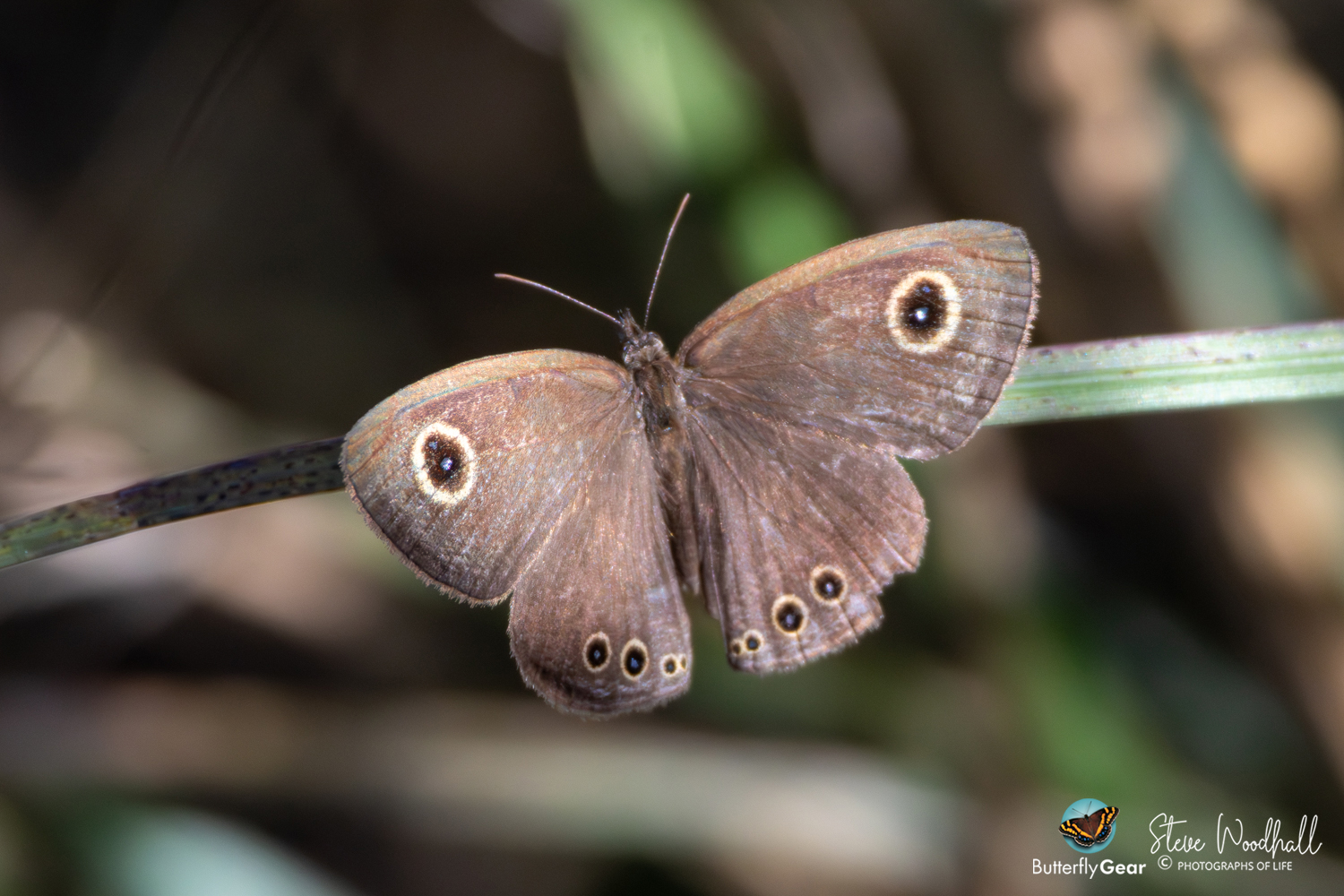
Oval-eyed Five-ring ♂

Ypthimomorpha itonia
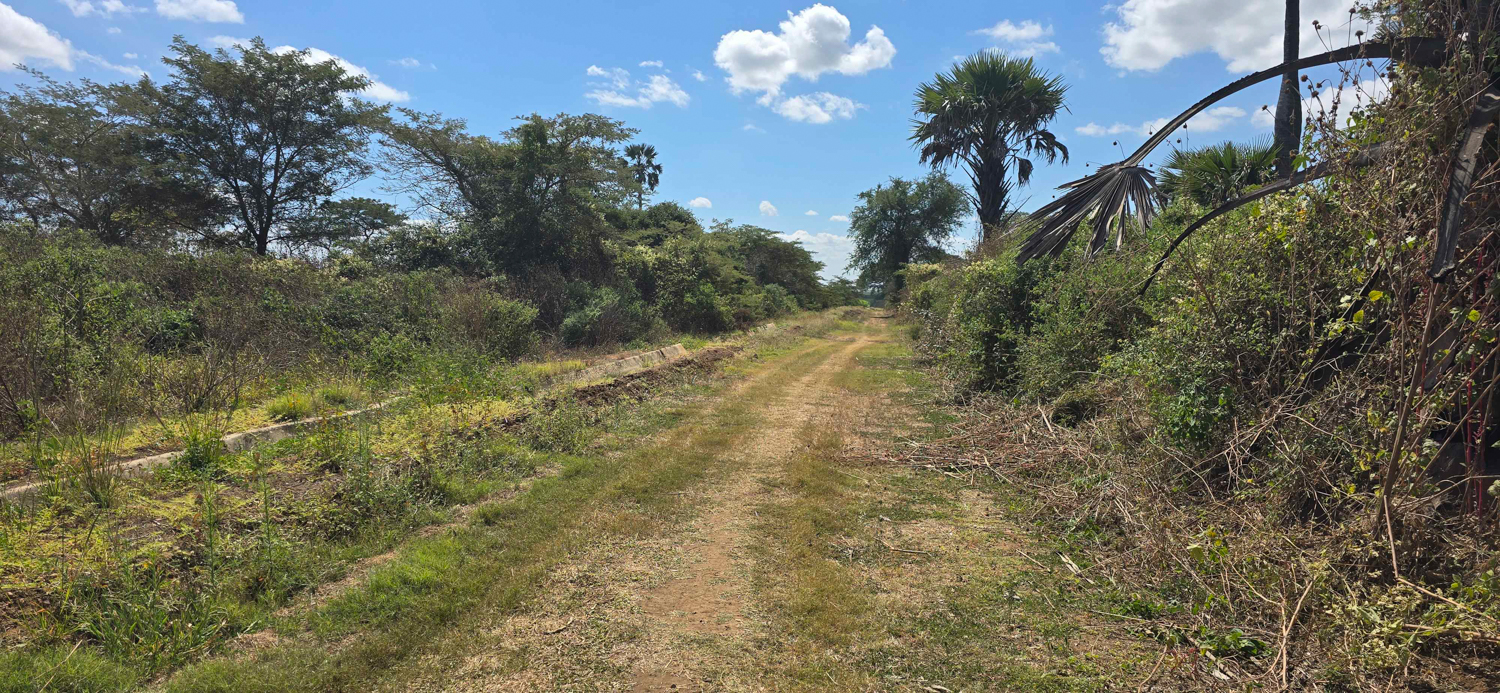
We then visited a large area of natural vegetation in the north-western part of the farm, just south of the Kafue. Ruderal weeds were abundant, including Coatbuttons Tridax procumbens, Castor Oil Plant Ricinus communis, and Devil’s Thorn Tribulus terrestris. The latter two likely explained the high numbers of African Grass Blues Zizeeria knysna and Golden Pipers Eurytela dryope angulata, which use them as host plants. Coatbuttons was widespread across the area and proved to be a particularly popular nectar source. There were, however, many indigenous plant species there.

We completed a count there (63 butterflies, 15 species) but decided to return, as a bird-ringing session was planned for another day.

A very productive natural vegetation site
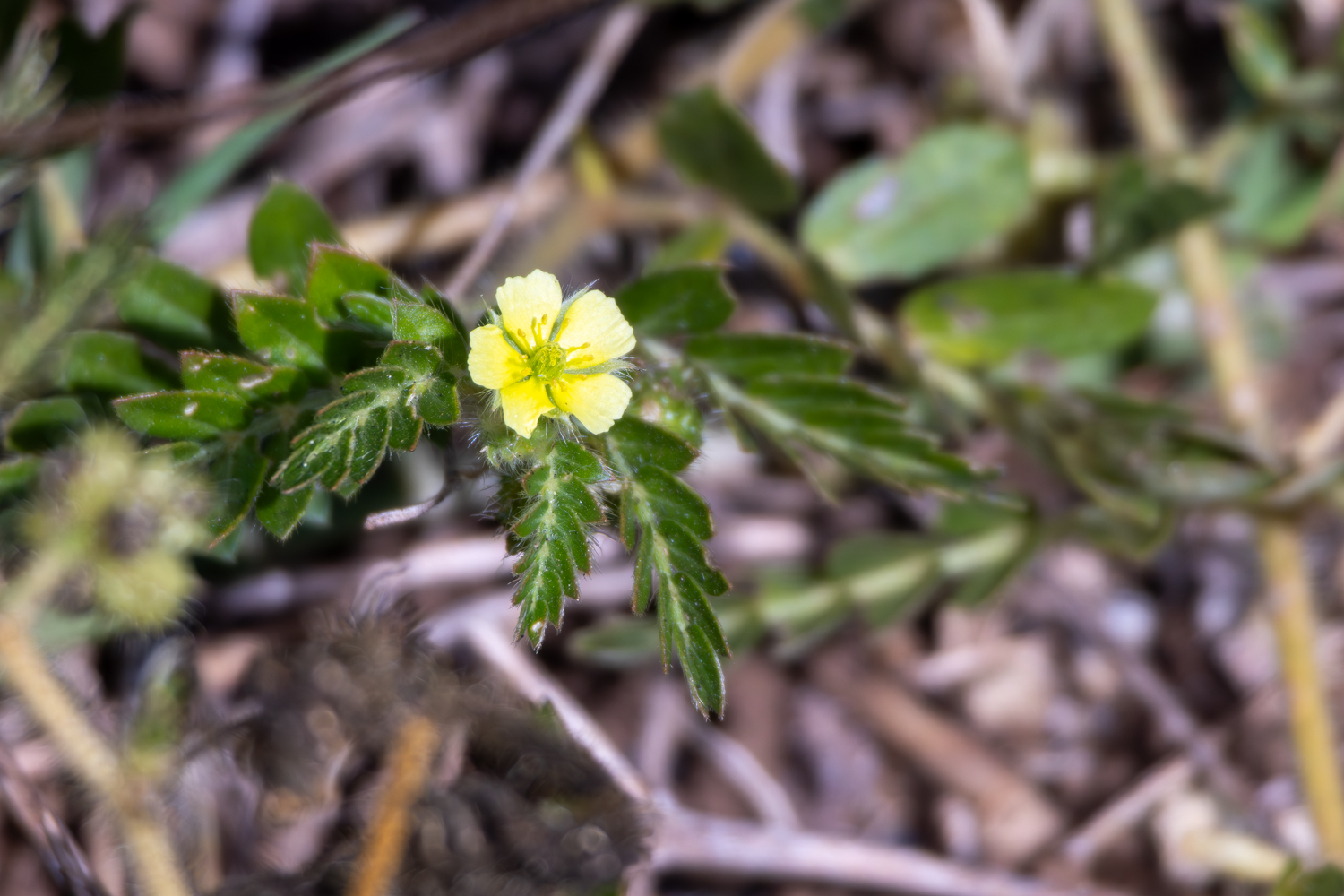
Devil's thorn

Tribulus terrestris
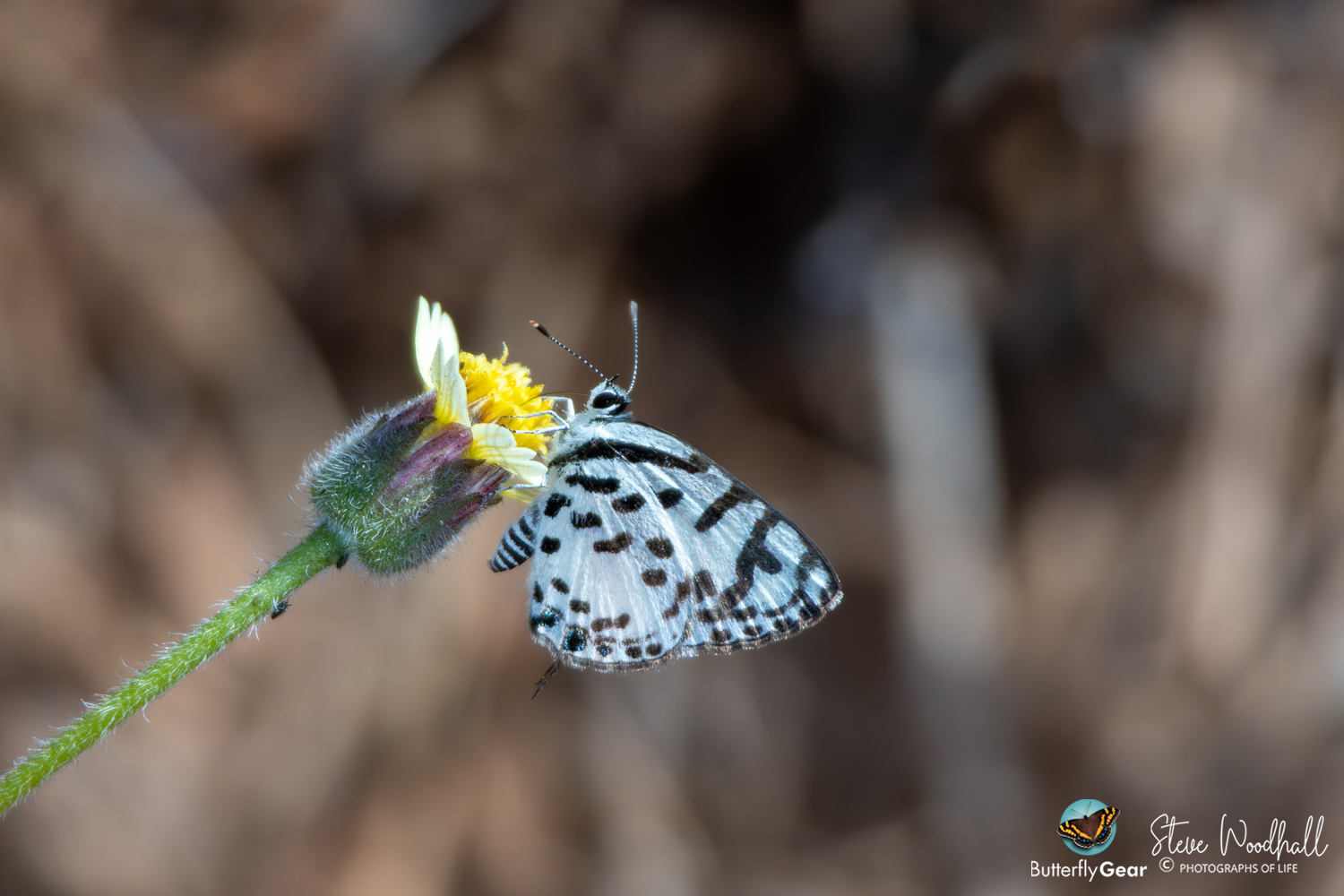
White Pie ♂ on a Coatbuttons flower

Tuxentius calice on Tridax procumbens
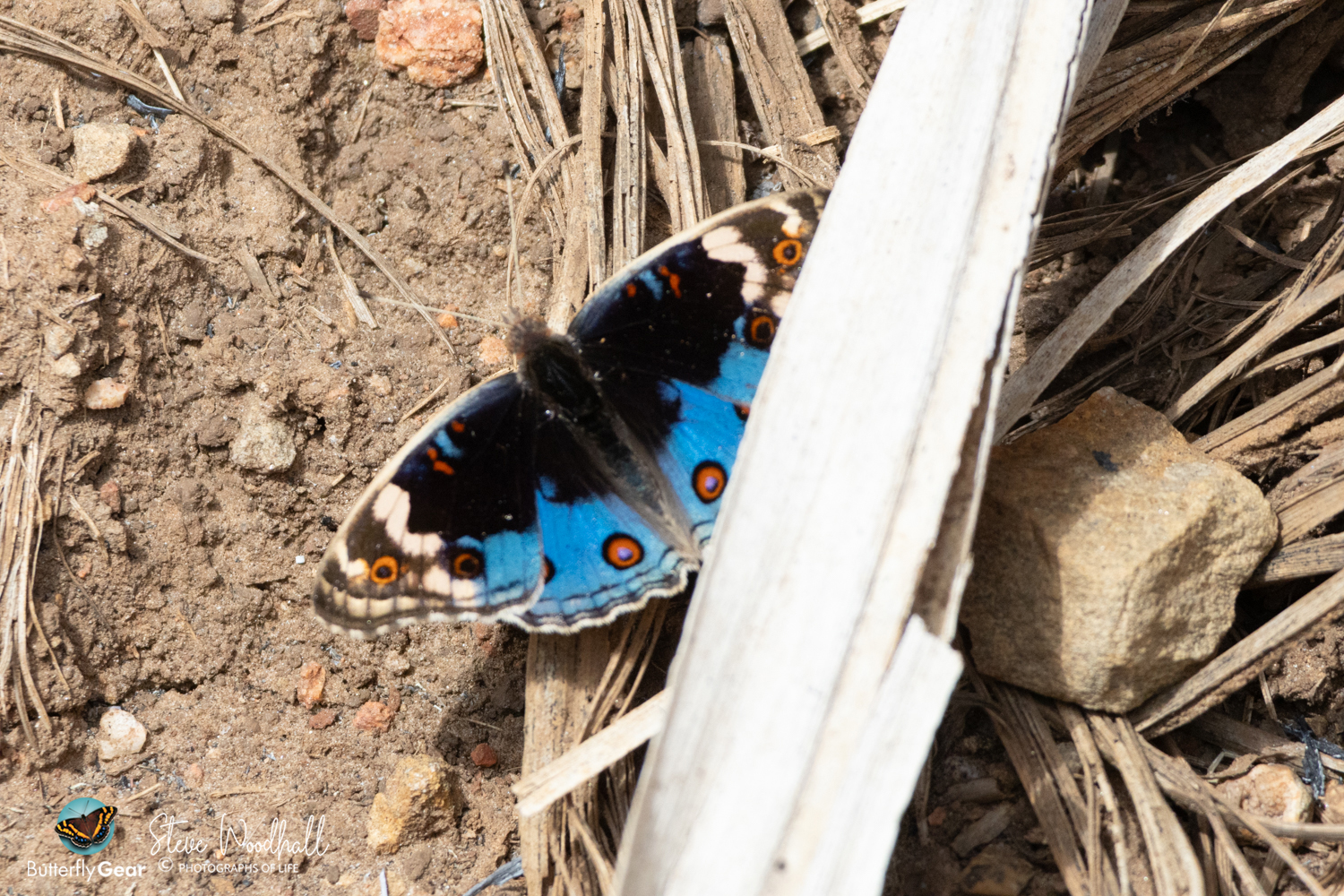
We made a few more counts along access tracks through the sugarcane. In these we found common species like African Grass Blue as well as migrating Pointed Caper Whites and African Caper Whites. Occasionally we would find something different, like the Dark Blue Pansy Junonia oenone oenoneor the spectacular African Blue Pansy, Junonia orithya madagascariensis.

African Blue Pansy ♂

Junonia orithya madagascariensis
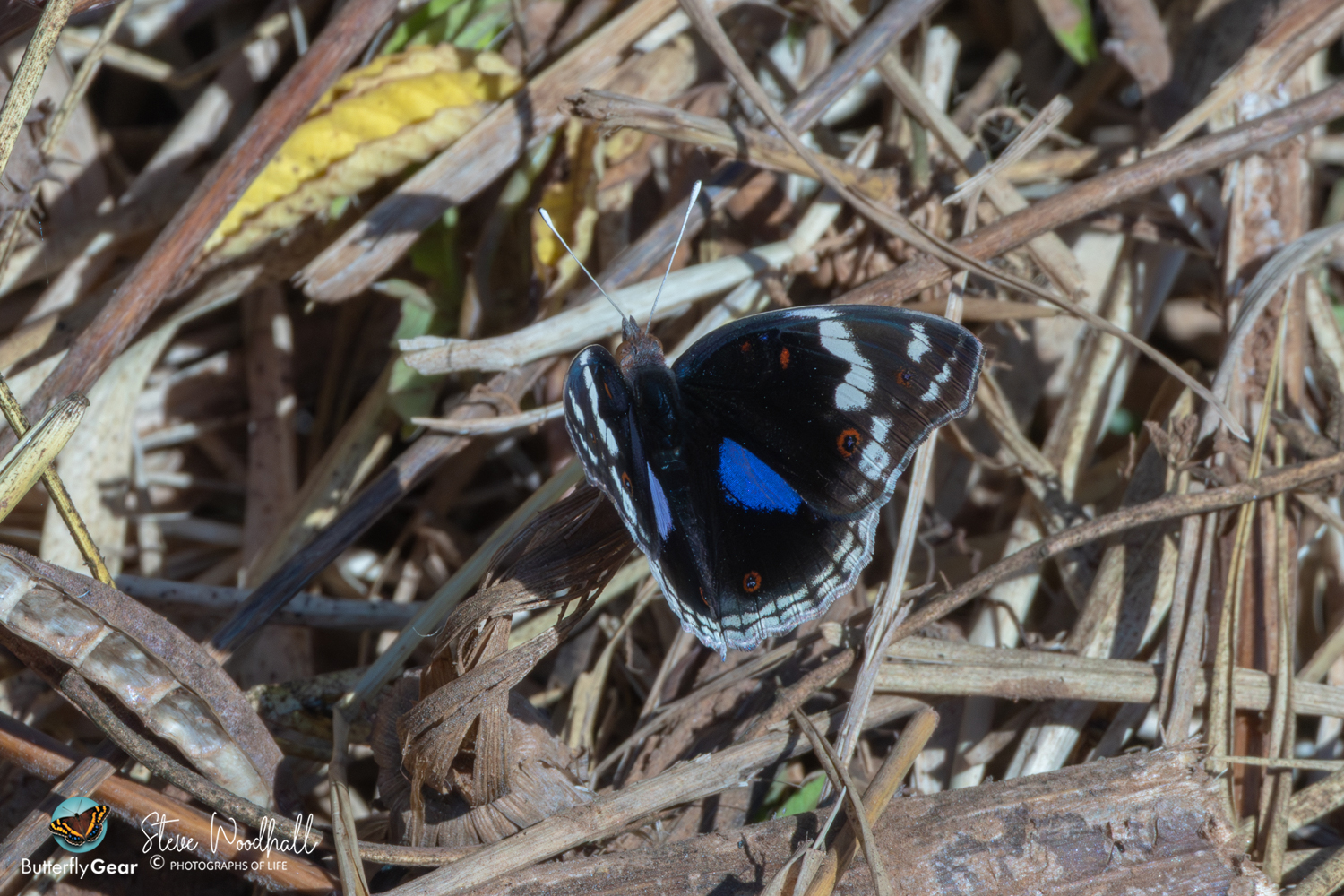
Dark Blue Pansy ♂

Junonia oenone oenone

Day five (Thursday 21 May):

The next day began at a potential corridor site beside an irrigation channel between two cane roads. The channel supported plenty of natural vegetation, including abundant Tridax procumbens that attracted butterflies. Our count produced 27 individuals from seven species. As expected, most were the ubiquitous African Grass Blues and Dancing Telchinias, but we also recorded a couple of butterflies we had not yet seen: Lachnocnema species, commonly known as Woolly Legs. They flew low among the vegetation, suggesting they might be Grassland Woolly Legs Lachnocnema durbani, although their markings were closer to the Common Woolly Legs, Lachnocnema bibulus. There were also some Grey Smoky Blues Euchrysops malathana.

Woolly Legs ♂

Lachnocnema sp. cf. bibulus
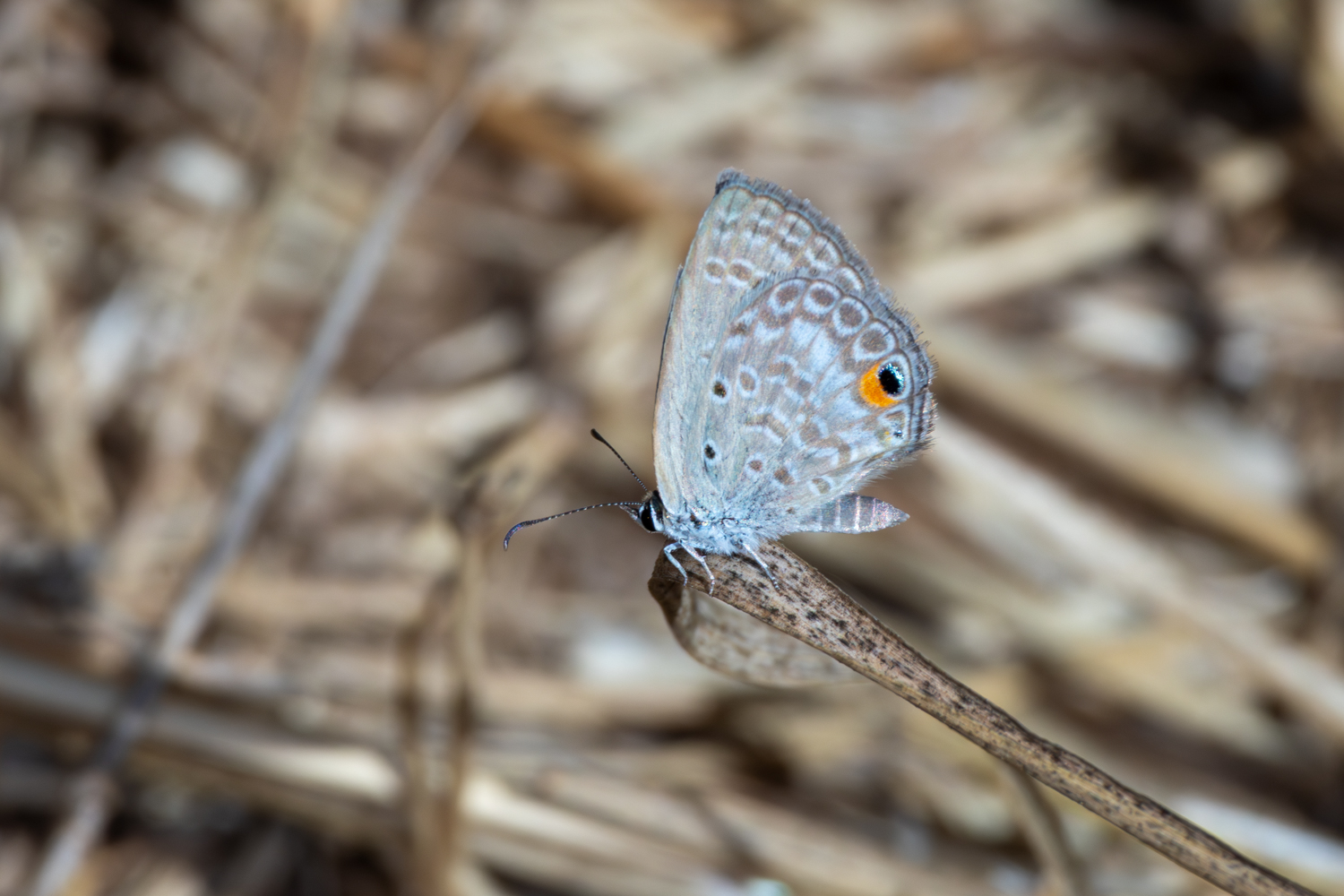
Grey Smoky Blue ♂

Euchrysops malathana
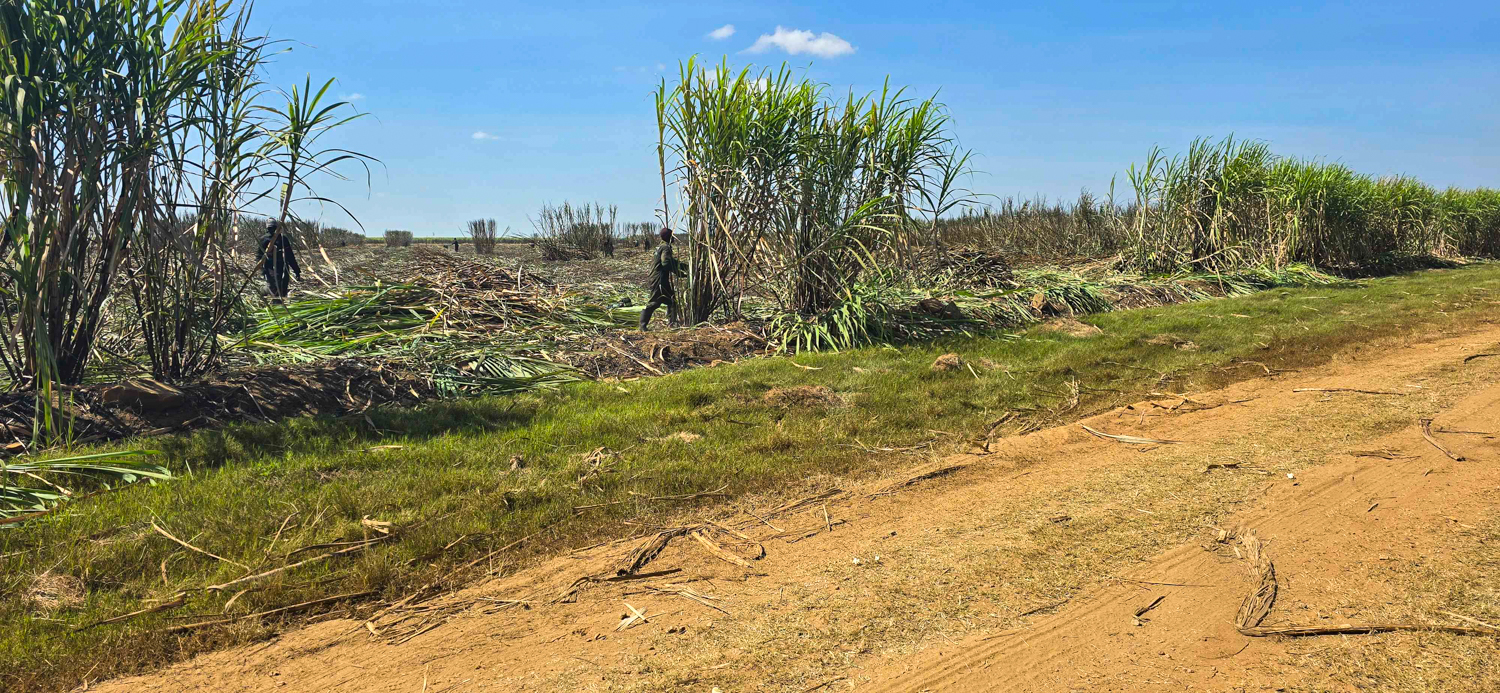
We next conducted counts at two agricultural sites within the cane fields. At one, the cane foliage had recently been burnt off, and harvesters were hard at work with pangas. I commented on how impressively hard they were working and was rewarded with a broad smile. Zambians are wonderfully friendly. I doubt I would have lasted five minutes at that pace before collapsing in a heap!

Despite the monoculture and heavy traffic, butterflies were still active along the roads. In the burnt cane area, I counted 13 individuals from four species. Plain Tigers Danaus chrysippus were migrating along the road, joined by the usual swarms of African Grass Blues and many Dancing Telchinias. One small blue, with a strikingly bright upperside, was unfamiliar at first, so I logged it in the BMS app as an unidentified blue. A long-distance photo with the R7, followed by heavy cropping, revealed it to be a male Sesbania Zebra Blue Leptotes pulchra pulchra—a long way from its marshy home!

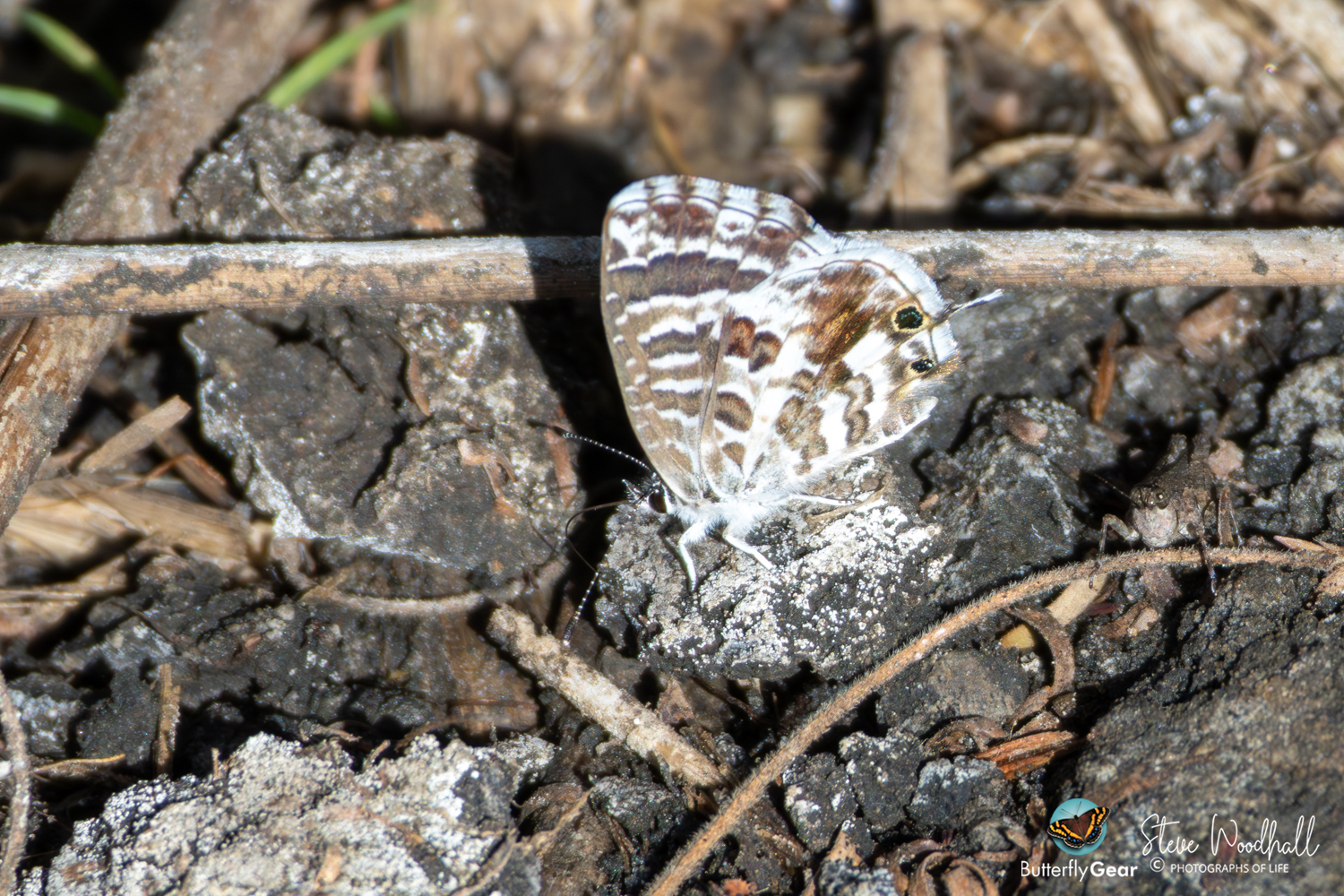
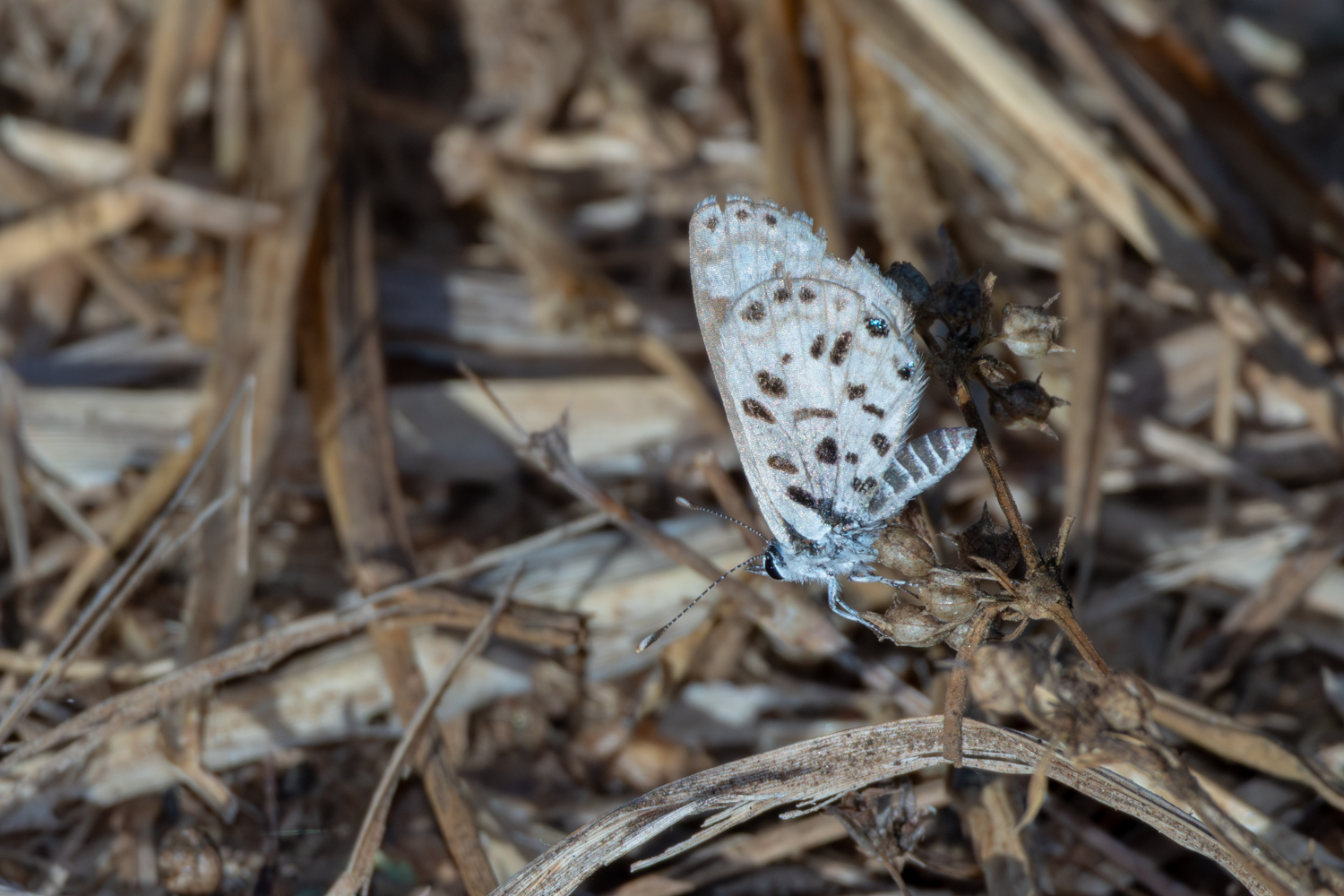
At the second site, several Brown Grass Jewels Freyeria trochylus were flying. Their host plant, the low-growing Creeping Indigo Indigofera spicata, was widespread along the verges despite being regularly trampled and driven over.

A single African Joker, Byblia anvatara acheloia, was seen nearby.

A recently burned Agricultural site

Cane being harvested - these guys deserve a gold star for effort!
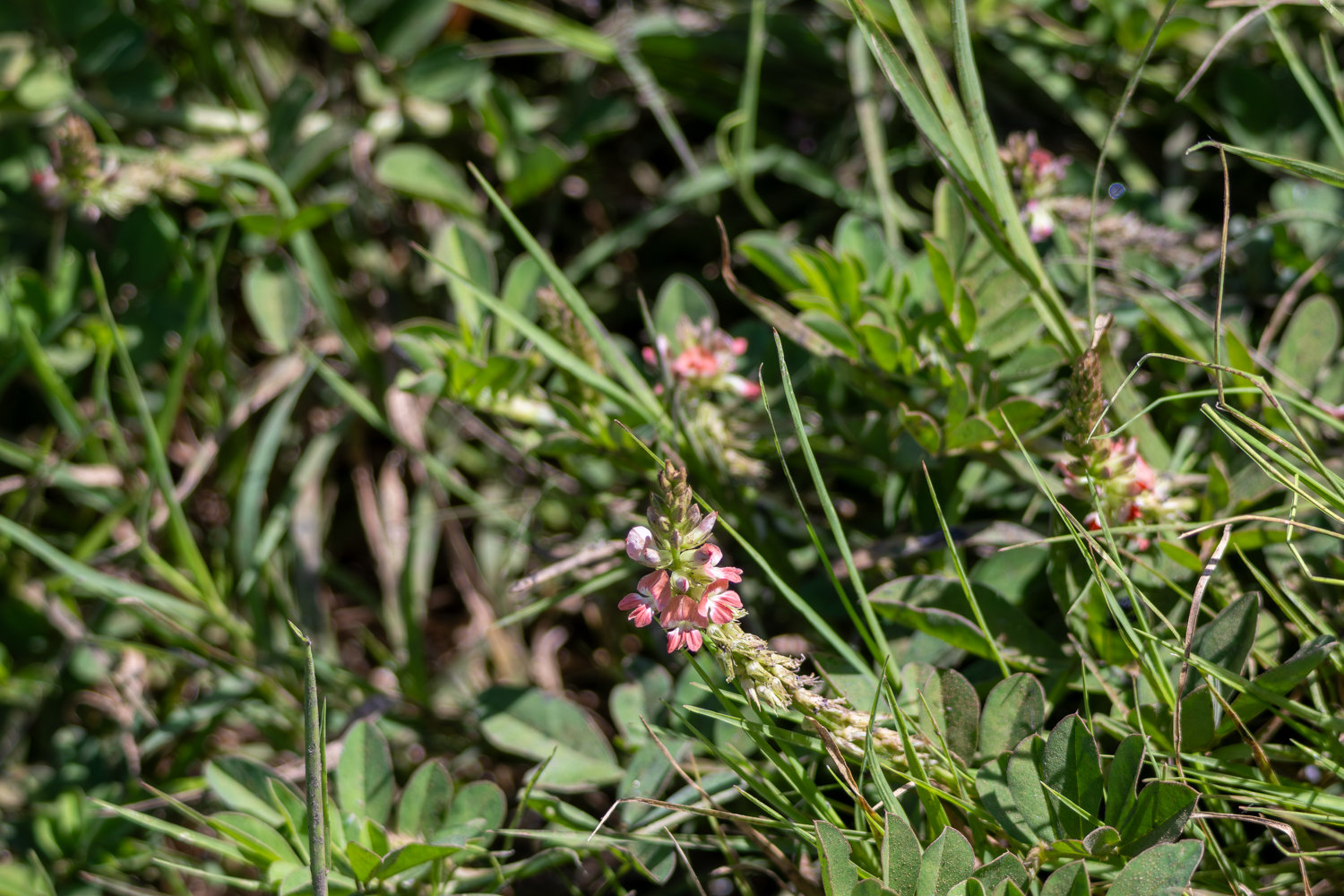
Creeping Indigo

Indigofera spicata
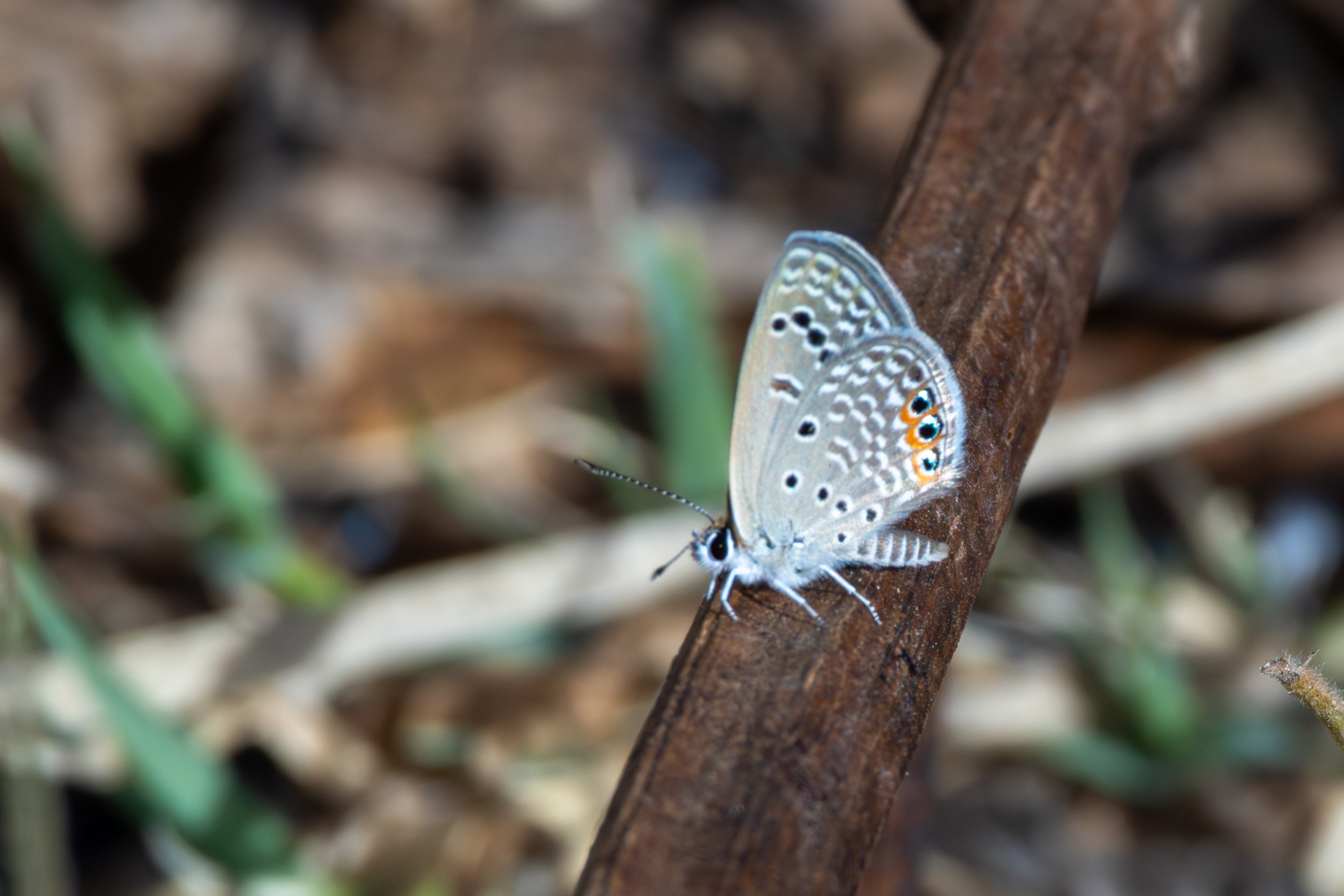
Brown Grass Jewel ♂

Freyeria trochylus
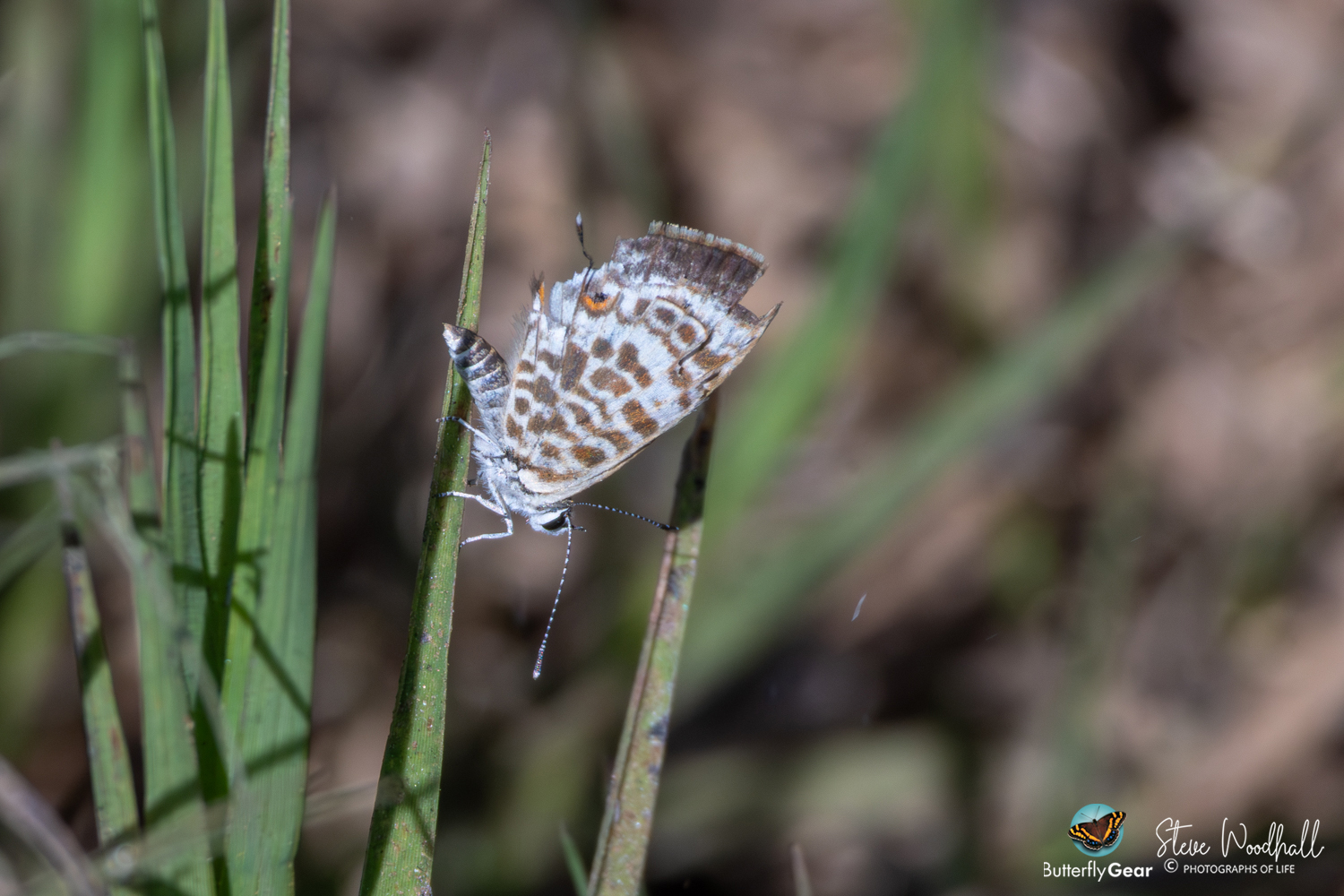
Sesbania Zebra Blue ♂

Leptotes pulchra
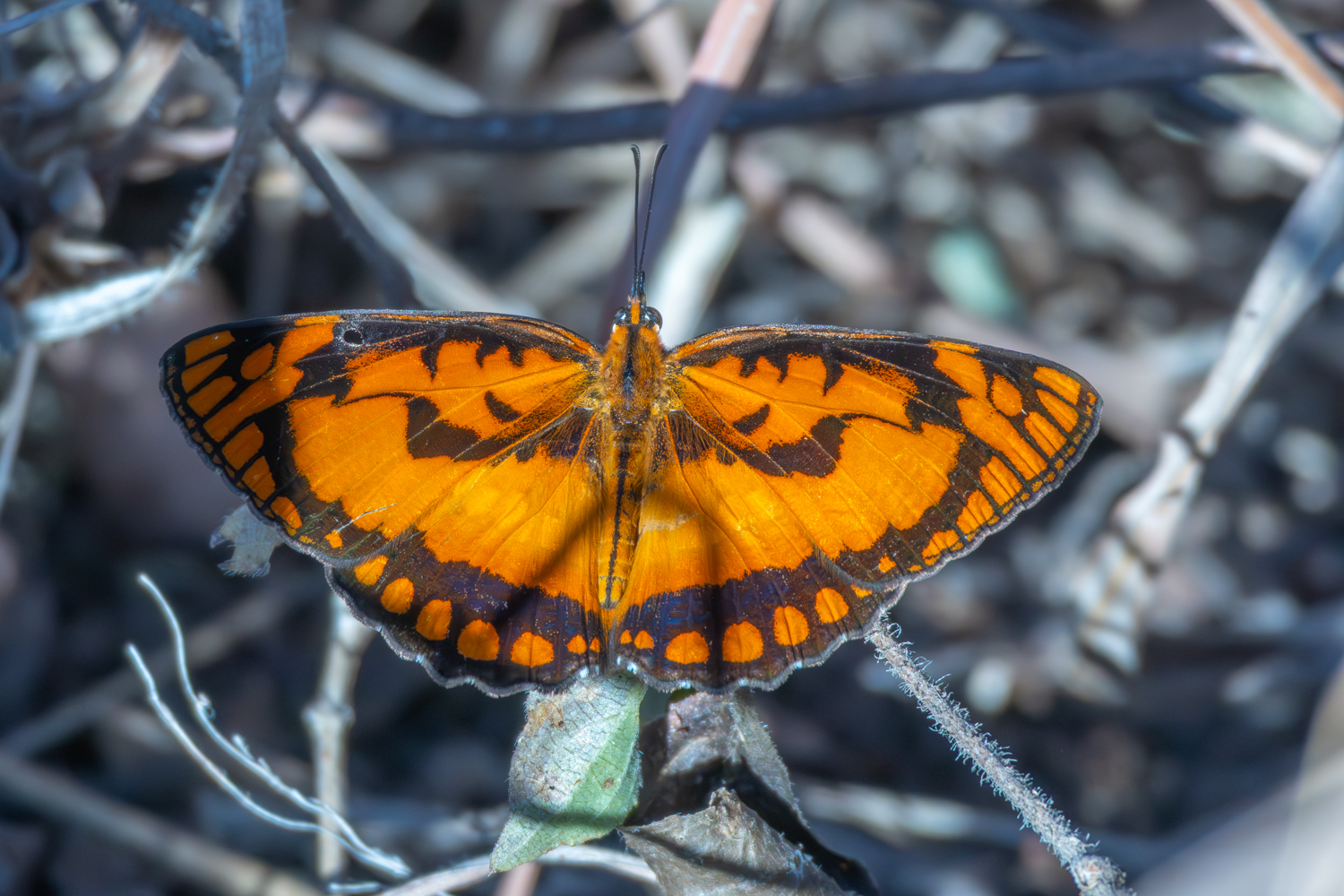
African Joker ♂

Byblia anvatara acheloia

Our next count took us to the far north of the area, along the edge of the Kafue floodplain. The ground was dry enough to walk on, though that would likely be impossible in the rainy season. Butterfly activity was limited: we counted only eight individuals, including common species such as the African Migrant Catopsilia florella. A few White-barred Telchinias Telchinia encedon were present; their caterpillars feed on wetland Dayflowers Commelina species. The main surprise was a colony of Woolly Legs (probably Lachnocnema bibulus) gathered around scale insects on stunted Cottonbush Gomphocarpus sp. plants.

On the Kafue flood plain

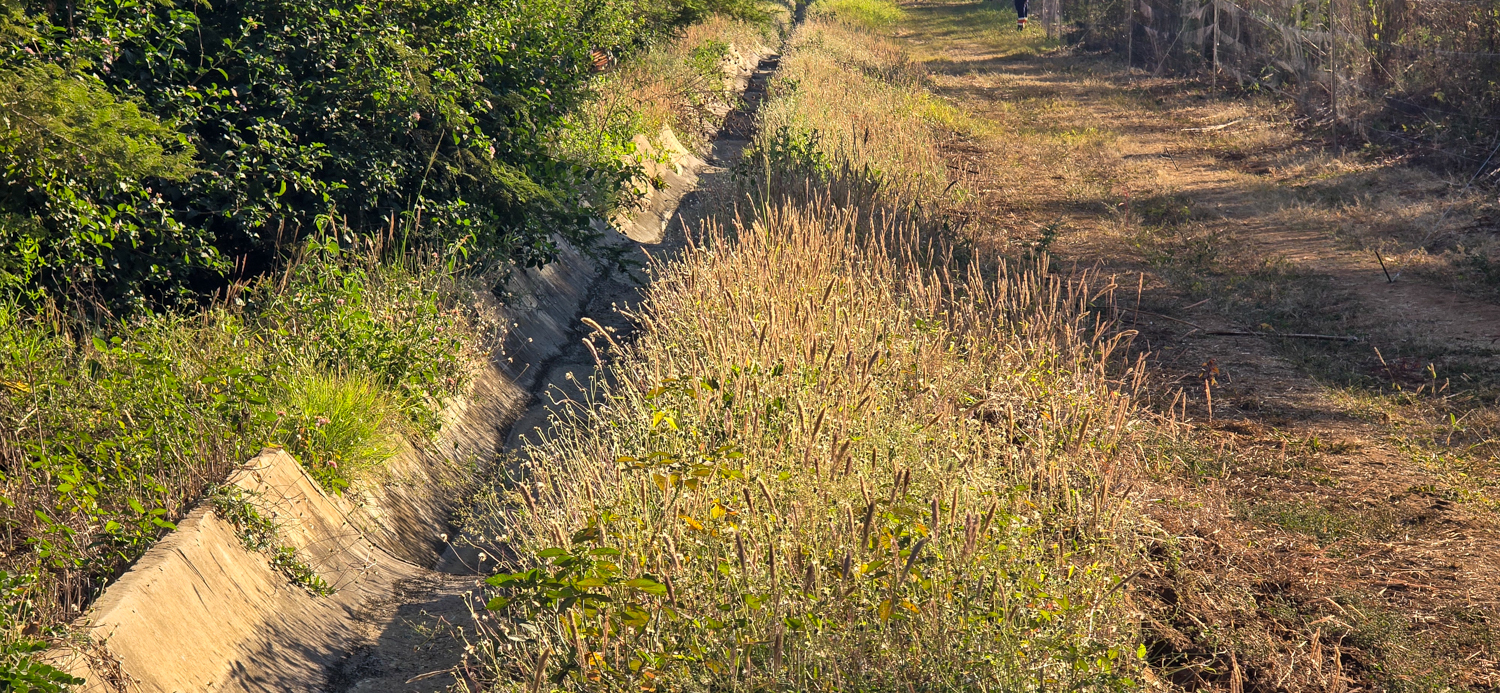
The embankment on a road following an irrigation channel
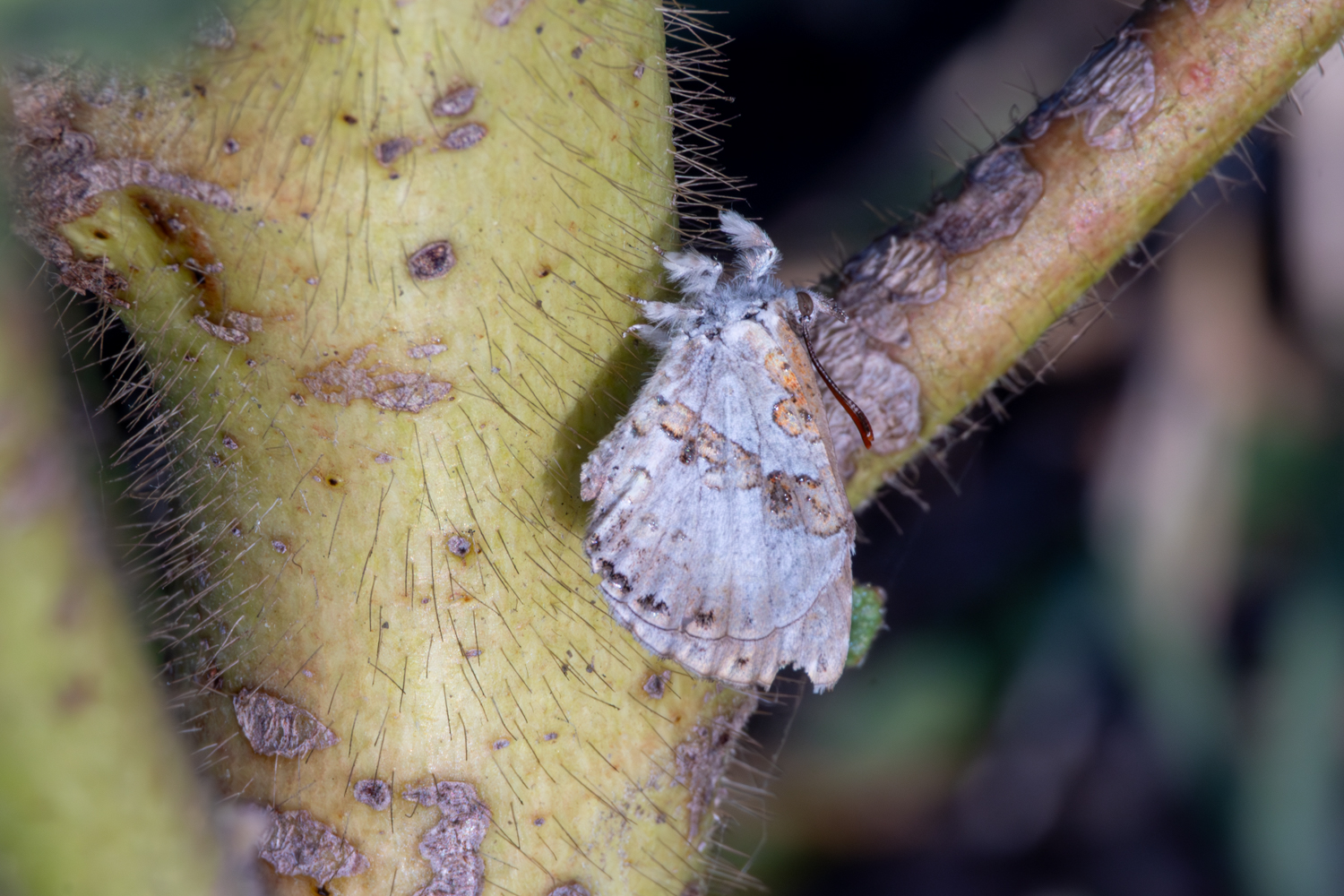
Woolly Legs ♀

Lachnocnema sp.
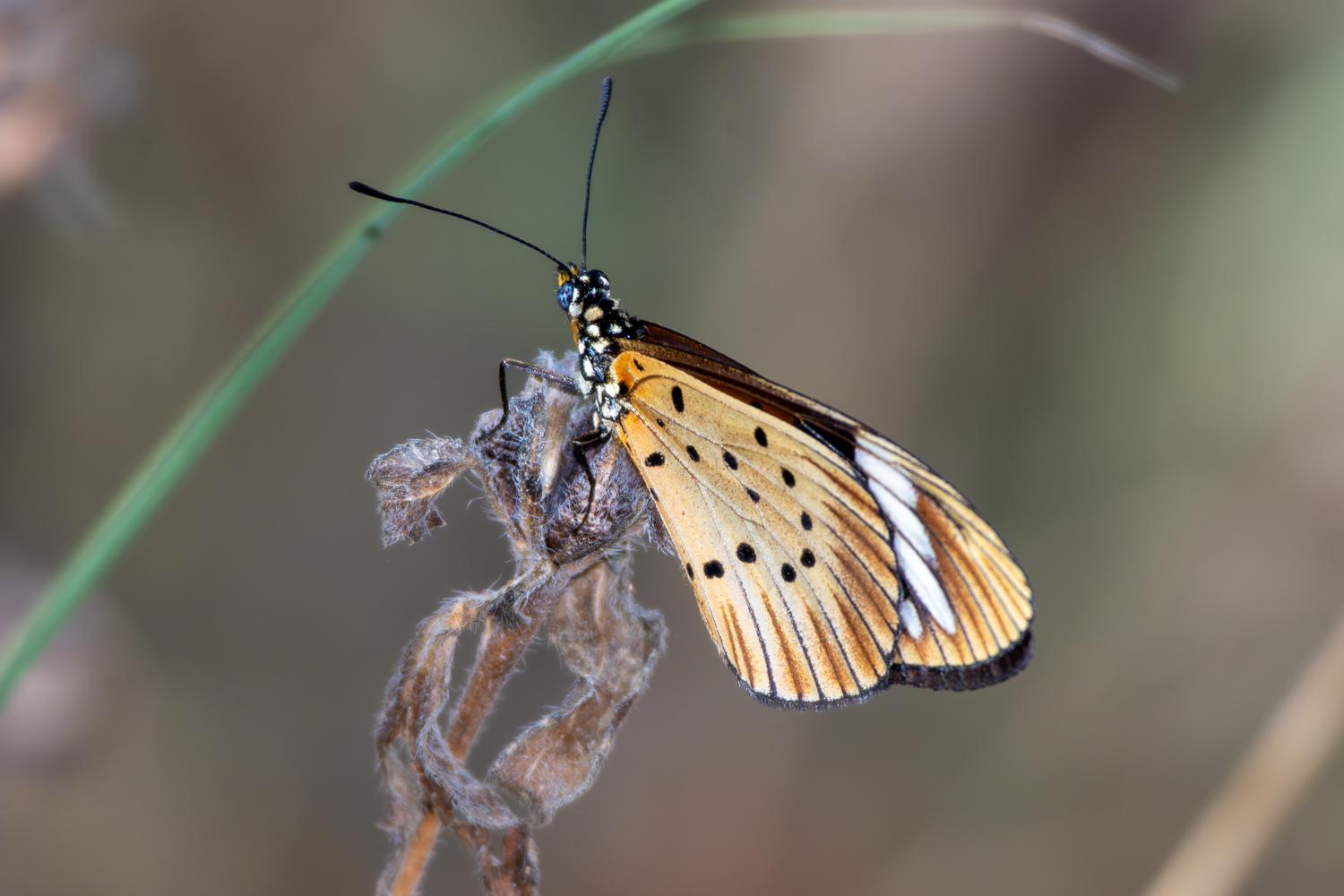
White-barred Telchinia ♂

Telchinia encedon encedon
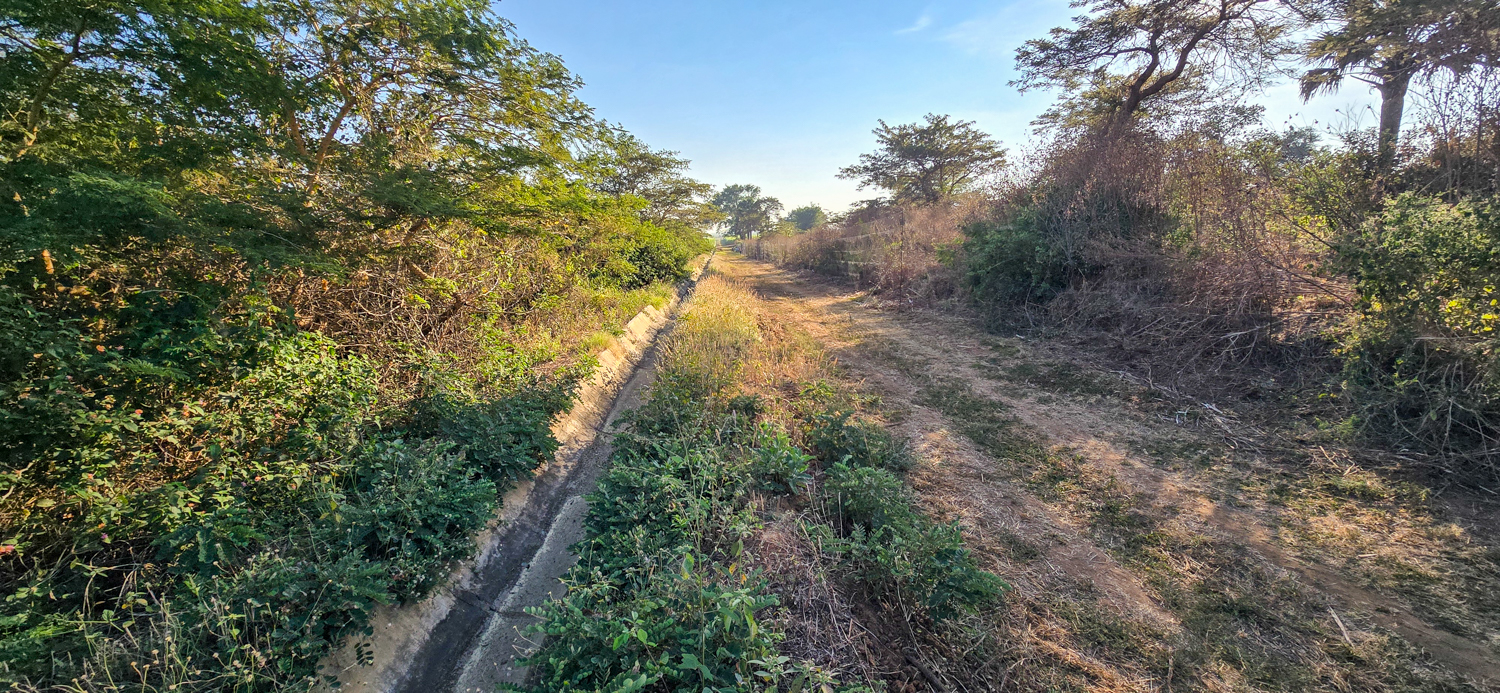
Day six (Friday 22 May):

A road through a large patch of natural woodland

This is where a bird ringing exercise was carried out
We spent much of the day around the large patch of natural woodland where bird ringing was taking place. Although it resembled typical Munga woodland, it was heavily invaded by alien plants such as Castor Oil Bean Ricinus communis and annuals like Coatbuttons Tridax procumbens. Both are associated with butterflies, either as host plants or nectar sources. Indigenous annuals, including Pincushion Vernonia Crystallopollen angustifolium, were also present in places.

Closeup of the flowers growing along the irrigation channel

This is where most of the butterfly activity was happening
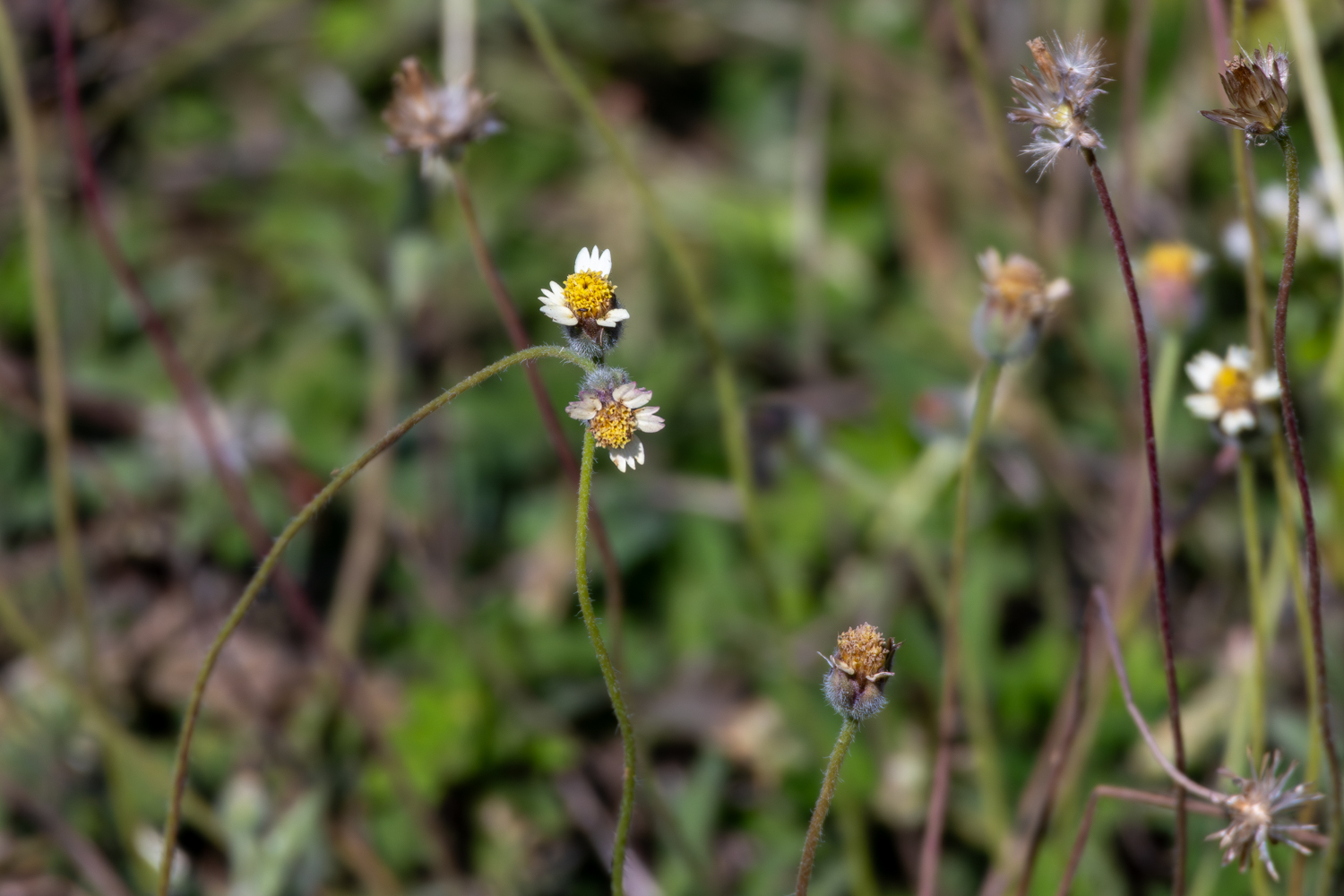
Coatbuttons

Tridax procumbens
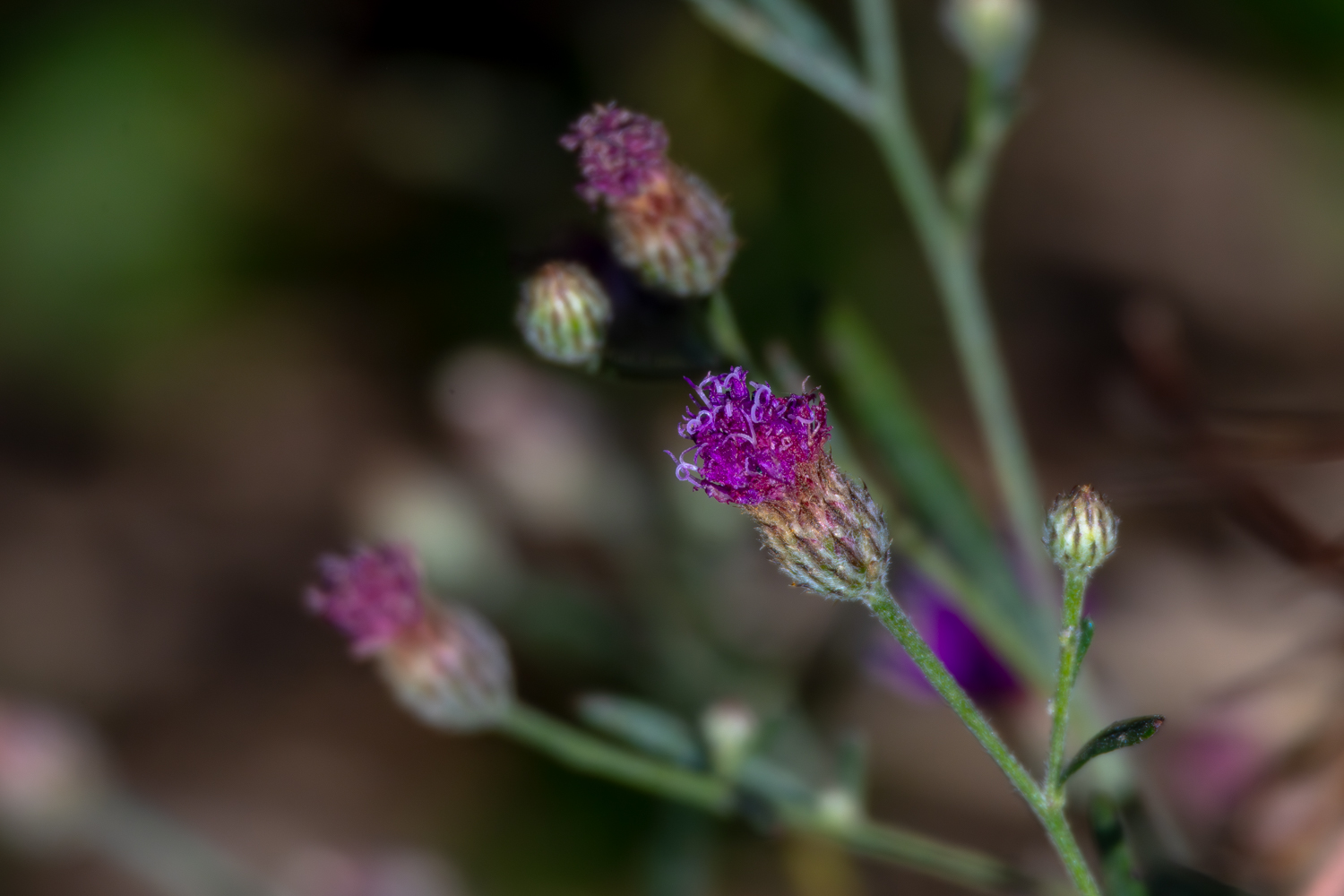
Pincushion Vernonia

Crystallopollen angustifolium
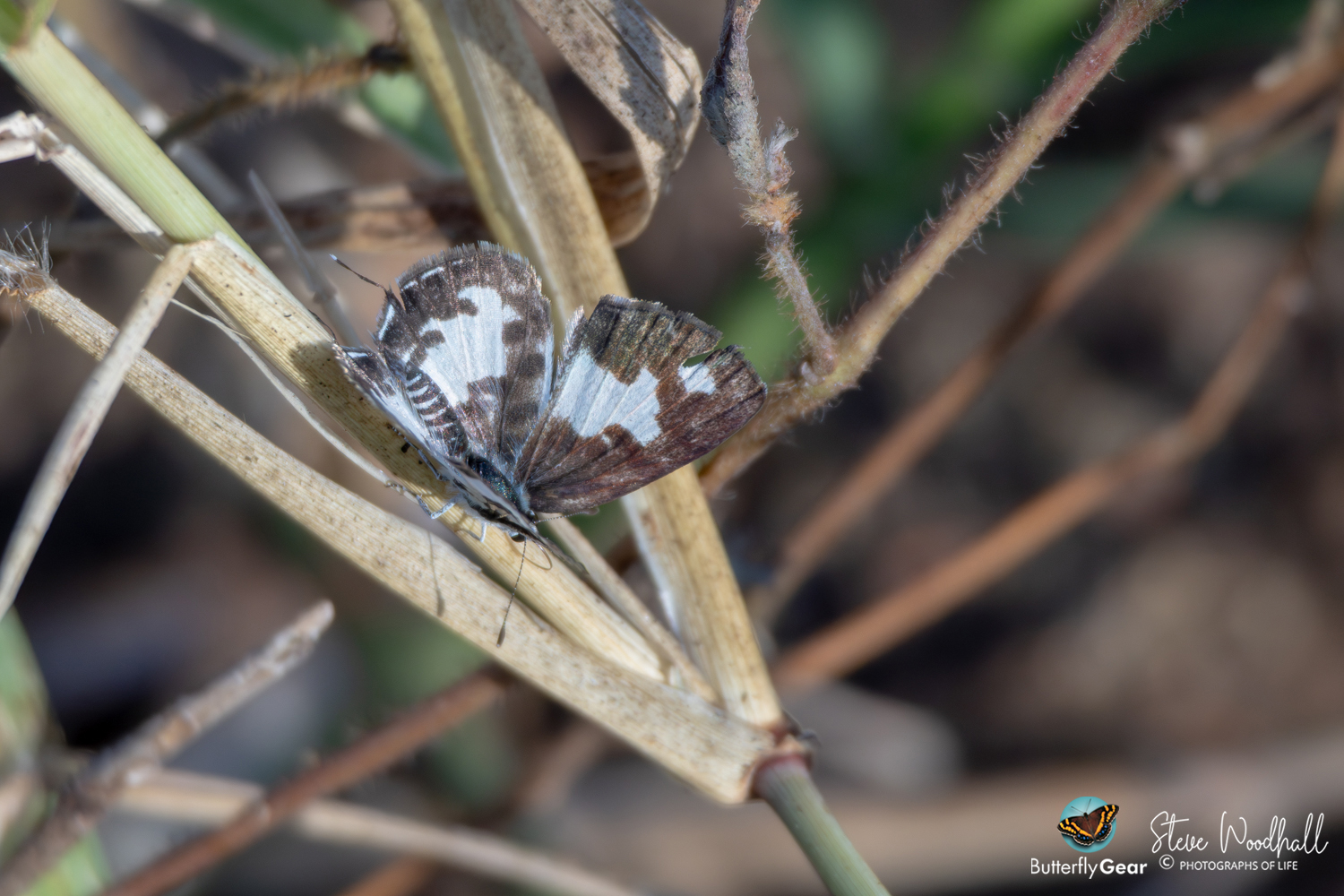
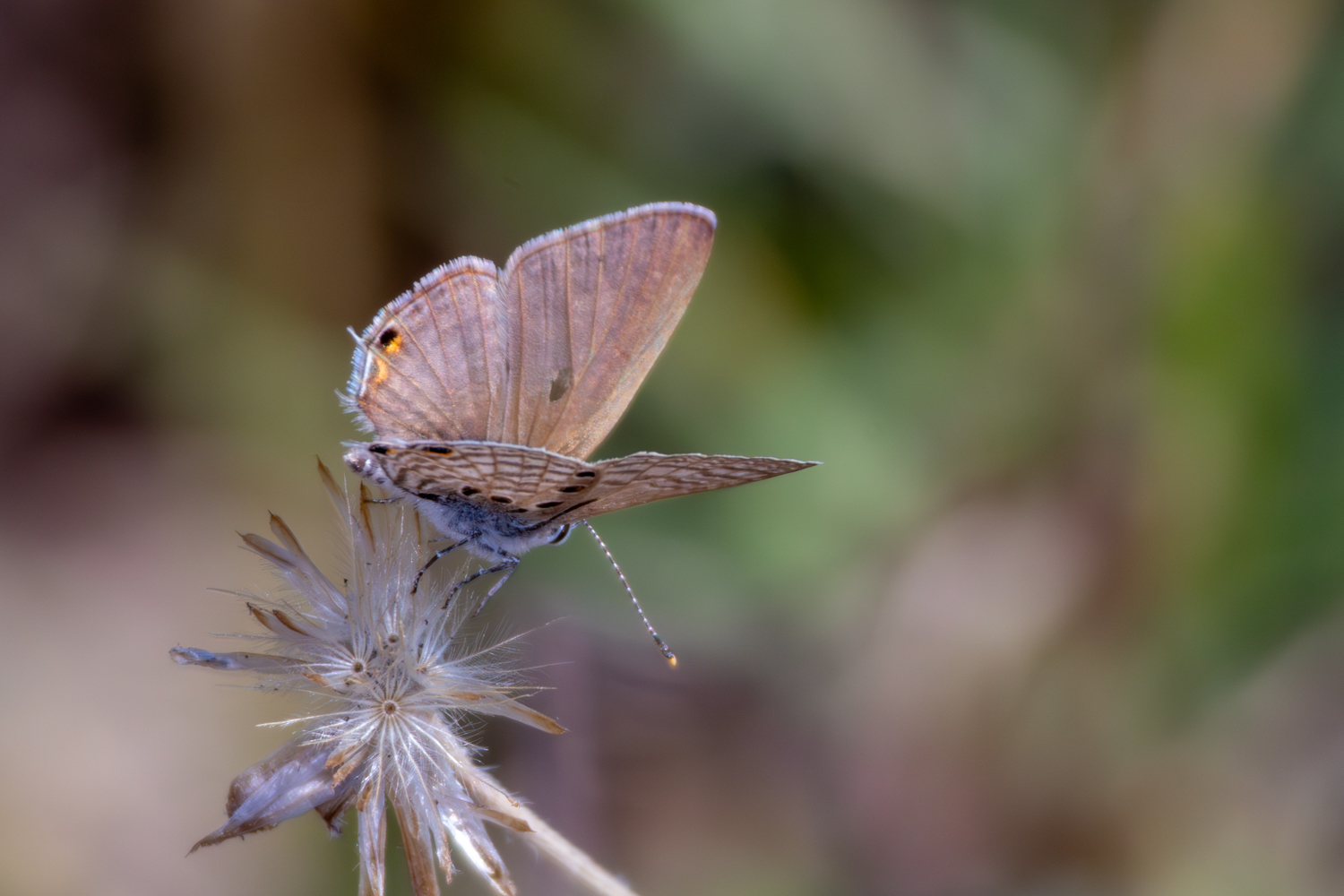
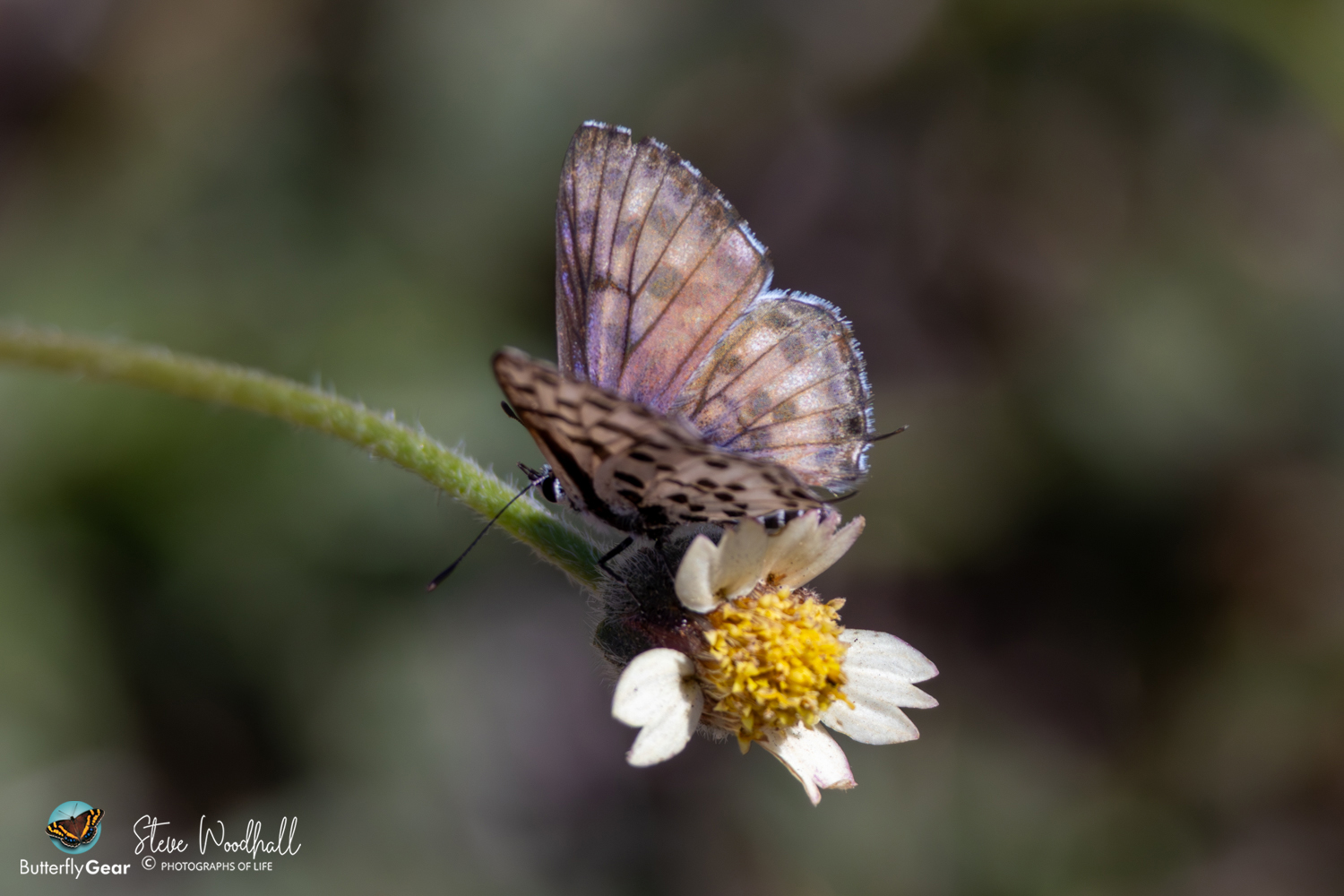
The flowers were attracting many butterflies, mainly small lycaenids such as White Pie Tuxentius calice, Hintza Pierrot Zintha hintza hintzaand various Anthene (Ciliate Blue) and Azanus (Babul Blue) species. Golden Pipers Eurytela dryope angulata were present due to the Castor Oil beans, as well as the ubiquitous African Grass Blues and Dancing Telchinias. We saw no Zambia specials here, although the White Pies could be viewed as that. This species is only found in northern South Africa and there was no sign of the Black Pie, Tuxentius melaena, which is the commoner species there. White Pies are easily told apart from Black Pies by their evenly spaced black spots along the hindwing underside costa, and the white discal patch on the forewing upper side, which extends to the inner margin. There were also many African Caper Whites and African Migrants.

White Pie ♂

Tuxentius calice

White Pie ♂

Tuxentius calice
Black-striped Ciliate Blue ♂

Anthene amarah amarah
Natal Babul Blue ♂

Azanus natalensis
Hintza Pierrot ♂

Zintha hintza hintza

Golden Piper ♂

Eurytela dryope angulata
Day seven (Saturday 23 May):

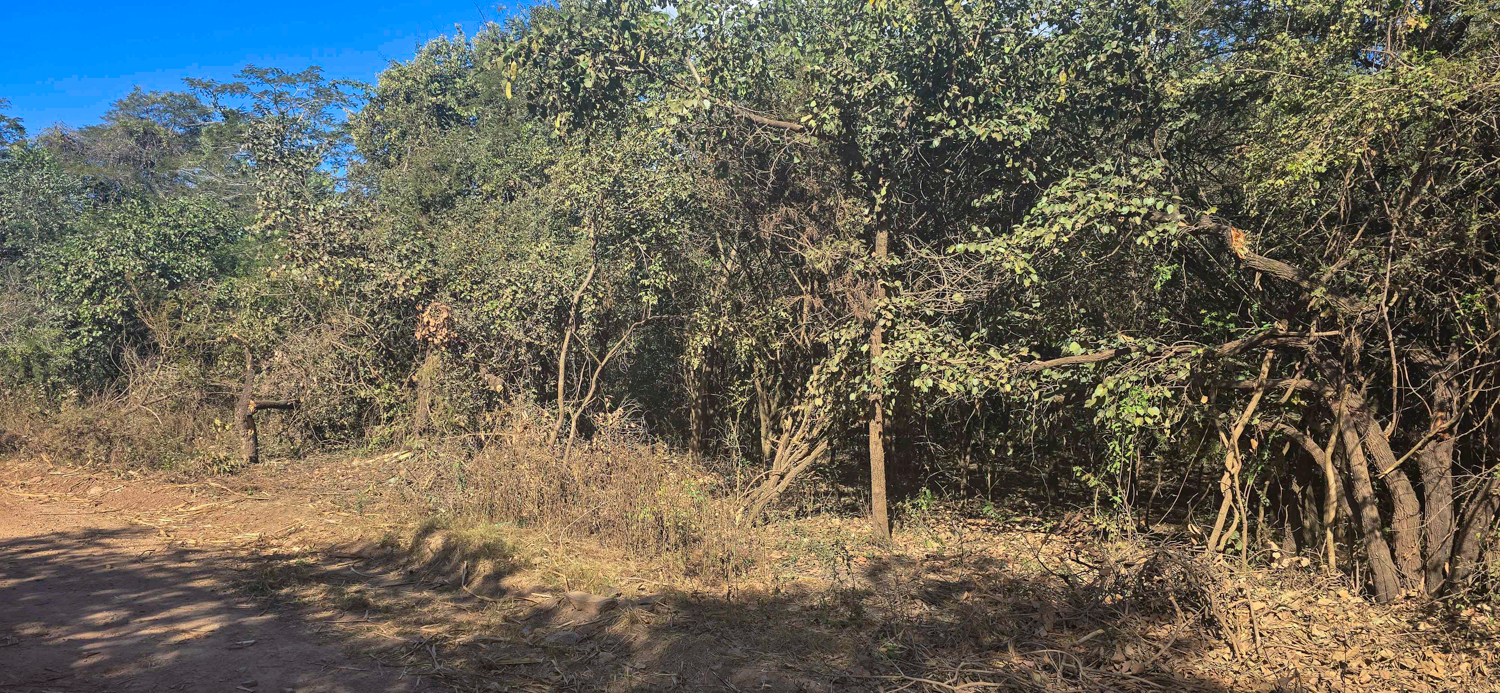
We began the day at another agricultural site, where we found the usual common butterflies, before moving to dense Munga bush on the eastern side of the property. From the edge, the visible butterfly activity made us optimistic. Inside, the understorey was dark and gloomy, broken only by occasional shafts of sunlight. The hoped-for Zambian specials did not appear; we saw no further Precis or Junonia species. The forest floor, however, held many Satyrinae. At first, they seemed to represent several species, but later photo checks showed they were all Squinting Bush Browns, Bicyclus anynana anynana, with remarkably variable markings. As in many shady woodlands in southern Africa, a few Wood Whites, or Spirits, were also fluttering about; all appeared to be African Spirit, Leptosia alcesta inalcesta.

In one tangled clearing, I found a dragonfly that was unusual by South African standards. It was difficult to photograph, with stems and twigs constantly confusing the camera’s autofocus. The species, Little Duskhawker Gynacantha manderica, is crepuscular and seldom recorded in South Africa. It was a lifer for me; the first Duskhawker I had ever seen.

Thick dry woodland on the eastern side of the farm

Closed-canopy Munga woodland
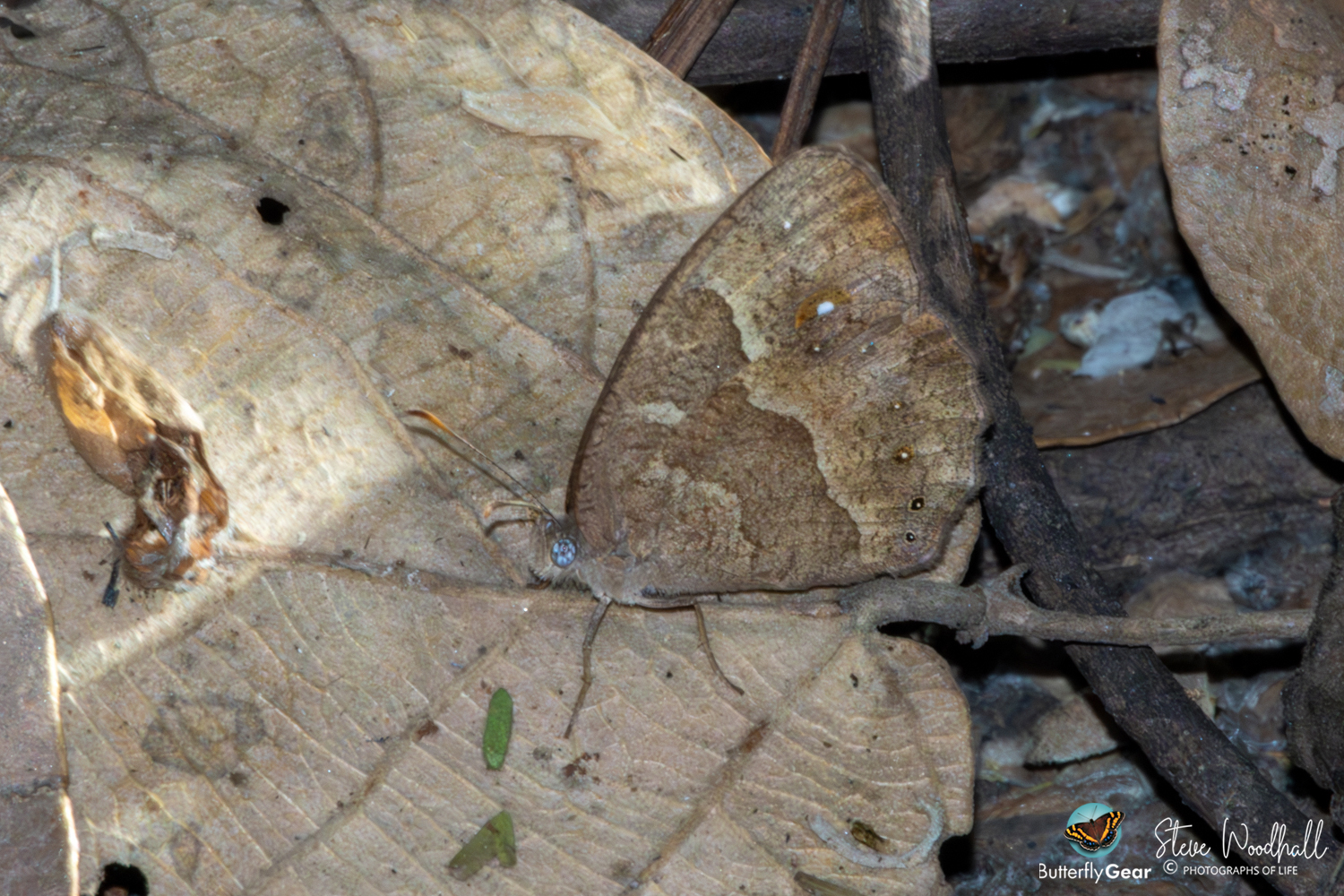
Squinting Bush Brown ♂

Bicyclus anynana anynana
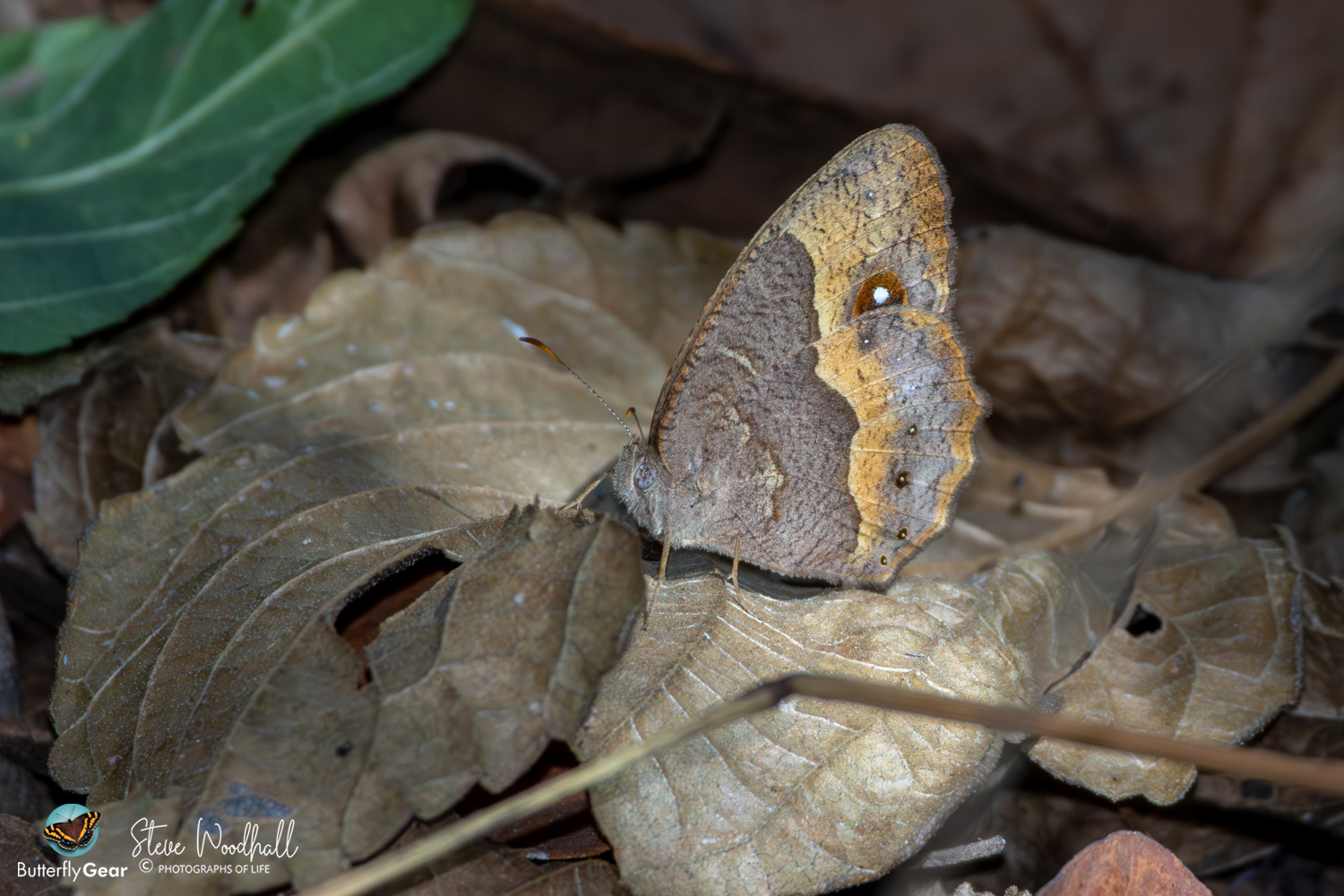
Squinting Bush Brown ♂ variegated form

Bicyclus anynana anynana
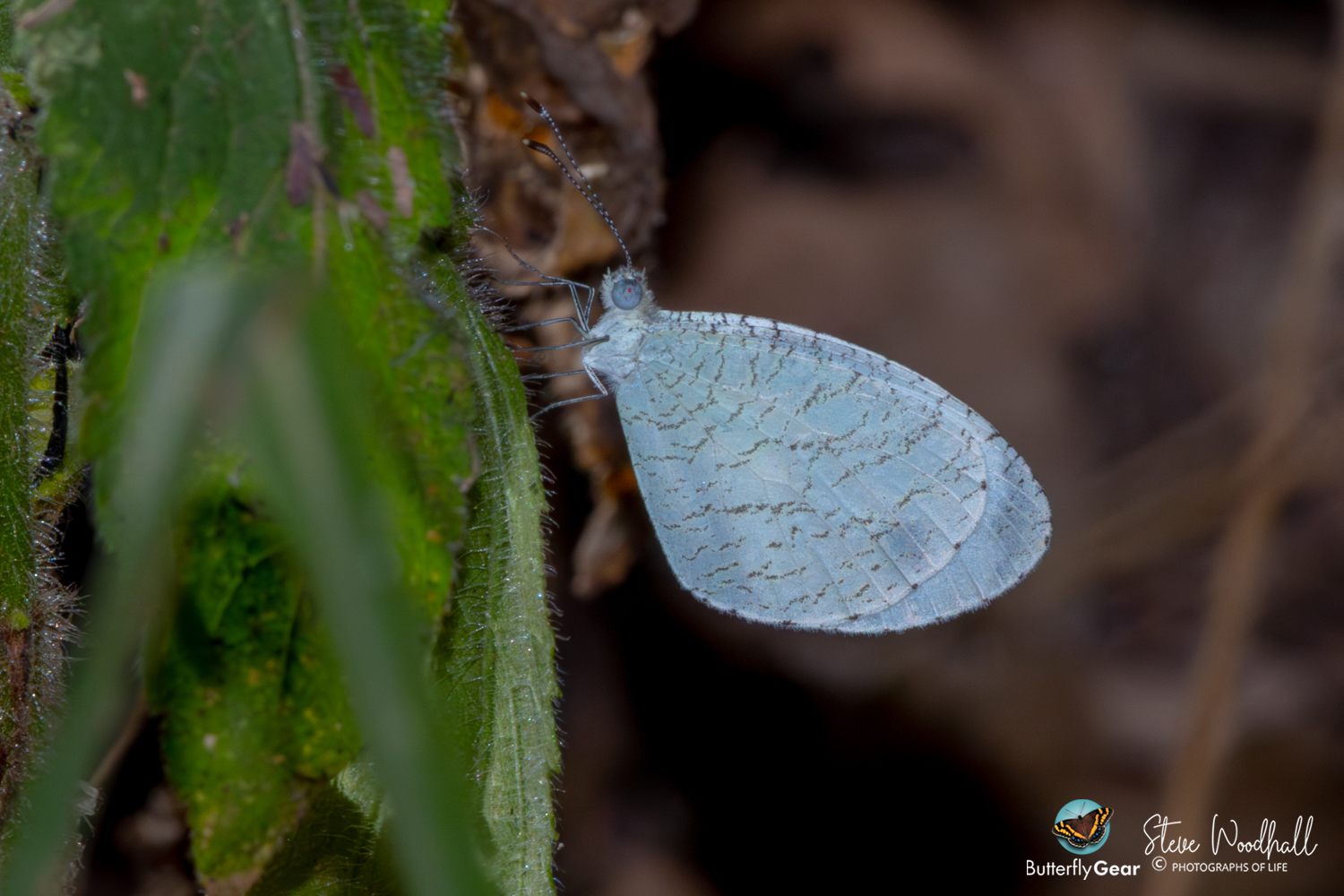
African Spirit ♂

Leptosia alcesta inalcesta
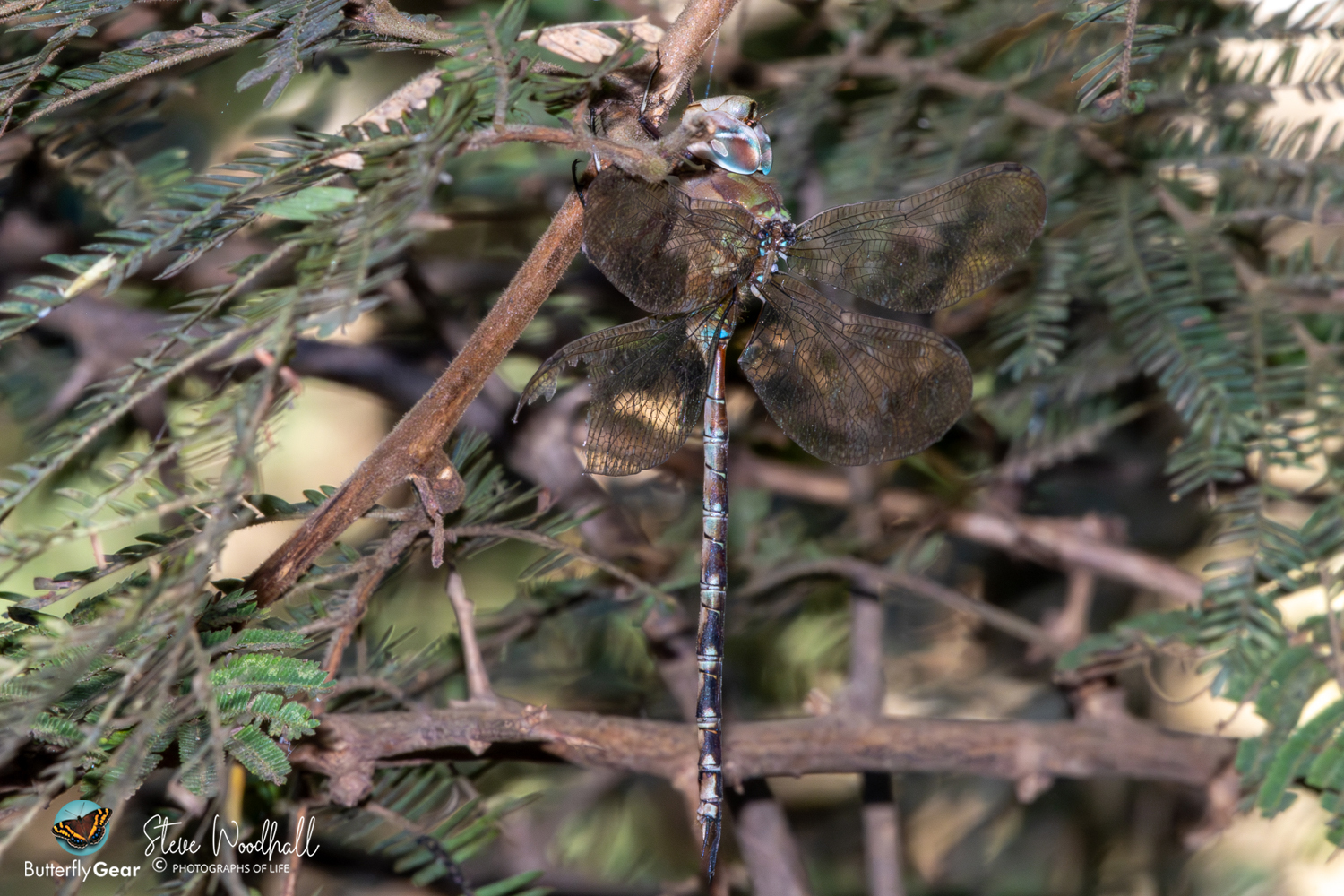
Little Duskhawker ♂

Gynacantha manderica
Day eight (Sunday 24 May):

This was a day for exploring new areas, so we searched for dense riverine bush along a drainage line. We found it beside what appeared to be an old tributary of the Kafue, where large Pandanus palms and deep steep-sided ditches made access surprisingly difficult. Eventually, we reached a ditch filled with Pincushion Vernonia, Crystallopollen angustifolium plants. Dense stands of these flowers are well-known butterfly magnets, and they rewarded us with numerous Pierids and several good Lycaenids feeding there. Highlights were a large female Autumn-leaf Vagrant Afrodryas leda and a Bush Scarlet, Axiocerses amanga.

In the tree shade, African Spirits were flying in numbers, so I tried the R7’s 50 fps electronic shutter at a fast speed to freeze them in flight. The low light made the images noisy, but nothing Lightroom could not manage.

At Nanga Farmhouse, where we were staying, a patch of ground full of Tridax flowers attracted butterflies every day. Late that afternoon, we did a count there and recorded 28 butterflies from twelve species. We photographed several Colotis species and some Lycaenidae, and found a Charaxes brutus, one of the few Charaxes we had seen. With the Charaxes traps delayed in customs, some of us set out to make a homemade one.

Finally we drove out to the Kafue floodplain for sundowners.

Next to a drainage line in thick bush

This is where we found the Vernonia plants
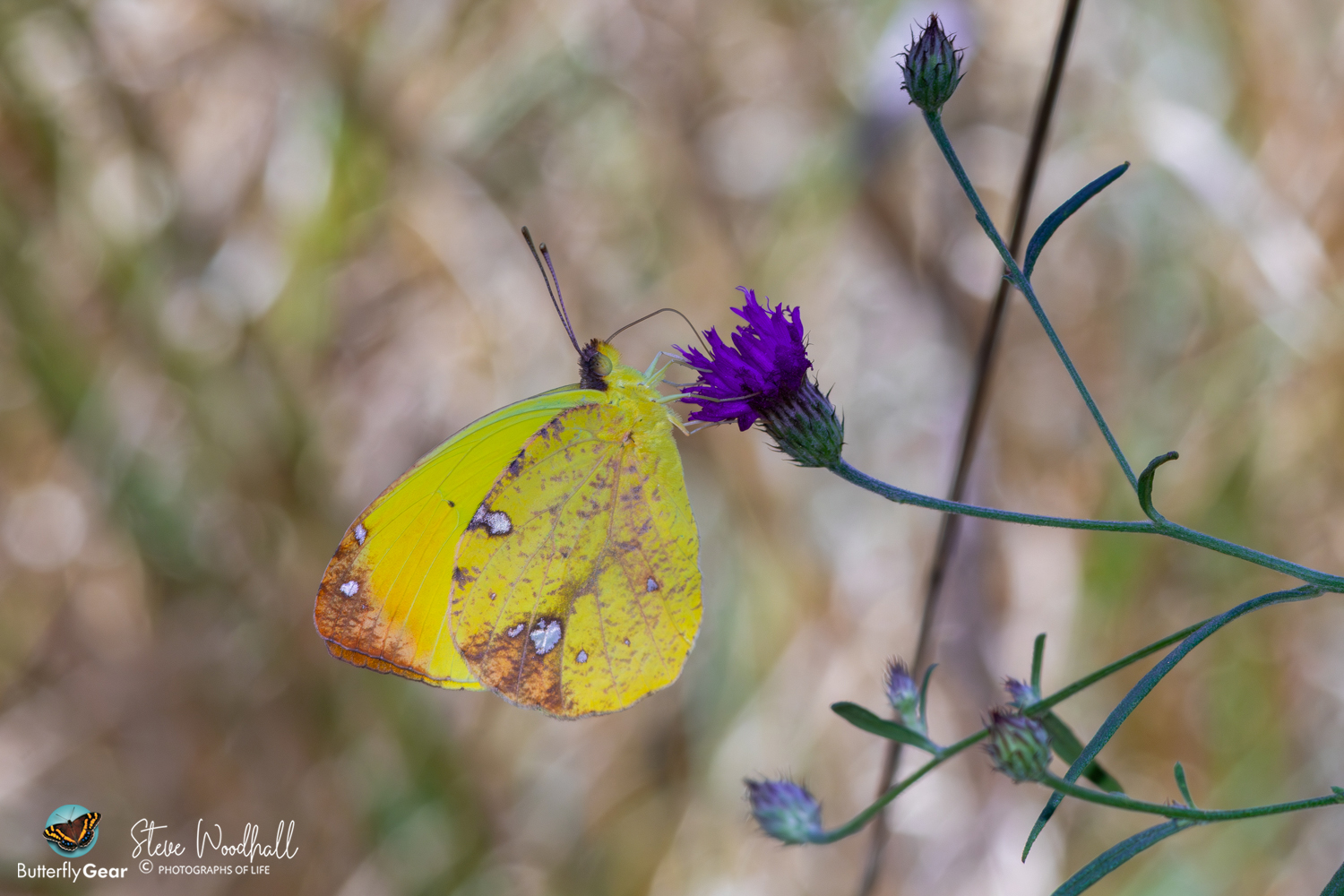
Autumn-leaf Vagrant ♀

Afrodryas leda
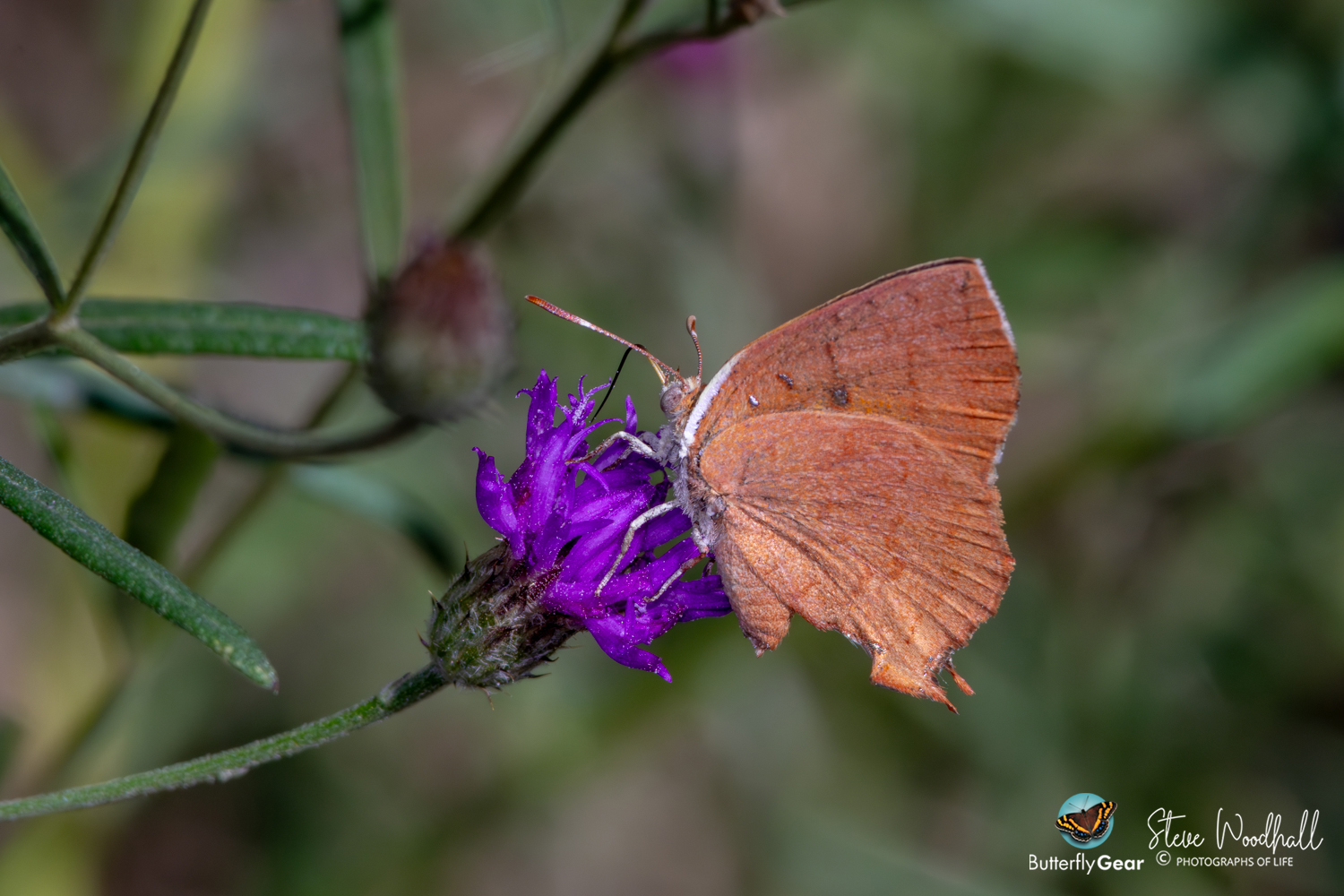
Bush Scarlet ♀

Axiocerses amanga
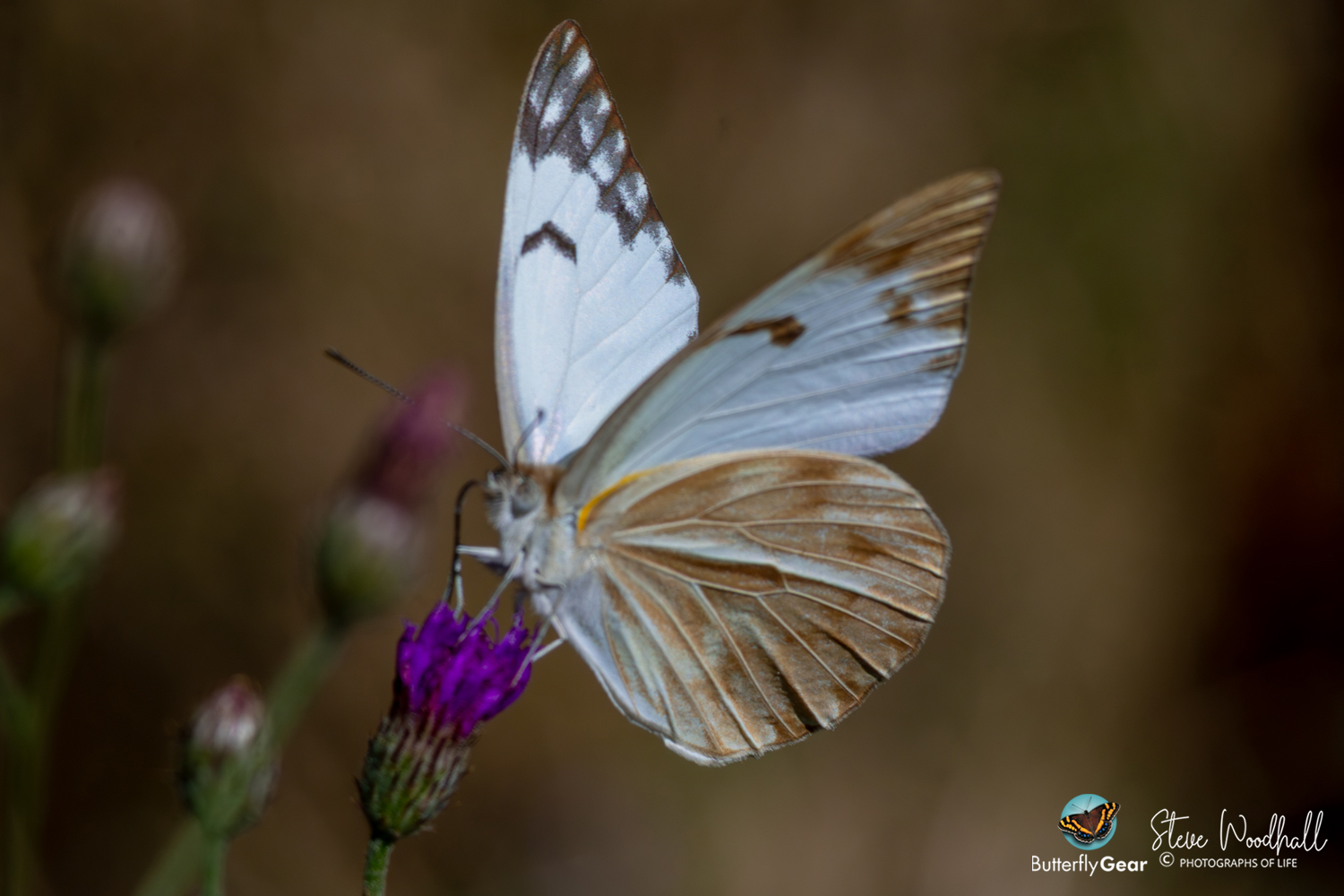
Pointed Caper White ♂

Pseudanaphaeis gidica abyssinica form abyssinica
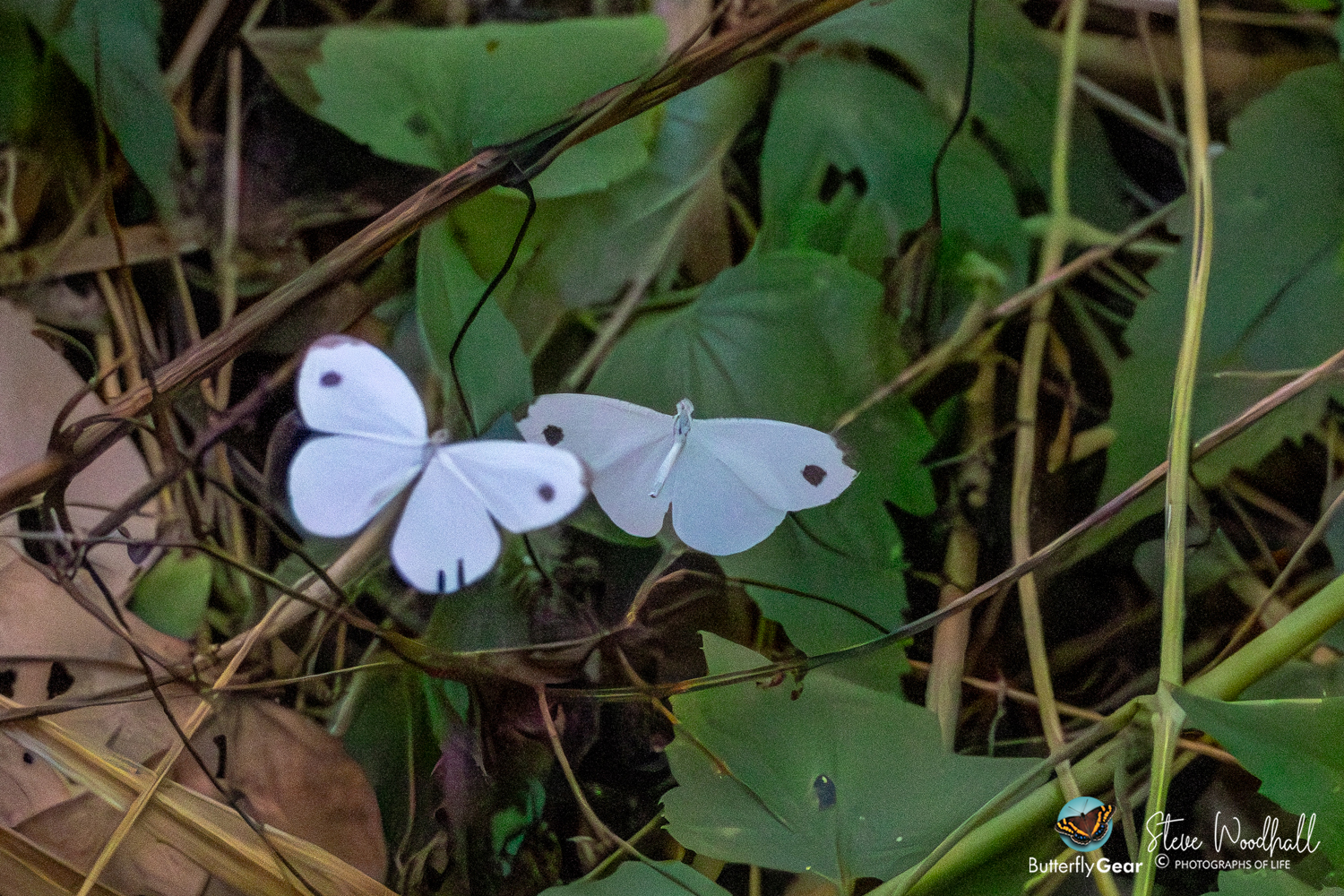
African Spirit courting pair

Leptosia alcesta inalcesta
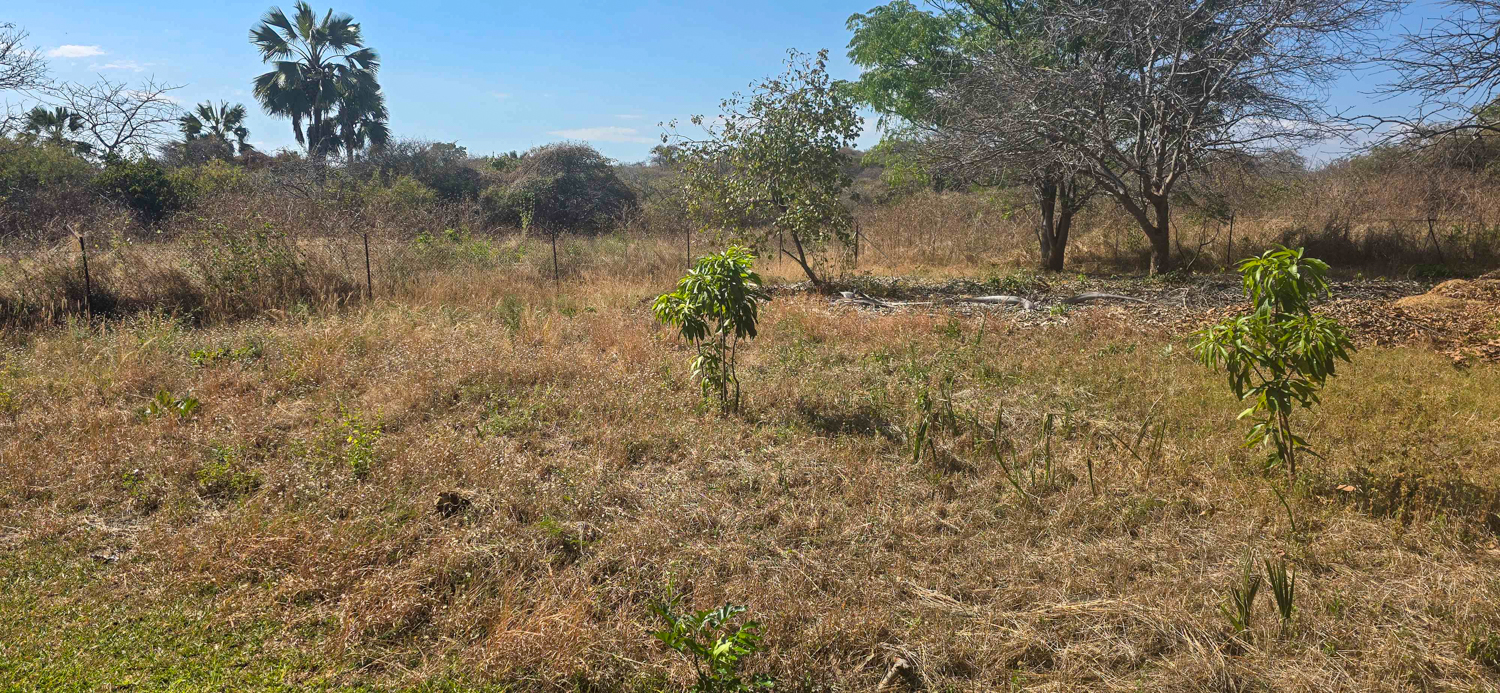
Garden patch at Nanga Farm

Remarkably rich in butterflies!
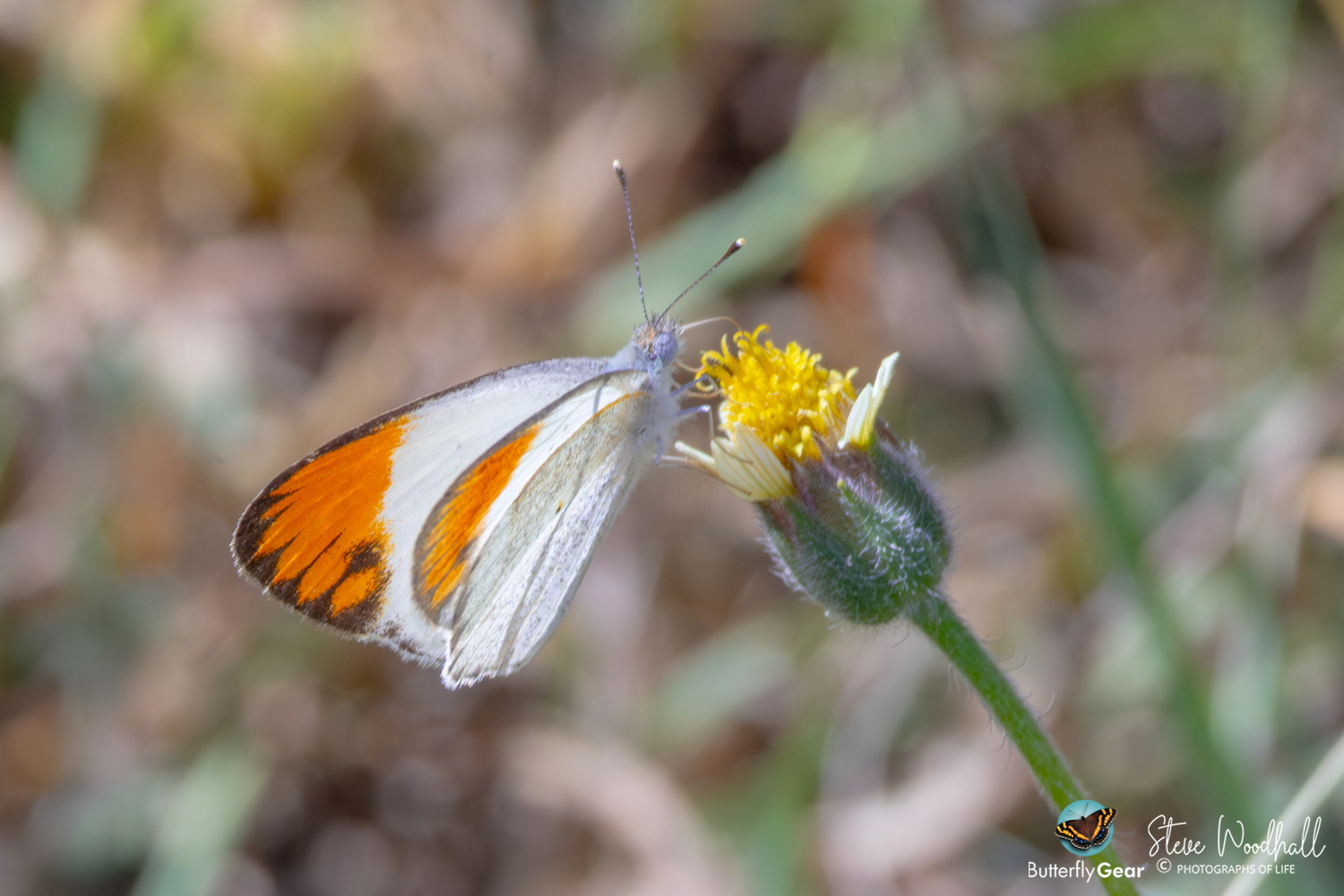
African Small Orange Tip ♂

Colotis evagore antigone
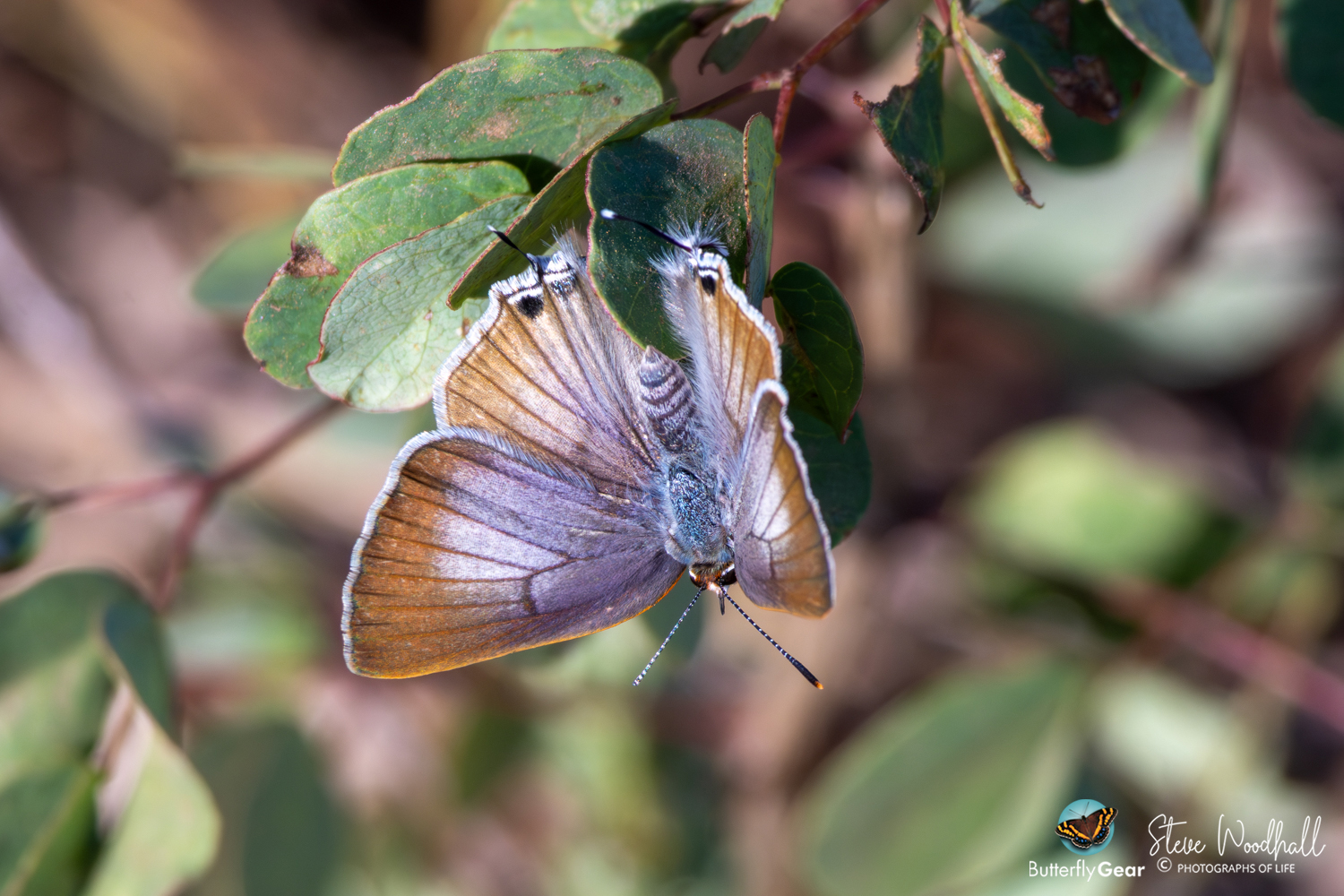
Brown Playboy ♀

Capys antalus
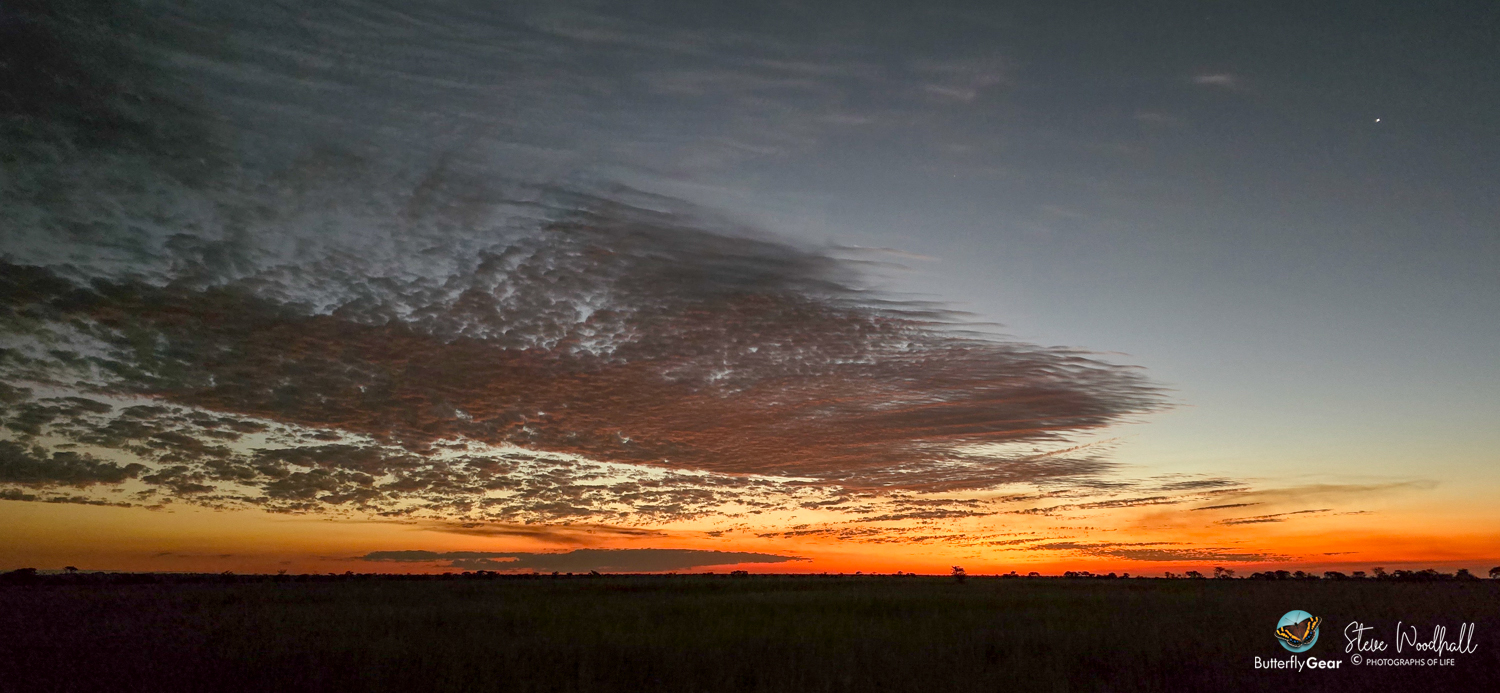
Sunset over the Kafue river
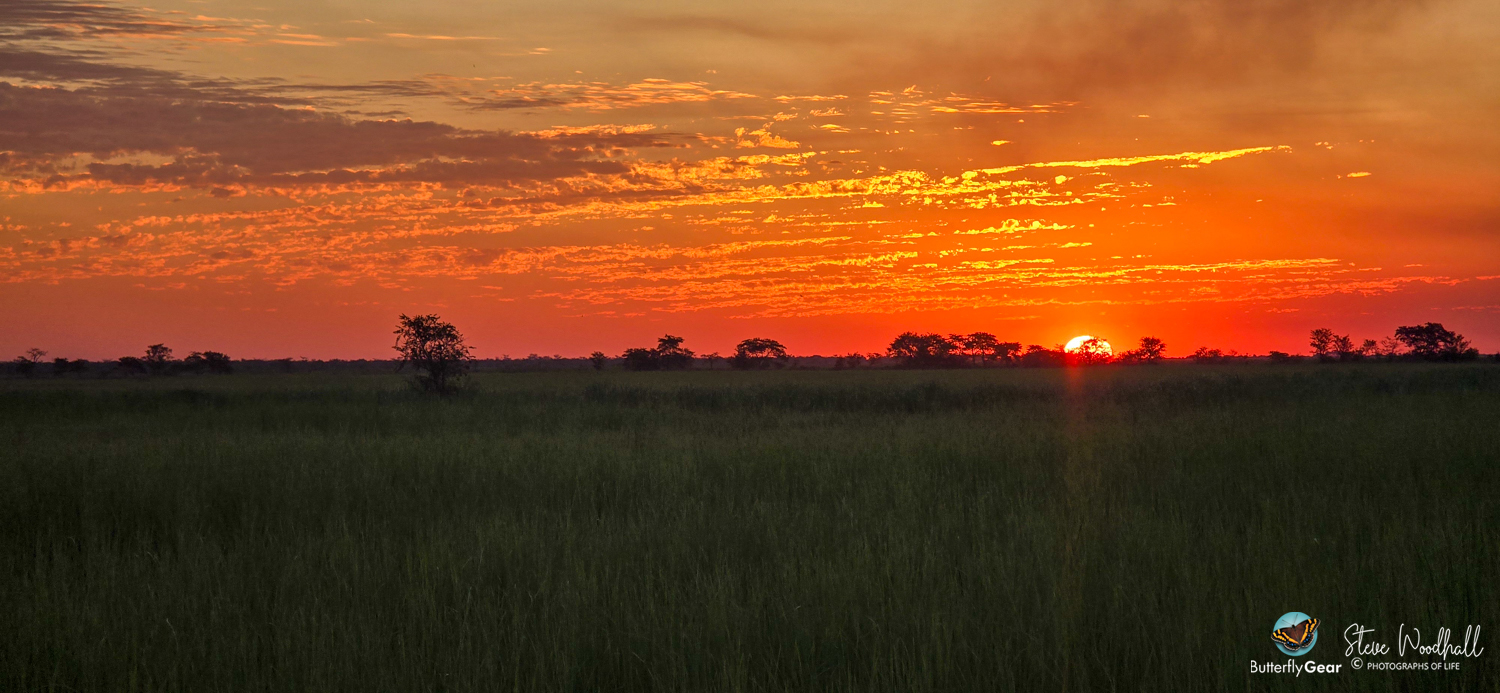
Sunset over the Kafue flood plain
Day nine (Monday 25 May):

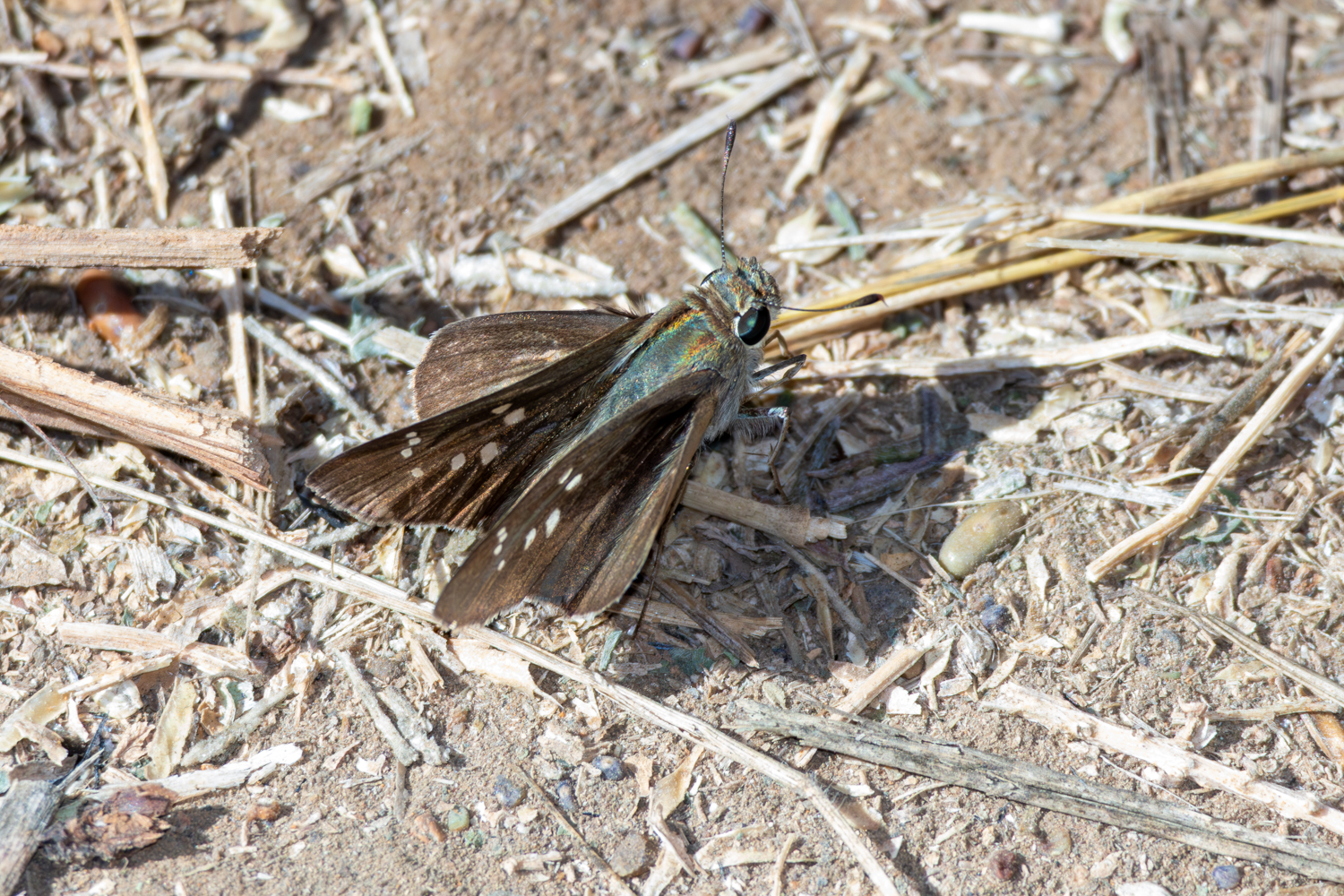
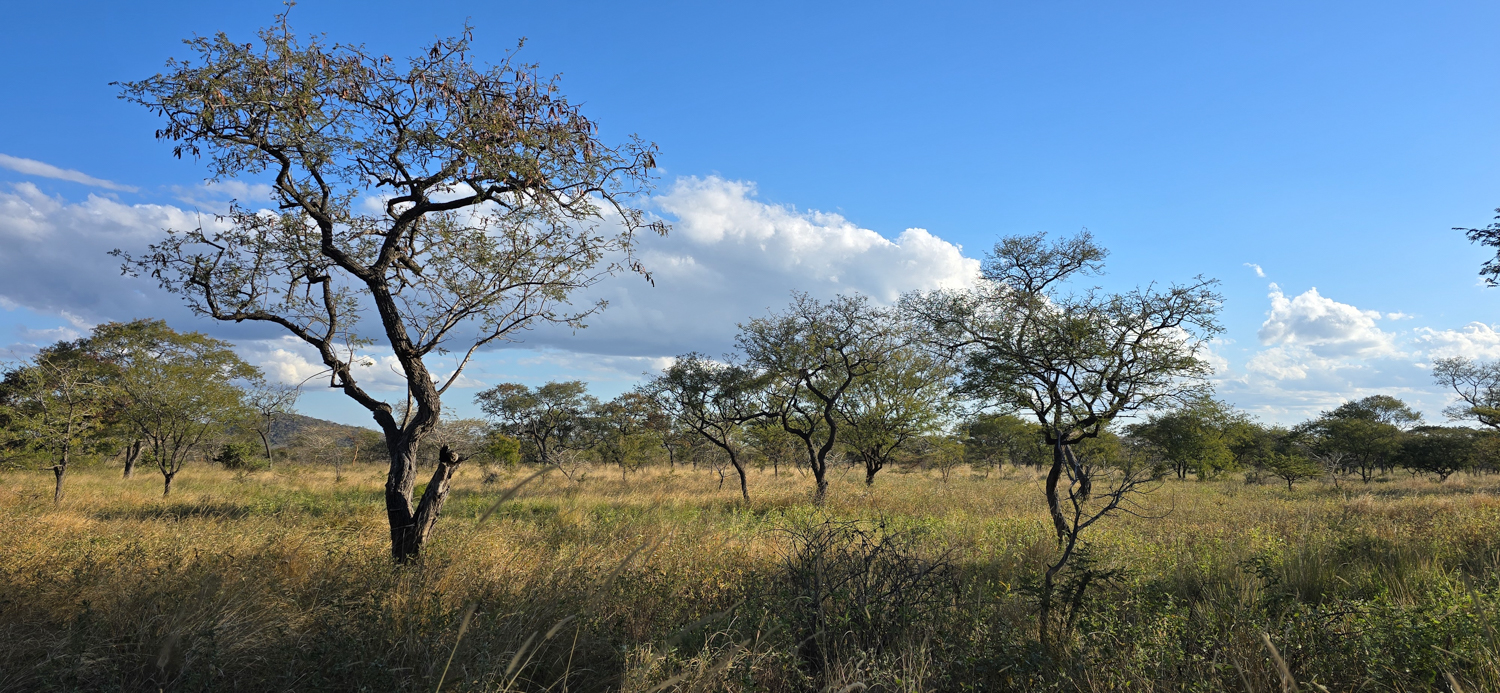
After another rather unproductive (but still valid – we didn’t post a single zero count during our visit) butterfly count on the floodplain to the northeast, we headed south of the farm in search of different vegetation, perhaps even Msasa woodland. Driving towards Sindamu, we found some beautiful country—and a few excellent places to get a Toyota stuck in the mud. By the time we arrived, it was already late in the day. We found Sangusanga Baccharoides adoensis, usually a reliable butterfly magnet, but this bush held none. There were a few Oval-eyed Five-rings again, a single Mocker Bronze Cacyreus virilis, and a small yellow skipper flying low over the ground. I identified it as Rusty Swift Gegenes detecta, though it may have been Small Swift Gegenes perobscura. I had thought the latter occurred only on the Copperbelt, but it may range farther south; I would need to catch one to be certain.

We ended the day with a nighttime game-counting drive. I had avoided most of these on the convenient grounds that butterflies are diurnal, but this time I was persuaded to help shine a light and search for eyes. It turned out to be great fun, and I also managed to get a good shot of a Spotted Eagle-Owl Bubo africanus.

Savanna near Sandamu

Mocker Bronze ♂

Cacyreus virilis
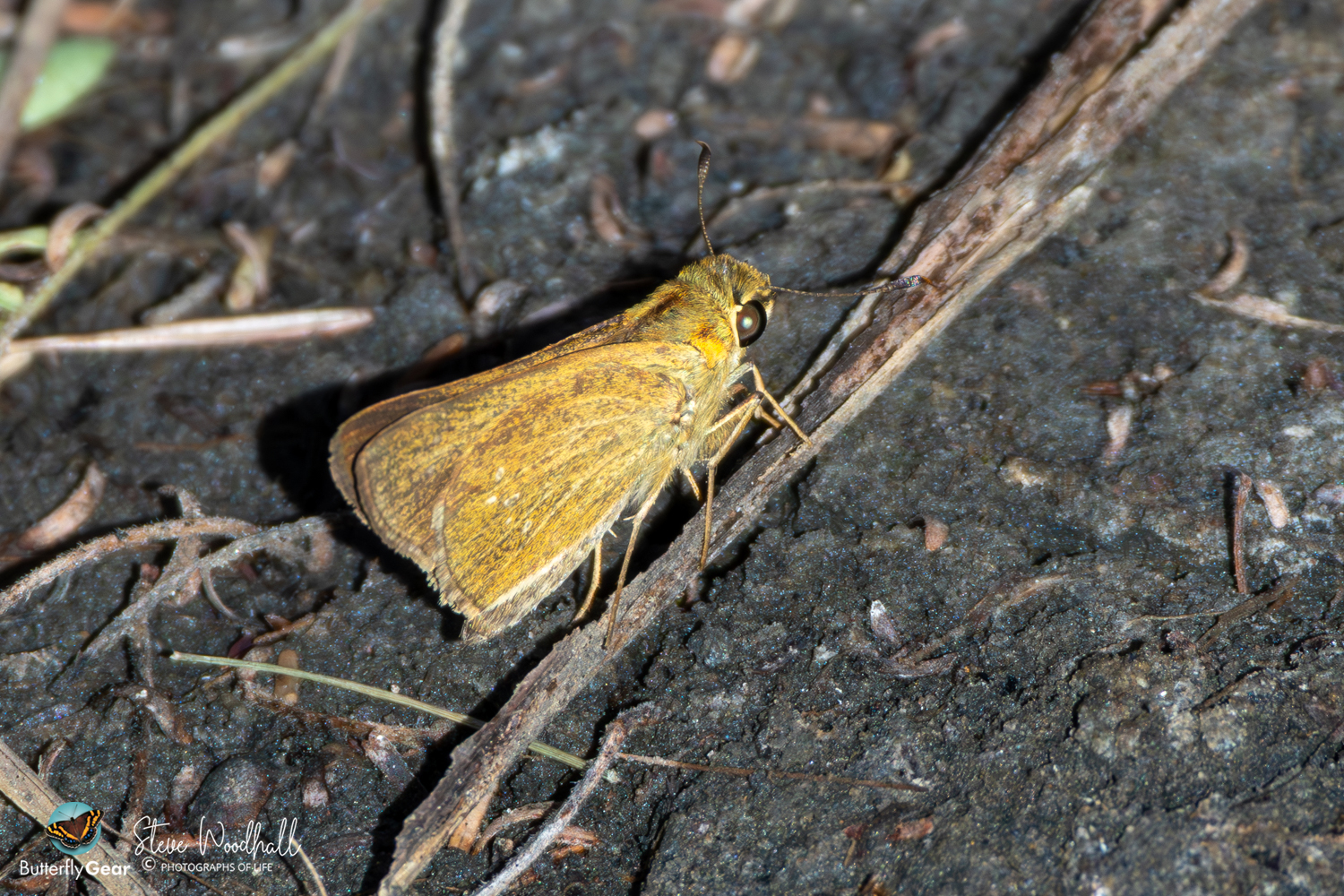
Rusty/Small Swift ♂

Gegenes detecta/perobscura

Sangusanga

Baccharoides adoensis

Spotted Eagle Owl

Bubo africanus
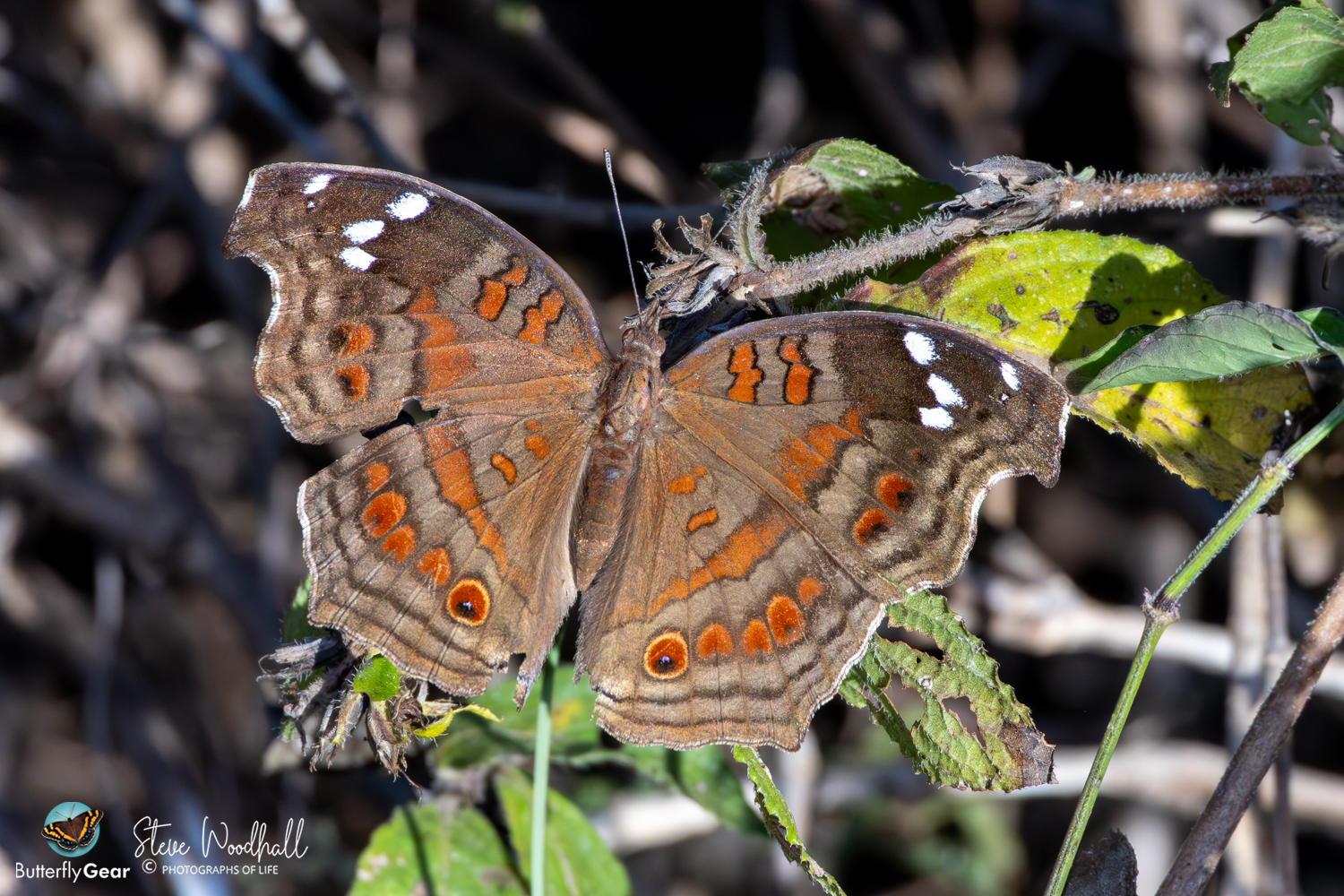
Day ten (Tuesday 26 May):

As it was my last day on site, we returned hopefully to the spot where Precis antilope and Junonia artaxia had appeared. Neither showed up, but we did photograph a reasonably fresh Spotted Brown Pansy, Junonia natalica natalica, which was abundant there. It was just a pity its blue relatives seemed to be on strike!

Traps are the best way to monitor canopy species like Charaxes. We had arranged for a set of traps to be imported but they hadn’t cleared customs in time for our visit. Justin and Craig built a Heath Robinson version from plastic kitchen bottles and potato-sack mesh. We baited it with a home-brewed mix of bananas, yeast, and sugar, then gave it an extra kick with a little cane spirit that had escaped my evening sundowners of “spook ’n’ diesel”. To my satisfaction, it worked, attracting a Pearl Charaxes, Charaxes varanes vologesesHowever, we look forward to using the real thing when we return in August.

We finished off the visit with another fine Mazabuka sunset, this time over one of the many pumping reservoirs.

Spotted Brown Pansy ♂

Junonia natalica natalica
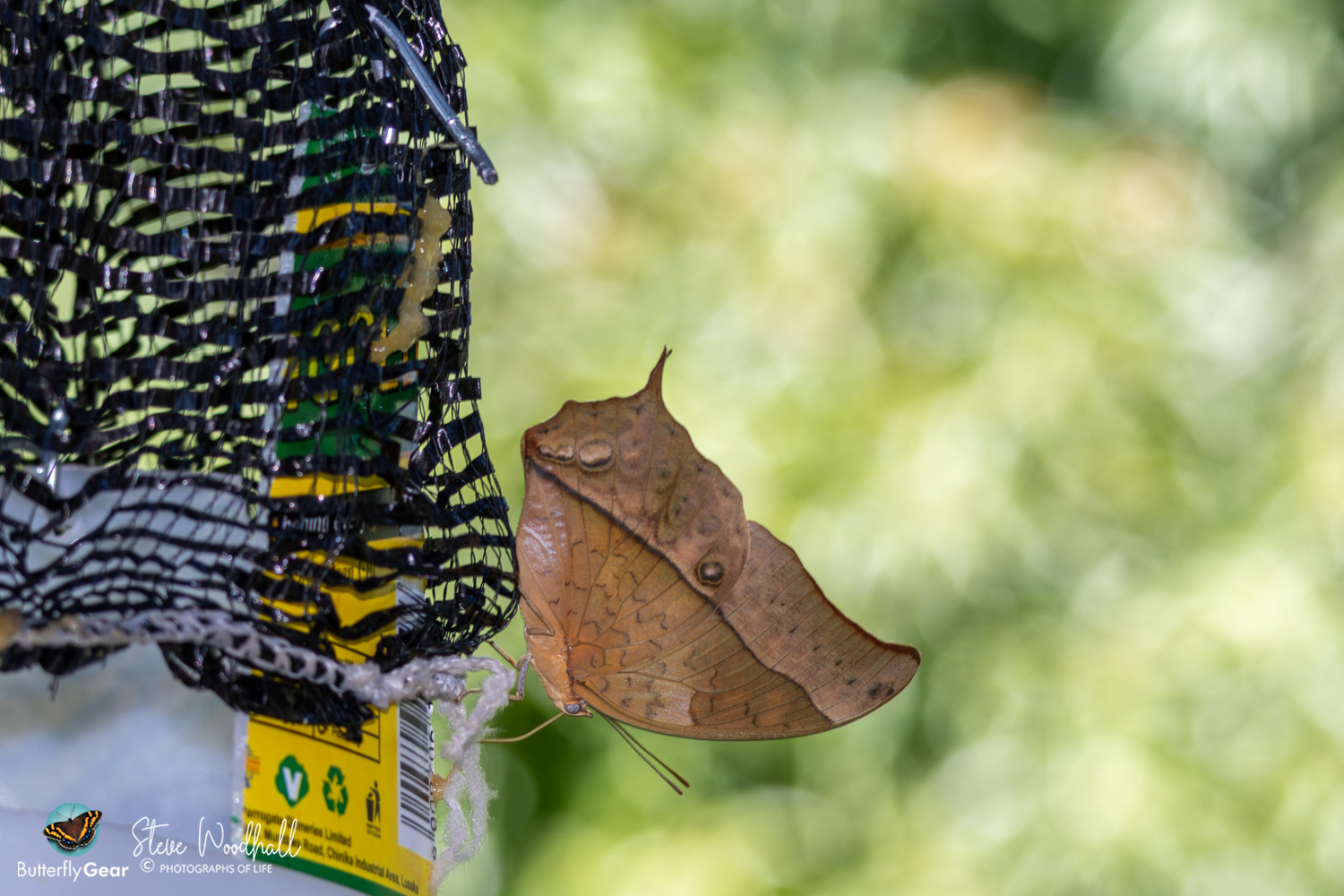
White Pearl Charaxes on the 'Heath Robinson' trap

Charaxes varanes vologeses
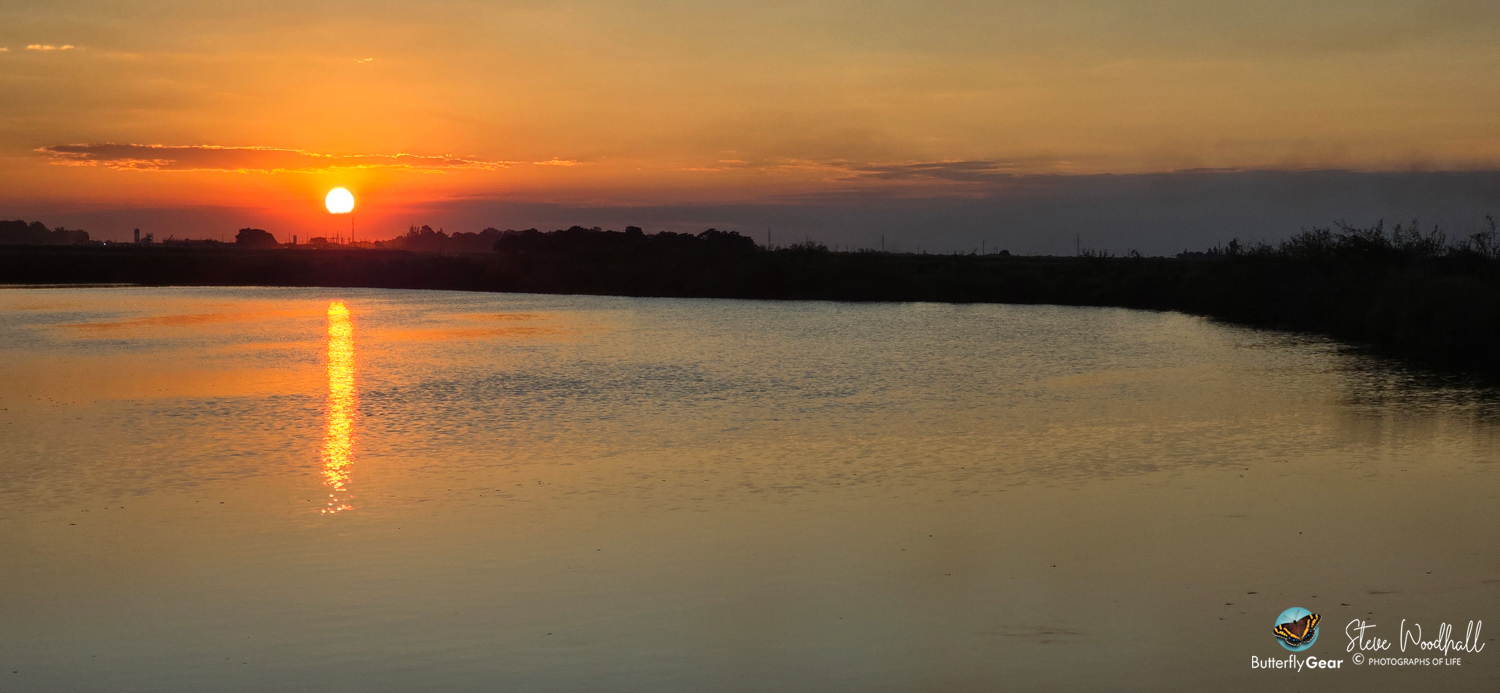
Mazabuka sunset

Conclusion

This was a rewarding and informative visit to Zambia’s Southern Province, a region rarely explored by lepidopterists, either now or in the past. Most tend to head for the Copperbelt, as I have done before, where many butterflies occur that are absent from South Africa and even Zimbabwe. In Southern Province we found a few “Zambia specials”, but also many familiar species. In that sense, the fauna was partly familiar: Dancing Telchinia Telchinia serena appeared to be having a bumper season from the Karoo to East Africa, judging by recent Facebook and iNaturalist posts. African Grass Blue Zizeeria knysna was extremely common, as usual, thanks to its use of widespread ruderal weeds as larval host plants. White Pie Tuxentius calice was the dominant “Pie”, in contrast to my part of South Africa, where Black Pie Tuxentius melaena predominates.

The visit was also a valuable learning experience for me as a nature guide. Sustainable farming initiatives like this are becoming increasingly important worldwide, including in Africa, and they depend on participants developing a close understanding of local ecology across all trophic levels. Butterflies are important indicators of ecological health, so compiling a species inventory and conducting regular counts are essential for monitoring change. This was the first time I had applied the Butterfly Monitoring Scheme methodology in this context. Although citizen scientists usually use it, here it formed part of a professional ecological study. We plan three further visits, in August and November this year, and next February. I hope Zamsugar will then continue the project into the future and involve local schools and university students. I will be on hand to help coach local participants in butterfly identification and counting.

I am grateful to Richard McKibbin for inviting me to take part in the project and for all the work he put into setting it up. My thanks also go to Craig Widdows and Justin Nicolau for their companionship and advice. I learned a great deal from them all.

Steve Woodhall

June 2026