Skip to content

The Lepidoptera Log - by Steve Woodhall

'Bush Browns'

Those little brown jobs you might see fluttering around your feet

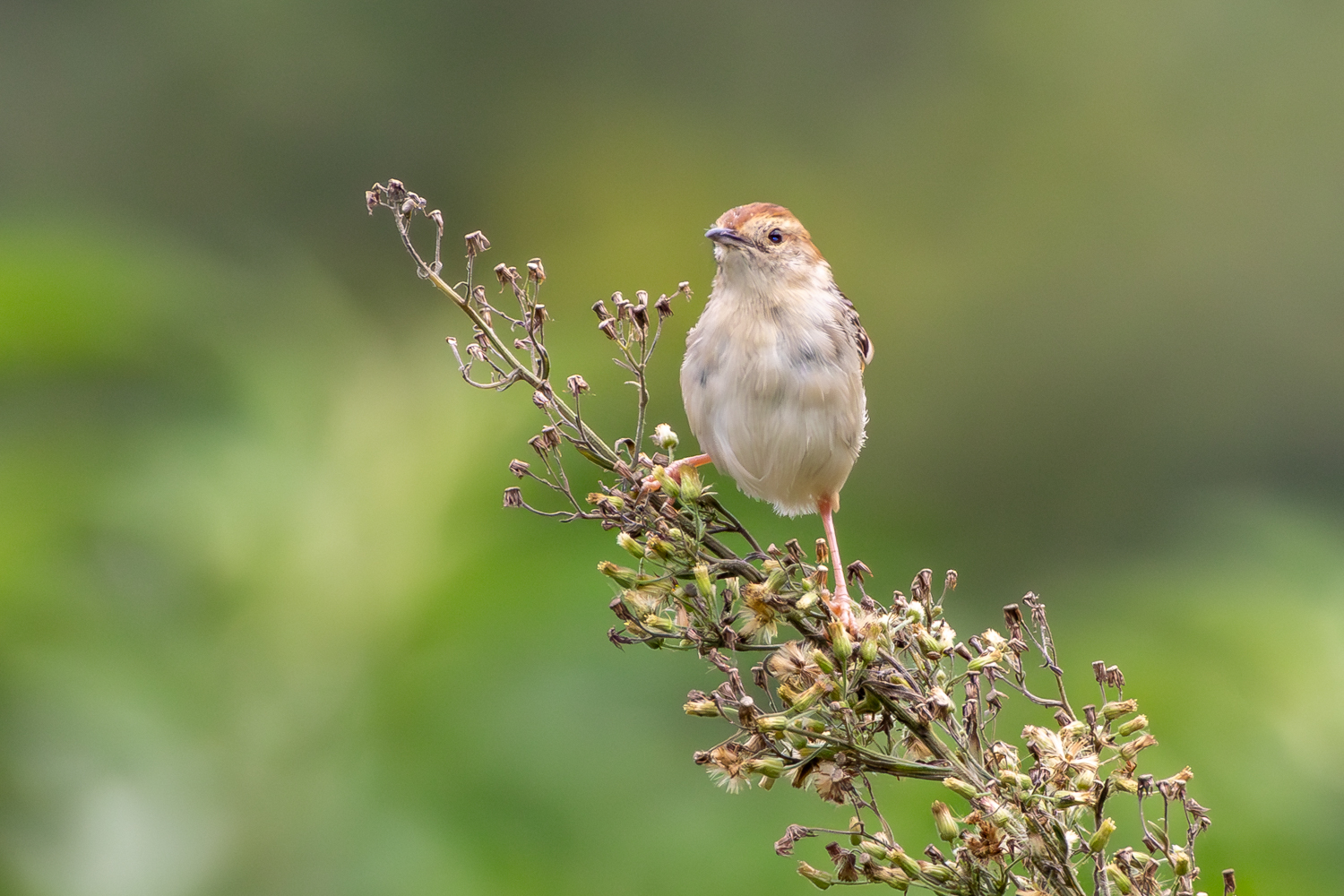
Birders use the term ‘LBJ’ for small brown birds such as warblers, cisticolas and pipits, which can look so similar that they often puzzle casual observers.

‘LBJ’ stands for ‘Little Brown Job.’ These birds cause plenty of head scratching and eye strain, but for many birders that challenge is part of the appeal. Their camouflaged plumage makes them difficult to spot, and identification may depend on tiny details such as the length of a primary feather or the angle of an eye stripe. Learning to identify them can take years.

Levaillant's Cisticola

Cisticola tinniens
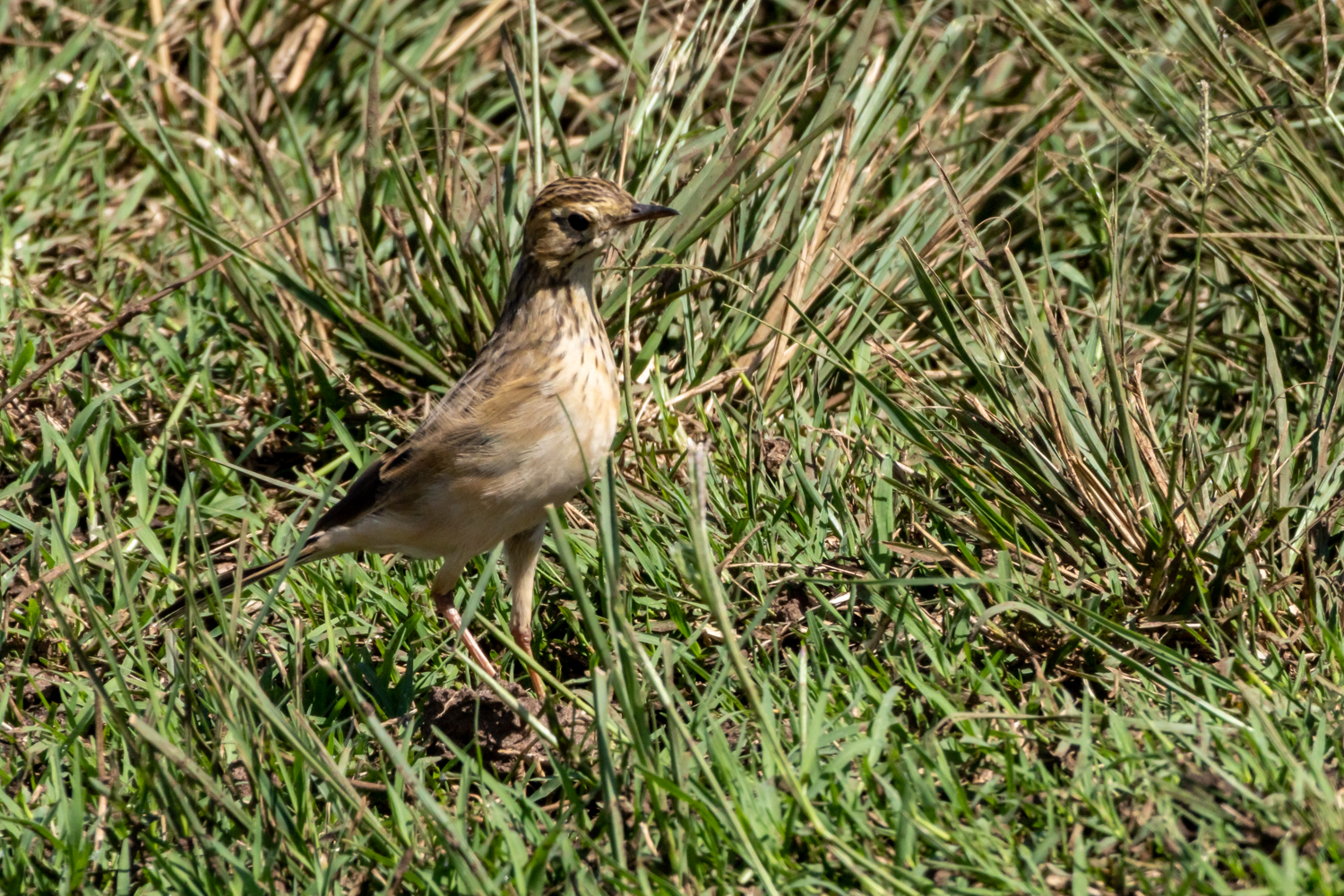
African Pipit

Anthus cinnamomeus
Butterflies have their own ‘LBJs,’ many of them in the nymphalid subfamily Satyrinae. With so many groups, it takes time to become familiar with them. As with all insects, understanding where they fit taxonomically helps. We can begin with the subtribe Mycalesina of the tribe Satyrini.

Family: Nymphalidae (brush-footed butterflies) – adults have four walking legs.

Subfamily: Satyrinae (Browns, Ringlets or Satyrs). In Greek mythology, satyrs were nature spirits of woods and mountains, known for wine, music, dancing and pursuing woodland nymphs. Once you know these butterflies’ habits, the name may seem especially fitting.

Tribe: Satyrini – the “classic” satyrs and, with more than 2,200 species, the largest tribe in the subfamily.

Subtribe: Mycalesina (Bush Browns) – small to medium-sized butterflies with rounded wings, often marked with one or more eyespots, or ocelli, on the forewings and hindwings. Their wings are usually brown, grey, ochre, or tan, with undersides patterned by wavy lines and bands. When they rest with closed wings, often on the forest floor, this patterning gives them excellent camouflage among dried leaves and dead grasses, making them difficult to see. They occur in wooded tropical and subtropical regions from Africa through Asia to Australia and the Pacific Islands.

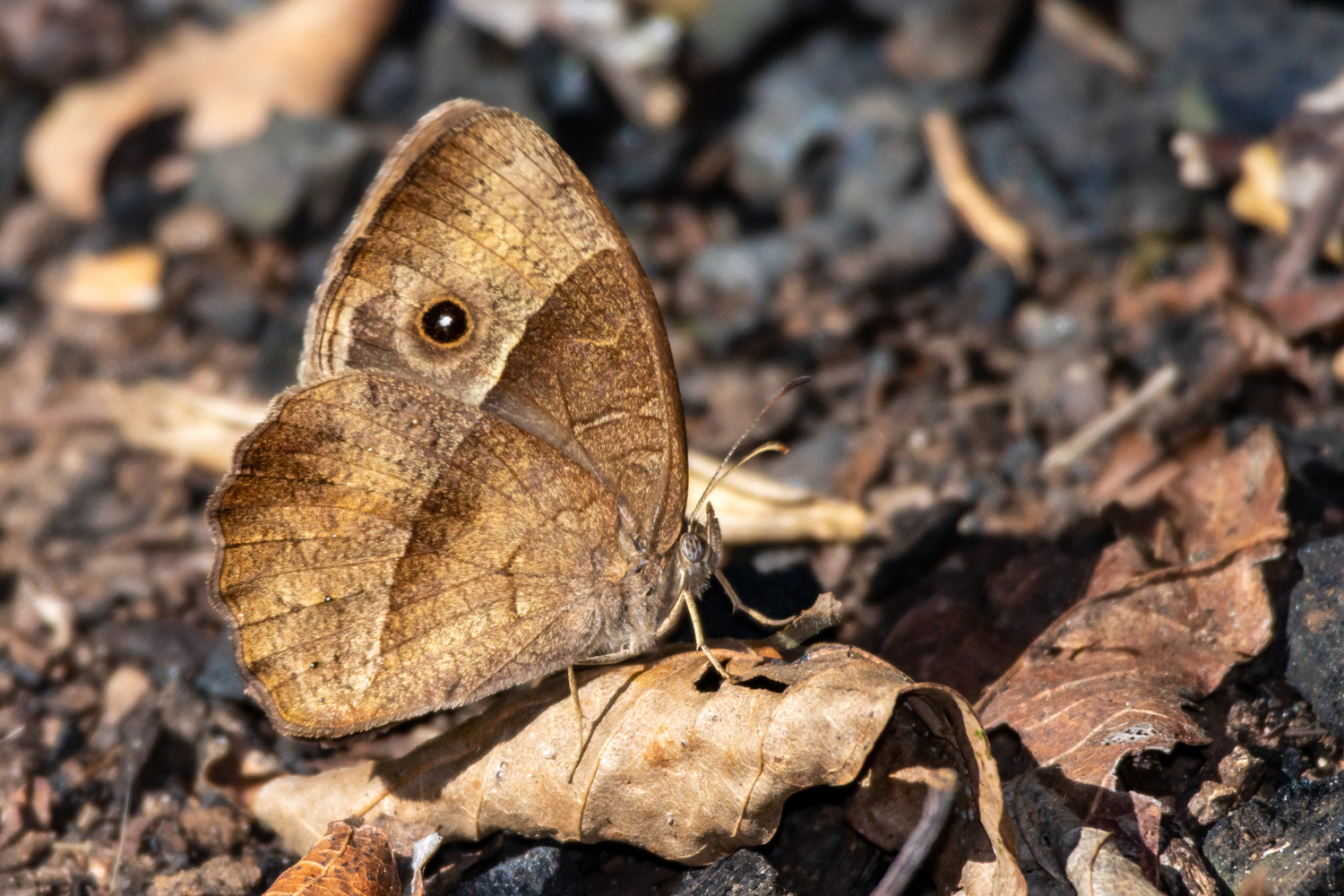
Variable Bush Brown ♂ form evenus

Bicyclus safitza safitza
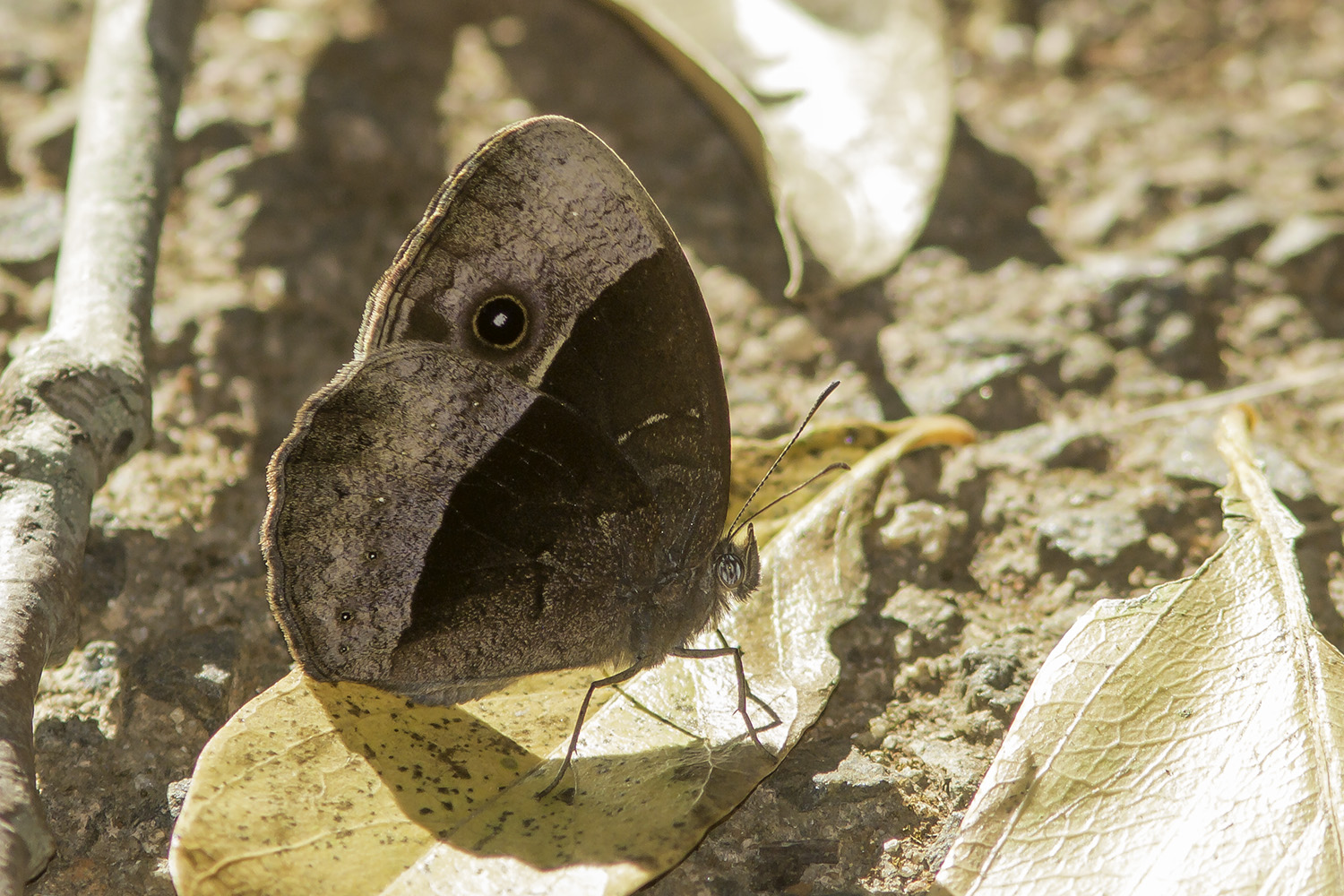
Variable Bush Brown ♂ form evenus

Bicyclus safitza safitza
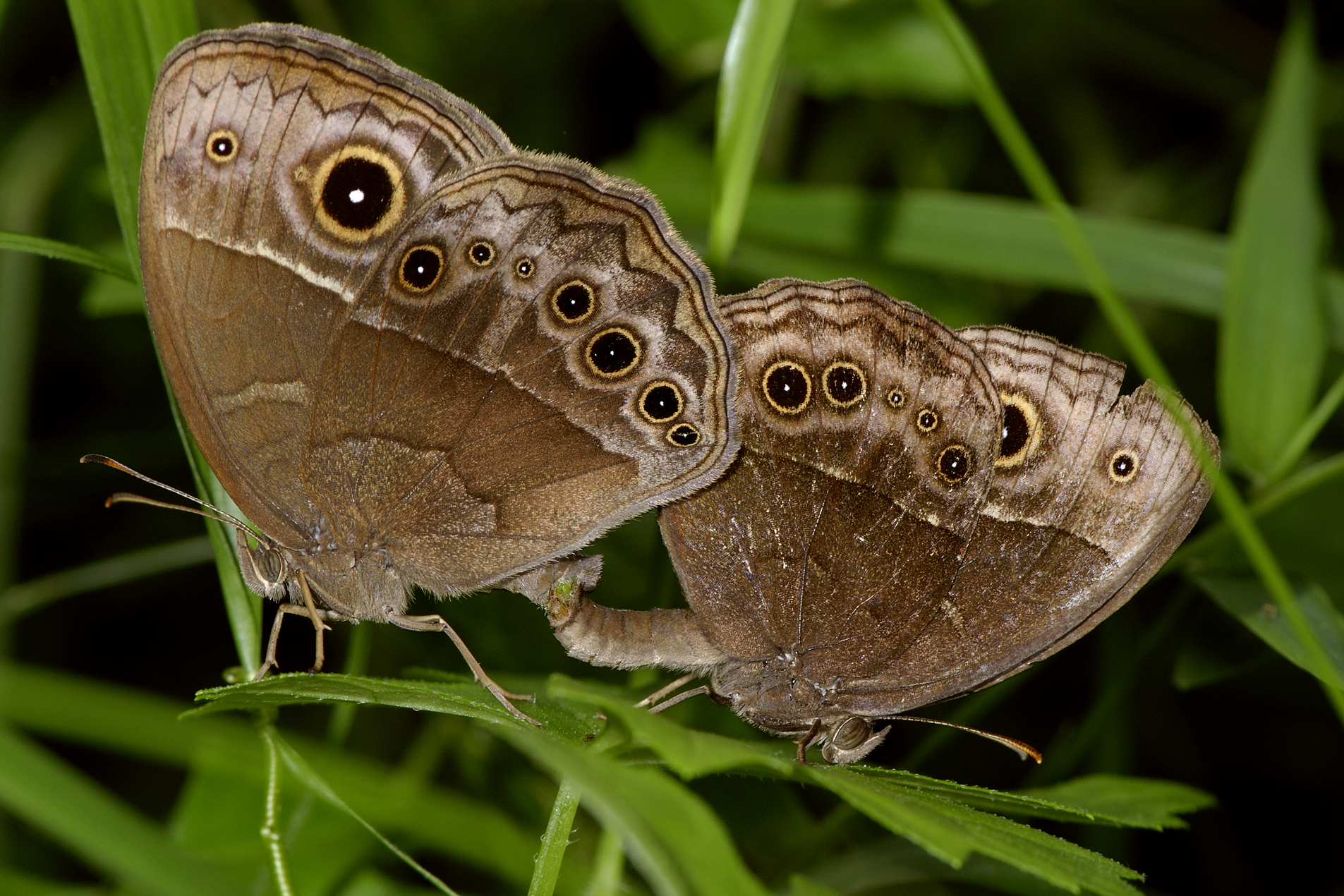
The most widespread Bush Brown genus in Africa is Bicyclus, with about 125 species, many of them extremely difficult to distinguish. South Africa has only three, which sounds straightforward – until you try. The species seen most often is the Variable Bush Brown, Bicyclus safitza. This is its current common name; until recently it was called the Black-haired Bush Brown, after the black scent hairs beneath the males’ forewings. These hairs are not helpful for identification, however, because they are hidden when the butterfly is at rest and cannot be seen in flight. An earlier name, Common Bush Brown, was no better since the species is not uniformly common throughout all of Africa.

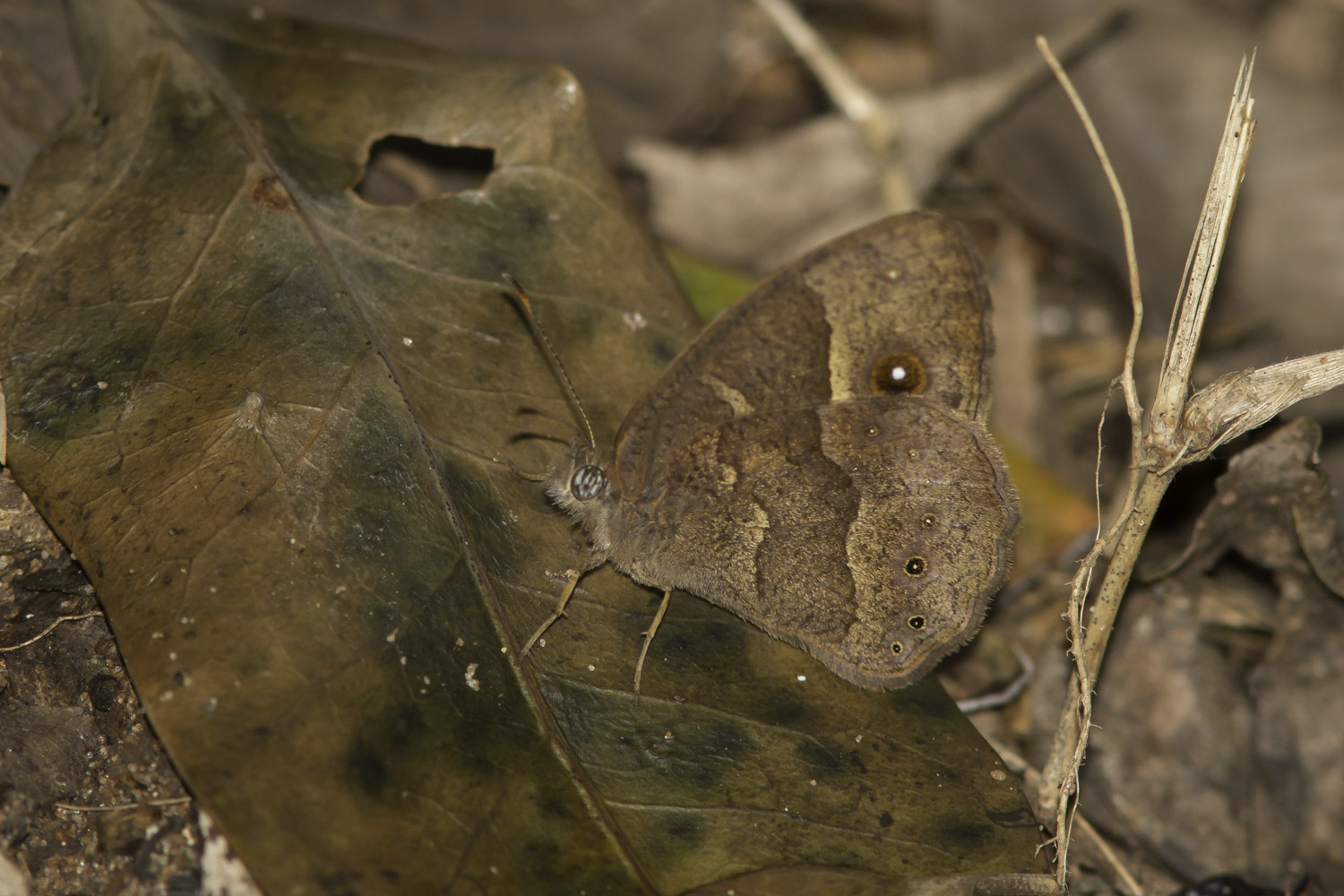
These are both dry season form males, form evenus, which show how variable they are on the undersides. And how fond they are of resting on dead leaves!

Variable Bush Browns form safitza mating, ♀ to the left

Bicyclus safitza safitza
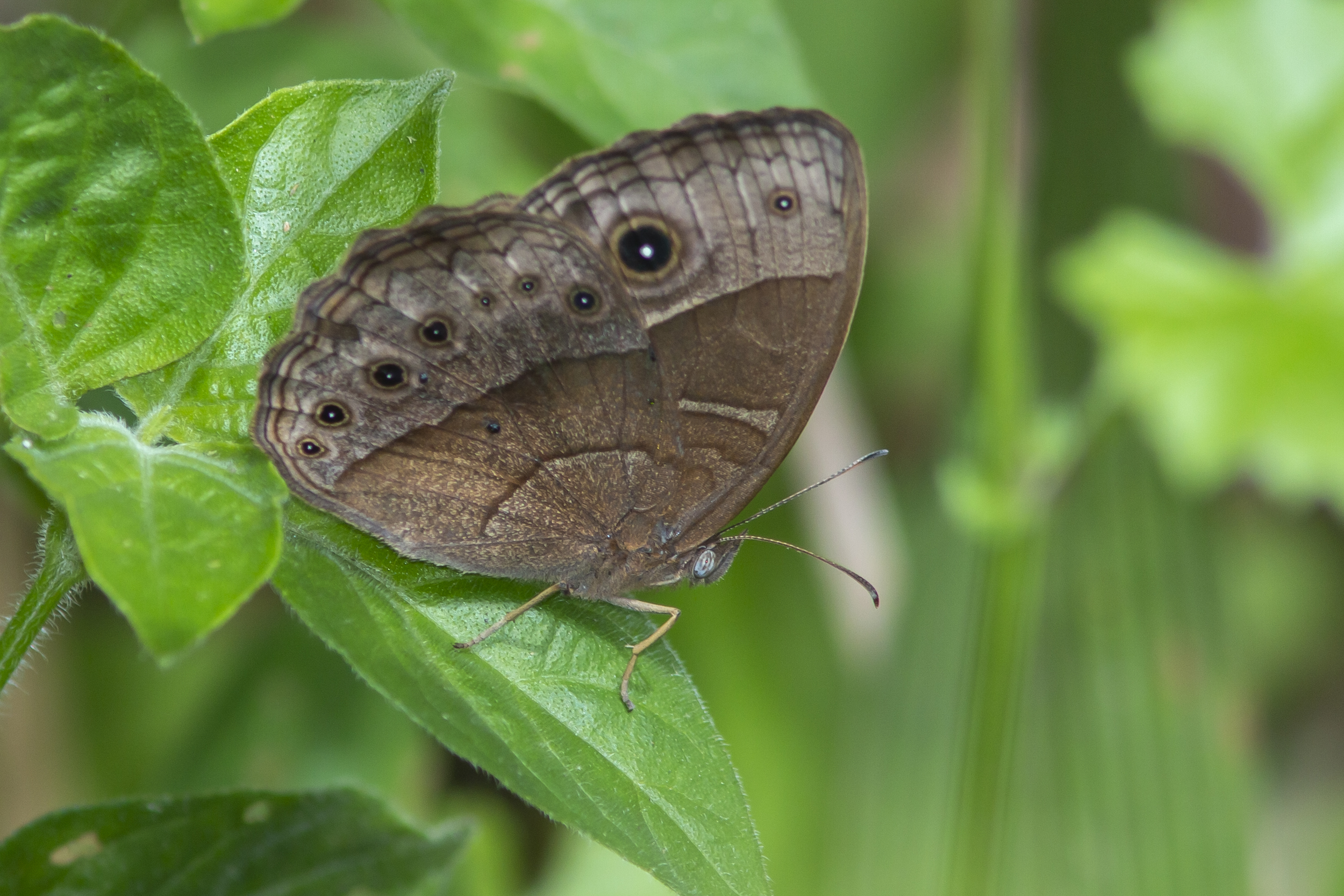
This mating pair was photographed in November, which is in the wet season. The female is larger and paler than the male, which is normal for this species. Their markings are much more pronounced than the dry season forms seen above. Form safitza has the most pronounced underside ocelli, with a bright yellow ring around them. This is the from seen most often in the wet season of the tropics.

Variable Bush Brown ♀ form injusta

Bicyclus safitza safitza
Variable Bush Brown ♂ form injusta

Bicyclus safitza safitza
Variable Bush Brown ♀ form injusta

Bicyclus safitza safitza
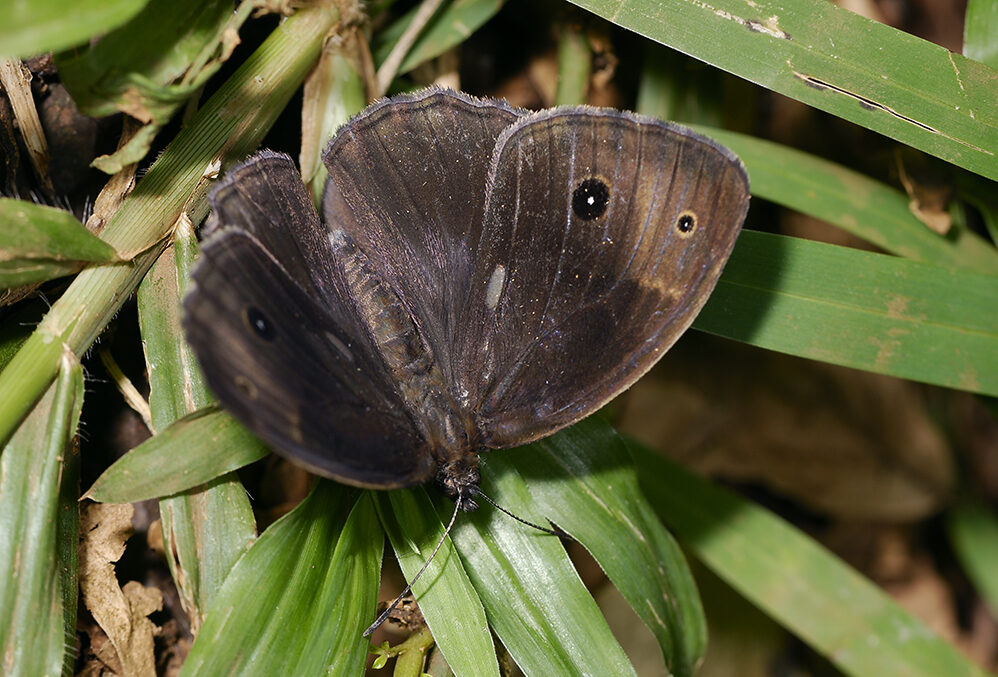
Variable Bush Brown ♂ form injusta

Bicyclus safitza safitza
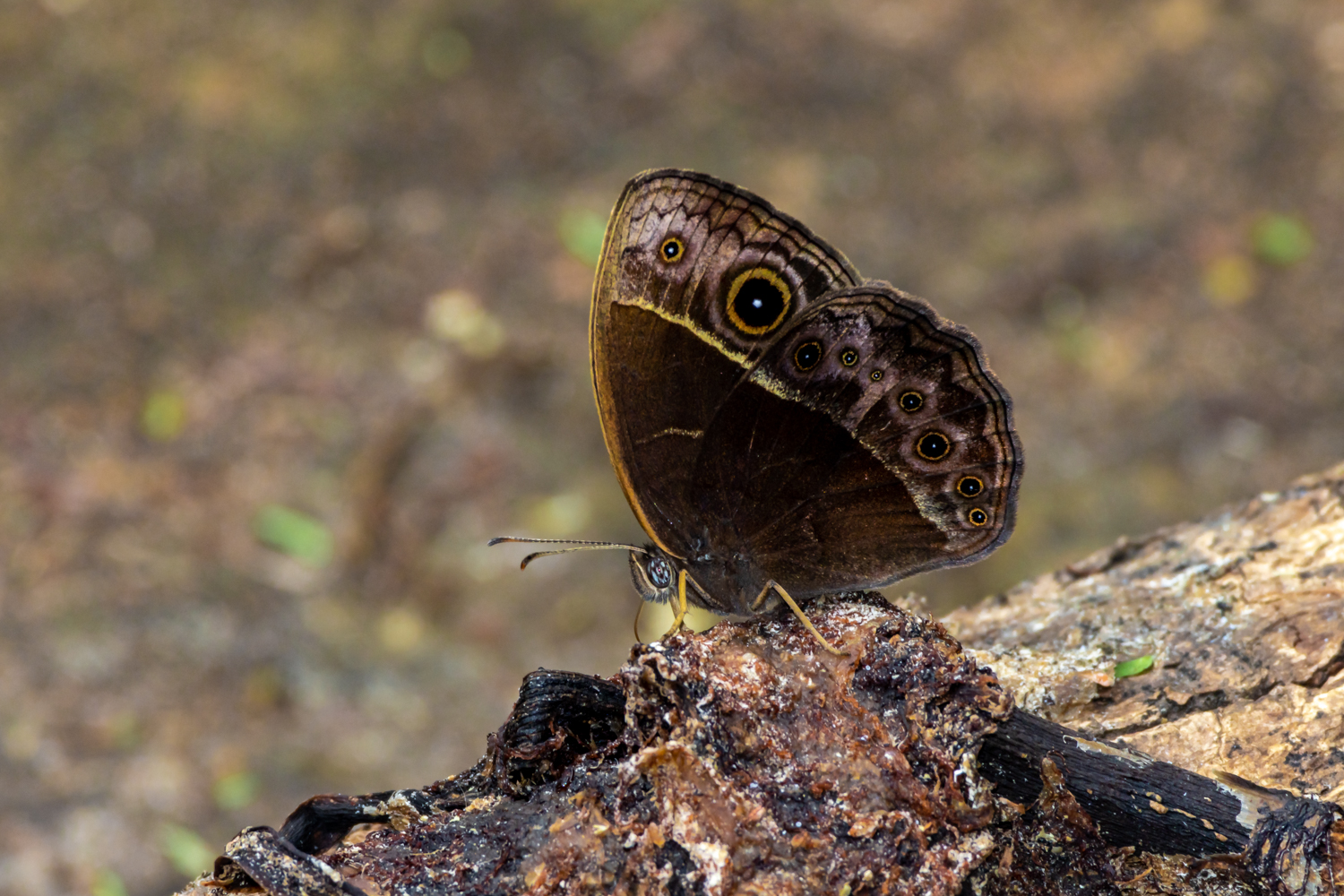
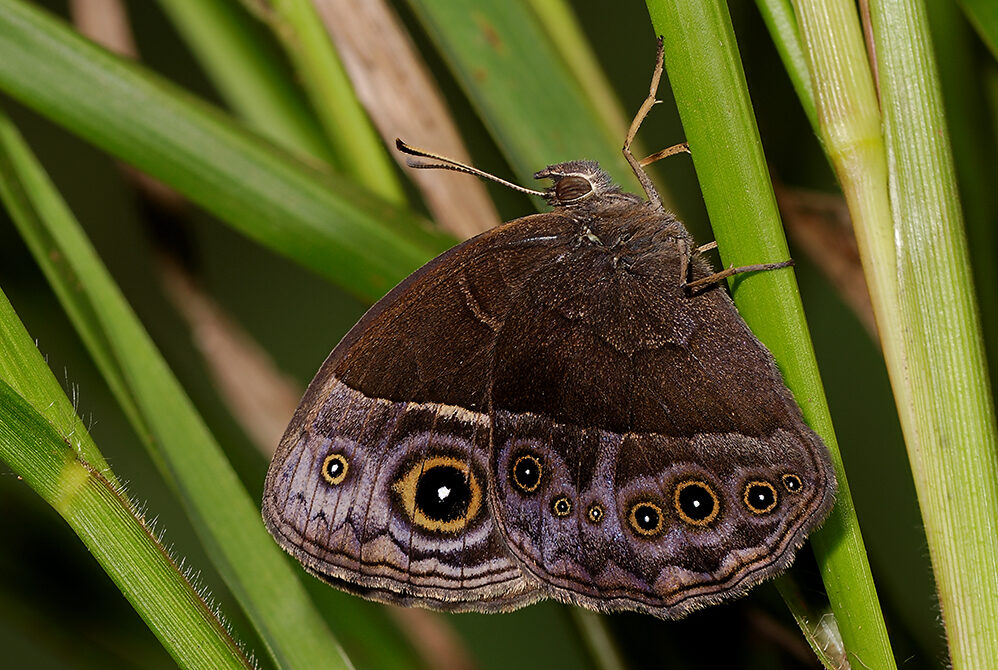
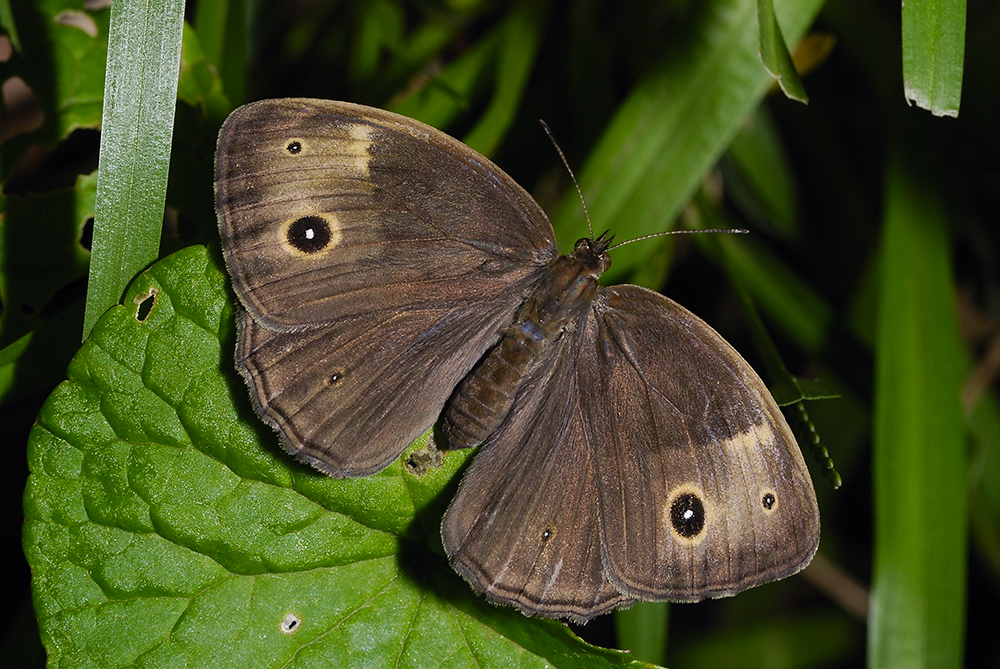
These butterflies were photographed in December, at the height of the rainy season, when vegetation is densest, in iPhithi Nature Reserve where form injusta is the wet season form. Like form safitza these have greatly enlarged ocelli, but the rings around them are duller in colour. These eyespots are thought to help males and females find one another in thick vegetation and to mislead predators into attacking expendable parts of the wings. They are usually reluctant to open their wings for the camera. When they land they tend to open them for a few seconds then close them again. The photographer has to be very quick on the shutter. Modern mirrorless cameras that can shoot as fast as 40 frames per second are a great help in this respect.

Variable Bush Brown ♂ form injusta feeding on fermented banana

Bicyclus safitza safitza
Bush Browns are crepuscular, meaning they are most active in low light, especially early in the morning and late afternoon. They favour warm, overcast conditions over bright sun, and usually fly low, close to the forest floor. This male Variable Bush Brown shows two other features of the group: he is feeding on fermenting banana, which they prefer to flower nectar, and the costal veins at the base of his forewings are strongly thickened. These veins contain a physical amplifier for sounds detected by ears at the bases of the forewings. In dim forest habitats, good hearing helps butterflies like these to detect predators.

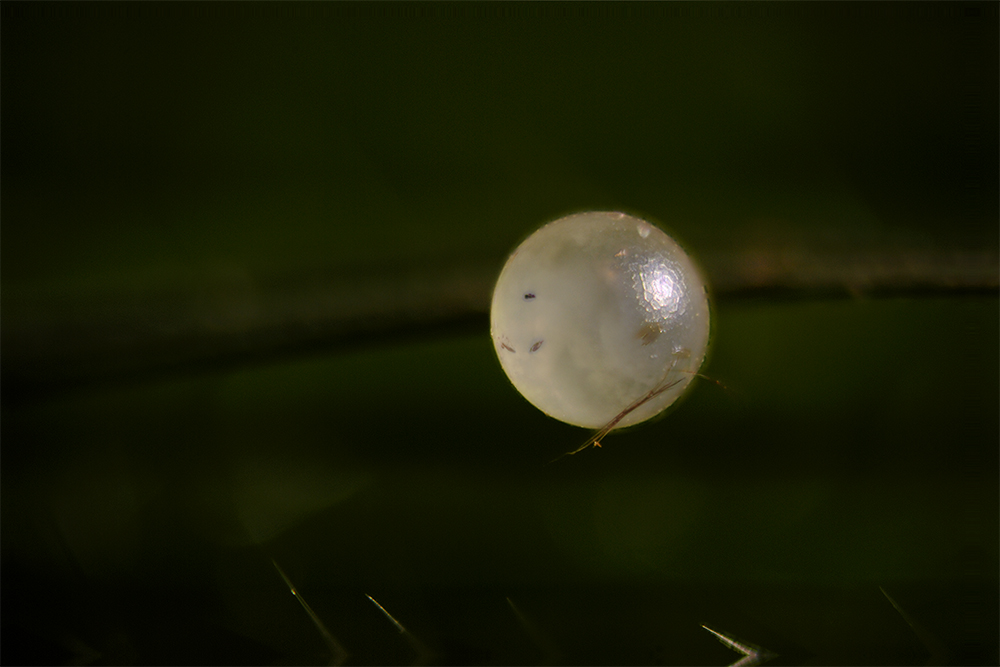
Variable Bush Brown egg

Bicyclus safitza safitza
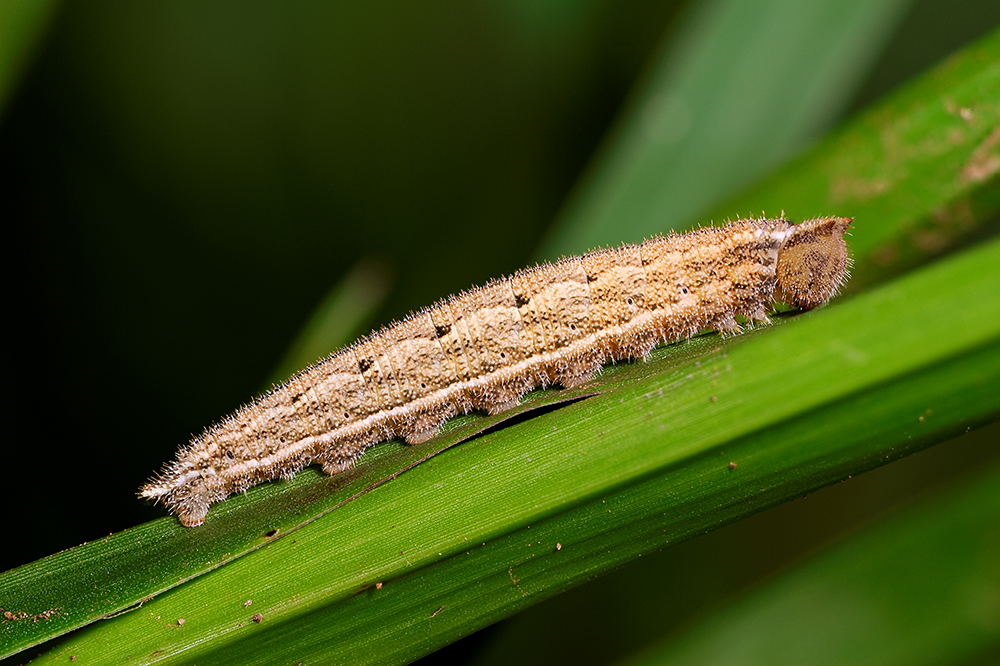
Fifth (final) instar Bush Brown larva

Bicyclus safitza safitza
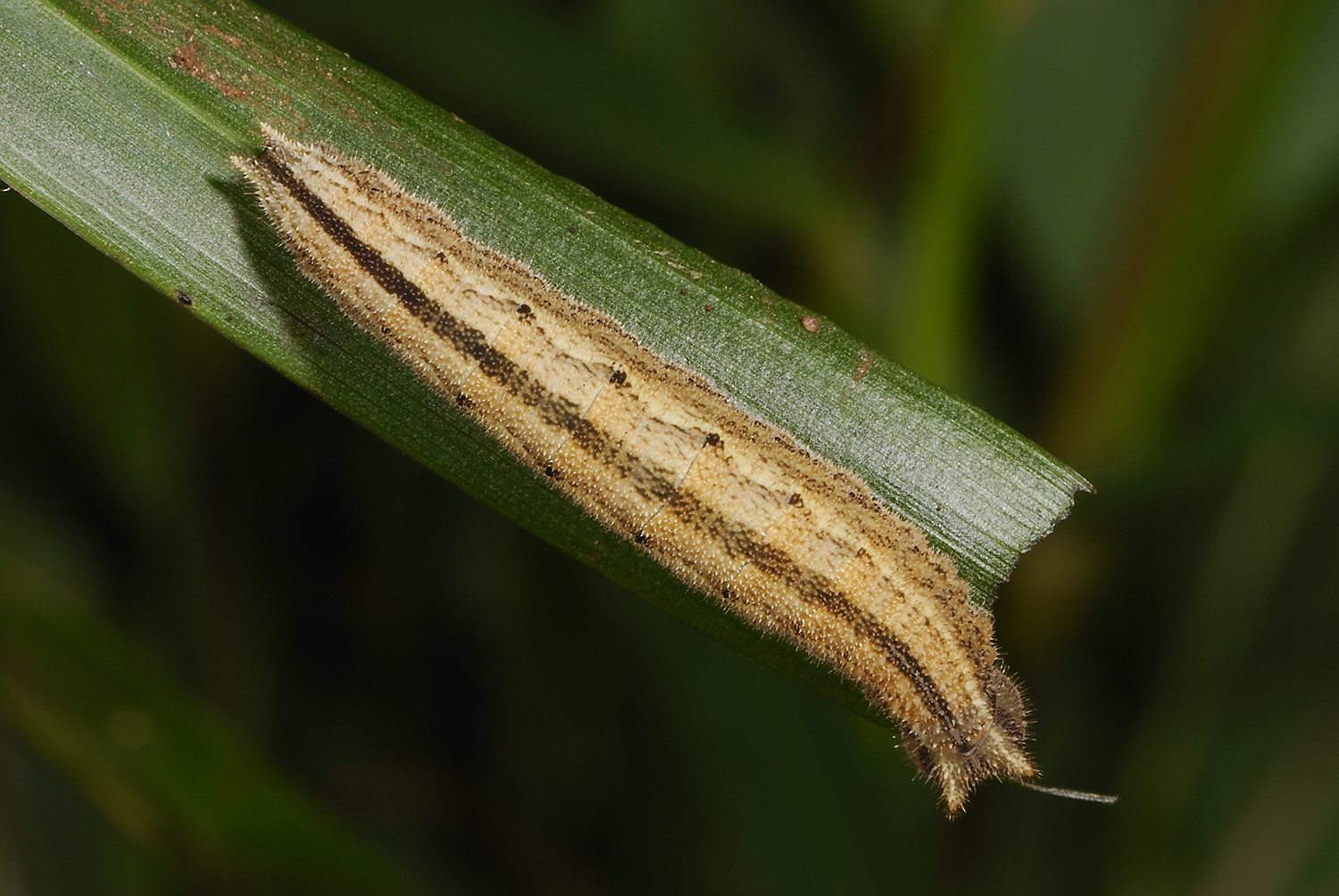
Fifth (final) instar Bush Brown larva

Bicyclus safitza safitza
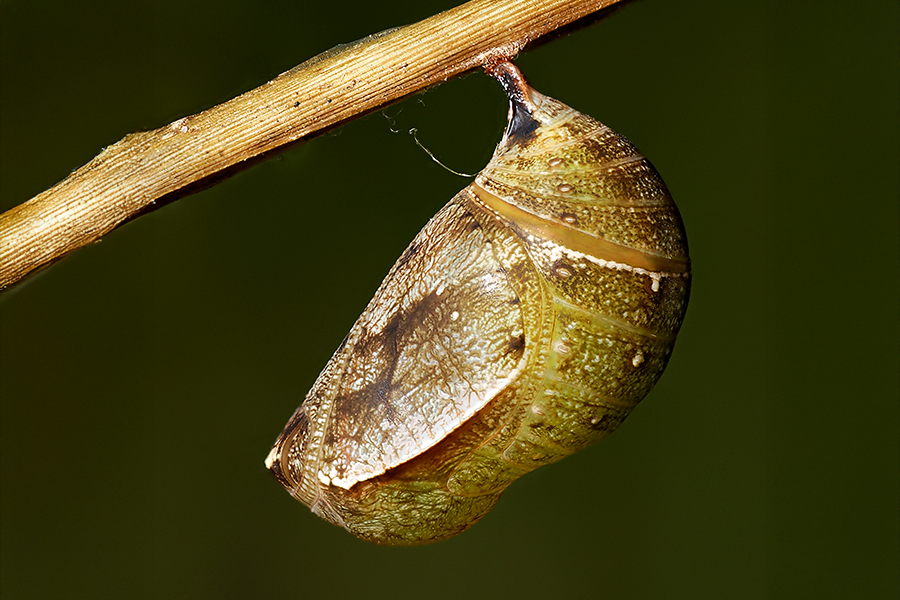
Variable Bush Brown pupa

Bicyclus safitza safitza
Like many Satyrinae, Bush Brown caterpillars feed on grasses, especially low-growing, shade-loving forest species. Females lay single eggs on grass leaves, and the caterpillars eat the leaves from the outside inward. They are nocturnal and extremely difficult to find in the wild, so these were photographed in captivity. A female will readily lay eggs in a box supplied with sprigs of suitable grass. The caterpillars are well camouflaged, resembling small pieces of dried grass. Pupae, or chrysalides, are formed in leaf litter or on grass stems. They vary greatly in colour, from buff to deep brown; this one is green. Development from egg to pupa usually takes only a few weeks, although dry conditions can prolong the process.

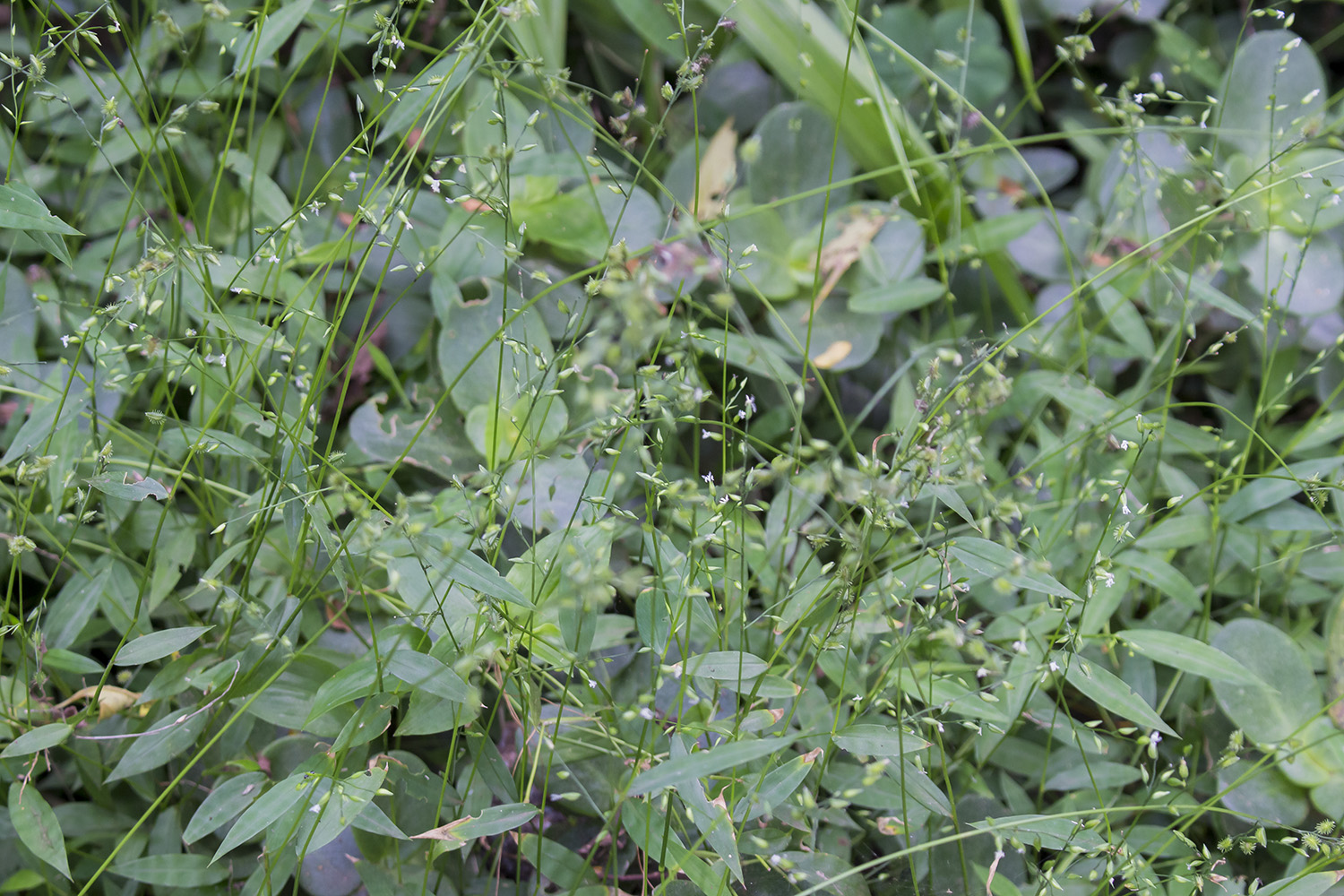
Basket-grass, a host plant of the Variable Bush Brown

Oplismenus hirtellus
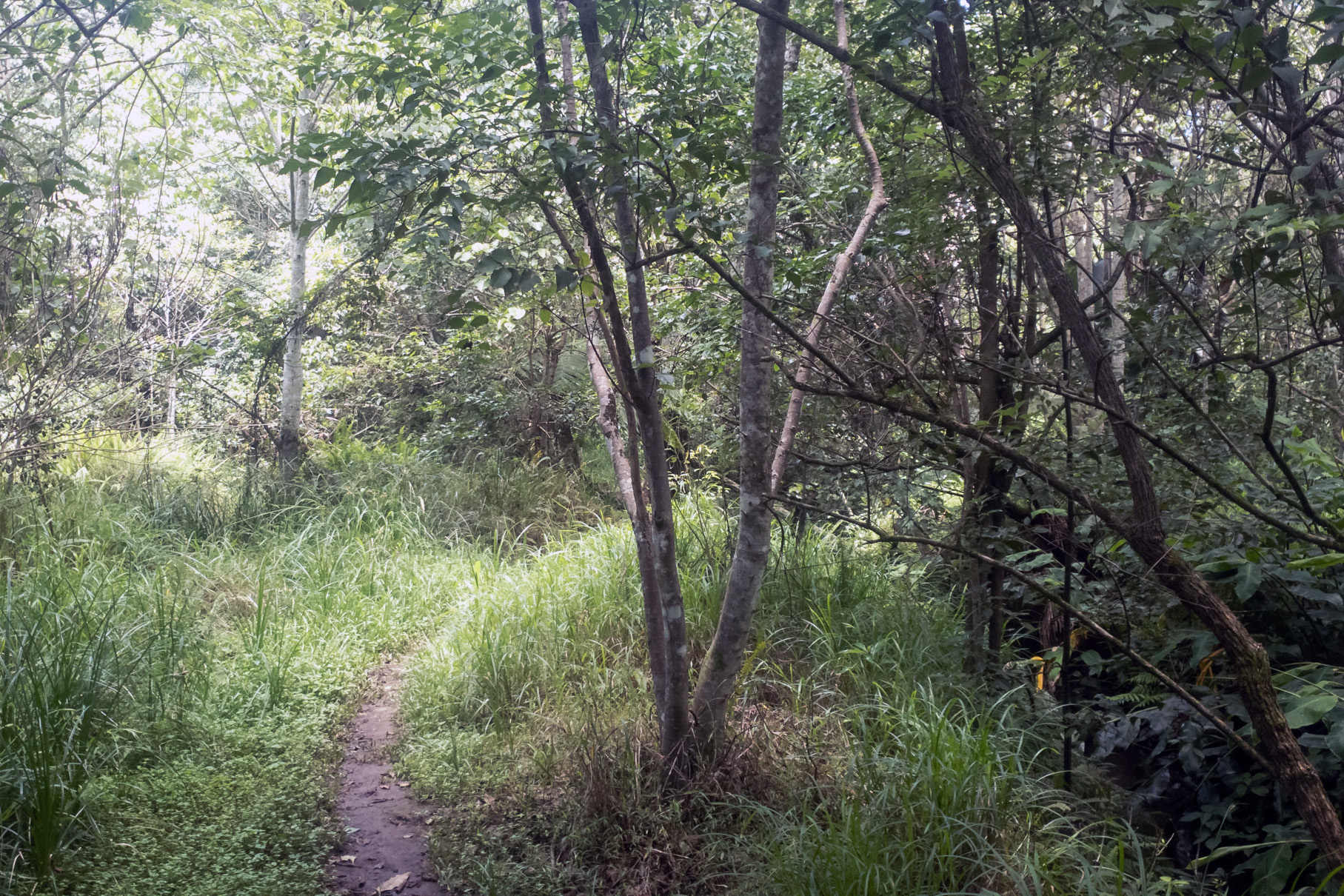
iPhithi Nature Reserve

Bicyclus safitza safitza habitat
These images show typical habitat for the Variable Bush Brown, Bicyclus safitza safitzaiPhithi Nature Reserve in Gillitts, KwaZulu-Natal, is a particularly good place to see them – it’s the commonest butterfly in the reserve. Basket-grass, Oplismenus hirtellus, is a common shade grass there. The butterfly uses a wide variety of forest grasses, including Broad-leafed Bristle-grass Setaria megaphylla and Dwarf Forest-grass Pseudechinolaena polystachya

Distribution

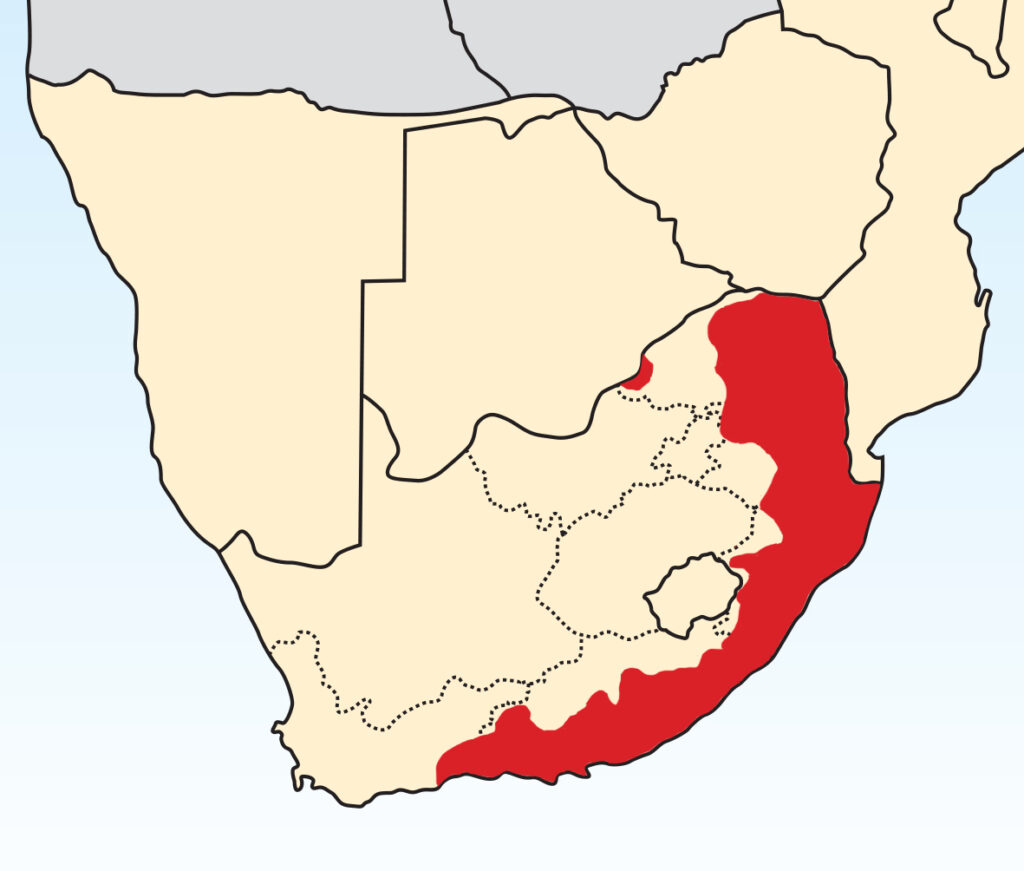
Variable Bush Brown Bicyclus safitza safitza is abundant in Afromontane, Scarp, Lowland and Riverine Forest and bush in the eastern zone of South Africa, from the Western Cape (Knysna) to the Soutpansberg, Limpopo Province. It flies year-round with seasonal variation that becomes more pronounced further north in Africa. The pale apical patches shown on the upper sides above become conspicuous yellow blotches in some northern populations.

It is found up to the 1000 meter contour in South Africa but further north it occurs in suitable habitat up to 2200 meters in Tanzania and Kenya. In West Africa it mainly occurs in Guinea Savanna.

A separate subspecies, Bicyclus safitza aethiops, occurs in Ethiopia.

Squinting Bush Brown ♀ form anynana

Bicyclus anynana anynana
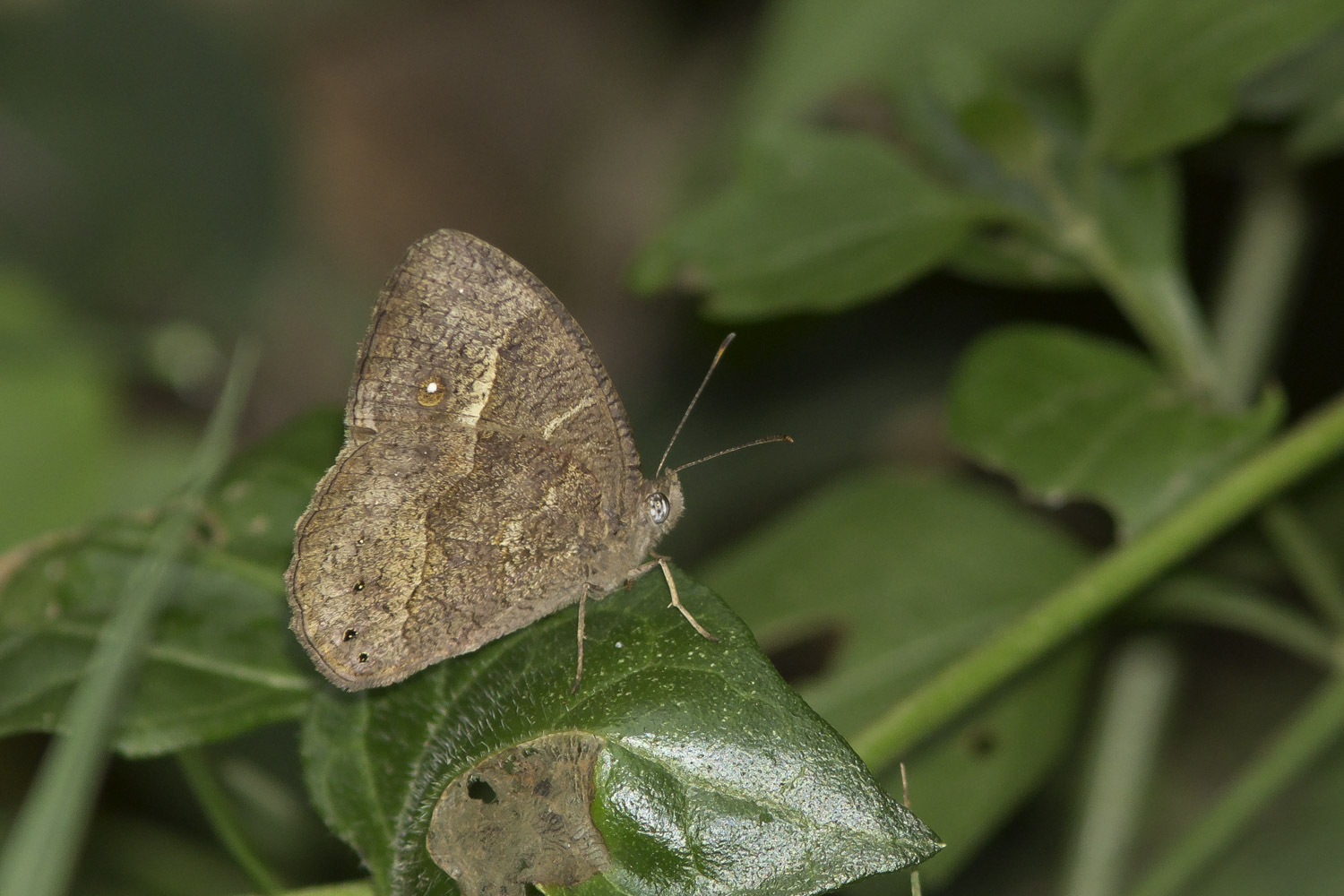
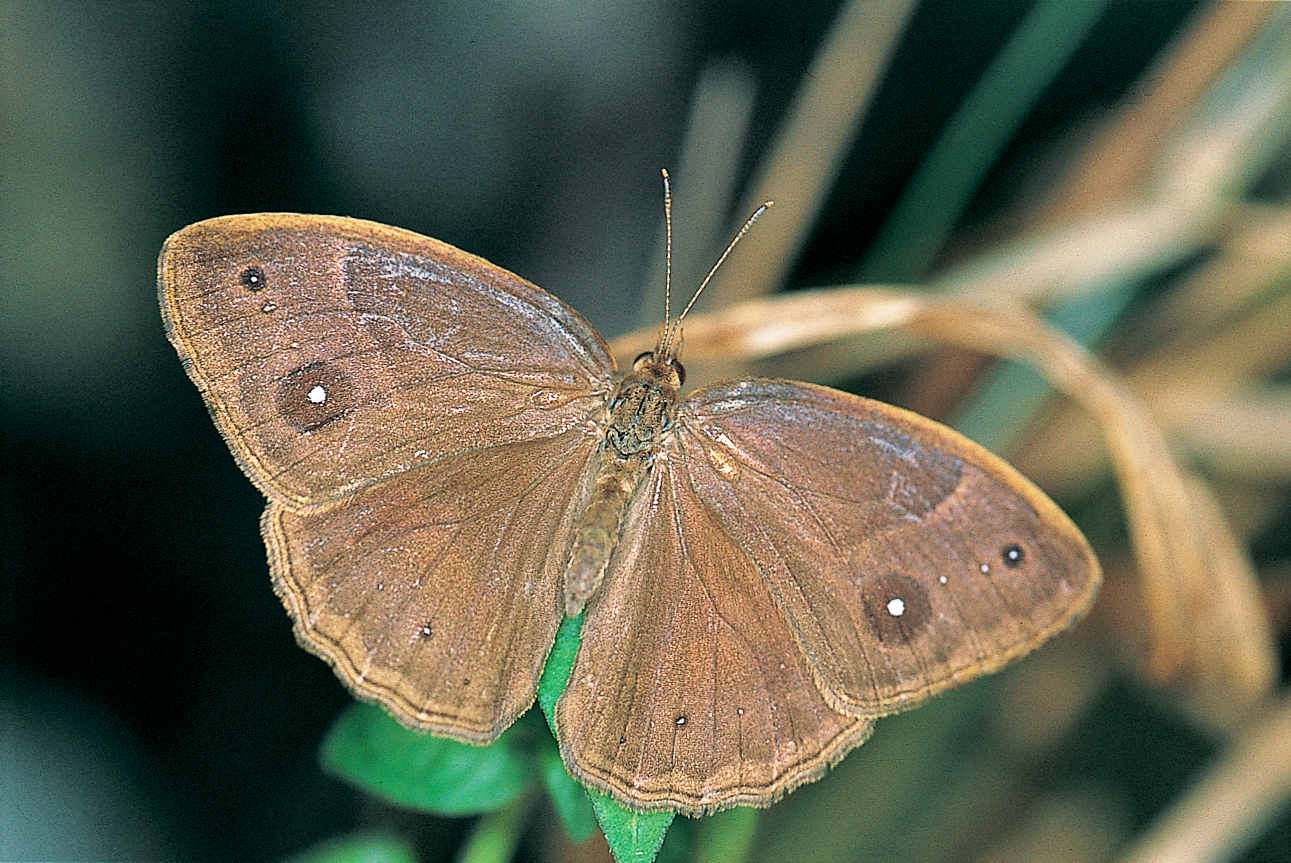
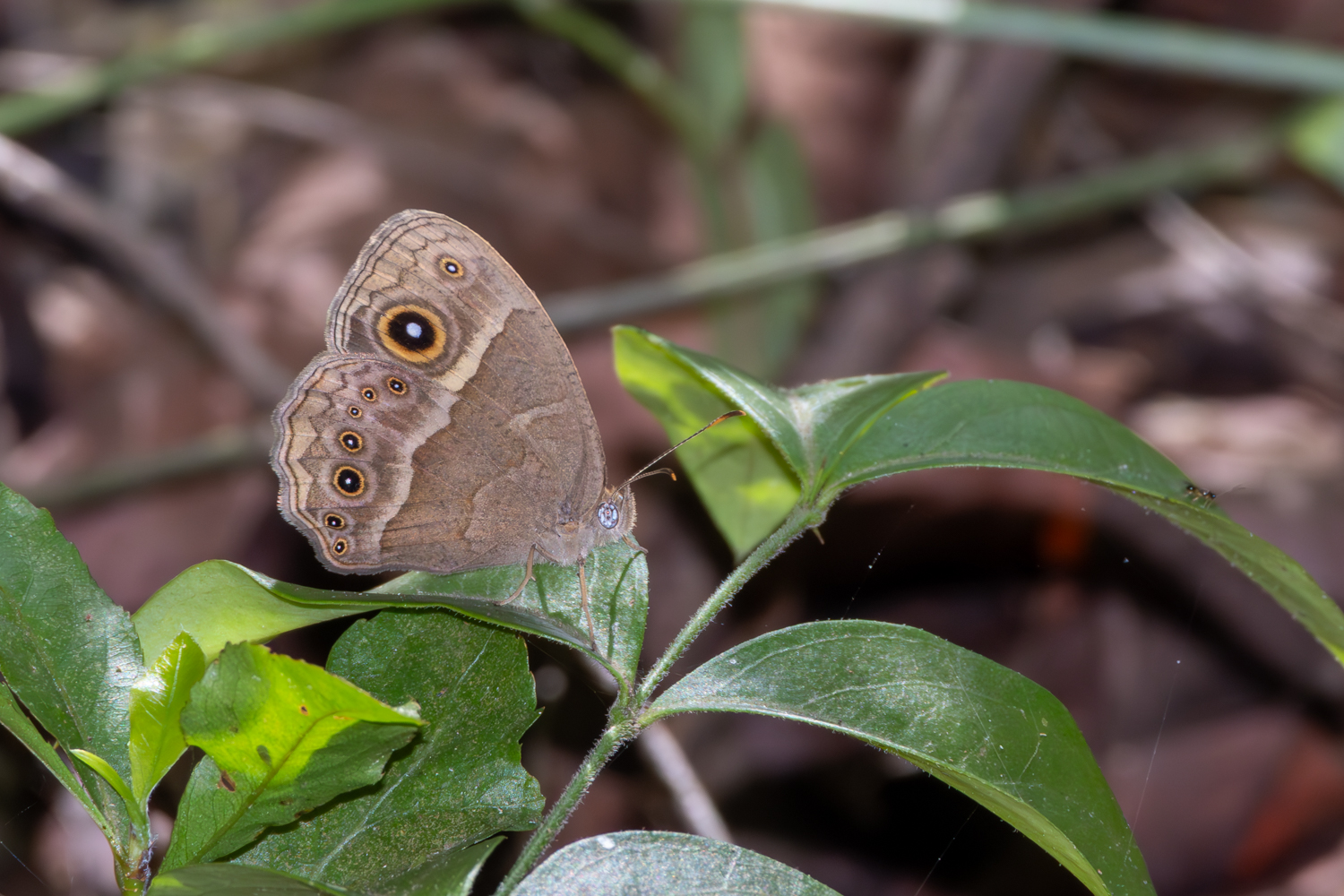
Three species of Bicyclus Bush Browns occur in South Africa. Bicyclus safitza safitza is the commonest and most widespread, but another forest species is Bicyclus anynana anynana, the Squinting Bush Brown. Its name comes from the large tornal ocellus on the underside of the forewing: the white spot in the “pupil,” especially in the dry-season form anynana, is offset to one side, giving it a squinting appearance.

The extent to which that spot is asymmetric varies with the seasons. In the wet season form vicaria it is more central, which may possibly be confusing,  but another way to distinguish this from Bicyclus safitza safitza is the ground colour of the ocellus. In safitza it is plain grey of black; in Bicyclus anynana form vicaria it often has some brown.

The other way to tell them apart is the median line running across the hindwing underside. In safitza it may curve but it is always convex with respect to the wing base. In anynana it is sinuous – it curves outwards and inwards.

Like Bicyclus safitza safitza, it lives in shady forest habitats and is well camouflaged among dry leaves. It is fond of fermenting fruit and is often seen sucking fluids from rotting leaves.

Squinting Bush Brown ♂ form anynana

Bicyclus safitza safitza
Squinting Bush Brown ♂ form anynana

Bicyclus anynana anynana
Squinting Bush Brown ♀ form vicaria

Bicyclus anynana anynana
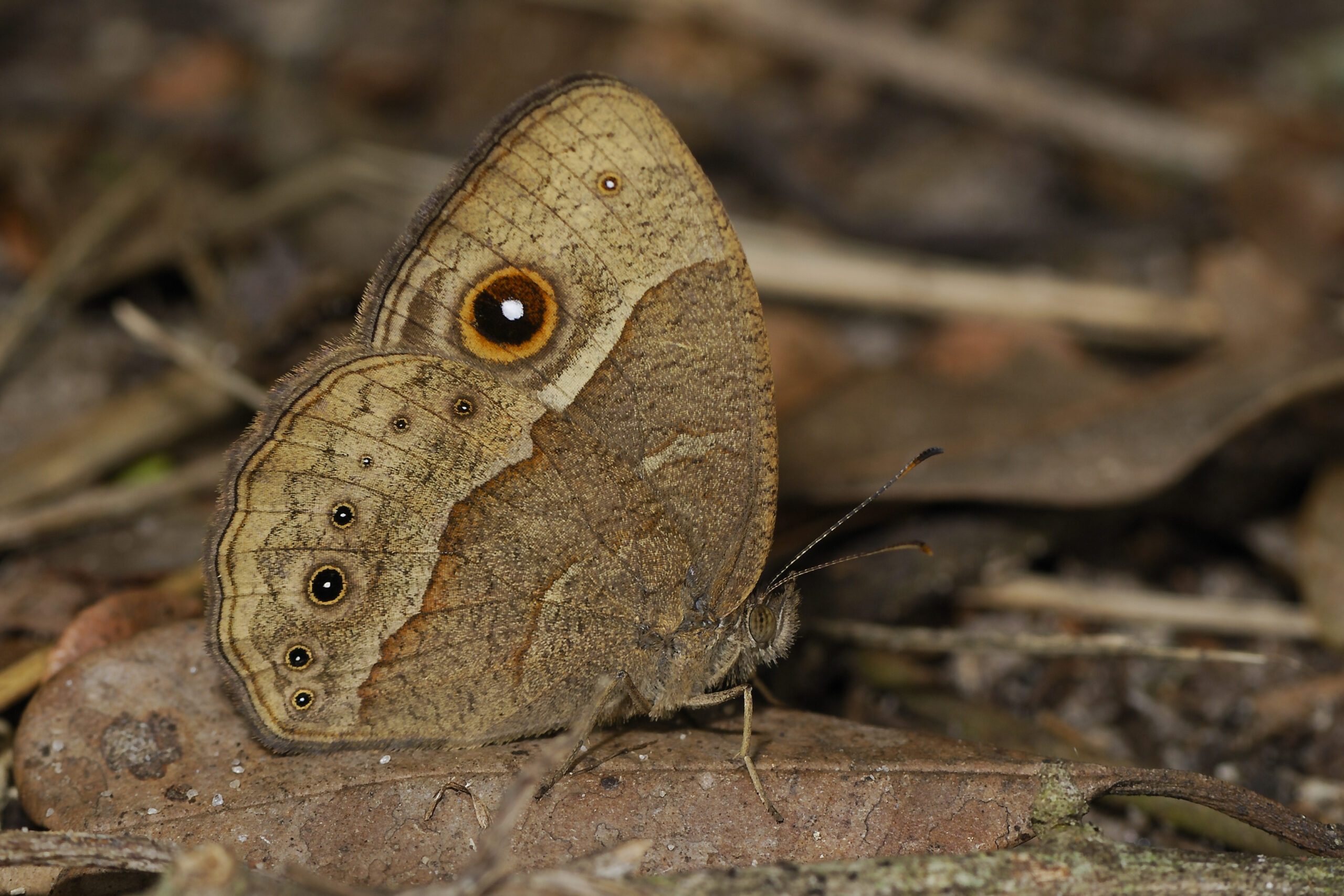
Squinting Bush Brown ♂ form vicaria

Bicyclus anynana anynana
Squinting Bush Brown eggs,  caterpillars and chrysalides are very similar to those of the Variable Bush Brown. Their habits are similar. 

As with the Variable Bush Brown, the ocelli on the underside of the wings of the wet season form have been shown to deflect attacks by birds, whereas the lack of (or less visible) eye-spots in the dry season form result in reduced attack by birds because of crypsis. 

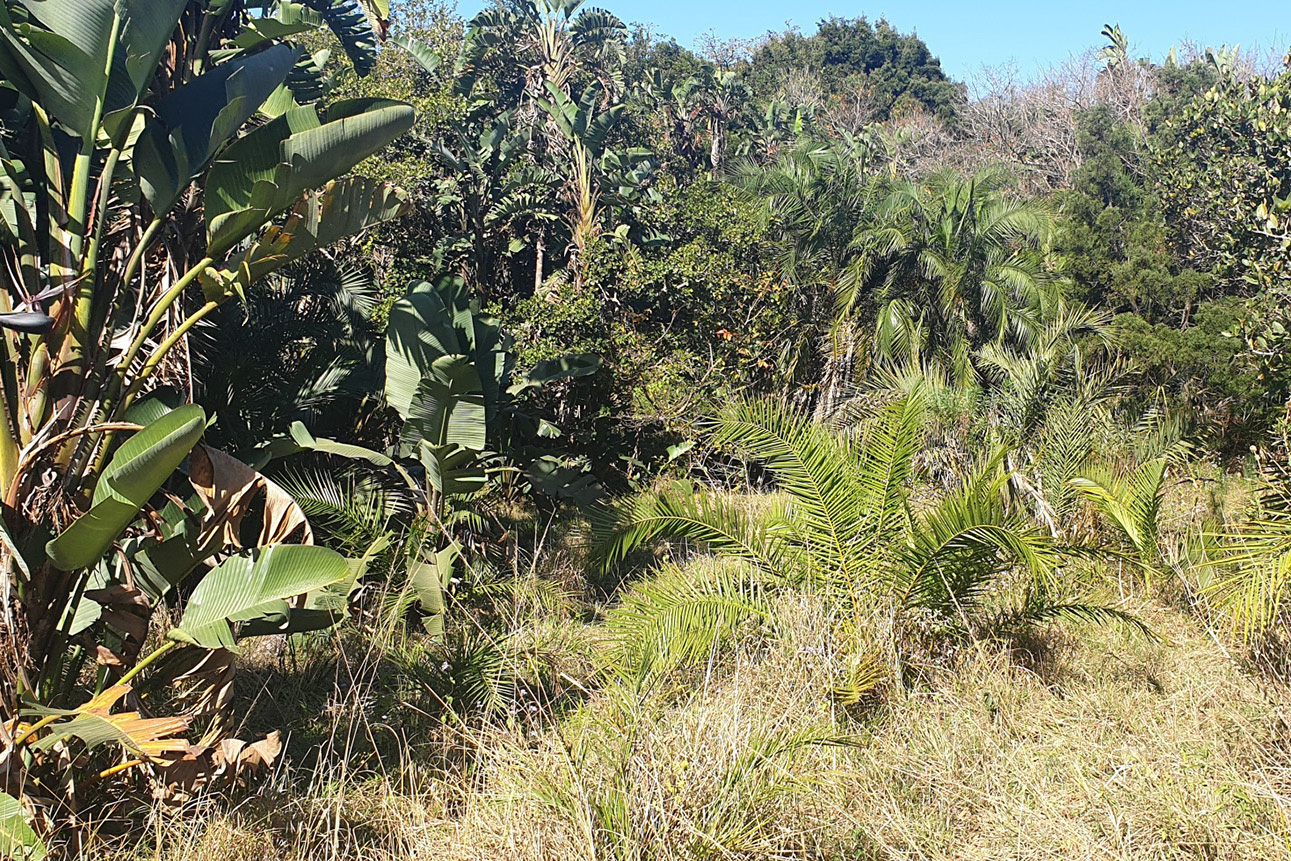
Coastal bush at Kenneth Stainbank Nature Reserve, Durban

Habitat for Squinting Bush Brown
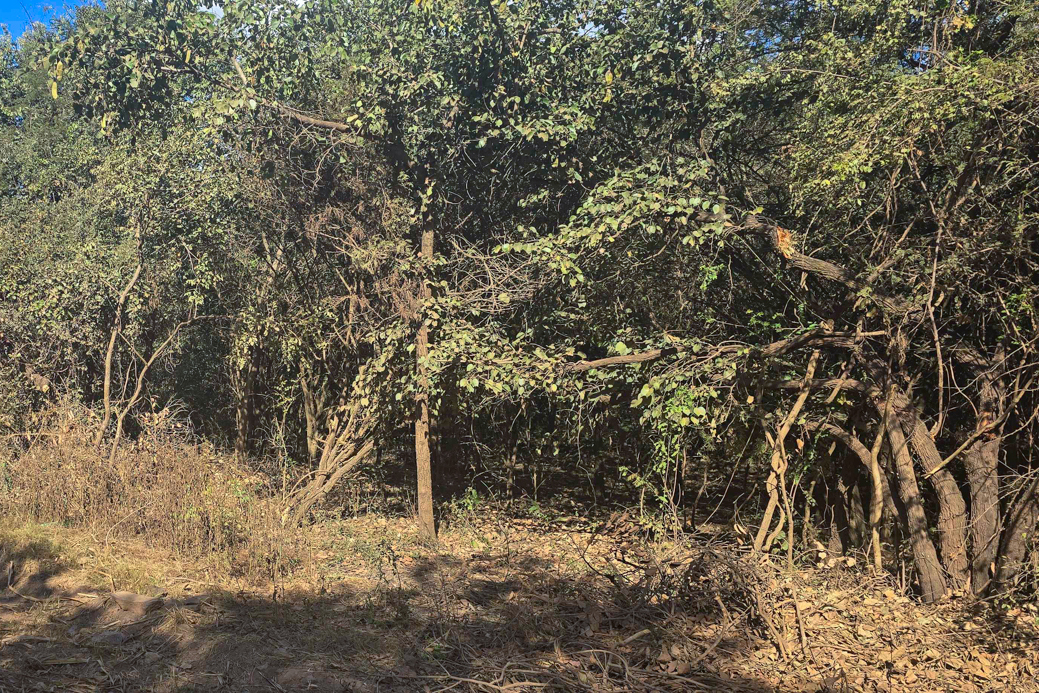
Dry woodland at Mazabuko, Zambia

Habitat for Squinting Bush Brown
These images show typical habitat for the Squinting Bush Brown, Bicyclus anynana anynana. Kenneth Stainbank Nature Reserve and Hawaan Forest are typical of the drier coastal bush favoured by this butterfly. Like Bicyclus safitza safitza it uses a wide variety of forest grasses, including Basket-grass, Oplismenus hirtellus, Broad-leafed Bristle-grass Setaria megaphylla and Dwarf Forest-grass Pseudechinolaena polystachya

Further north it is found in dry woodland and open savanna, where it flies in the shade of trees.

Distribution

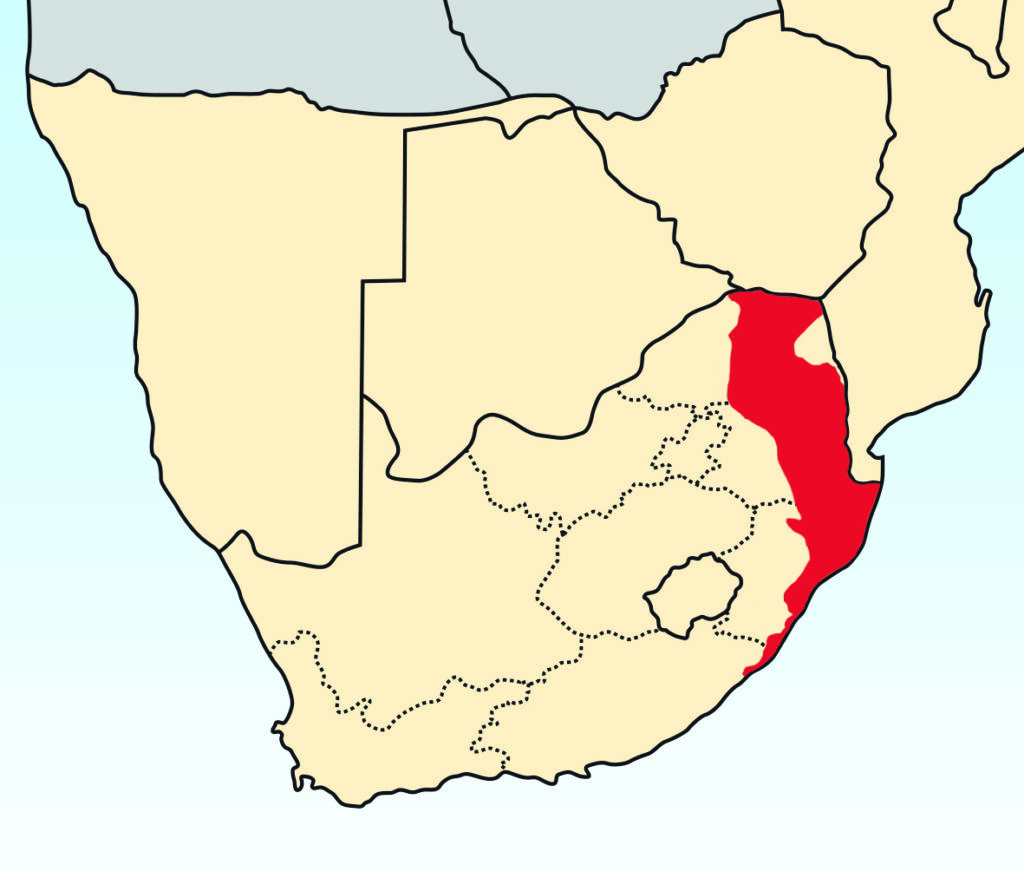
Squinting Bush Brown Bicyclus anynana anynana is found in wooded kloofs and coastal bush, riverine and lowland forest from the northern Eastern Cape coast to Durban, KwaZulu-Natal, to eSwatini, Mpumalanga, Limpopo Province and further north. It flies year-round with seasonal variation that as shown above. It lacks the pale upperside apical patches seen on Bicyclus safitza safitza .

It is found in drier habitats than Bicyclus safitza safitza although they sometimes fly together. Further north it occurs in open forest and wooded savanna, up to 2000 meters in Tanzania and Kenya. In central Africa the subspecies Copperbelt Squinting Bush Brown Bicyclus anynana centralis occurs, and another subspecies, Socotra Squinting Bush Brown Bicyclus safitza socotrana, is found on the island of Socotra, off Yemen.

Grizzled Bush Brown ♂ form kigonserae

Bicyclus ena
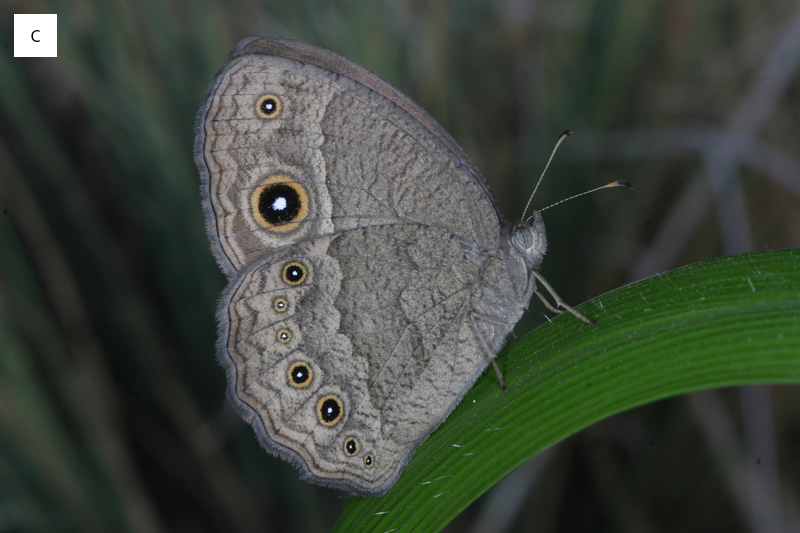
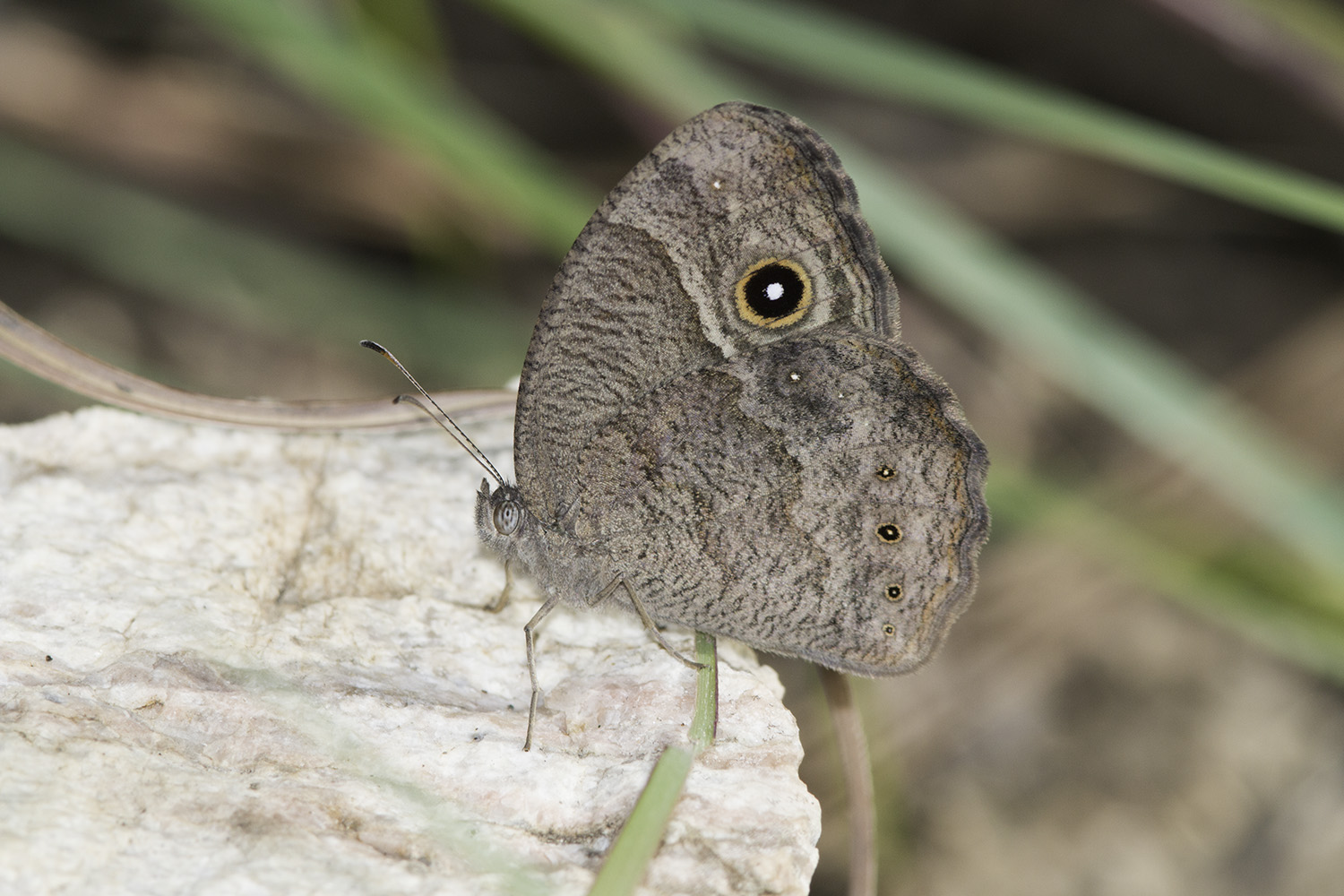
The third species of Bicyclus Bush Browns to occur in South Africa is the one least often seen – Grizzled Bush Brown Bicyclus ena. The wet season form ena is smaller and darker than the dry season form kigonserae but it lacks the greatly enlarged underside ocelli of the wet season forms of other two South African Bicyclus species. This one was photographed on the Buffelsberg near Munnik in Limpopo Province.

Grizzled Bush Brown ♂ form ena

Bicyclus ena
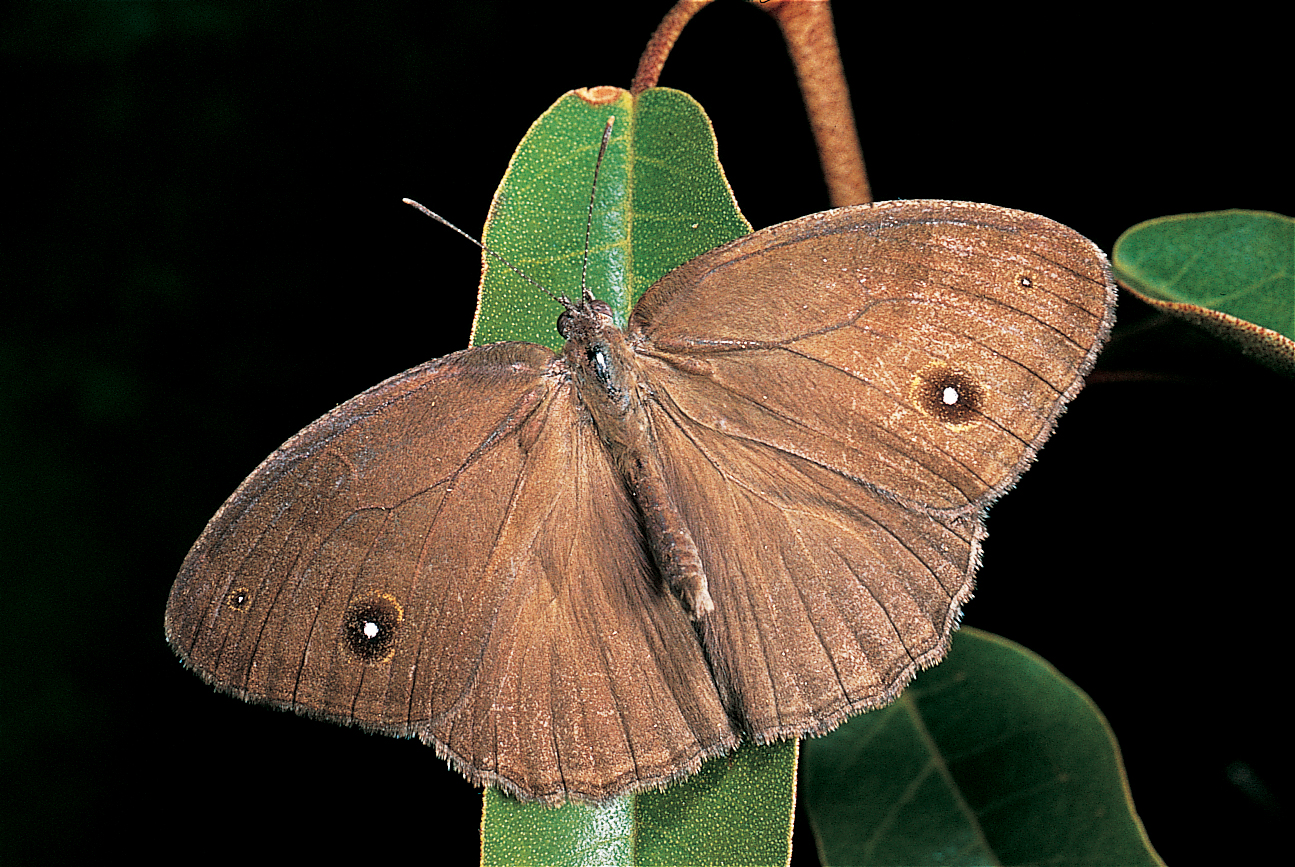
Grizzled Bush Brown ♂ form kigonserae

Bicyclus ena
Grizzled Bush Brown has only  been reared once, on Kikuyu grass Pennisetum clandestinum in captivity. Its eggs are similar to those of the Variable Bush Brown – tiny whitish spheres. The caterpillars are green rather than straw-coloured and the only chrysalis  recorded was also green in colour. 

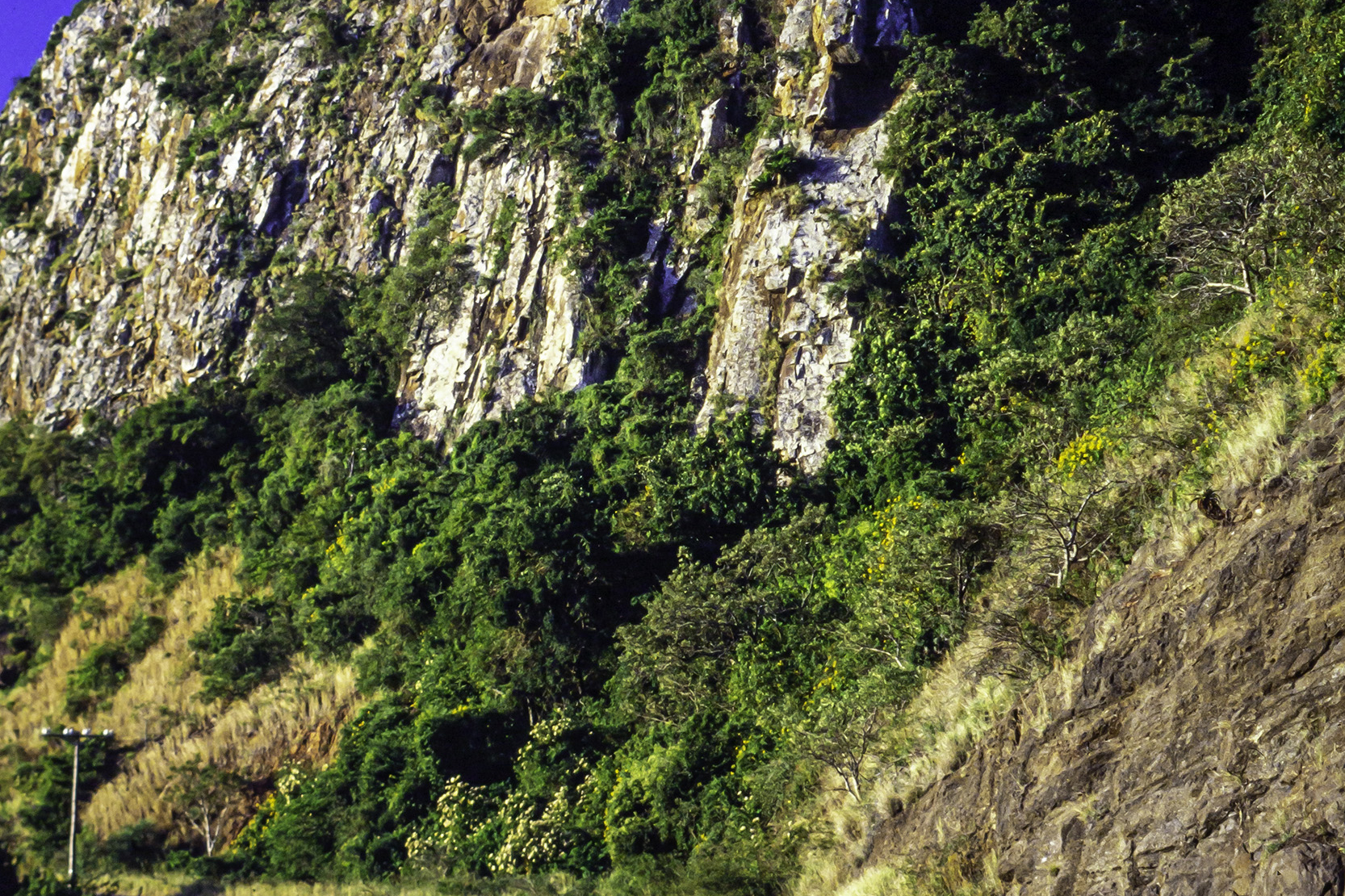
Rocky bush covered slopes at Jozini Pass in KZN

Habitat for Grizzled Bush Brown
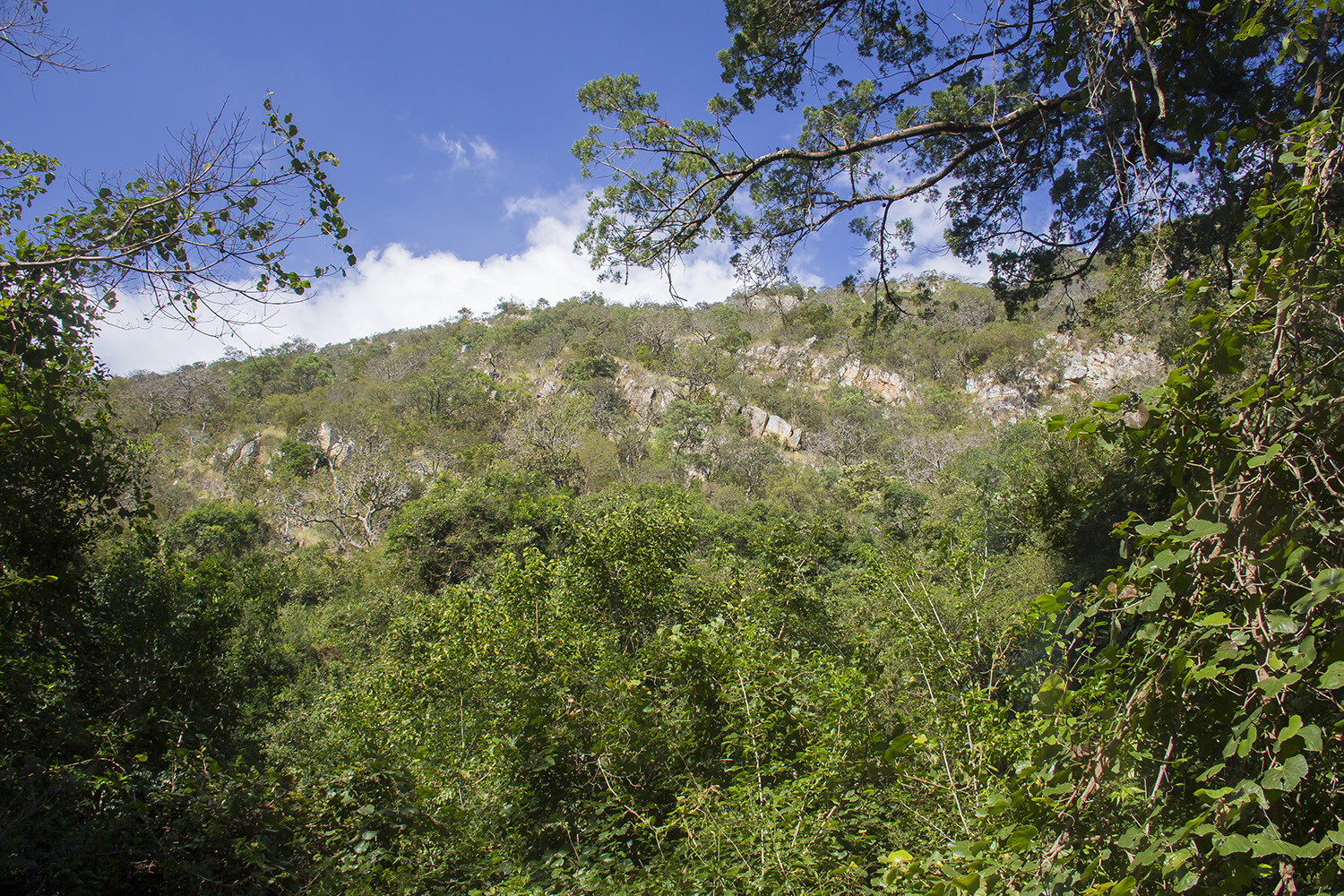
Lekgalameetse Nature Reserve, Limpopo

Habitat for Grizzled Bush Brown
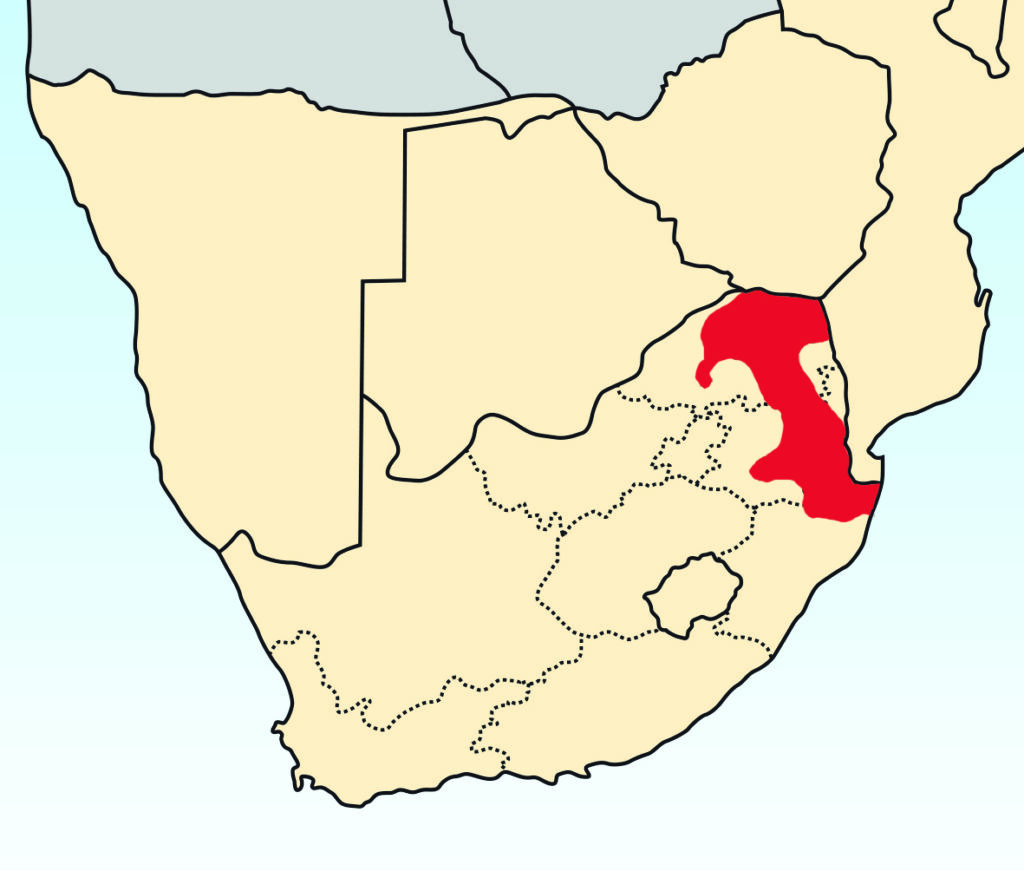
These images show typical habitat for the Grizzled Bush Brown, Bicyclus enaThe rugged rocky slopes of the Lebombo Mountains in Zululand and the Wolkberg in Limpopo are good places to look for this species. as are the Waterberg mountains, the eastern Soutpansberg, and the Kruger National Park. It’s faster flying and more agile than the other South African Bicyclus species and frequents drier habitats, seldom penetrating forests. Like its relatives it is fond of fermenting fruit and rotting vegetation.

Distribution

Grizzled Bush Brown Bicyclus ena is found in wooded rocky savanna from northern Zululand to eSwatini, Mpumalanga, Limpopo Province and further north. It flies year-round with slight seasonal variation as shown above. It lacks the pale upperside apical patches seen on Bicyclus safitza safitza and has a plain brown upper side.

It’s found throughout Zimbabwe, into Zambia and Botswana and as far north as Rwanda and Uganda, eastern Kenya, western Tanzania, and Malawi.

Marsh Patroller ♂ form perspicua

Brakefieldia perspicua perspicua
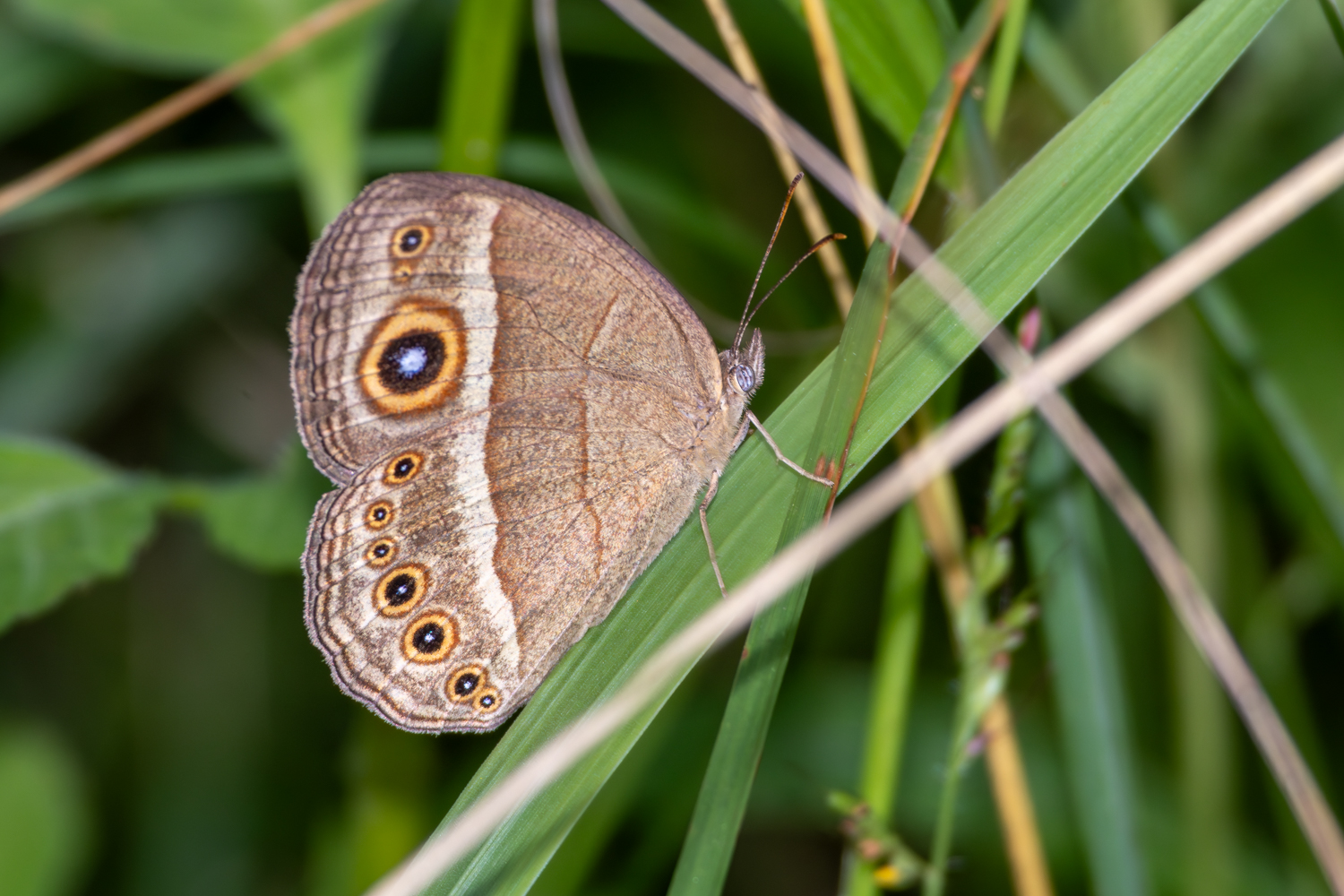
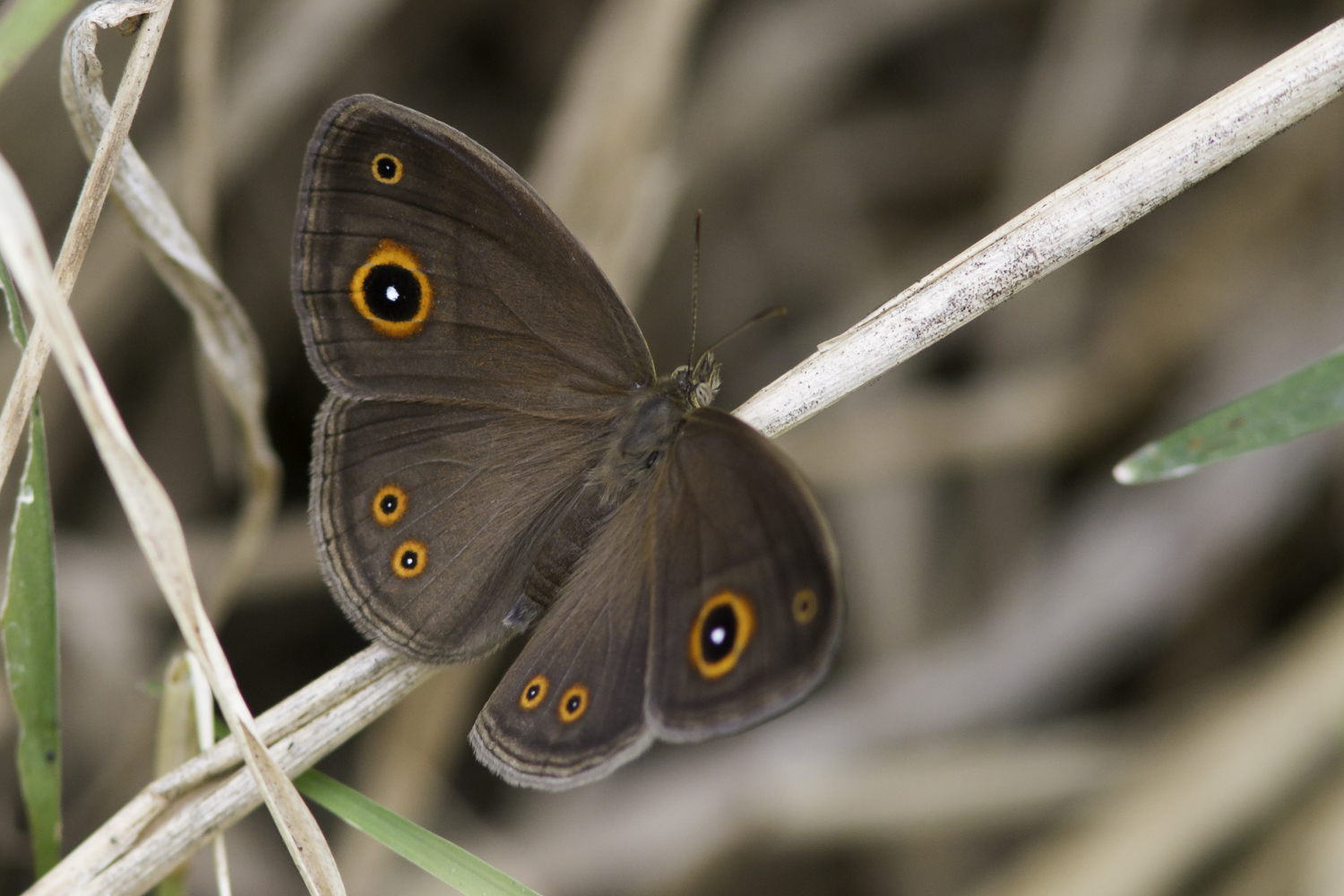
Four Brown butterfly species in the subtribe Mycalesina occur in South Africa. Three, shown above, belong to the genus Bicyclus; the fourth belongs to Brakefieldia, the Patrollers. The local species, Brakefieldia perspicua perspicua, is the Marsh Patroller, formerly known as the Eyed Bush Brown. It is an attractive butterfly with a rich brown upper side marked by white-centred black ocelli edged in orange. The shade of brown varies but the pattern of markings is constant. The underside has a conspicuous white median line running across both wings.

Marsh Patroller ♂ form perspicua

Brakefieldia perspicua perspicua

Marsh Patroller ♂ form perspicua

Brakefieldia perspicua perspicua
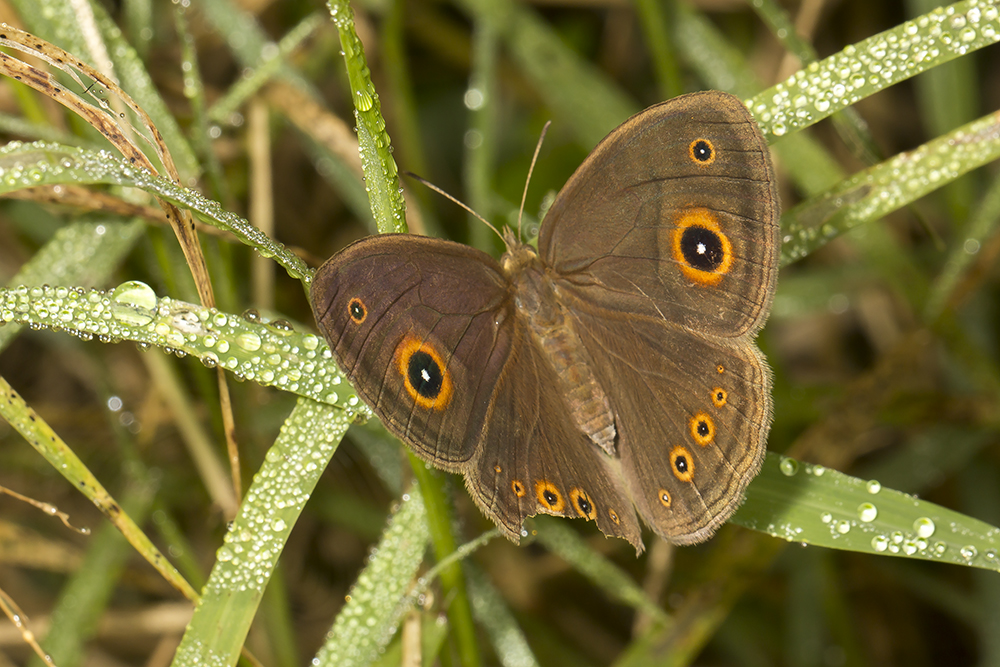
Marsh Patroller ♂ form maevius

Brakefieldia perspicua perspicua
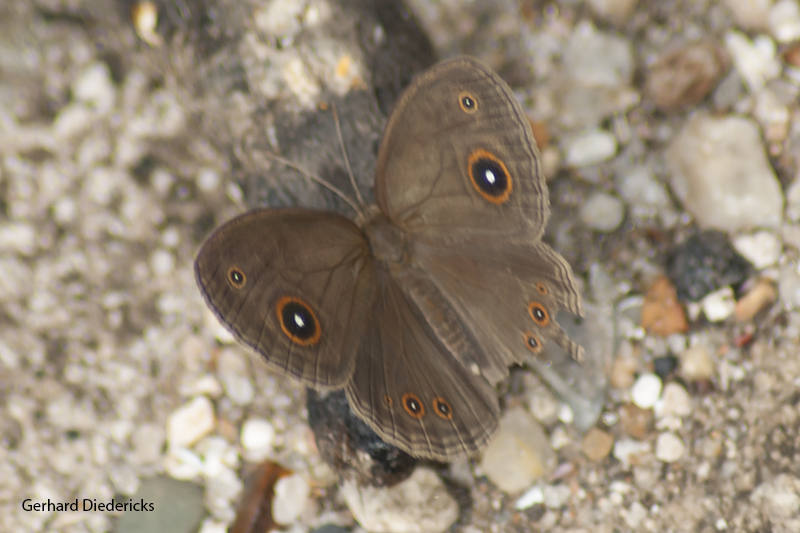
Marsh Patroller ♂ form maevius

Brakefieldia perspicua perspicua © G Diedericks
The Marsh Patroller has two distinct seasonal forms. The wet-season form, perspicua, has bright orange rings around the upper side ocelli. On the underside, it bears several large post-median ocelli, much like the wet season forms of Bicyclus species, and a broad median line that contrasts strongly with the ground colour.

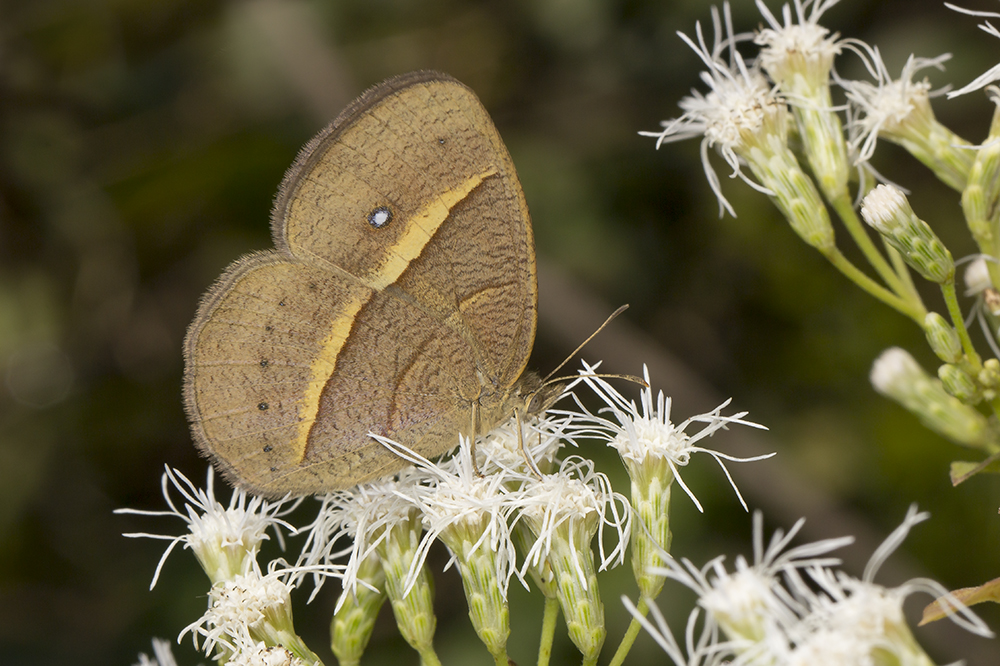
The dry-season form, maevius, has darker orange rings around the upper side ocelli. Its underside shows a duller, more yellowish median line and fewer, smaller ocelli. The large ocellus at the forewing tornus is reduced, with the black area almost hidden by the central white spot.

The larvae feed on grasses in moist habitats. In captivity, the butterfly has been reared on Kikuyu Grass, Pennisetum clandestinum; in the wild, females have been seen laying eggs on Guinea Grass, Megathrysus maximus. Its eggs, caterpillars and pupae closely resemble those of the Variable Bush Brown.

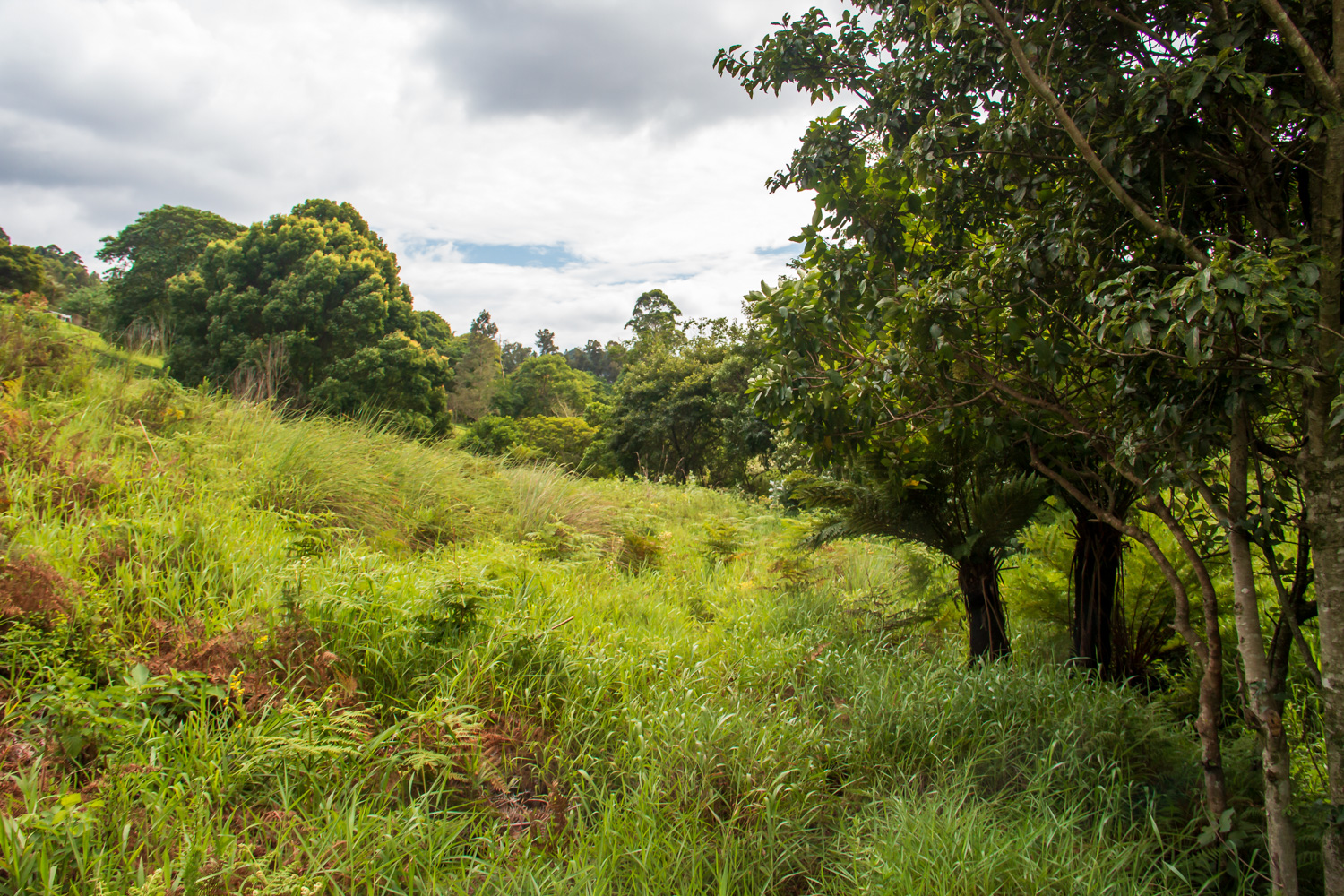
Moist grassland above Giba Gorge near Hillcrest

Habitat for Marsh Patroller
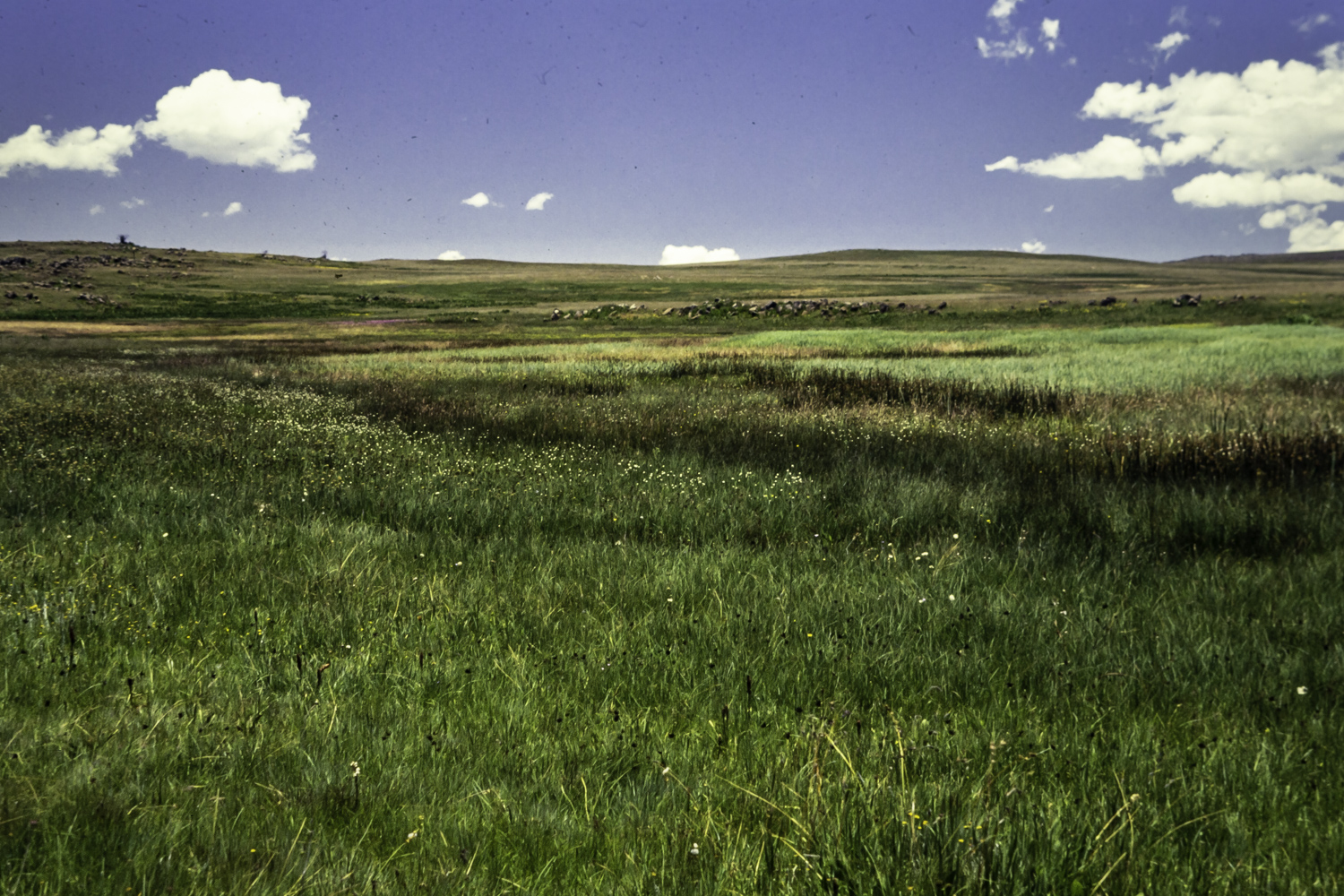
Wetland at Verlorenvalei near Dullstroom-

Habitat for Marsh Patroller
These images show typical habitat for the Marsh Patroller, Brakefieldia perspicua perspicua. They fly low with the bouncing, dancing flight pattern typical of Bush Browns, settling often and opening their wings for a few seconds before closing them. If disturbed they open their wings to flash the upper side ocelli. This action probably serves to startle and deter predators. The adults’ habits are similar to the Bush Browns; they are also often seen on wet mud.

Distribution

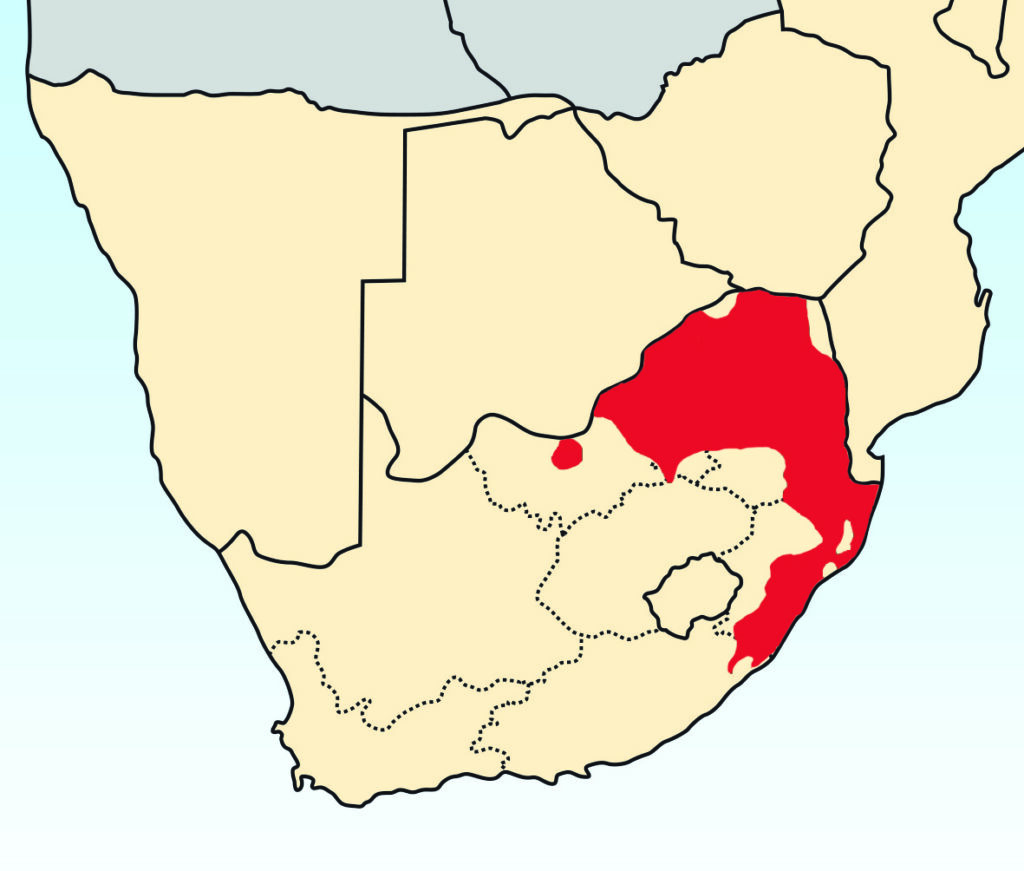
Marsh Patroller Brakefieldia perspicua perspicua inhabits damp savanna and grassland, especially riverbanks and marshes, over a wide range of altitudes. In South Africa, it occurs in the north and east, from the northern Eastern Cape through KwaZulu-Natal, eSwatini, Mpumalanga, Gauteng, and Limpopo. Its wider range extends across Zimbabwe, into Zambia and Mozambique, and north to Sudan and Ethiopia. It is absent from arid regions such as southern Namibia, and the Kalahari savanna of Botswana.

A separate western subspecies, Cameroon Marsh Patroller Brakefieldia perspicua camerounica, occurs in Cameroon.